
Rugeast
Since 1921
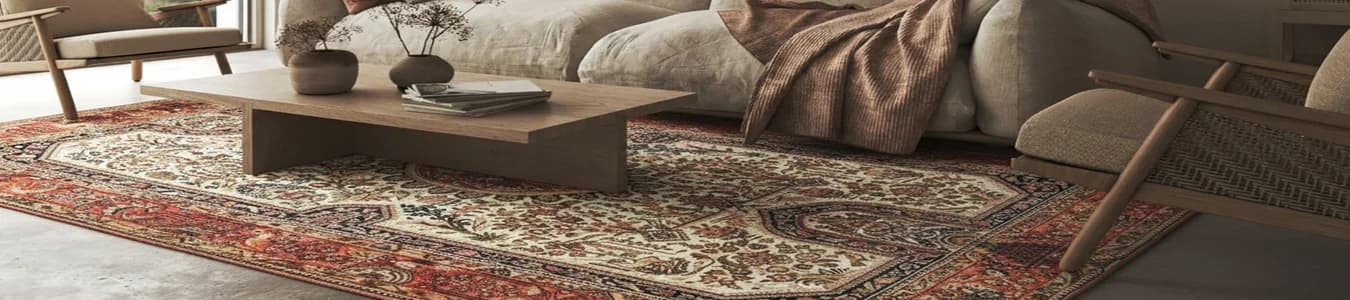
Discover a rare collection of genuine antique rugs and antique carpets — each a one-of-a-kind piece carrying decades of history, a softened natural patina, and a cultural depth that no contemporary rug can replicate, for interiors that tell a story.
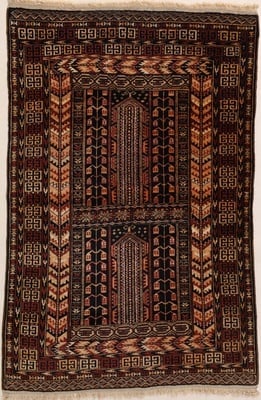
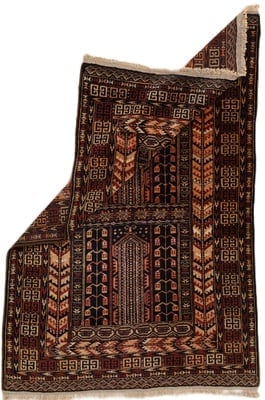
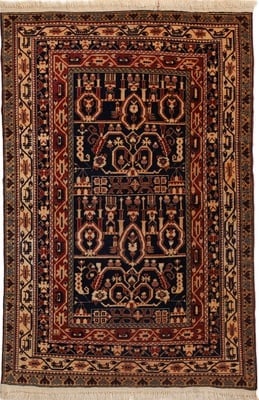
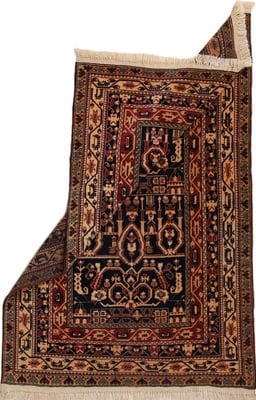
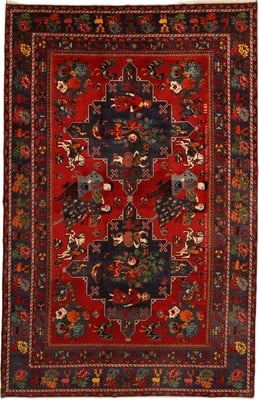
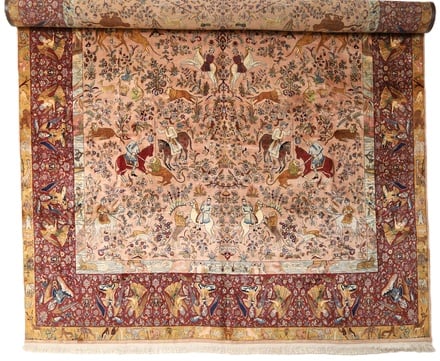
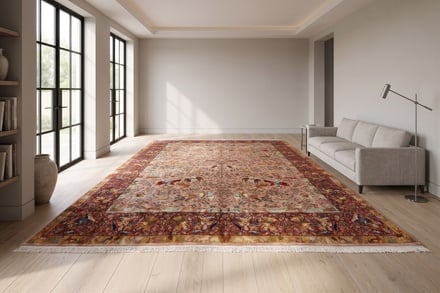
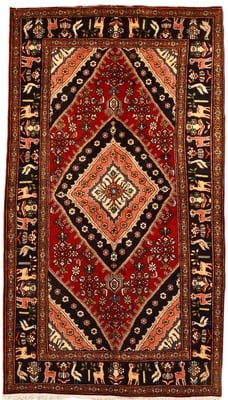
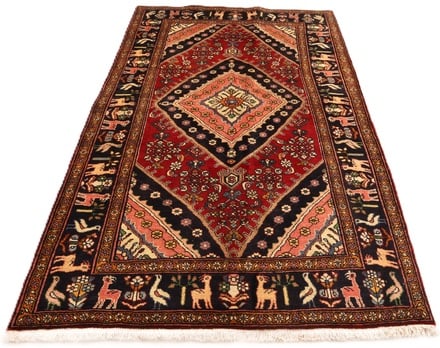
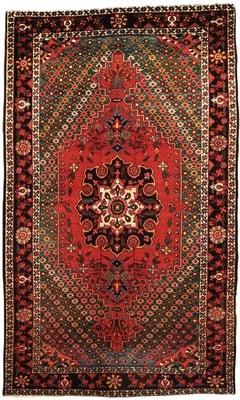
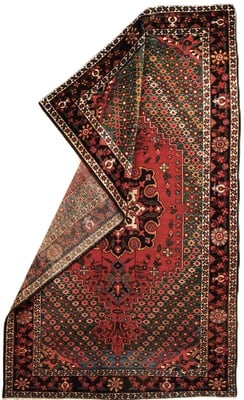
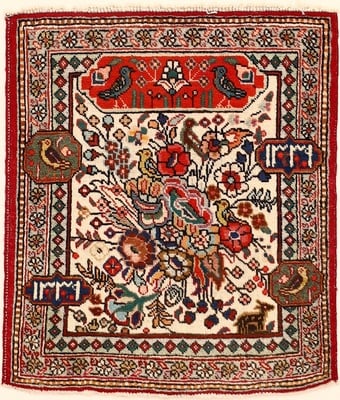
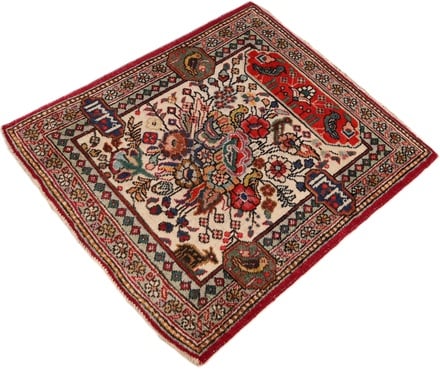
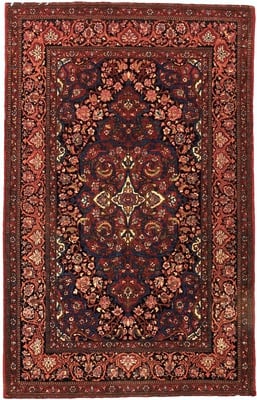
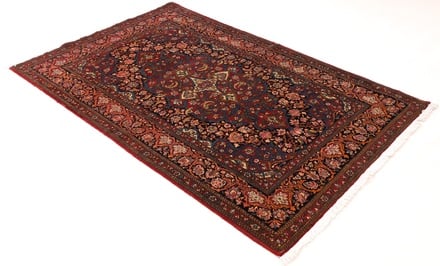
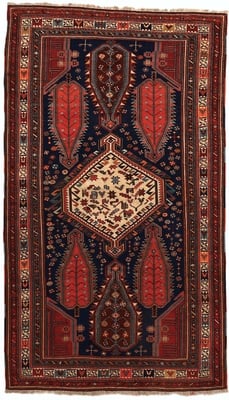
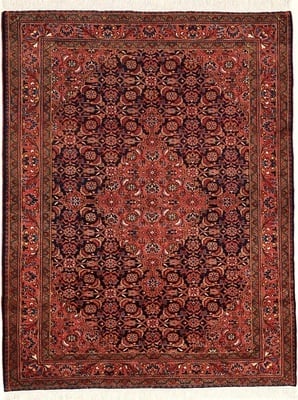
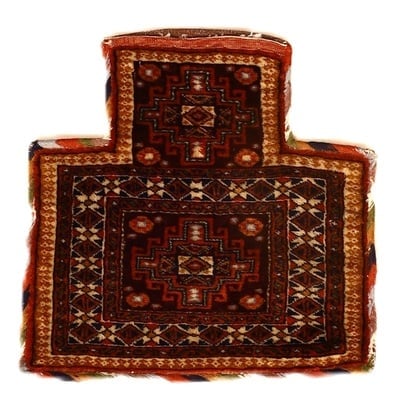
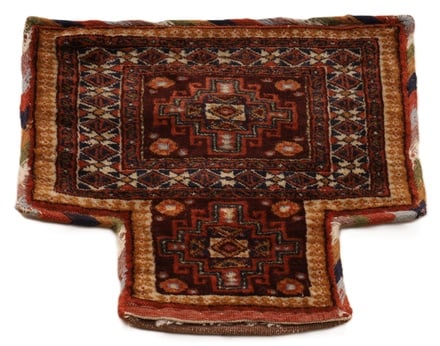
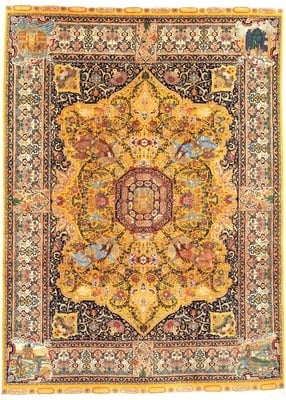
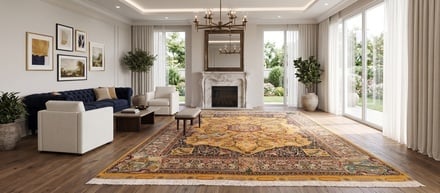
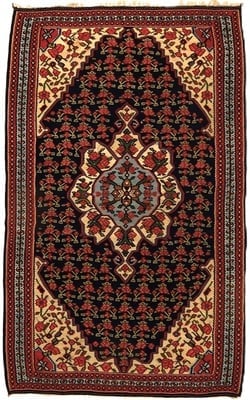
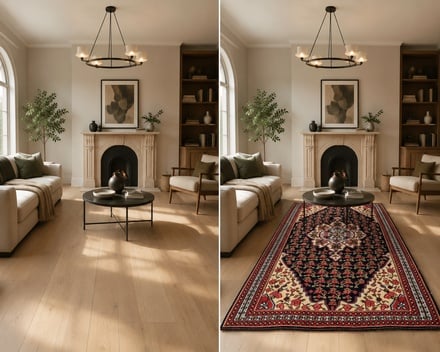
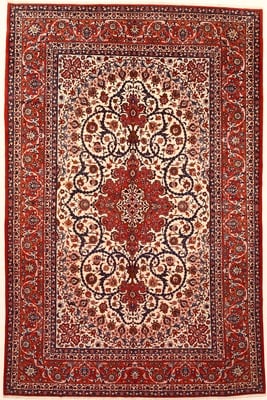
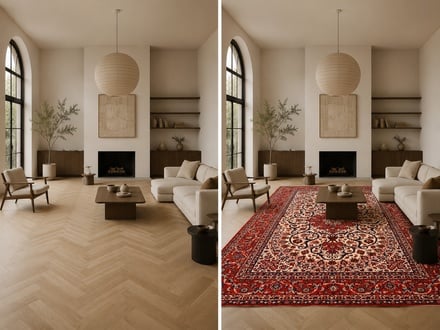
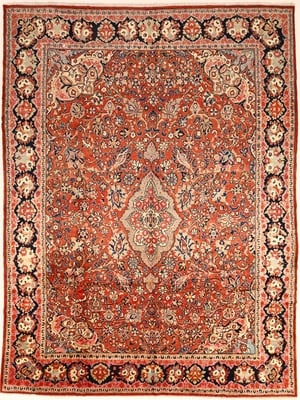
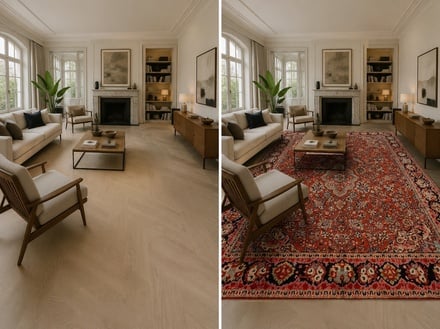
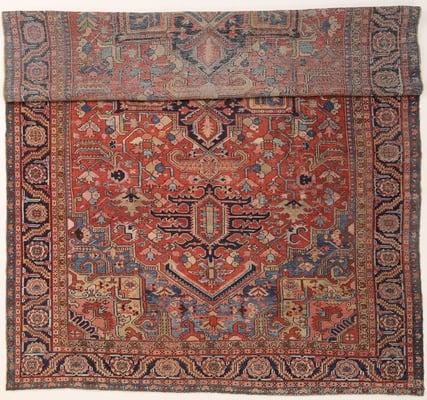
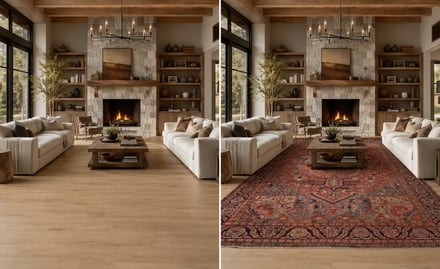
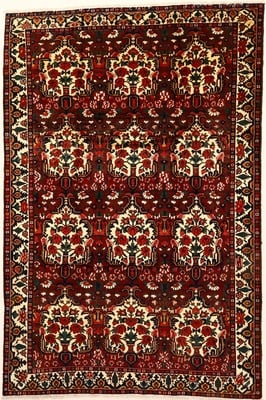
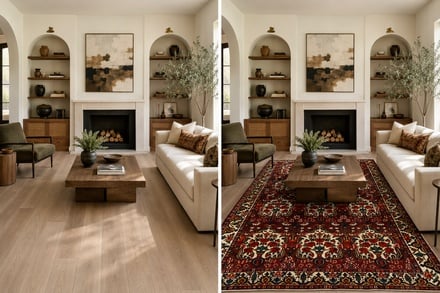
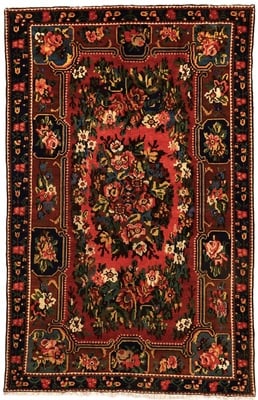
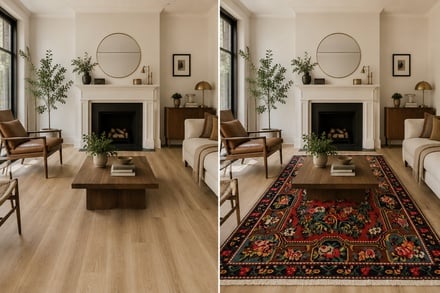
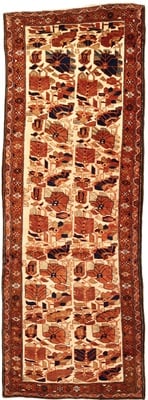
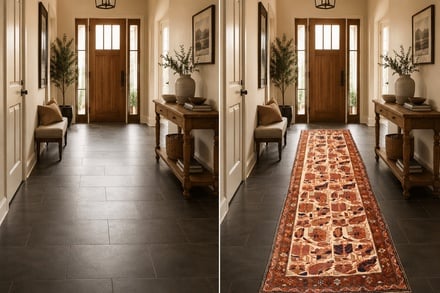
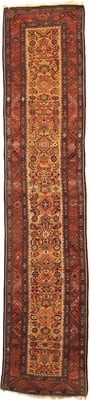
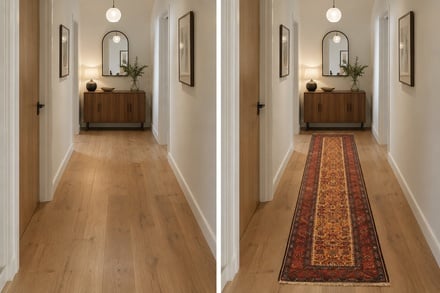
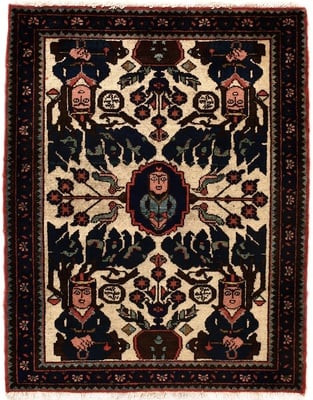
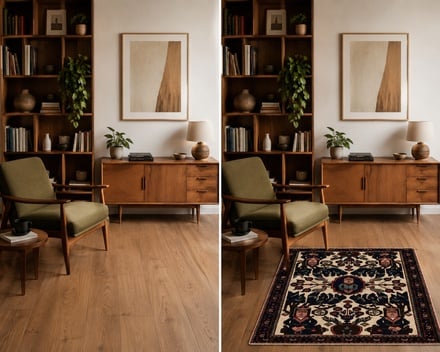
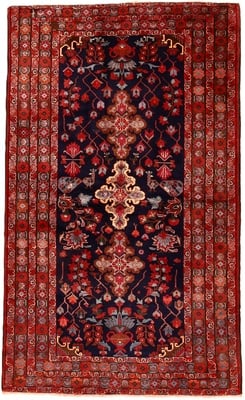
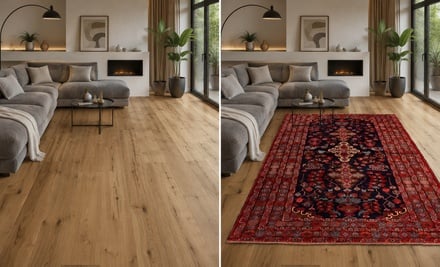
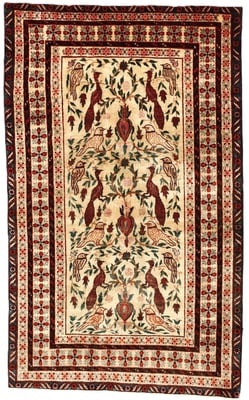
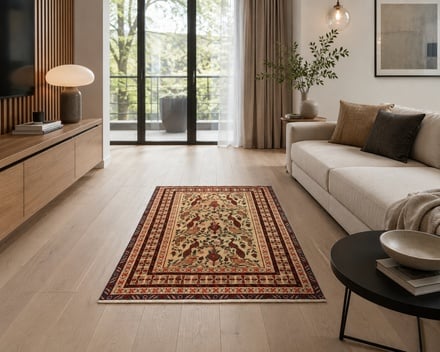
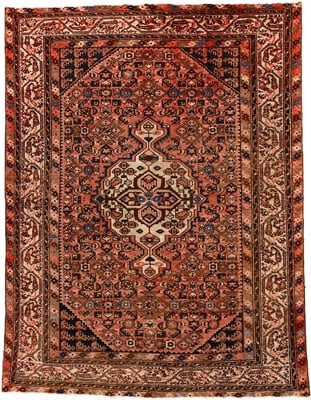
Antique rugs from the Orient are gaining increasing popularity in our fast-paced era – and for good reason. They stand for tradition, longevity and craftsmanship. With ages of 80 years and more, rugs of antique quality are impressive snapshots of long-past times, carrying stories of the people and cultures that created them.
Many antique rugs feature patterns that are no longer woven today, which gives them a unique charm and originality. If you are considering buying a rug as an investment, it is always wise to consult our experienced experts at Rugeast to ensure you choose the right piece in terms of quality, age and future value.
The world's oldest known antique rug is the Pazyryk Carpet, discovered in 1949 by Russian archaeologists in the frozen tombs of Scythian leaders in Siberia. This masterpiece shows that advanced carpet weaving already existed in the 5th century BCE. Like many historic carpets, it was crafted by skilled rural and nomadic weavers who drew inspiration from nature, plants and animals and used natural fibres and plant-based dyes.
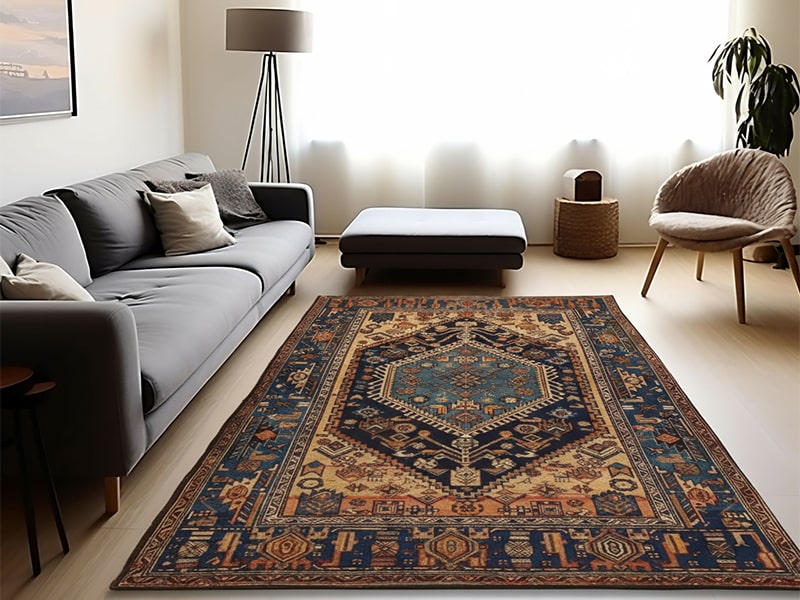
Not every old rug can truly be called an antique. Each category of antique rug has its own characteristics – and understanding these helps you judge both value and authenticity.
The first fundamental rule: an antique rug must be handwoven. No matter how old a machine-made rug is, if it is not handwoven, it has little collectable value. The second important point is that while antique rugs are very old, age alone is not enough – quality of weave, materials, design and condition matter just as much.
Based on age, handwoven rugs are often divided into three main categories:
Vintage handwoven rugs are usually between 30 and 50 years old. They combine a certain patina and softness of colour with relatively young structure, often making them a good entry point for collectors.
Semi-antique rugs are typically between 50 and 100 years old (some experts also use a narrower range of 50–70 years). They show clear signs of age, mellowed colours and often more intricate traditional designs, yet still offer a very usable structure.
Handwoven rugs that are over 100 years old are referred to as truly antique rugs. These are the rarest and most sought-after pieces, often with museum-level designs, high knot counts and finely balanced colours.
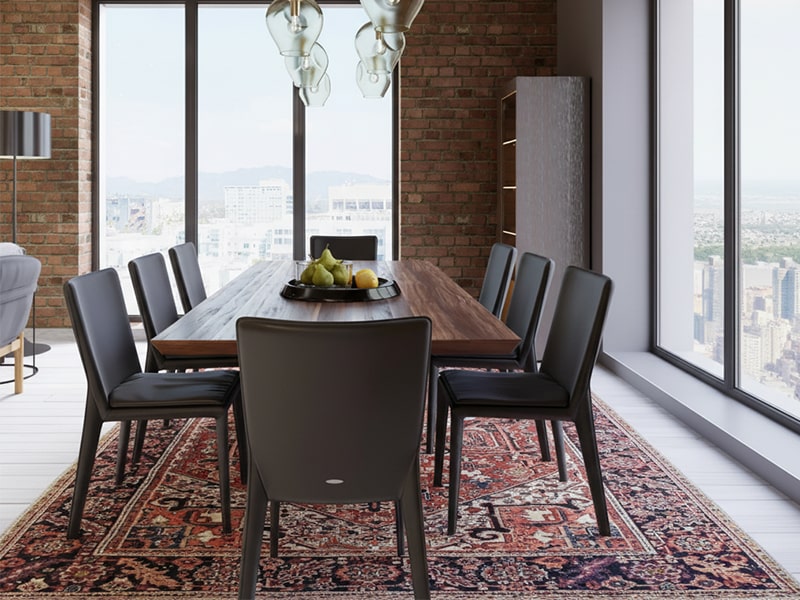
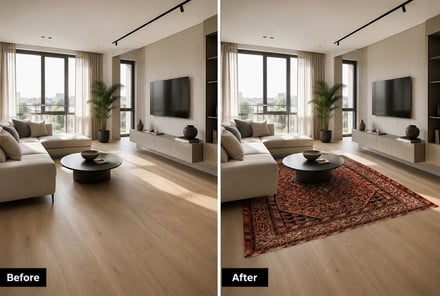
An antique rug can add elegance and a special depth to any space. Its intricate motifs and refined colour palette are captivating and draw the eye immediately. Although an antique rug is old in years, its beauty is timeless and often becomes the heart of the room.
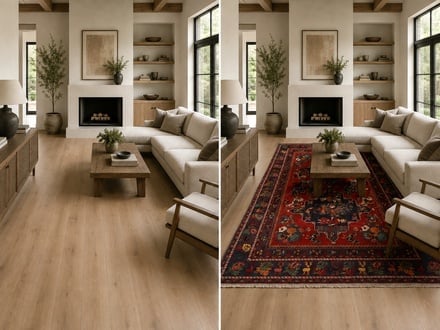
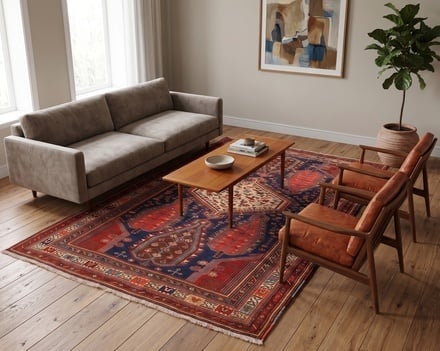
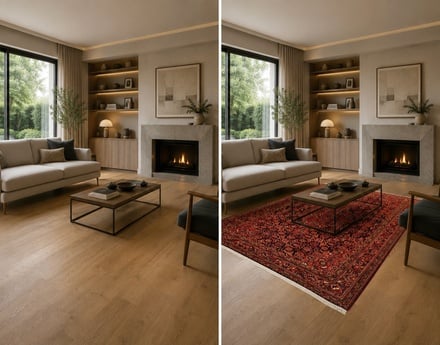
Vintage and antique rugs harmonise surprisingly well with contemporary and modern interiors. They create an exciting contrast: clean lines and modern furniture on the one hand, and a historic, richly textured floor piece on the other. Used correctly, a single antique rug can turn a neutral room into a characterful space full of personality.
As a rule of thumb, the older a high-quality handwoven rug is, the more valuable it becomes. In the past, some rug dealers would deliberately hold back newly made pieces and only sell them after years of aging to achieve higher prices. However, chemical washing, strong fading and extensive repairs can reduce an antique rug's value, which is why careful selection and professional care are essential.
An antique rug is not only a visual highlight – it is also a long-term investment. As an authentic handwoven rug ages, its colours become softer, its design gains depth and its historical significance increases. If you appreciate classic interiors and lasting beauty, an antique rug is an excellent choice.
Another often overlooked advantage: the dense structure of a high-quality rug can help absorb dust and allergens and prevent them from constantly circulating in the air. For many allergy sufferers, this can provide noticeable relief, especially in combination with regular, gentle cleaning.
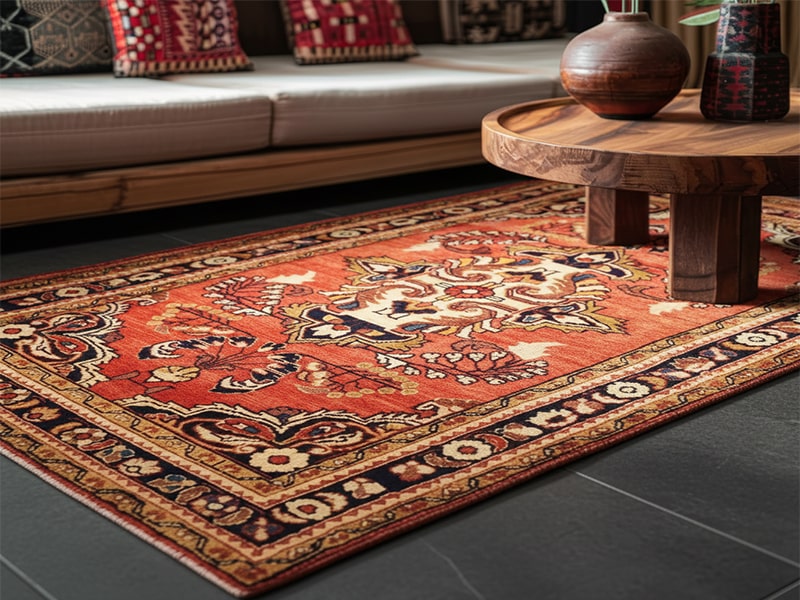
The frequency of cleaning your antique rug depends on where it is placed. High-traffic areas require more care, but even rugs in quieter rooms should be checked regularly for dust build-up. A simple test: lift one corner of the rug and firmly tap the back – if a large cloud of dust appears, it is time for cleaning.
A small amount of dust in the pile is normal and no reason for concern. To maintain antique rugs over the long term, it is recommended to:
If you wash an antique rug yourself, first vacuum both sides thoroughly. Then wash the rug carefully with a mild shampoo and rinse well with cold water. Use a soft brush or another non-abrasive tool and avoid heavy pressure, as aggressive scrubbing can seriously damage the fibres.
After washing, remove as much excess water as possible and lay the rug in a well-ventilated place, ideally with indirect sunlight, until it is completely dry. A drying room is also possible but takes more time. Avoid placing antique rugs in very crowded areas such as narrow hallways and remember to rotate them at least once a year so that all parts wear evenly.
Antique carpets differ in many aspects: quality of the wool or silk, knot density, fineness of design, clarity of colours and authenticity of origin. At the same time, they reflect cultural identity and artistic tradition. The value of an antique carpet is therefore determined by a combination of factors, not just its age.
Knot density – the number of knots per square inch or per square metre – is a common indicator of quality, although it is not the only one. Even relatively small rugs may take several months to weave, often with 7–8 hours of work per day. When you decide to invest in an antique carpet, pay attention to the manufacturer's brand, the region of origin and a detailed description of materials and condition.
Handwoven carpets from weaving centres such as Qom, Maragheh, Zanjan, Mashhad, Tabriz, nomadic and tribal areas, Bakhtiari regions and Qashqai (often simply known as oriental carpets) are renowned for their strong, durable structures and artistic compositions.
If you are wondering why antique carpets can be so expensive, simply consider the amount of work, skill and time that go into a truly handwoven piece. You may have heard the saying that the more footprints a rug has seen, the higher its price – this is especially true for antique carpets, whose value often increases with age, provided they remain in good condition.
If you plan to buy an antique carpet primarily as an investment, it can be wise to look for rugs that are over 30 years old. Such pieces have not yet fully reached their maximum price, but already show the characteristics of a maturing rug. They sit in an interesting middle ground: old enough to be desirable, yet still with room to appreciate.
An antique carpet is a handwoven rug that is usually more than 100 years old. These pieces often come from well-known weaving regions, have a long history and show a unique combination of design, colour and craftsmanship. Because of their age and beauty, they are highly regarded by collectors and interior enthusiasts.
The purchase of antique carpets should always be done through trusted specialists. Antique handwoven rugs usually have high monetary value and exceptional colours and designs, so an expert eye is essential. At Rugeast we help you assess age, authenticity, condition and fair pricing before you decide.
rugeast.com/en/ is one of the online centres for antique carpets in Germany. Here you will find a curated selection of antique and vintage rugs from different regions, with detailed descriptions and professional photos, all shipped quickly from Hamburg.
No. Age alone is not enough. To be classed as antique, a carpet must be handwoven and usually older than 100 years. Machine-made rugs, no matter how old they are, have little collector value. Condition, rarity, origin and design quality are also crucial for classification and price.
Vacuum gently on a regular basis, avoid aggressive brushes and clean stains immediately using mild products. Rotate the rug once a year so it wears evenly and avoid placing it in very busy or damp areas. For deep cleaning, it is best to use professional rug cleaning specialists who are familiar with antique pieces.
A carefully chosen antique rug can be both a beautiful design element and a long-term investment. Quality handwoven pieces from important regions often increase in value over time, especially when they are well preserved and have rare patterns. The key is to buy from reputable experts and to maintain the rug with care.
If you are looking for a genuine antique rug – whether as a decorative highlight, a collectors' piece or a long-term investment – the curated collection at Rugeast offers a wide range of unique carpets with history. Let our experts advise you and find the one-of-a-kind rug that fits your home, your taste and your budget. With fast shipping from Hamburg and detailed product information, ordering your antique rug online is simple and secure.