
Rugeast
Since 1921
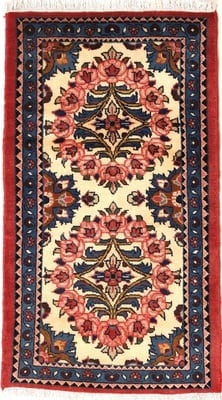
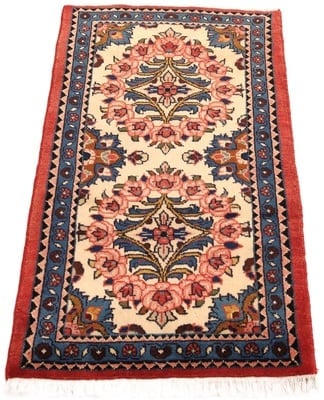
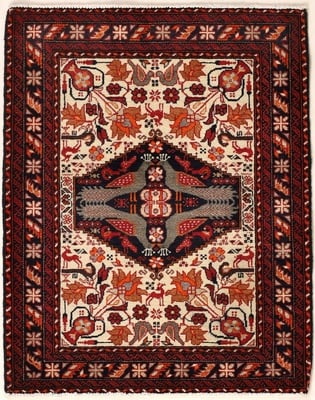
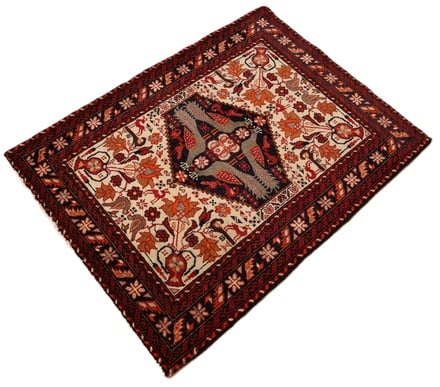
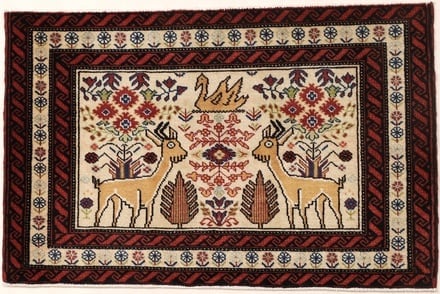
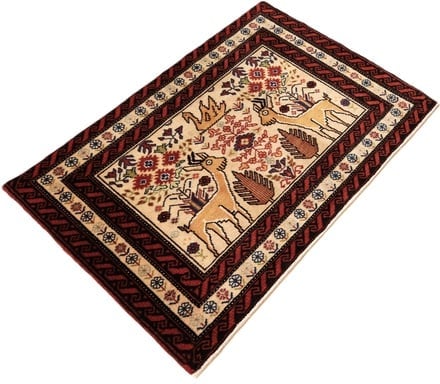
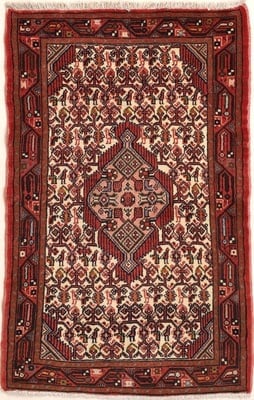
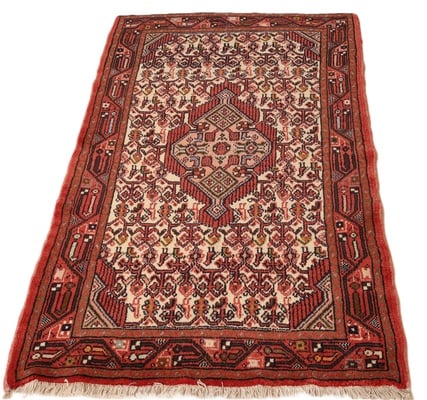
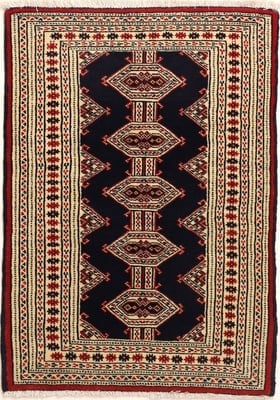
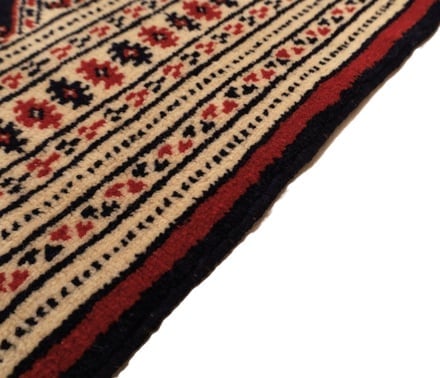
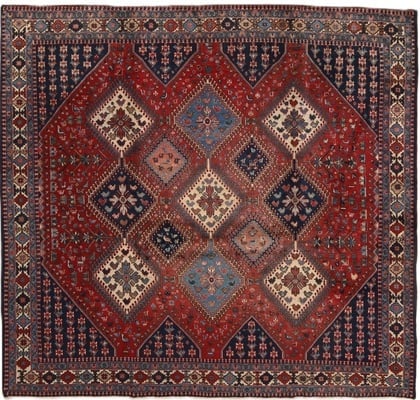
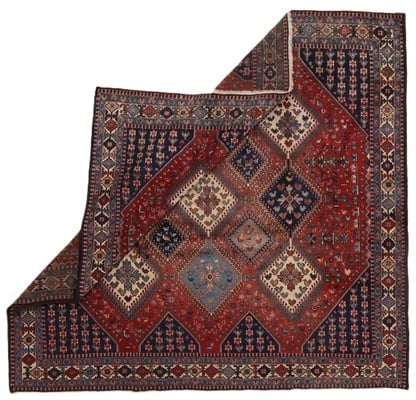
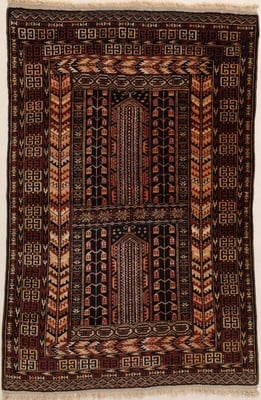
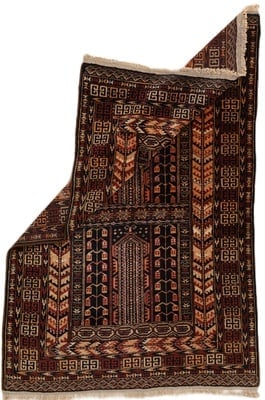
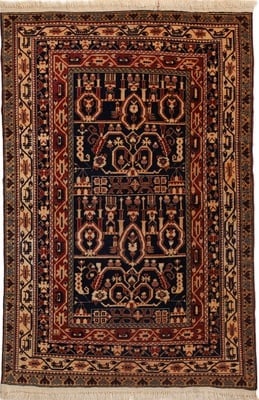
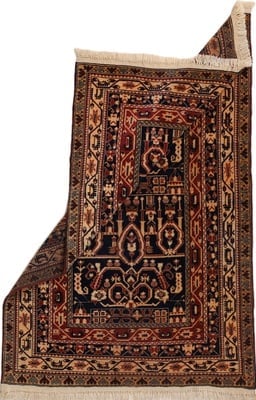
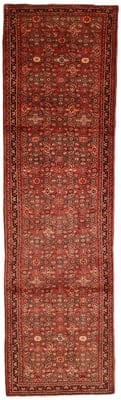
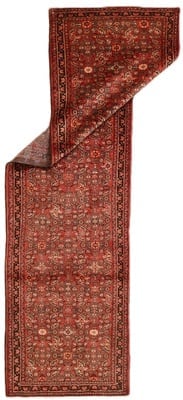
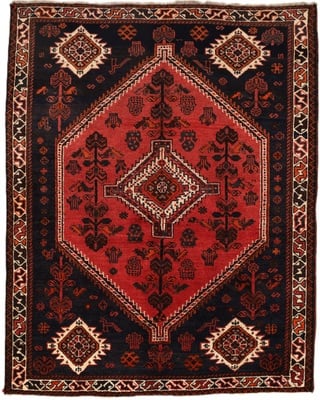
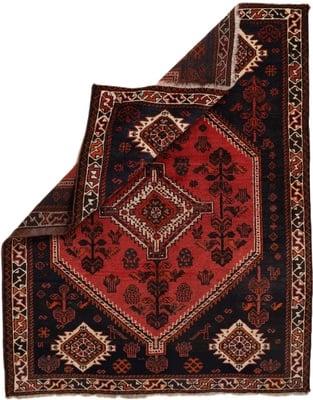
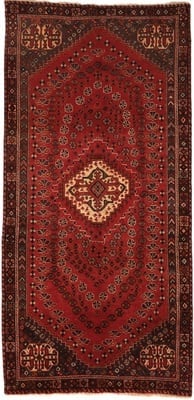
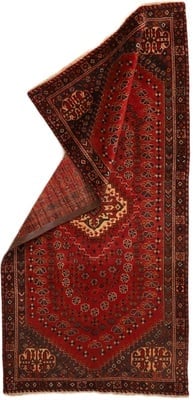
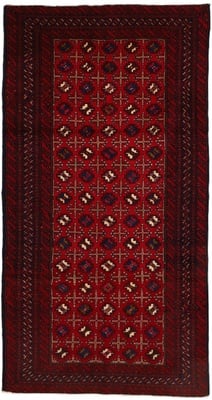
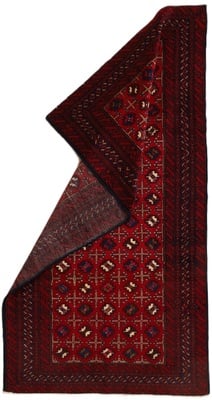
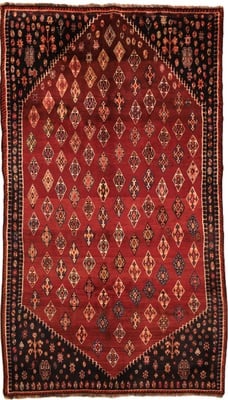
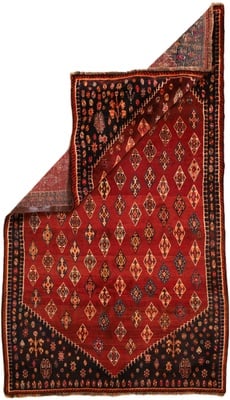
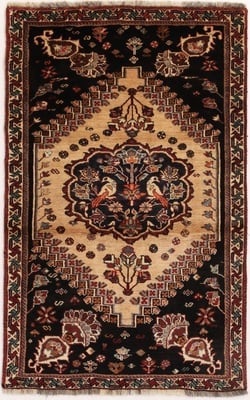
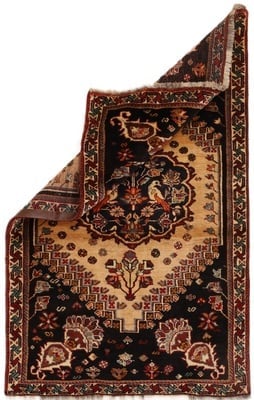
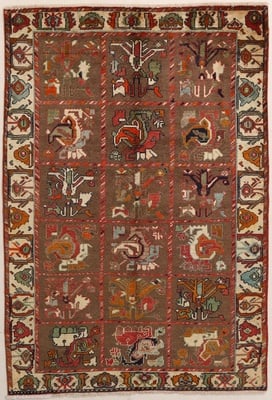
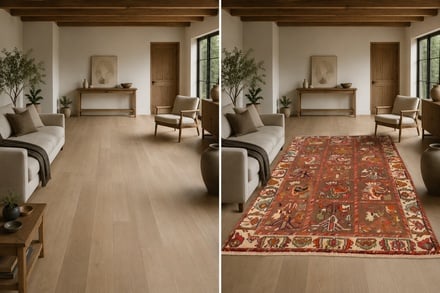
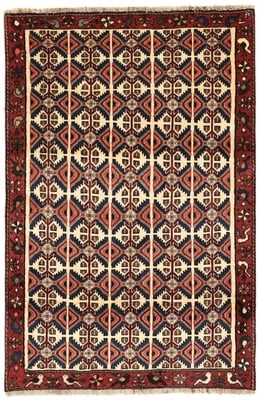
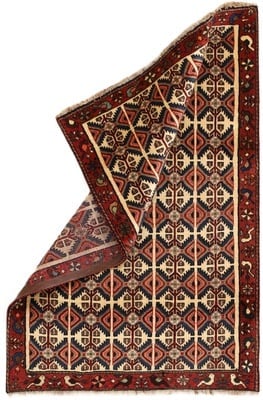
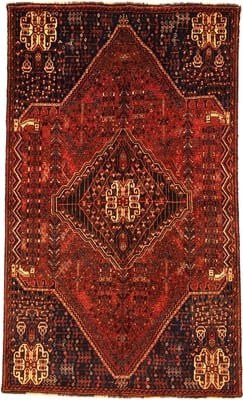
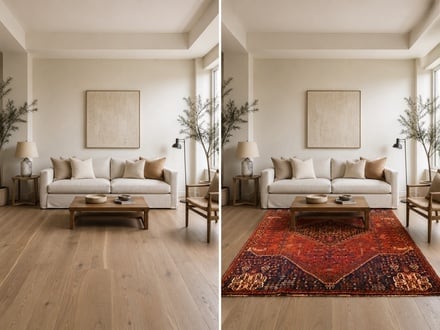
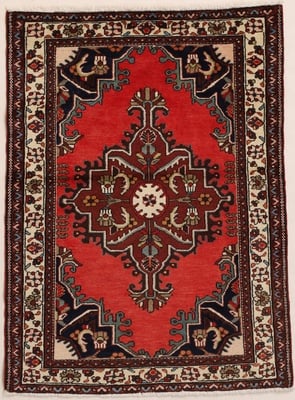
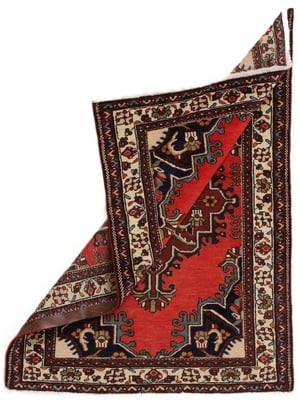
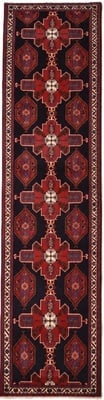
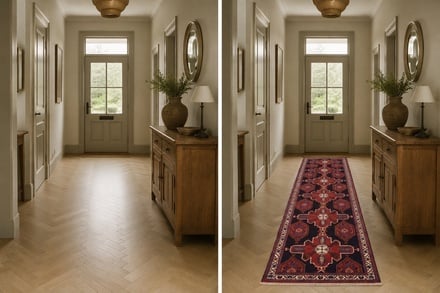
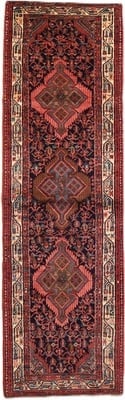
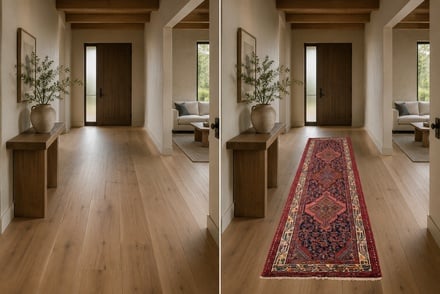

Explore our collection of traditional nomadic rugs and village carpets from bold Persian tribal designs to regional oriental weaving traditions that bring warmth, character, and authentic craftsmanship to any interior.
Village & nomadic carpets carry a centuries-old heritage, celebrated worldwide for their enduring durability, tactile richness, and uncompromised authenticity. Unlike symmetrical city workshop rugs designed on paper cartoons, each tribal piece is an individual artistic expression tied spontaneously from memory by master village and nomadic weavers.
Buying village & nomadic carpets is far more than a decorative decision—it is an investment in cultural heritage, natural materials, and ancient storytelling. Explore the curated tribal collection at Rugeast and discover how an original piece can introduce depth, warmth, and organic soul into contemporary spaces.
Persian nomadic rugs are among the most revered artisanal floor coverings in existence. Woven from high-altitude Persian sheep wool loaded with natural lanolin, they withstand decades of daily life. Among collectors, antique rugs stand out prominently: their vegetable dyes mature over generations into a soft, glowing patina that industrial dyes can never duplicate.
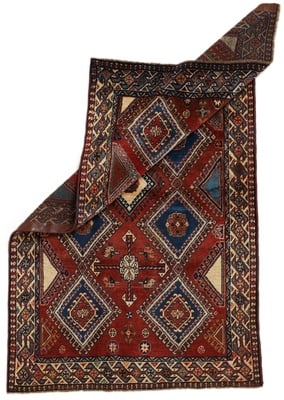
Choosing a hand-knotted nomad rug means embracing an authentic art form that takes months of focused handiwork on horizontal ground looms. Because these mobile looms shift slightly along seasonal migration routes, natural variations in weave tension and dye batches (known as abrash) occur naturally, providing definitive proof of original handicraft.
Tribal weaving spans diverse micro-cultures, geographical terrain, and centuries-old symbolic languages across Persia and the Orient:
Persian Tribal & Village Weaves (Qashqai, Shiraz, Baluch, Shahsavan, Tafresh):
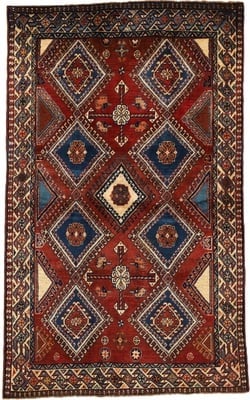
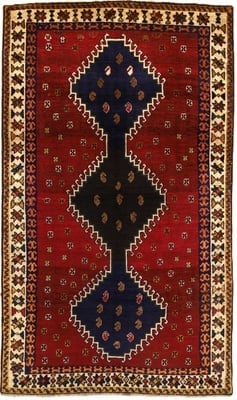
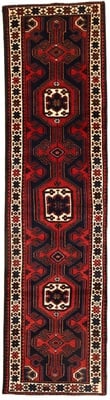
Woven across the Zagros and southern plateau mountains, Qashqai and Shiraz rugs feature stylized animal emblems, geometric tree-of-life medallions, and deep madder red and indigo fields. Baluch rugs bring rich, brooding earth tones, while settled village weaves like Tafresh and Shahsavan bridge rustic boldness with rhythmic order. To see their counterparts from royal workshops, view our full selection of classic
Persian rugs.
Anatolian Kilims & Flatweaves:
Rather than knotted pile, authentic kilims use flat-weave slit-weave techniques. Anatolian nomads weave these light, reversible pieces with sharp rhomboids and hook motifs that traditionally served as protective talismans.
Berber Weaves of North Africa:
Characterized by plush, high-pile undyed natural ivory sheep wool accented with simple charcoal lines. Their plush, thermal comfort makes them a natural pairing with minimalist and Scandinavian interiors.
Turkmen Weaves of Central Asia:
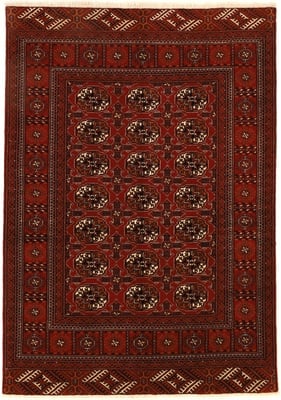
Recognized by recurring octagonal tribal medallions (göls) set over deep oxblood or rust grounds. Historically representing tribal independence, they remain prominent across the heritage of Oriental carpets
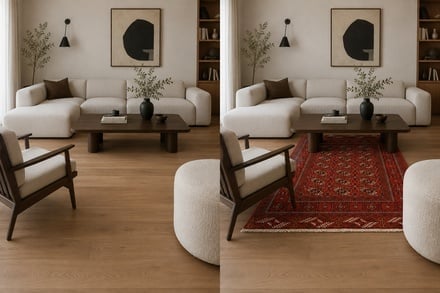
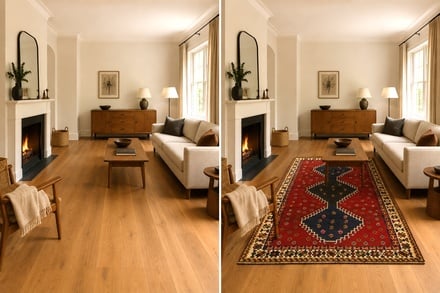
Whether anchoring a bohemian sitting area or providing an expressive centerpiece as a living room rug, the resilient high-altitude wool provides soft acoustic damping and unparalleled warmth underfoot.
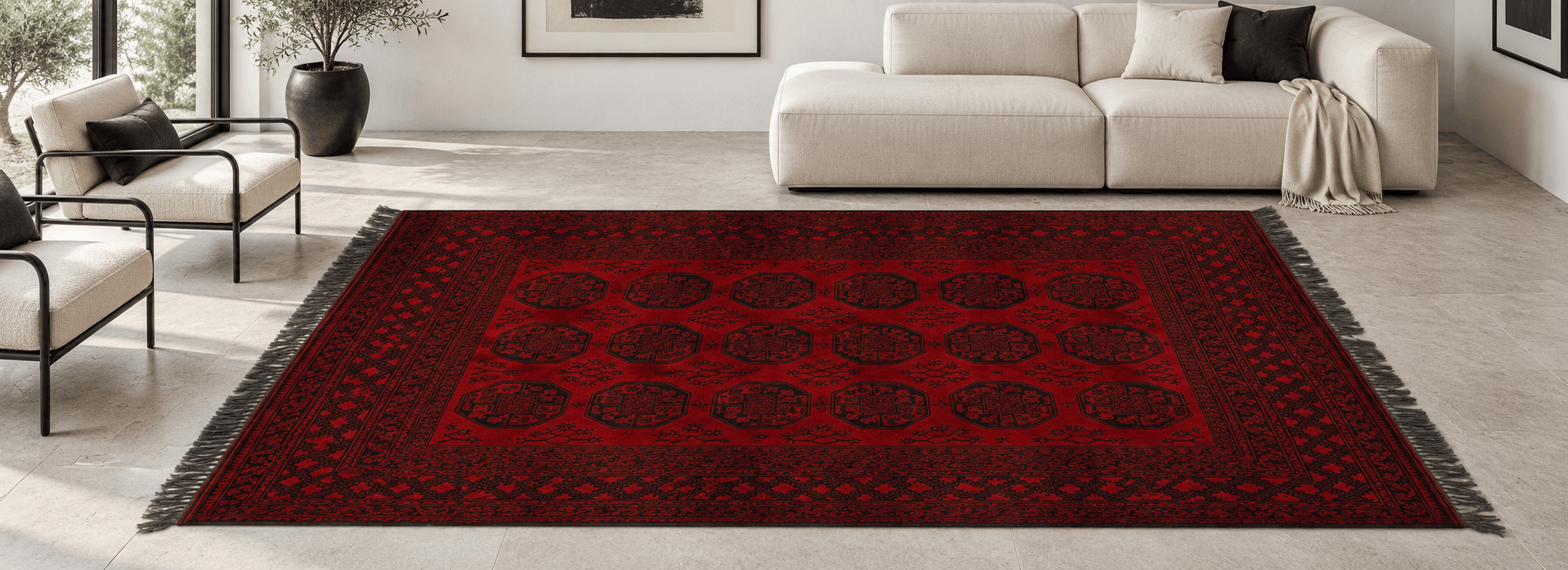
A core strength of authentic nomadic rugs lies in their pure organic material composition. Because the sheep graze freely across cold high-altitude mountain pastures, their wool is dense and heavy in protective lanolin. This provides natural stain and liquid repellency, making these rugs exceptionally resilient for high-traffic zones, sunrooms, and sheltered verandas.
Nomadic warps and wefts rely on pure wool or sturdy goat hair, while village communities often weave over durable hand-twisted cotton foundations. Dyes are derived from local madder roots, walnut husks, weld flowers, and natural indigo. Free of toxic synthetic fixatives, these rugs are eco-friendly, hypoallergenic, and improve with age.
Weaving a nomadic rug requires patience and generations of instinctive knowledge. Because nomadic families migrate with the seasons, they utilize horizontal looms pegged directly into the earth that can be disassembled quickly. Every knot is tied with double-looped symmetrical (Turkish/Ghiordes) or single asymmetrical (Persian) knots, pounded down firmly with iron combs to create a tight, soil-resistant weave.
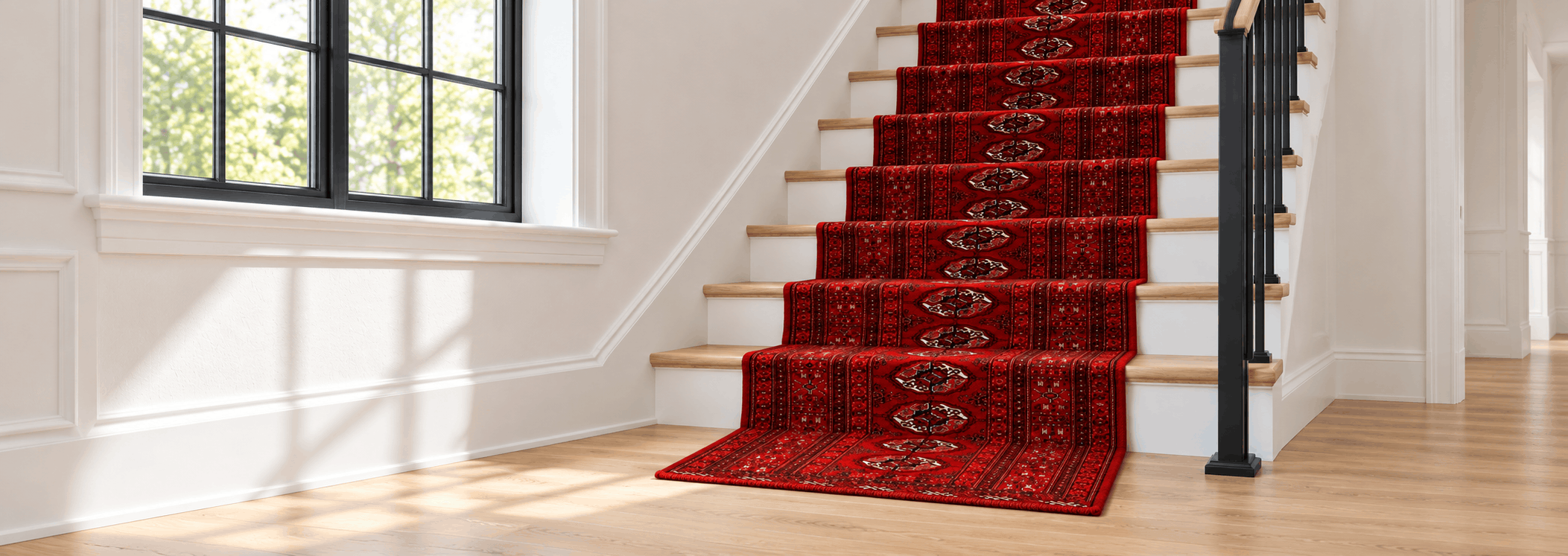
When assessing a tribal carpet, numerical knot density (KPSI) is secondary to wool elasticity, dye purity, and symbolic authenticity. Unlike manufactured rugs made for rigid uniformity, the real value of a nomadic carpet lies in the strength of its hand-spun yarn, its bold color interactions, and its artistic soul.
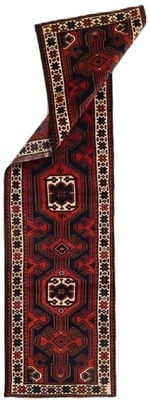
Verify that the rug features genuine hand-knotted fringes extending directly from the foundation warps, rather than machine-stitched strips. At Rugeast, every piece is individually examined by experienced rug specialists to verify origin, age, and handcraft integrity.
A hand-knotted Persian nomadic rug brings history, warmth, and enduring character into any interior. With Rugeast's straightforward ordering, insured delivery, and complimentary returns across the EU, you can select and inspect your chosen carpet in your own living space completely risk-free.
City workshop rugs (like Nain or Isfahan) follow precise millimetric grid blueprints to achieve perfect symmetry and ultra-high knot counts. Nomadic rugs, by contrast, are hand-knotted spontaneously from memory on simple ground looms. They feature bold geometric motifs, organic line shifts, and abrash shading that highlight their artisanal origins.
Their resilience stems directly from raw material quality. High-altitude pastoral sheep produce long-staple, lanolin-coated wool. When hand-spun and securely knotted into a thick pile, the natural fats create an elastic barrier against foot traffic, wear, and dust accumulation.
They work wonderfully in covered, sheltered outdoor spaces such as covered balconies, loggias, and garden pavilions. However, they should not be exposed to standing water or heavy rain, as pure organic wool and cotton foundations must be protected from sustained moisture to preserve their structural integrity.
Yes. As nomadic populations settle into towns and fewer weavers continue the intensive art of traditional hand-knotting, authentic vintage and antique tribal rugs are becoming increasingly scarce. Genuine pieces woven with natural dyes regularly gain value on the international collector market.
Vacuum regularly with suction only along the natural direction of the pile. For accidental spills, immediately blot the area using a clean cotton towel with lukewarm water. Never use harsh chemical spot-removers, which can leach natural vegetable dyes. A professional wash every 3 to 5 years will keep the fibers fresh and supple.