
Rugeast
Since 1921
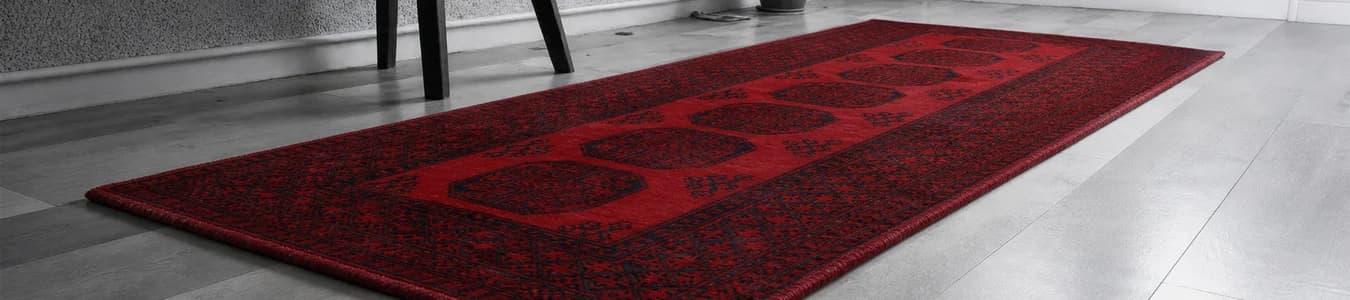
Browse runner rugs and hallway runners in a wide range of lengths, styles, and designs — perfect for hallways, staircases, kitchens, and narrow spaces that need both style and practicality.
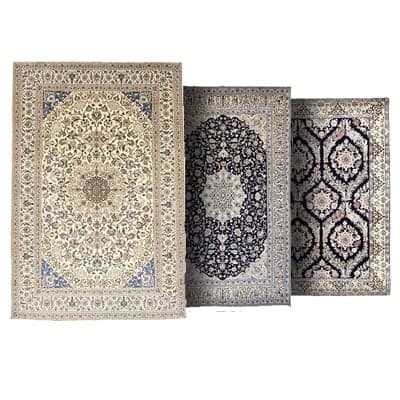 Nain Persian Rugs
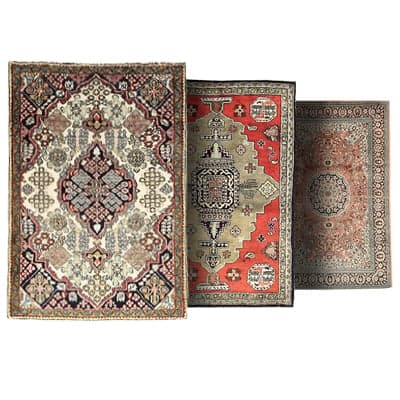 Luxury Silk Rugs
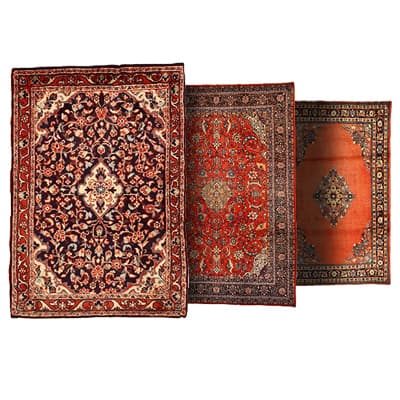 Sarough Persian Rugs
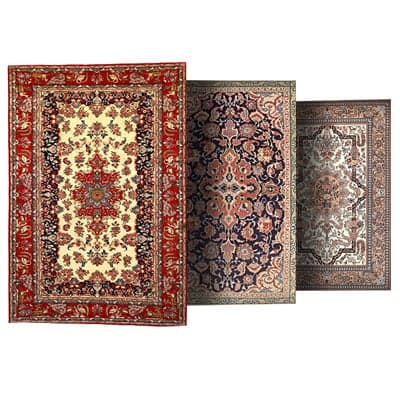 Isfahan Persian Rugs
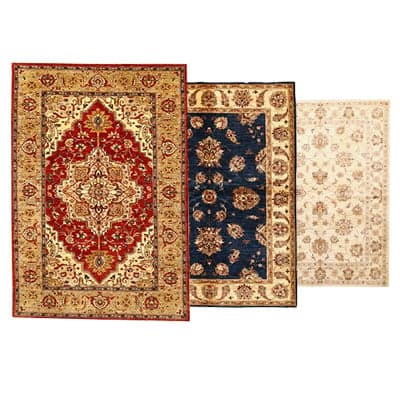 Ziegler & Kazak Rugs
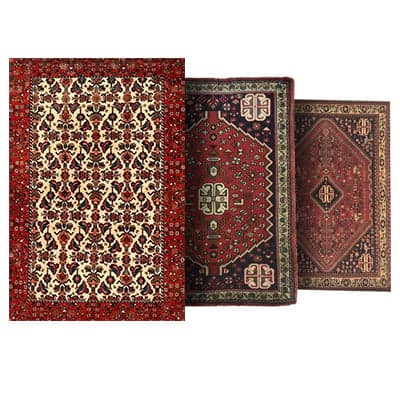 Abadeh Persian Rugs
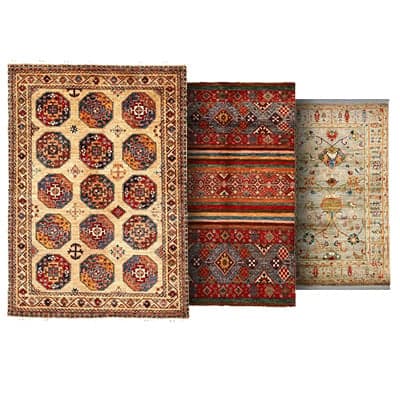 Afghan & Pakistani Rugs
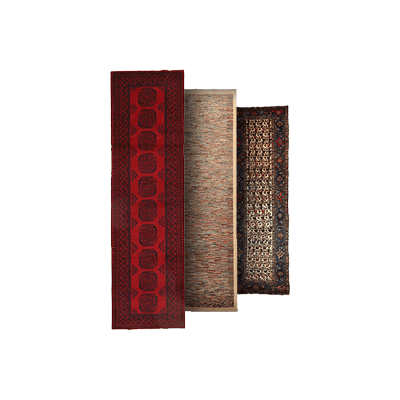 Runners Rugs
 Ardebil Persian Rugs
 Bidjar Persian Rugs
 Chinese Rugs & Carpets
 Exclusive Premium Carpets
 Ghom Persian Rugs
 Indian Carpets & Rugs
 Kashan Persian Rugs
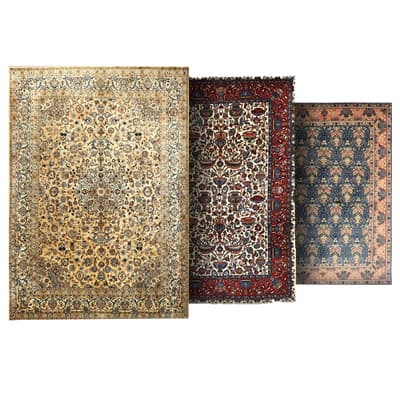 Mashhad Persian Rugs
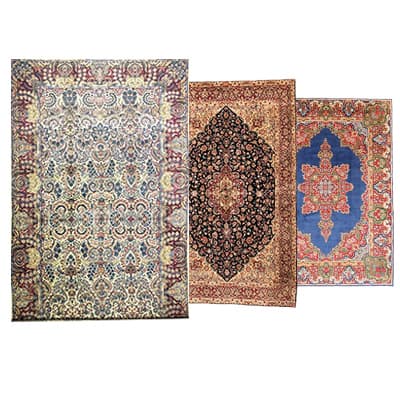 Kerman Persian Rugs
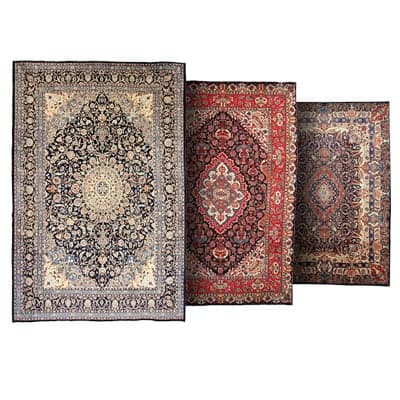 Kashmar Persian Rugs
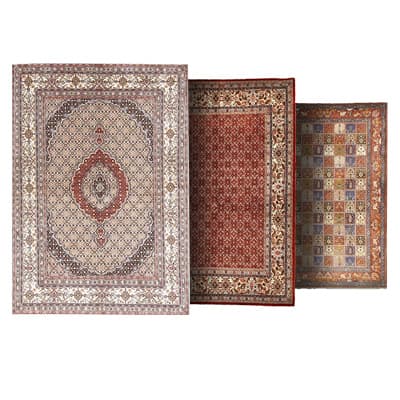 Moud Persian Rugs
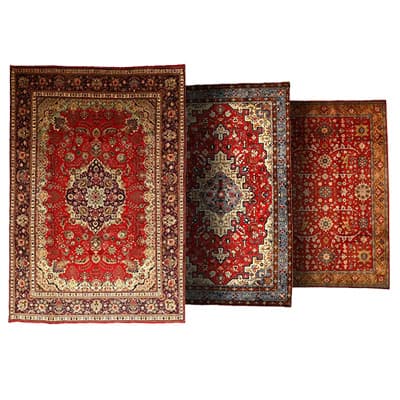 Tabriz Persian Rugs
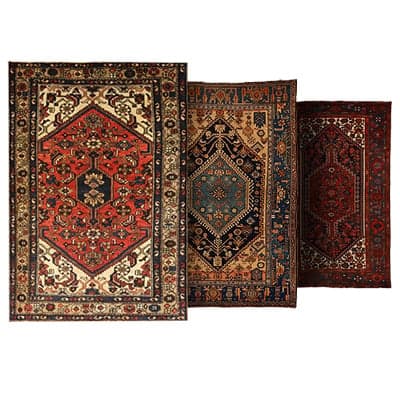 Zanjan Persian Rugs
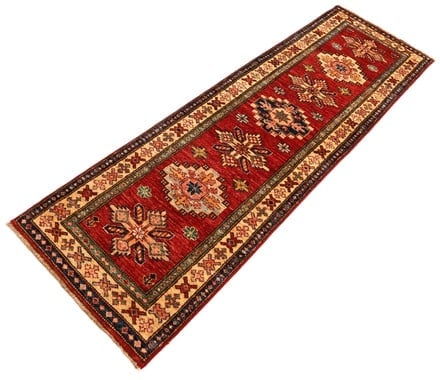
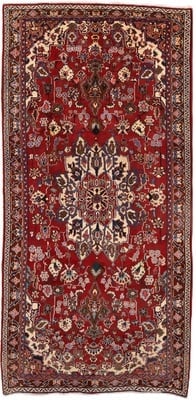
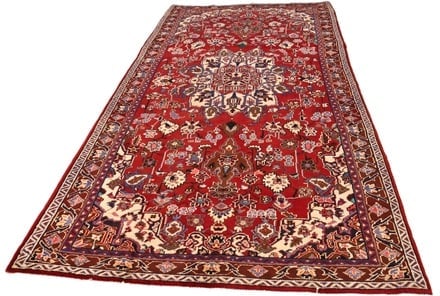
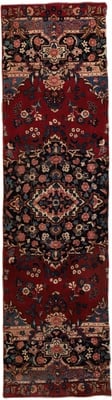
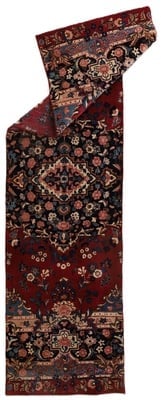
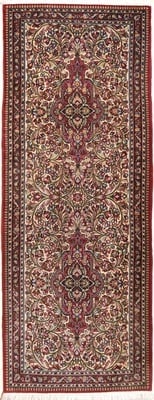
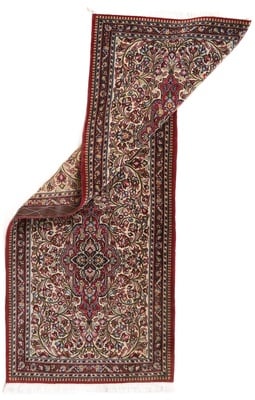
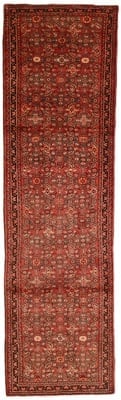
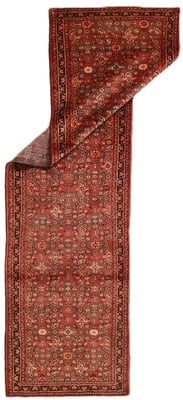
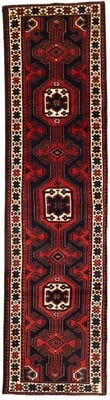
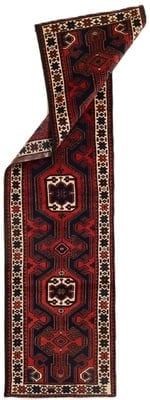
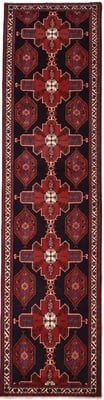
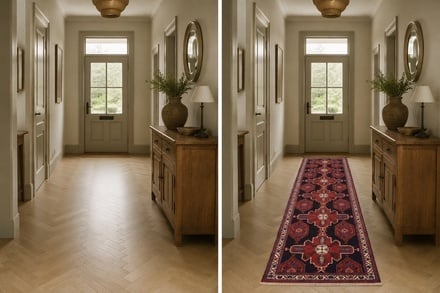
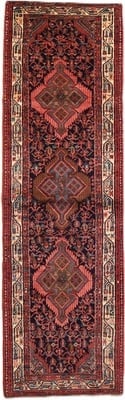
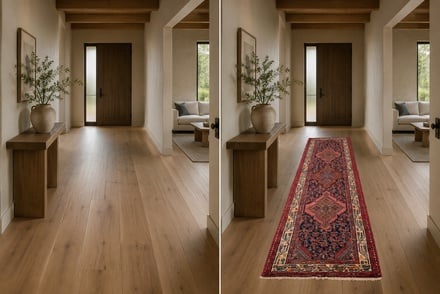
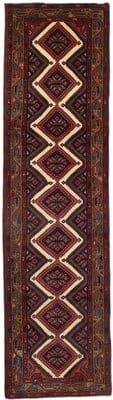
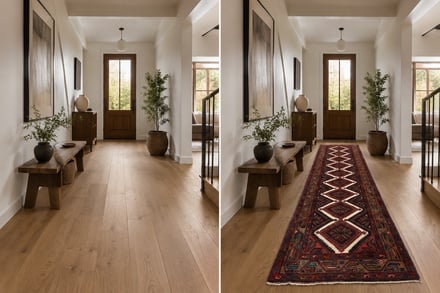
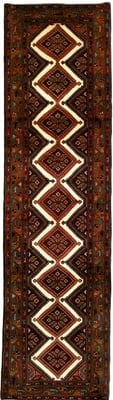
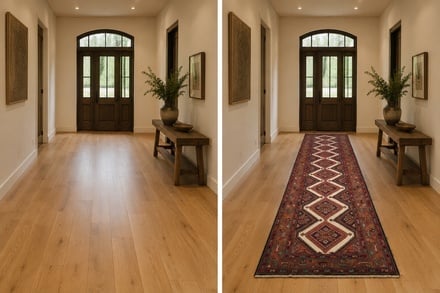
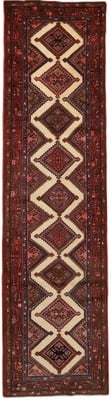
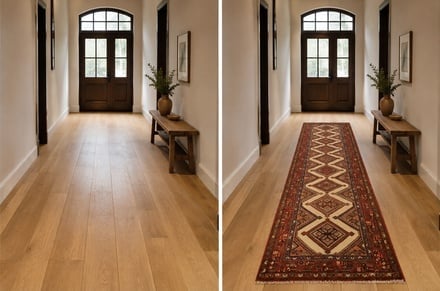
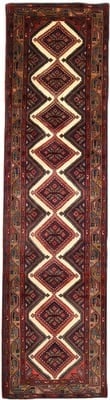
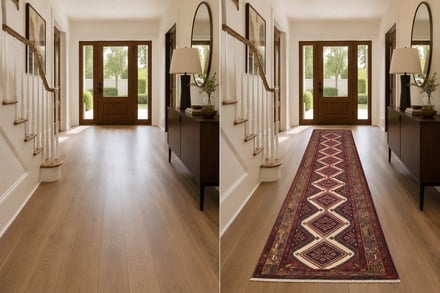
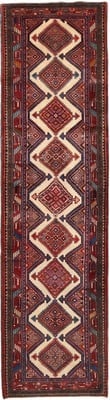
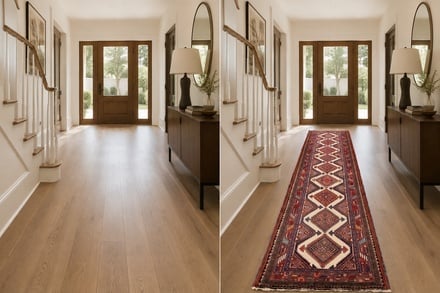
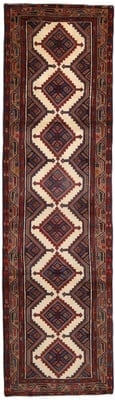
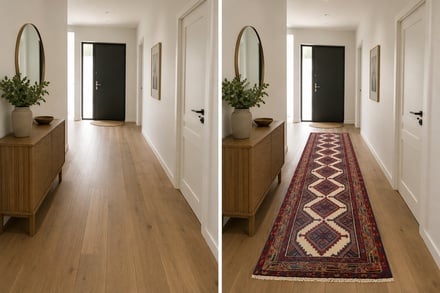
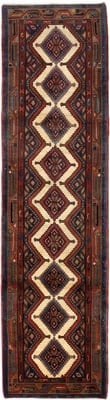
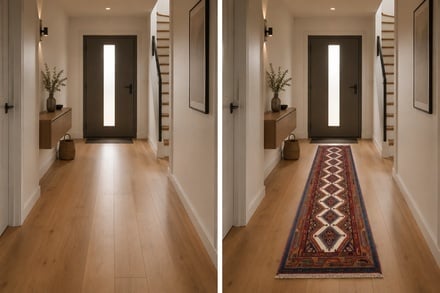
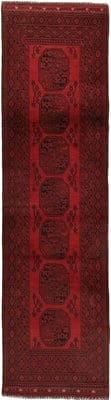
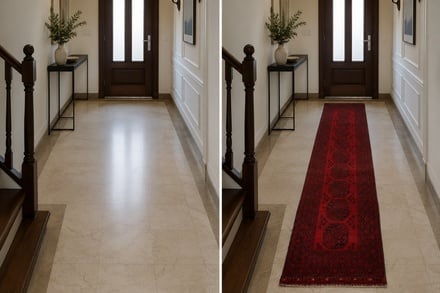
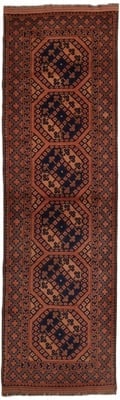
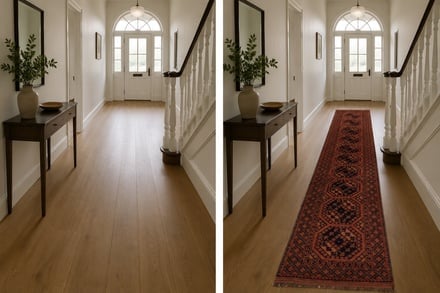
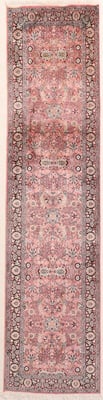
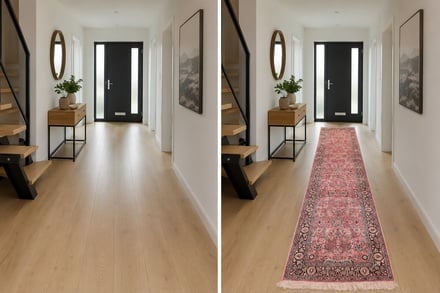
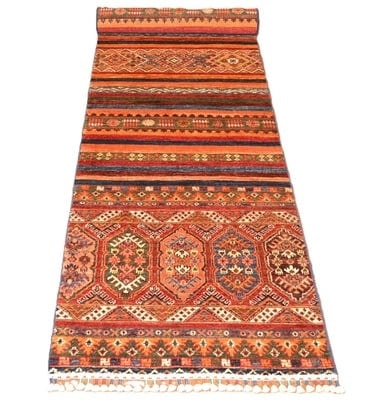
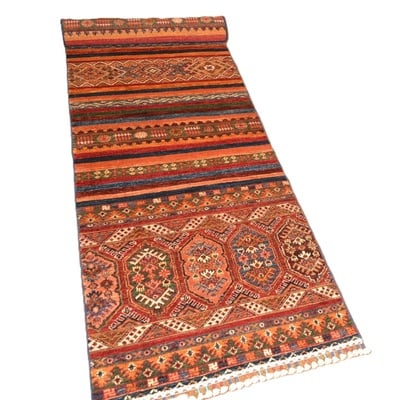
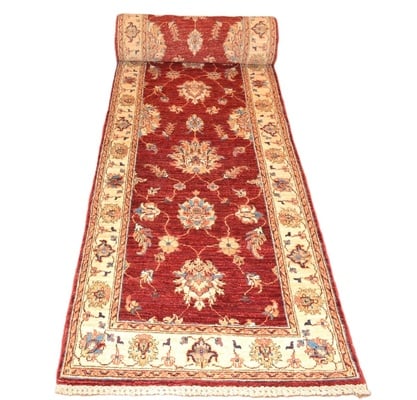
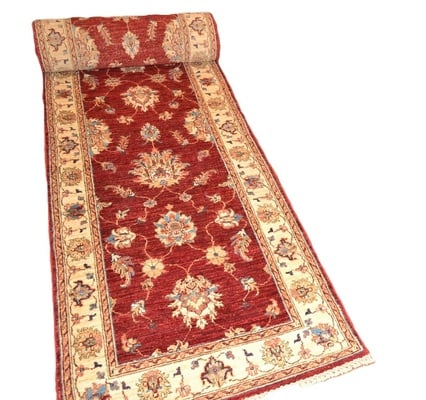
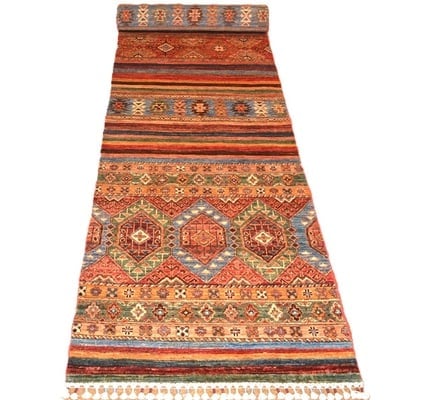
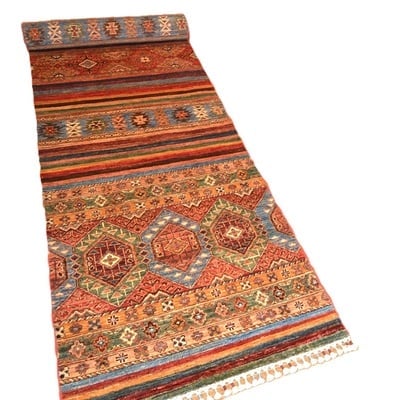
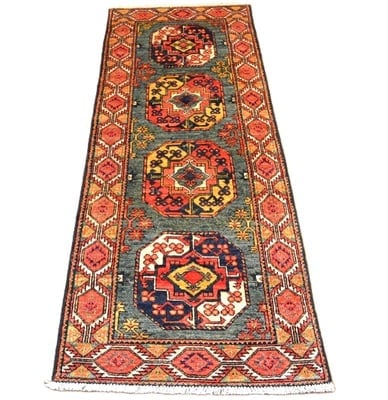
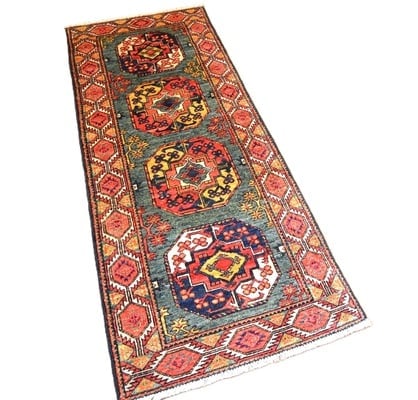
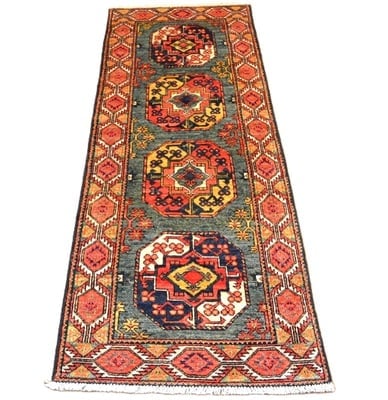
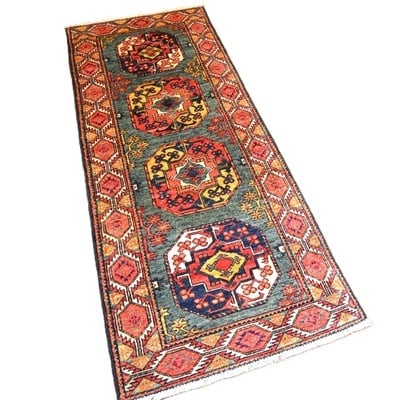
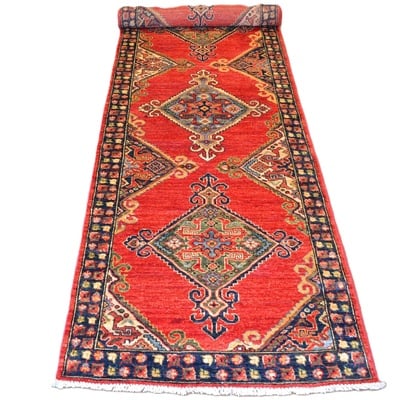
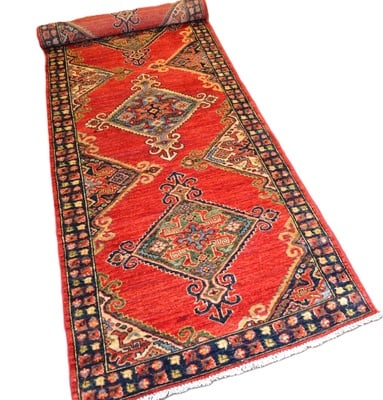
A hand-knotted runner rug is far more than a practical floor covering for heavily trafficked transitional zones. In sophisticated residential architecture, an elongated carpet acts as the defining visual spine of grand entryways, slender hallways, expansive gallery corridors, and stately staircases. It unifies adjoining spaces, draws the eye smoothly along sightlines, and infuses cold, echo-prone corridors with genuine acoustic quiet and historic dignity.
Discerning homeowners seeking an authentic Persian or oriental runner in a slender format invest in an uncompromising synthesis of artisanal mastery, rigid structural balance, and natural fiber elasticity. At RugEast.com—the curated digital gallery of the historic Hamburg-based Bidabadi GmbH—we present an exceptional collection of authentic, hand-knotted hallway runners. Direct from celebrated master ateliers across the East to your doorstep, our runners add depth to both minimalist architectural lofts and classical villas, seamlessly complementing our wider collection of fine oriental carpets.
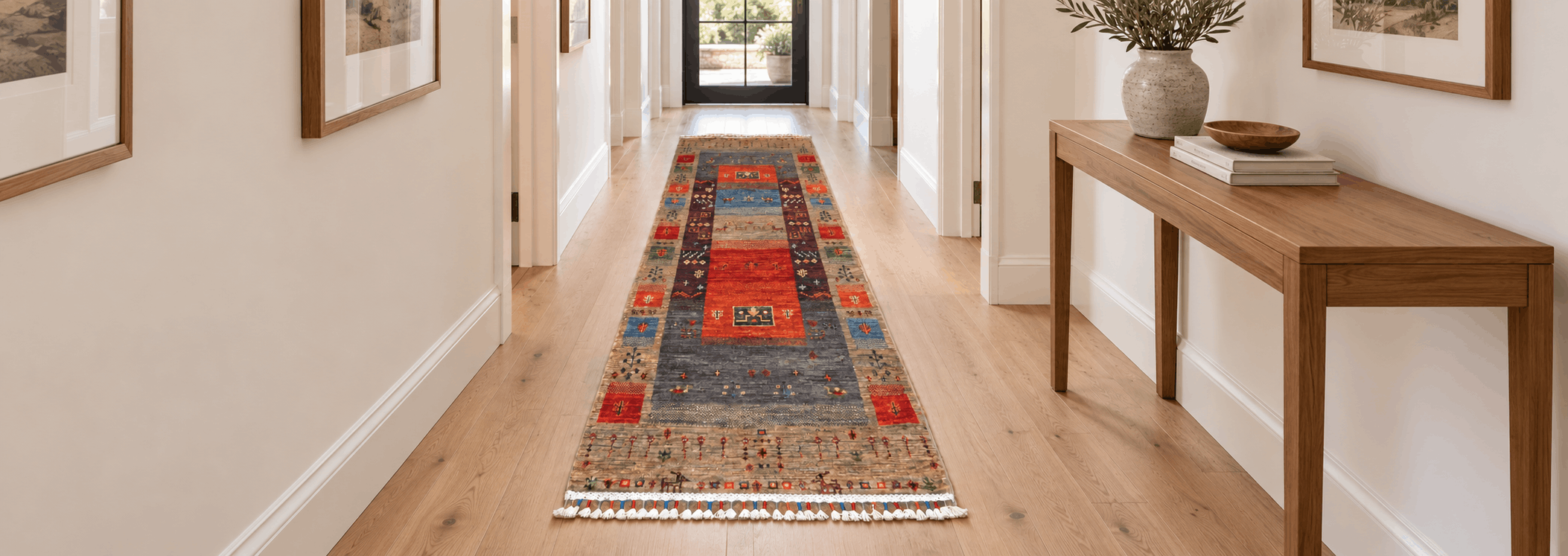
Architecturally, long corridors and entry foyers represent some of the most demanding interior zones. Dominated by hard reflecting surfaces such as polished hardwood, natural slate, or cold porcelain tile, these areas often suffer from harsh acoustic bounce and a barren, tunnel-like impression. A dense, hand-woven hallway runner rug counters this sensory emptiness by absorbing footfall vibrations and ambient echoes by up to 25 to 30 decibels.
Moreover, the elongated proportions of a runner (typically hand-woven in aspect ratios ranging from 1:3 up to 1:8) create dynamic interior rhythm. Rather than letting the hallway remain a neglected passageway, a runner transforms it into a grand promenade. Its recurring geometric medallions or continuous floral vine-scrolls frame the flooring, creating a layered, deliberate luxury that protects valuable subflooring while ensuring steady, non-slip traction underfoot.
Because a runner carpet endures thousands of footsteps each week, its structural construction must meet standards far beyond those of static accent rugs. At RugEast, we refuse machine-tufted substitutes or glued chemical backings. The enduring performance of our runners is anchored in organic materials and time-honored weaving physics:
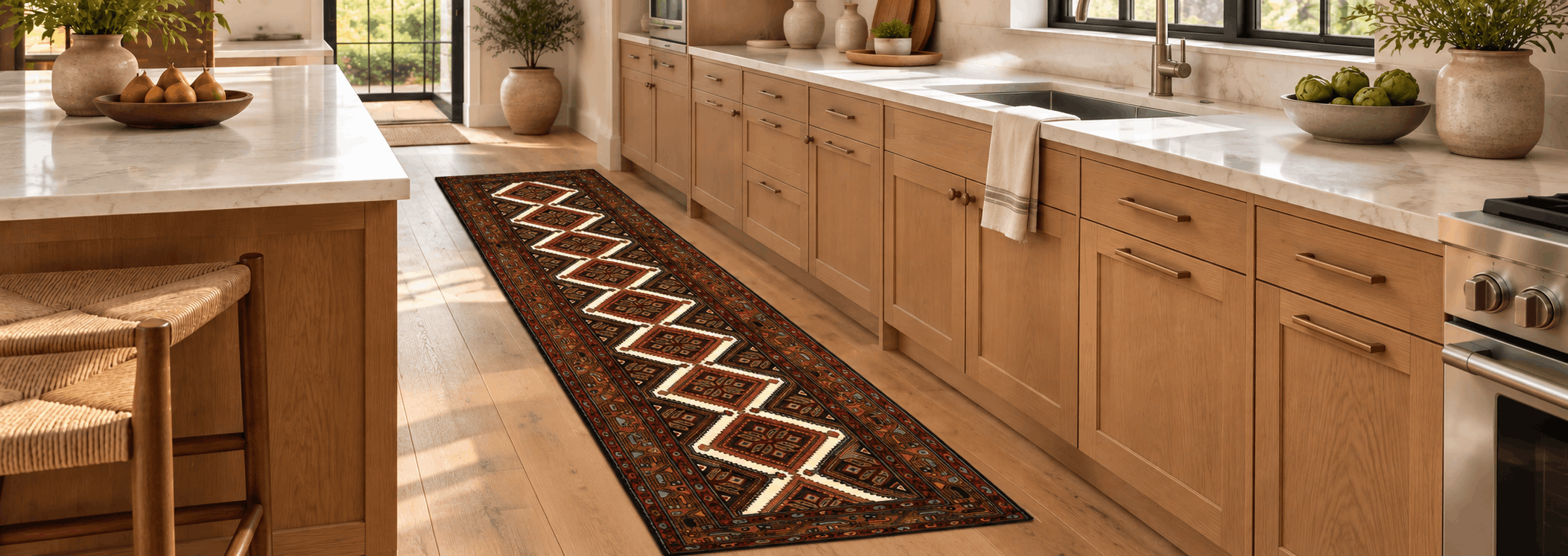
Your entryway defines the initial impression of your home. For high-velocity thoroughfares, we advise extraordinarily dense weaves such as Kurdish Bidjar—renowned throughout the East as the "Iron Rug of Persia"—or robust Keshan runners.
Their heavily pounded wefts form an impervious, pebble-dense pile that effortlessly shields against street moisture and everyday grit without fiber matting.
Framing a bed with plush cork-wool runners transforms the tactile start to your day with soft thermal warmth underfoot.
Placed along bespoke wardrobes, private dressing suites, or reading alcoves, silk-highlighted runners dampen morning footsteps and establish an intimate, sanctuary-like atmosphere.
Every genuine hand-knotted runner reflects the geography, loom technology, and cultural narrative of its weaving center. When selecting a premier hallway carpet, you can explore diverse artistic traditions:
Characterized by serene ivory, soft ecru, and royal cobalt blue borders, our hand-selected Nain rugs in runner dimensions are revered for illuminating narrow spaces. They complement light Scandinavian decor, pale Italian travertine, and sleek contemporary cabinetry.
For admirers of rhythmic stepped diamonds, stylized wildlife motifs, and natural abrash color shifts, our authentic Qashqai carpets and Hamadan village runners provide immediate visual warmth. Colored with boiled walnut husks, wild madder root, and pomegranate rinds, they harmonize with exposed brick and rustic reclaimed wood.
Refined urban court workshops execute runners with razor-sharp geometric precision (often exceeding 50 Raj or 350,000 knots/m²). Their majestic border sequences effortlessly link entry hallways with palatial living room rugs.
The dated misconception that traditional oriental runners only belong in antique-laden environments has been thoroughly discarded by modern interior architects. Leading design studios routinely introduce richly textured, jewel-toned runner rugs as an organic counterweight to minimalist exposed concrete, black structural steel, and glass partitions.
The Golden Measurement Rule: A runner carpet should never sit flush against the skirting boards. To preserve balanced visual proportions and keep the hallway feeling open, maintain 15 to 25 cm of exposed floor (parquet, stone, or tile) on both sides of the runner. At the ends, allow 30 to 50 cm of breathing room from doors and entry thresholds. Standard widths vary between 70 and 110 cm, while lengths can extend from 200 cm up to over 600 cm for grand gallery halls.
Hand-knotted rugs are remarkably self-sustaining thanks to pure unstripped wool fat. Simple, disciplined care ensures your runner retains its supple handle and color brilliance for decades:
RugEast is the direct online presence of Bidabadi GmbH, an established authority headquartered in the historic Speicherstadt of Hamburg, Germany. Sourcing directly from regional master weavers without middleman markups, we deliver museum-grade authenticity, transparent trade practices, and fair pricing directly to European collectors.
1. What are the ideal dimensions for a hallway runner?
A runner rug should visually elongate the corridor without crowding the architecture. Maintain roughly 15 to 20 cm of visible floor on each side between the rug edges and the baseboard, and 30 to 50 cm at each end. Standard widths span 70 to 110 cm, while lengths range flexibly from 2 meters to over 6 meters.
2. Do I need a non-slip pad beneath a hand-knotted runner?
Yes, particularly over polished hardwood, laminate, or tile. A high-grade non-slip rug pad locks the runner firmly in place, prevents accidental shifting or bunching, shields the floor finish from frictional abrasion, and provides additional underfoot cushioning.
3. Are oriental runner rugs suitable for floors with radiant heating?
Exceptionally so. True hand-knotted oriental runners are composed entirely of pure sheep wool and unbleached cotton warp/wefts without synthetic latex backing or glue layers. Heat passes through the porous natural fibers smoothly without damaging the foundation or creating chemical odors.
4. What differentiates an antique runner from contemporary knottings?
Antique runners (aged 70 to 100+ years) showcase organic vegetal dyes that have softened over decades into a rich, irreplaceable patina, making them prized collectible assets. Contemporary hand-knotted runners deliver pristine symmetry and updated color palettes tailored specifically for modern interior spaces.
5. Can a hand-knotted runner rug be installed on a staircase?
Yes. Tightly woven provenances such as Bidjar or heavy Keshan make magnificent stair runners. Installed using classic stair rods or specialist under-tread brackets, their dense wool pile dampens step noise while safeguarding wooden tread edges against abrasive footwear.
6. Where can I buy authentic, hand-knotted runner rugs online?
Directly at RugEast.com. Benefit from decades of importing expertise via Bidabadi GmbH in Hamburg, wholesale importer pricing, certified authenticity, and complimentary insured delivery across Europe with an unconditional 31-day return policy.
Give your hallways, corridors, and transitional suites the warmth, architectural structure, and timeless elegance they deserve. Browse our curated collection of authentic runner rugs at RugEast.com. Select your individual masterpiece and take advantage of direct importer pricing, an official certificate of origin, and free, fully insured delivery throughout Europe with a 31-day satisfaction guarantee.