
Rugeast
Since 1921
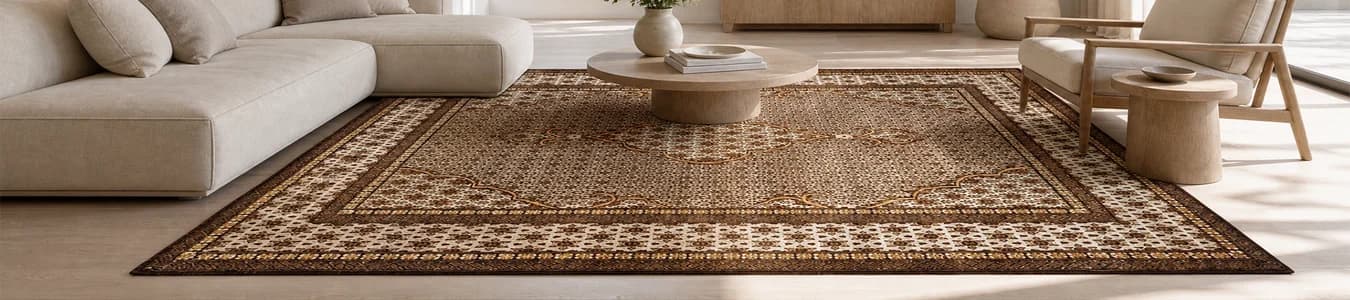
Ghom Persian rugs — produced in the sacred city of Qom south of Tehran — represent the highest tier of Persian rug artistry, revered for an extraordinary knotting density, flawless curvilinear detail, and a collector-level prestige that is unmatched in the world of oriental rugs.
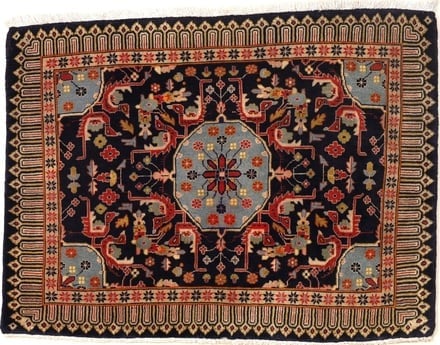
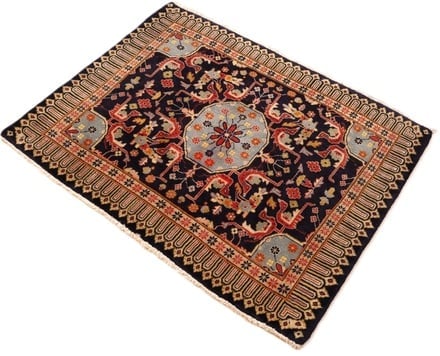
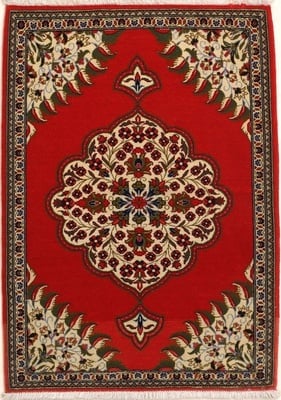
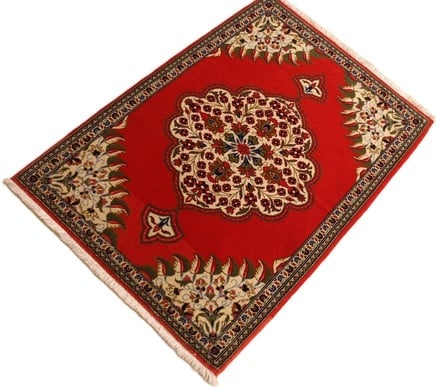
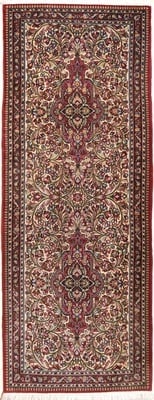
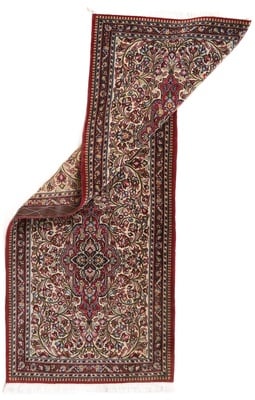
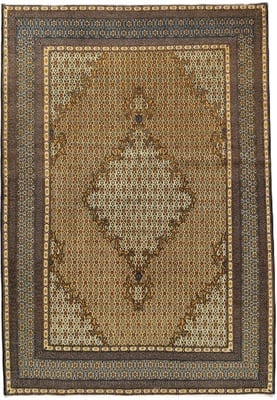

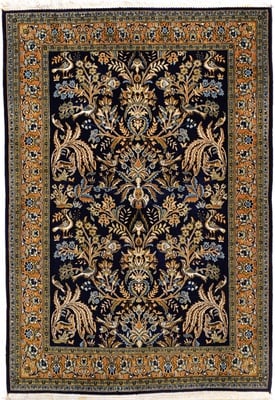
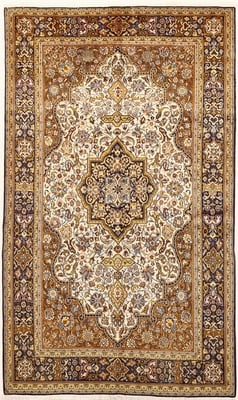

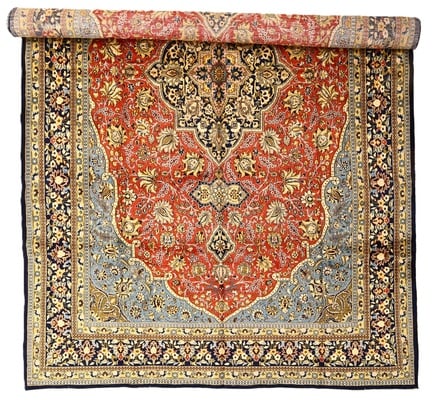

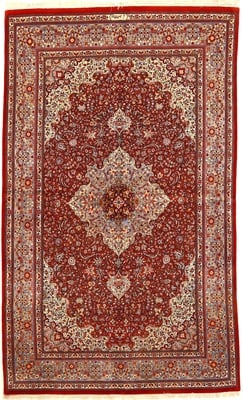
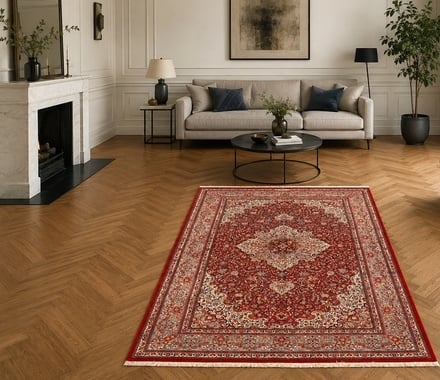
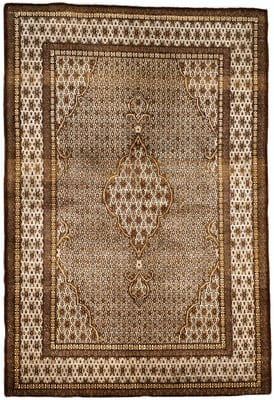
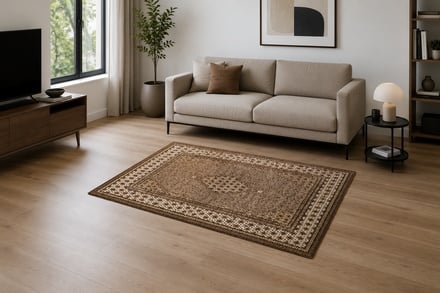
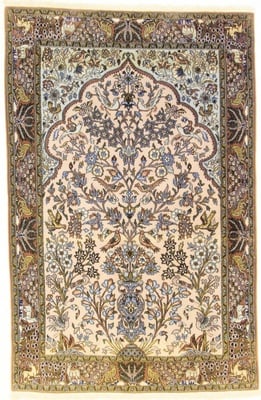
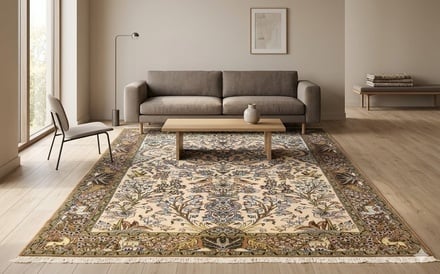
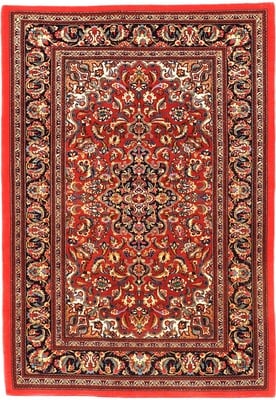
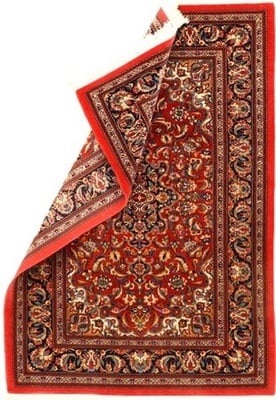
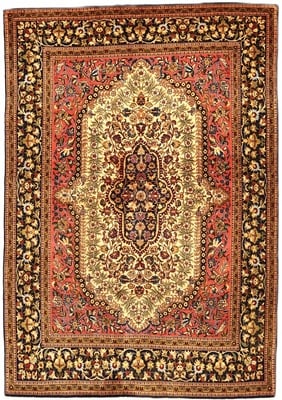
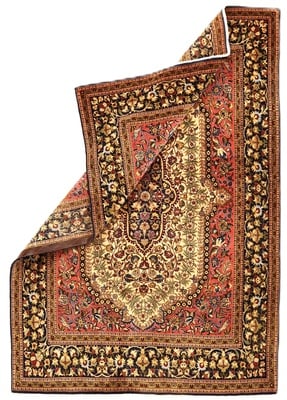
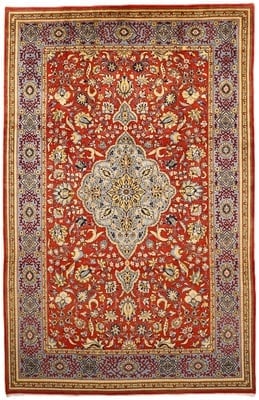
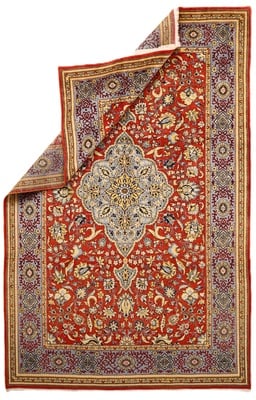
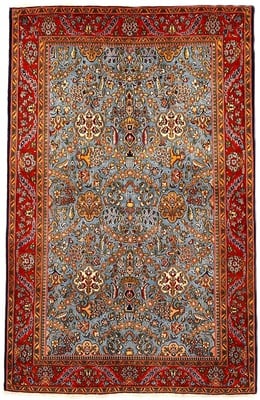
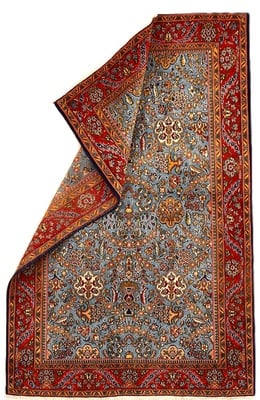
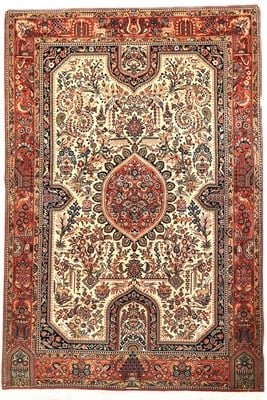
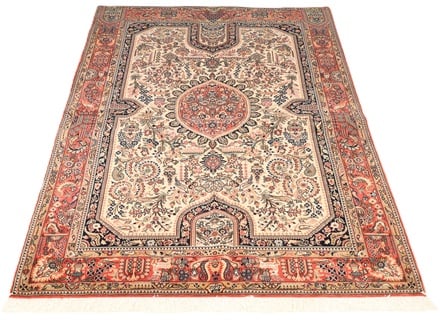
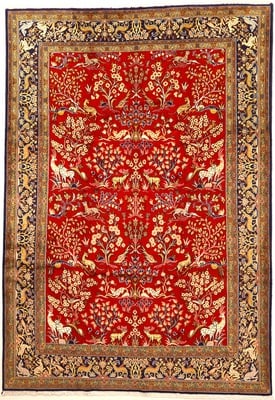
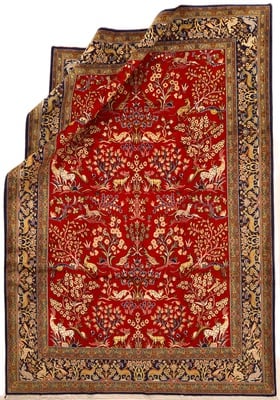
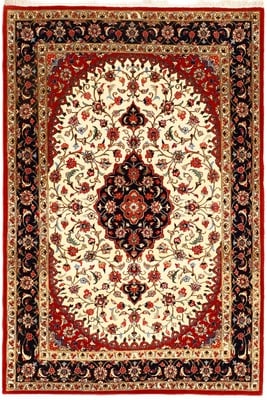
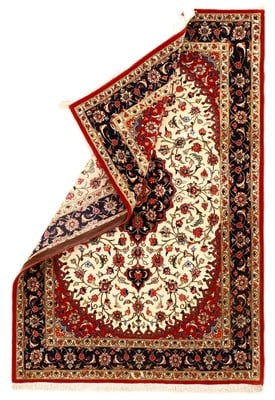
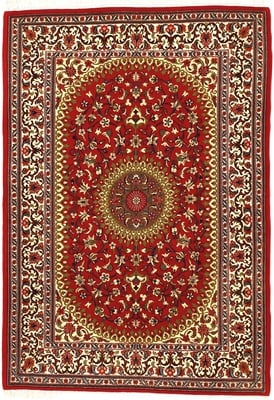
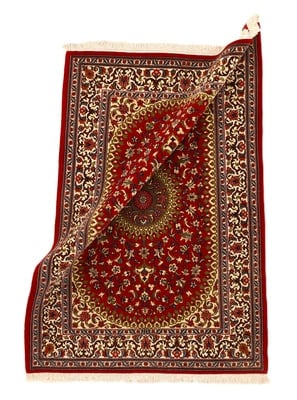
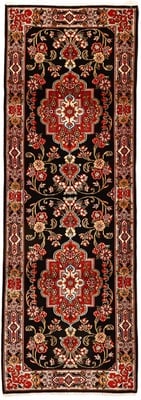
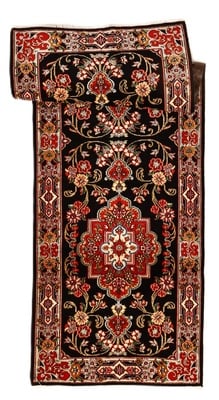
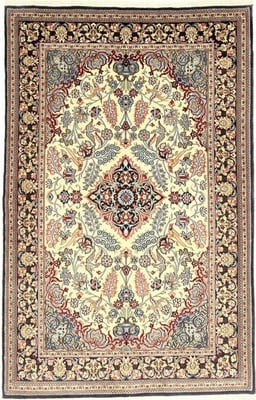
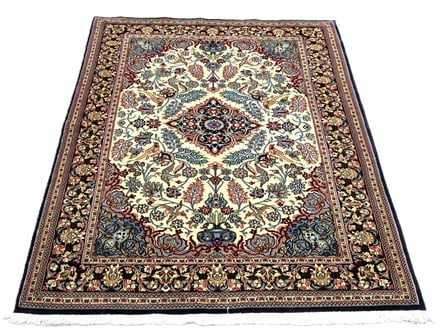
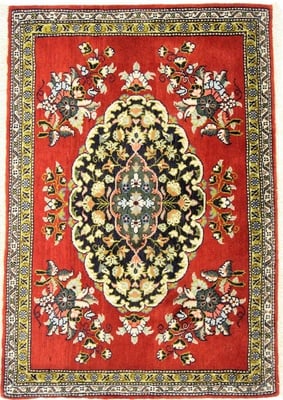
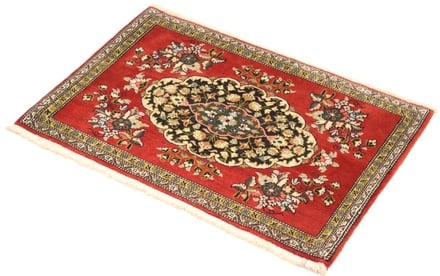
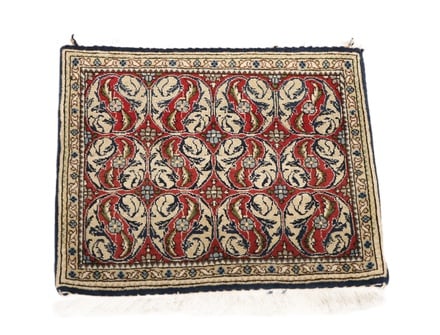
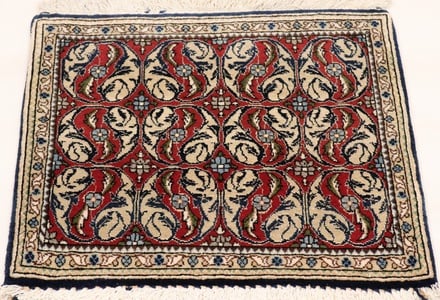
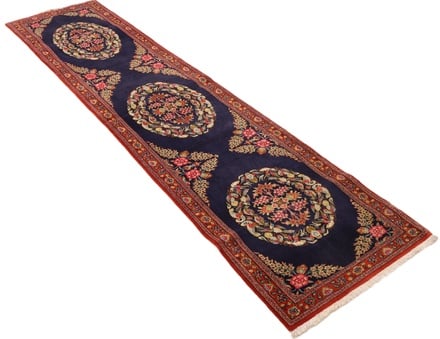
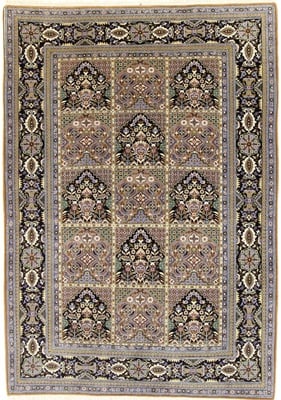
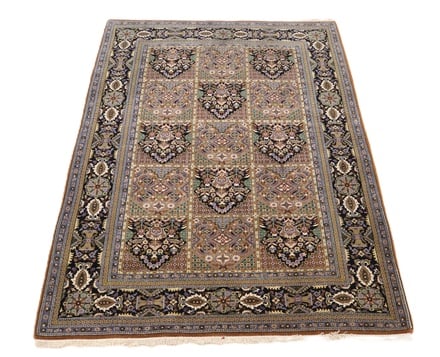
The exquisite Ghom handwoven carpets (frequently transliterated as Qum or Qom) represent the apex of luxury in the world of Persian textile art. While traditional rug-making centers in Persia trace their lineages across centuries of tribal customs, the holy oasis city of Ghom pioneered an extraordinary mid-20th-century artistic revolution. By combining high-tensile natural mulberry silk with unprecedented knotting precision, master ateliers in Ghom elevated the craft into museum-grade fine art. Today, an authentic hand-knotted Ghom silk carpet is celebrated worldwide not merely as an exquisite floor covering, but as a light-capturing tapestry and a prime alternative investment.
Whether you are an experienced collector seeking a signed masterwork (*Ustad*) or an interior designer searching for a peerless statement piece, navigating the market for Ghom carpets requires a deep understanding of fiber grades, knot densities, and iconic motifs. This comprehensive guide covers everything you need to know about provenance, valuation, and authentication.
Unlike nomadic or rural traditions where weaving emerged as an informal domestic necessity, Ghom's carpet industry was born directly as a deliberate urban craft during the late 1920s and early 1930s. Master weavers from the storied workshops of Kashan and Isfahan migrated to Ghom, bringing along sophisticated upright vertical looms and refined knowledge of the asymmetric Persian knot (Senneh or Farsibaf).
Initially, Ghom weavers worked with robust regional wools. However, unbound by rigid tribal dogmas, the artisans possessed unprecedented creative freedom. They rapidly began experimenting with all-silk foundations—weaving both warp, weft, and pile from pure natural silk (known in Iran as Ghom Abrisham). By the mid-20th century, Ghom had secured international acclaim at European exhibitions, distinguishing itself by producing carpets with such tight structural alignment and uniform symmetry that they challenged the visual precision of fine paintings.
Today, genuine Ghom handwoven carpets represent the premier echelon of classic Oriental carpets, combining cultural reverence with contemporary design versatility.
The technical superiority of a Ghom carpet lies in its micro-knotting capabilities and uncompromising raw materials:
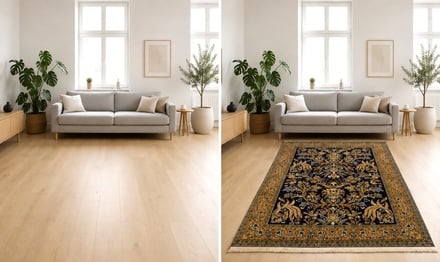
Pure silk Ghom rugs shine as wall hangings or in intimate sitting areas. For high-foot-traffic areas, pairing them with robust wool foundations is ideal.
Explore our curated living room rugs for central lounges or low-pile dining room carpets engineered for dining furniture setups.
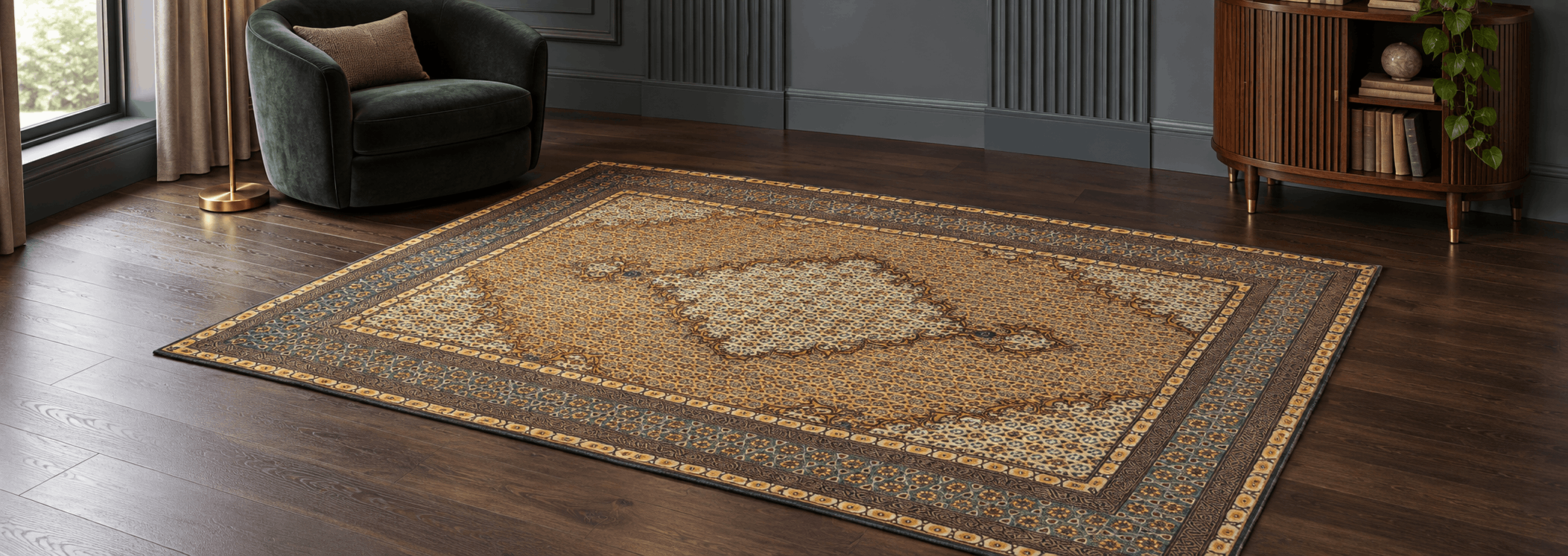
Rather than being confined to a single regional style, Ghom designers synthesize the most complex aesthetic traditions of Persia, infusing them with innovative compositions and modern palettes:
Due to the premium market value of Ghom silks, mass-produced synthetic replicas (often made of viscose, rayon, or synthetic polyester) frequently enter global retail. Discerning collectors look for several clear structural differences:
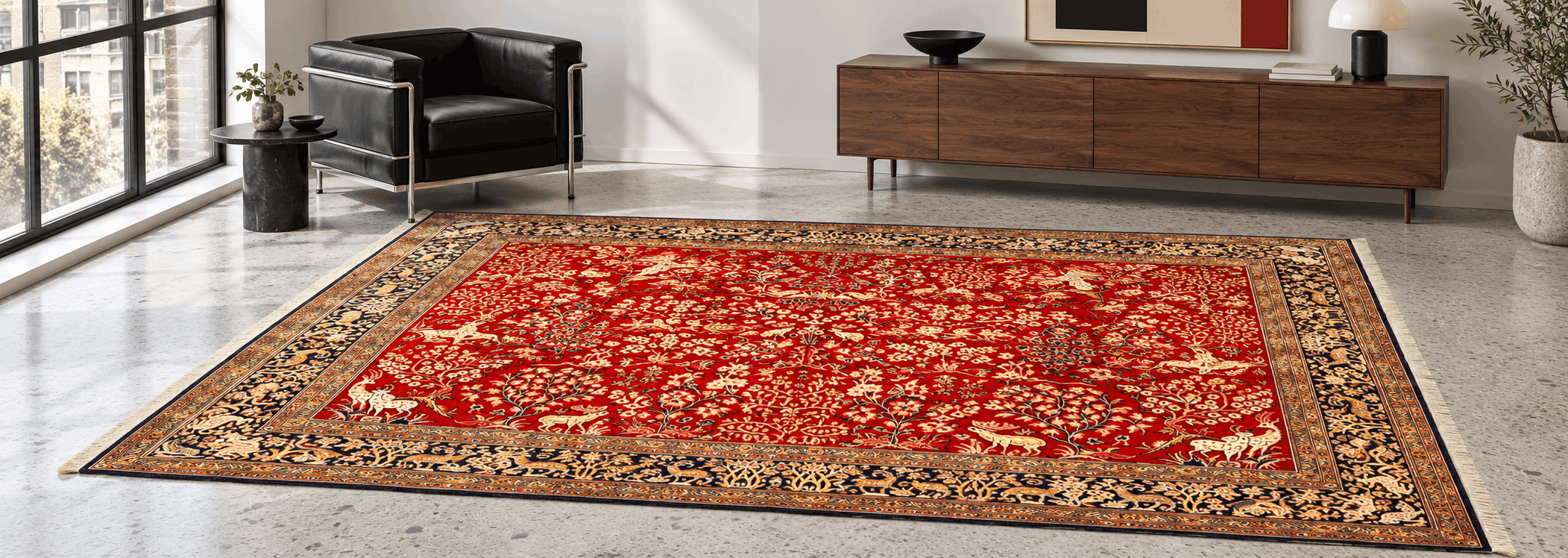
In Ghom's historic workshops, post-weaving valuations are traditionally guided by a master appraisal council (historically termed the Mazd Council), ensuring that weavers receive compensation that accurately reflects knotting difficulty, thread delicacy, and compositional mastery.
In today's international market, Ghom handwoven carpet prices are guided by three objective parameters:
Although natural silk fibers are remarkably durable under tensile stress, their delicate pile structure requires mindful maintenance to retain its signature luster:
Ghom carpets are distinguished by their extensive use of 100% pure mulberry silk for the warp, weft, and pile, paired with exceptional knot densities (often exceeding 800,000 to 1,200,000 knots/m²). This enables jewel-like precision, dynamic light reflection, and sharp curvilinear patterns.
Both applications are common. Due to their fine knotting and artistic detail, many owners frame or hang Ghom silk rugs as wall tapestries. However, because natural silk is exceptionally strong, they can also be used as floor accents in low-traffic areas like bedrooms, private salons, and executive studies.
Inspect the back of the carpet for clear knot structure and continuous fringes that emerge naturally from the foundation rather than being sewn on. Look for woven master signatures along the border, and always request an official Certificate of Origin from a reputable merchant like RugEast.
Yes. RugEast provides fully insured, trackable white-glove shipping to collectors and designers across North America, the European Union, the United Kingdom, and Switzerland, complete with all necessary customs and provenance documentation.
Investing in a genuine Ghom handwoven carpet brings timeless sophistication, peerless silk artistry, and enduring value into your interior. Explore RugEast's curated portfolio to find a masterwork that elevates your home into a gallery of classical Persian beauty.
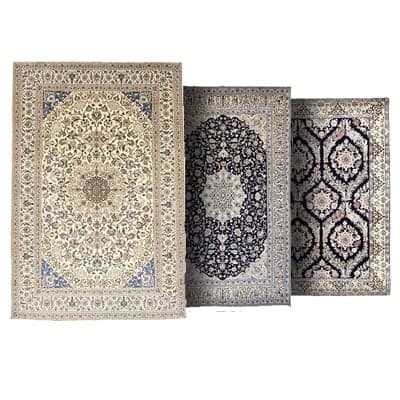 Nain Persian Rugs
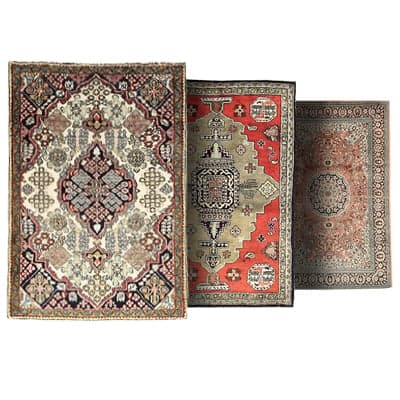 Luxury Silk Rugs
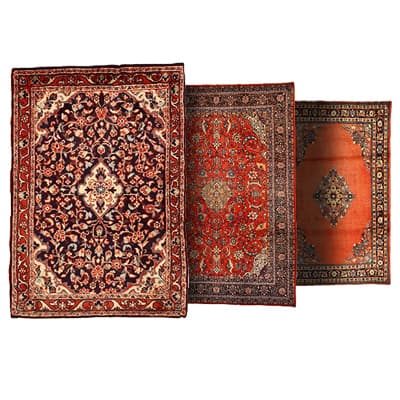 Sarough Persian Rugs
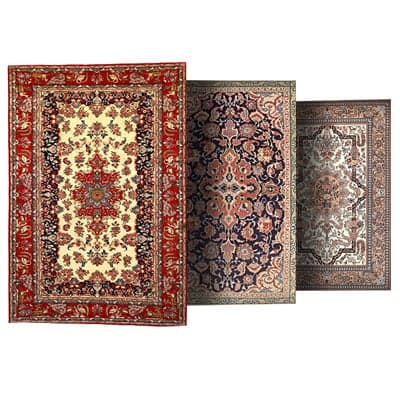 Isfahan Persian Rugs
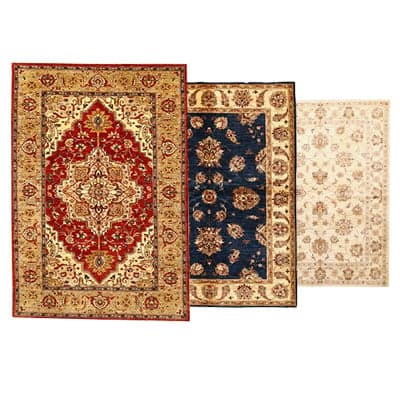 Ziegler & Kazak Rugs
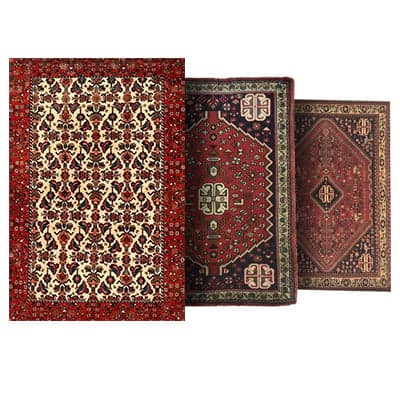 Abadeh Persian Rugs
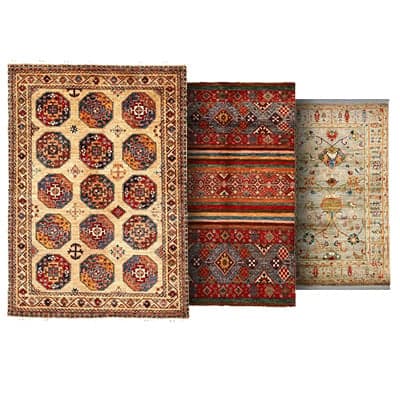 Afghan & Pakistani Rugs
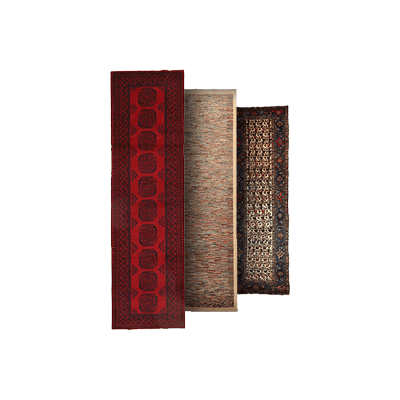 Runners Rugs
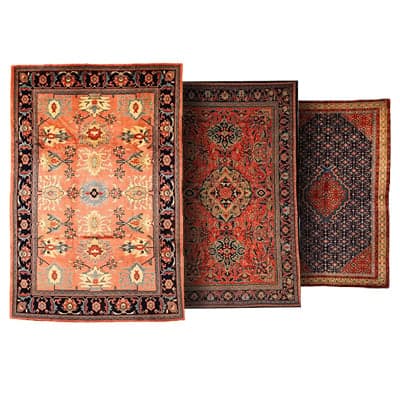 Ardebil Persian Rugs
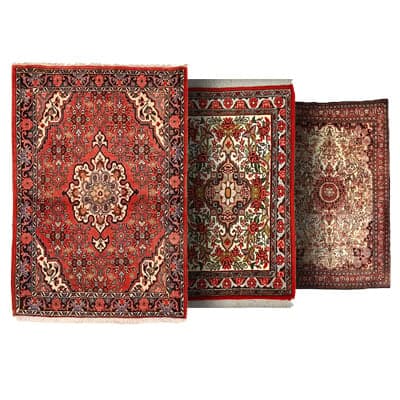 Bidjar Persian Rugs
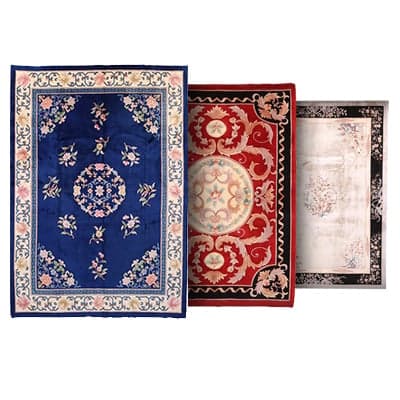 Chinese Rugs & Carpets
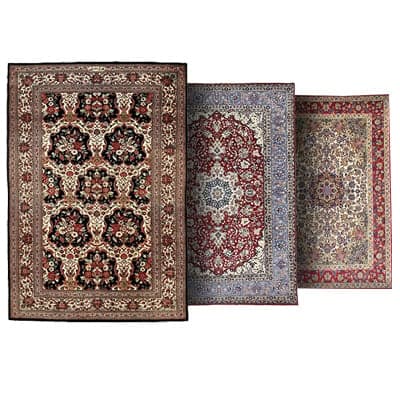 Exclusive Premium Carpets
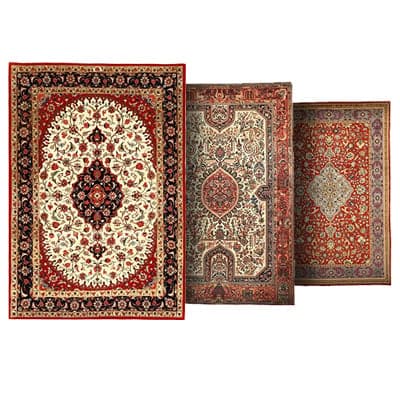 Ghom Persian Rugs
 Indian Carpets & Rugs
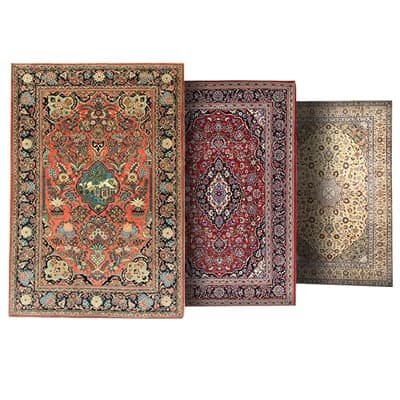 Kashan Persian Rugs
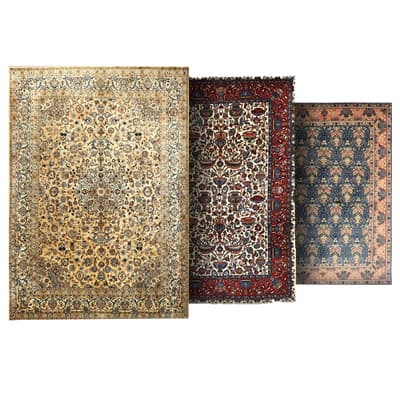 Mashhad Persian Rugs
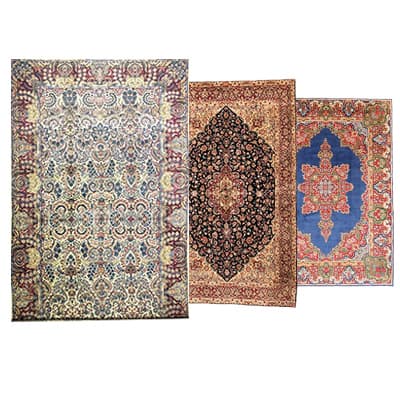 Kerman Persian Rugs
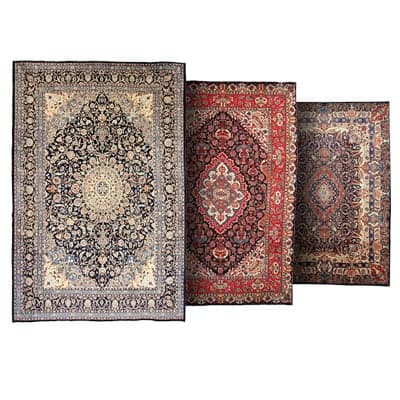 Kashmar Persian Rugs
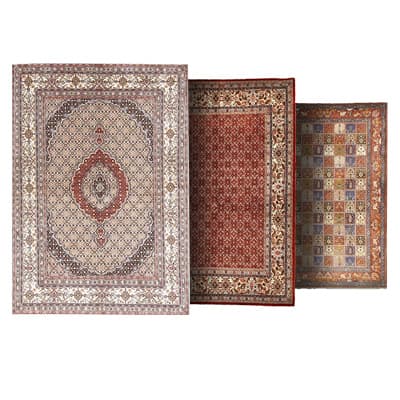 Moud Persian Rugs
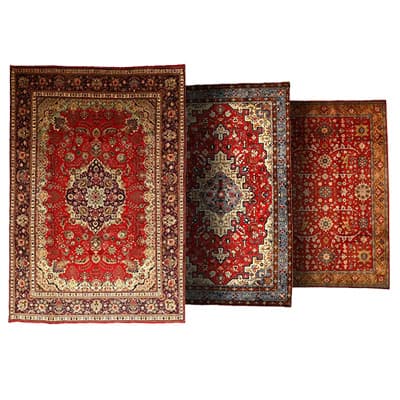 Tabriz Persian Rugs
 Zanjan Persian Rugs