
Rugeast
Since 1921

Moud Persian rugs from the Birjand district of south Khorasan, Iran, are prized for their fine detailing, delicate herati and floral motifs, and warm earthy natural tones — a quietly distinguished choice that brings understated Persian elegance to any interior.
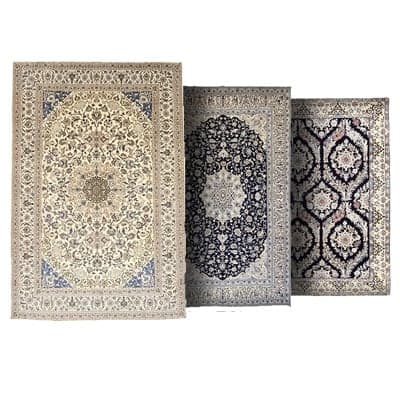 Nain Persian Rugs
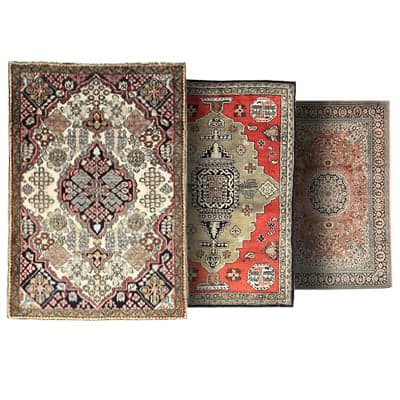 Luxury Silk Rugs
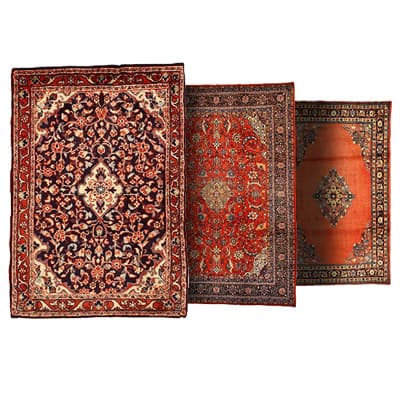 Sarough Persian Rugs
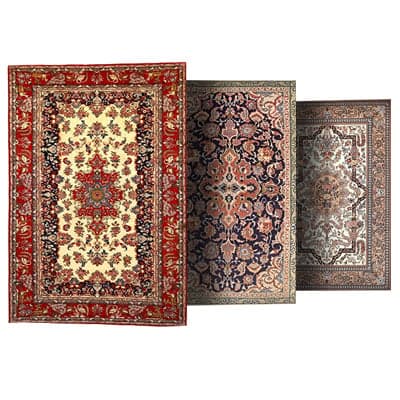 Isfahan Persian Rugs
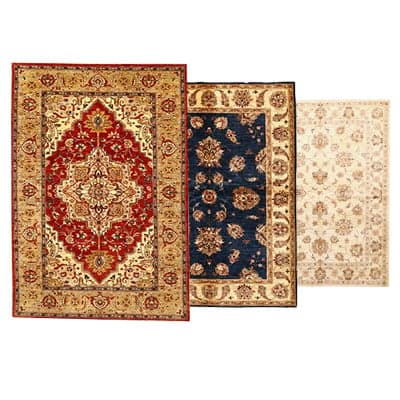 Ziegler & Kazak Rugs
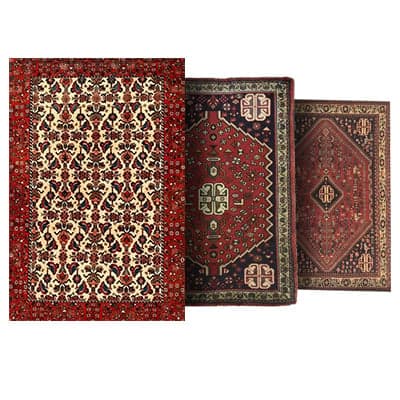 Abadeh Persian Rugs
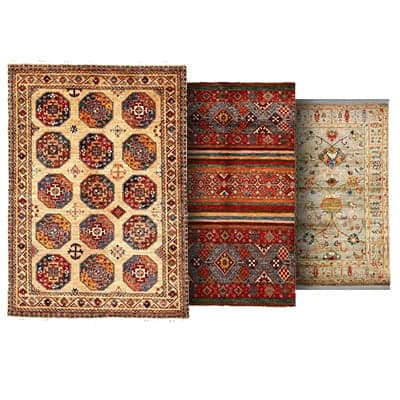 Afghan & Pakistani Rugs
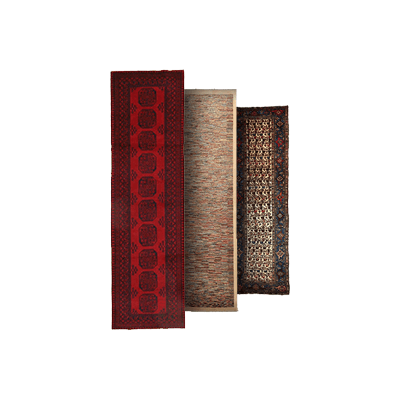 Runners Rugs
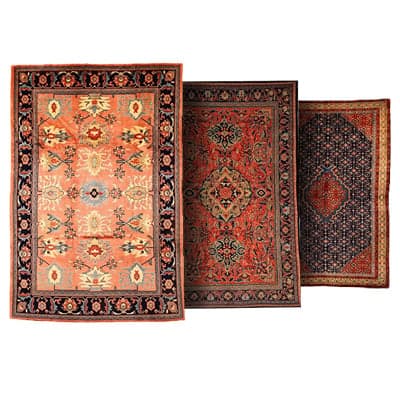 Ardebil Persian Rugs
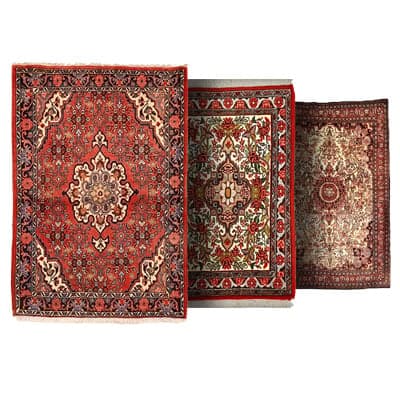 Bidjar Persian Rugs
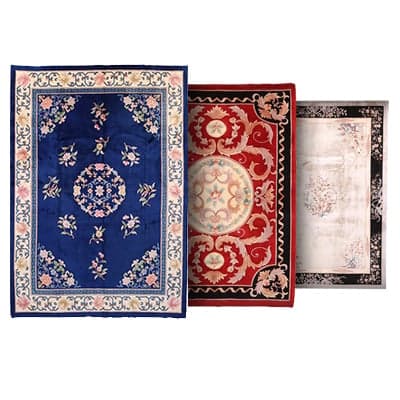 Chinese Rugs & Carpets
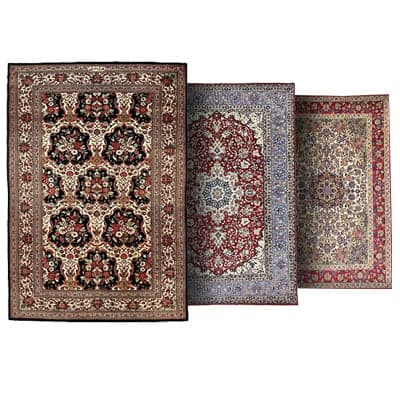 Exclusive Premium Carpets
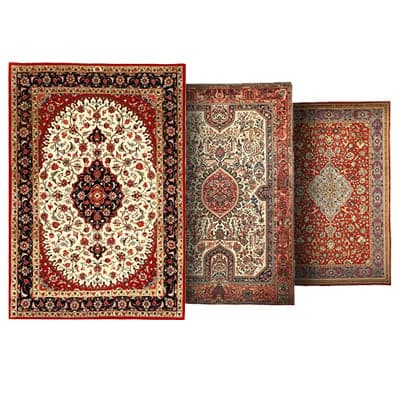 Ghom Persian Rugs
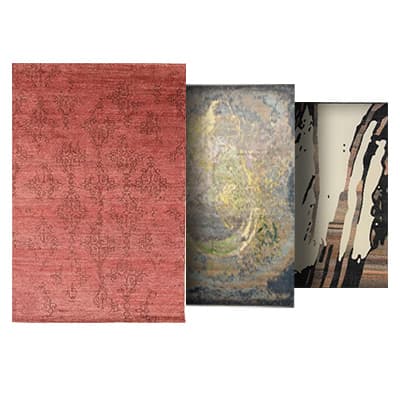 Indian Carpets & Rugs
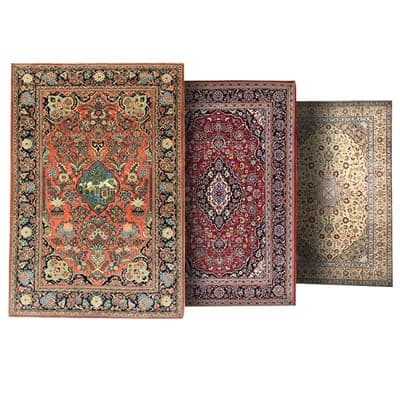 Kashan Persian Rugs
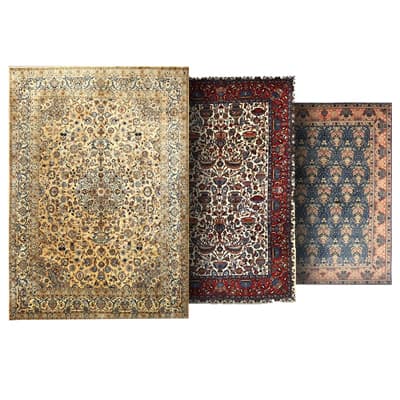 Mashhad Persian Rugs
 Kerman Persian Rugs
 Kashmar Persian Rugs
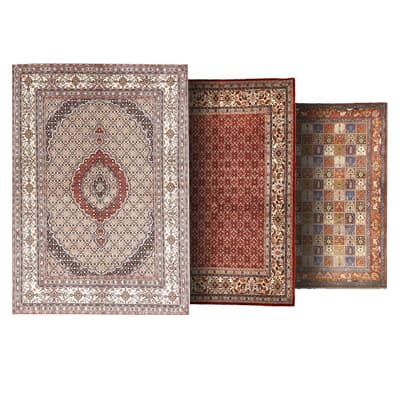 Moud Persian Rugs
 Tabriz Persian Rugs
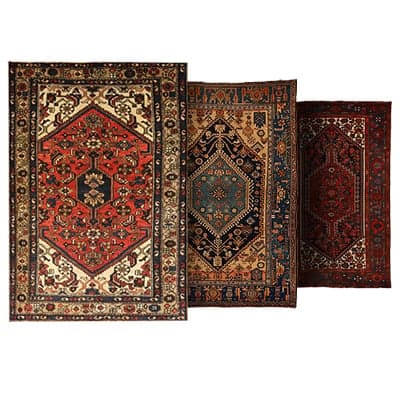 Zanjan Persian Rugs
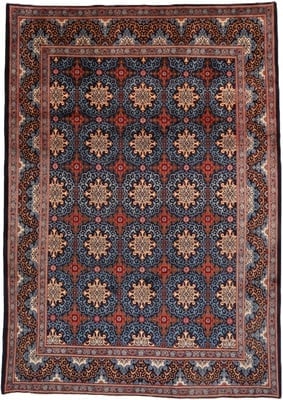
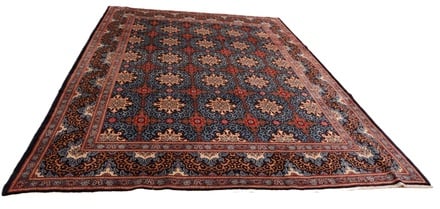
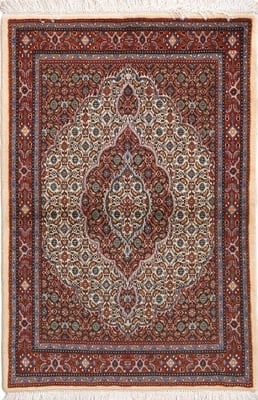
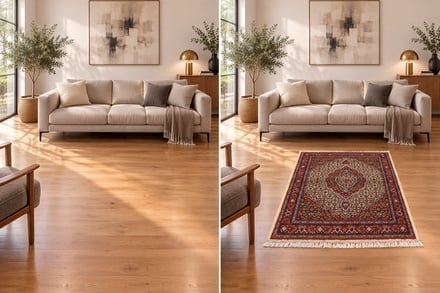
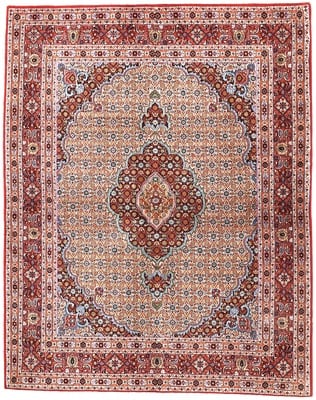
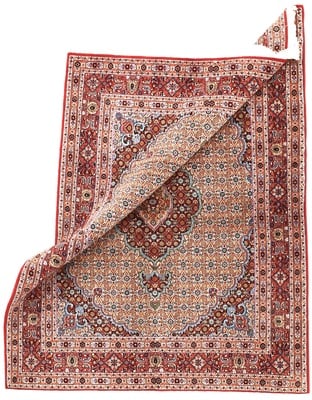


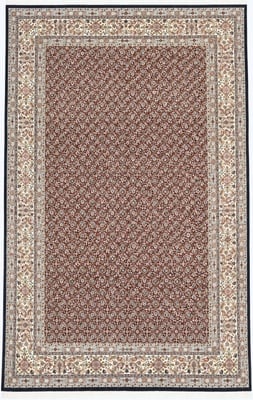


A genuine hand-knotted Birjand carpet or Moud carpet represents the pinnacle of classical Persian craftsmanship from Eastern Iran. Originating in the arid highlands of South Khorasan near the ancient Silk Road corridors, these weavings are renowned for their geometric precision, balanced color palettes, and extraordinary durability. While Birjand serves as the cultural and commercial heart of the region—famed for its resilient wool foundation and intricate medallion layouts—the neighboring weaving town of Moud (often rendered as Mod or Mood) is celebrated for producing some of the world's finest iterations of the iconic Mahi (Herati) pattern, frequently accentuated with lustrous pure silk contours.
Whether your interior calls for a harmonious all-over repeating diamond motif, an architectural Kheshti garden-panel composition, or a dramatic centerpiece medallion, RugEast offers an authentic, curated collection of verified originals directly from Iranian master looms. Explore our wider catalog of authentic Oriental Carpets to discover the enduring grandeur of Persian textile art.
The province of South Khorasan (Khorasan-e Jonubi) spans the dramatic borderlands between the central Iranian desert plateau and the rugged peaks of Western Afghanistan. Its capital, Birjand, flourished as an oasis hub where merchant caravans exchanged raw mountain wool, natural saffron, and mineral pigments. Over the centuries, surrounding agricultural villages—most notably Moud, situated roughly 30 kilometers south, and the historic weaving enclave of Dorokhsh—developed specialized family workshops whose knotting techniques were passed down across generations.
Unlike northern Khorasan ateliers—such as the imperial workshops of Mashhad, celebrated for their heavy, deep-crimson medallions (read more in our guide to Mashhad Carpets)—the artisans of Birjand and Moud favored restrained, earthy palettes. The dry, high-altitude climate yielded an exceptional grade of sheep's wool: dense, lanolin-rich, and resilient against foot traffic, making these carpets beloved by discerning collectors across Europe, particularly among connoisseurs searching for "alfombras persas Birjand" or "tappeti persiani Birjand".
Weavers in Birjand and Moud employ the asymmetrical Persian knot (Senneh / Farsi-Baf) tied around durable cotton warp threads. The rugs feature a double-weft construction: a taut primary weft provides structural rigidity, while a looser secondary sinuous weft locks each row of knots tightly into place.
Fine Moud pieces regularly achieve knot counts between 250 and 450 KPSI (approx. 350,000 to over 650,000 knots/m²), enabling razor-sharp definition in tiny leaf and petal borders.
The visual hallmark of this school is balanced contrast. Warm ivory, light champagne, sand, navy blue, and terracotta form the classic baseline, avoiding harsh synthetic overtones.
Master-grade Moud carpets frequently integrate natural silk contours (Abrisham). By outlining floral margins with silk thread, the motif shimmers subtly under ambient light while the surrounding wool remains calm and grounded.
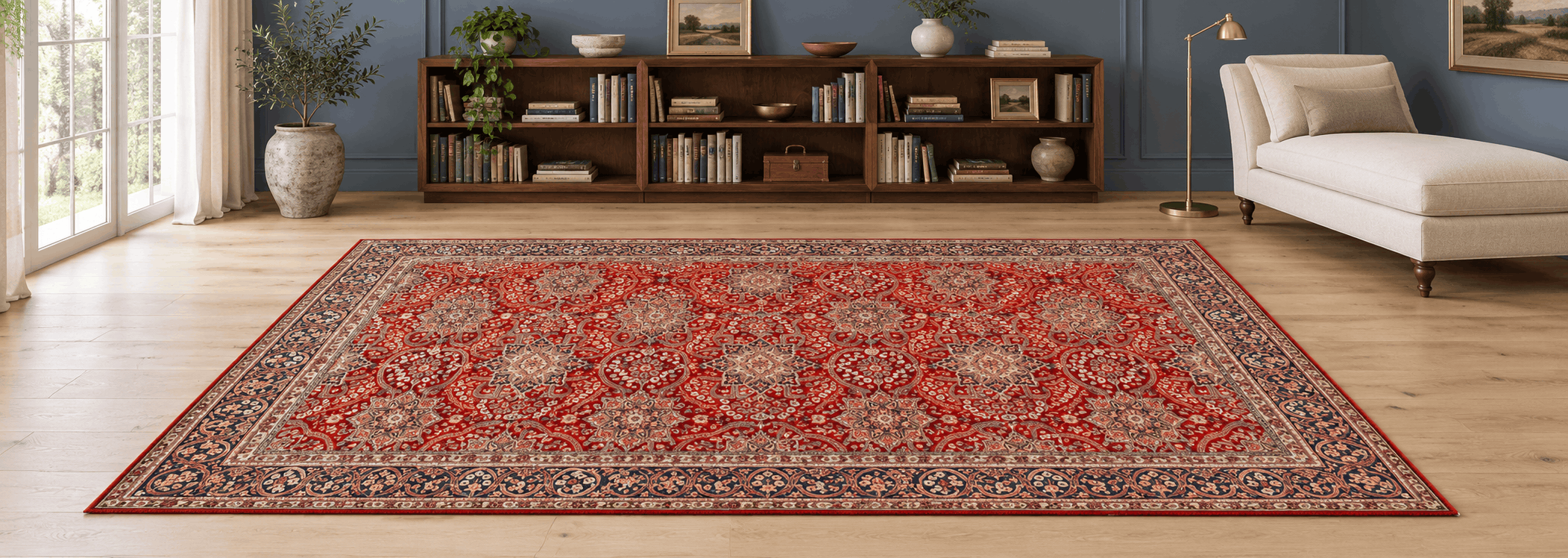
Unlike nomadic rugs that rely on spontaneous geometric tribal symbols, Birjand and Moud weavings adhere to rigorous architectural design cartoons (Taaleem), balancing proportion and rhythm across every square centimeter:
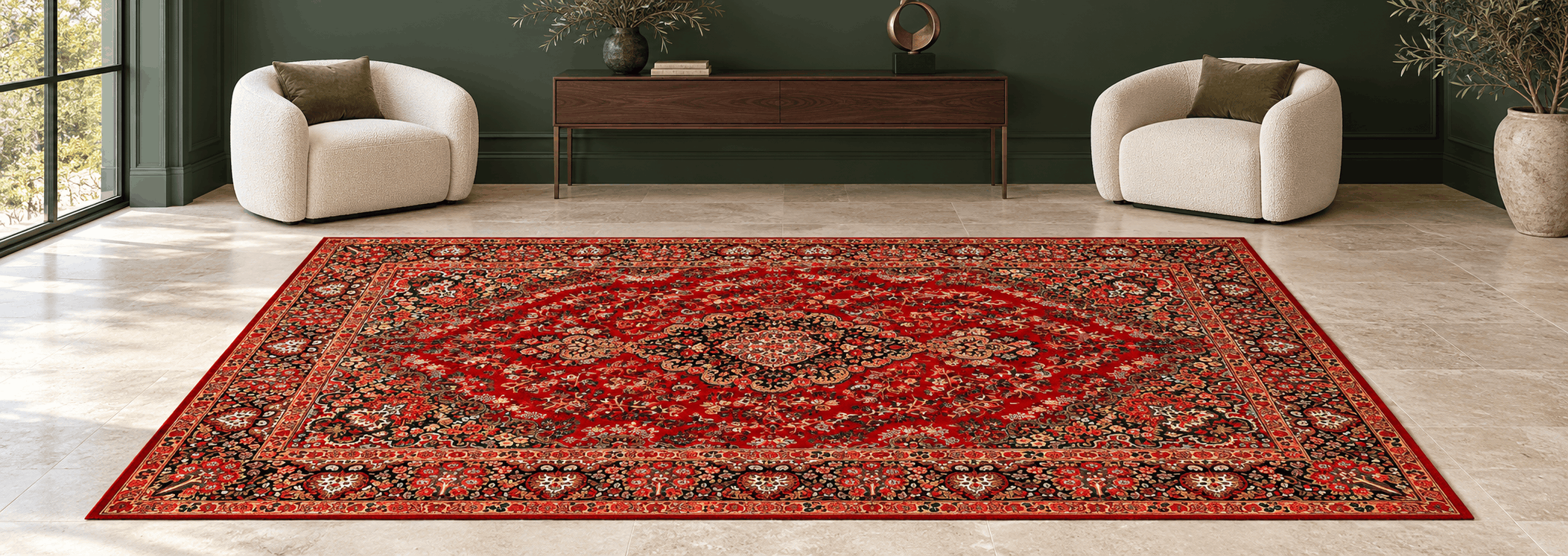
Because their decorative motifs are balanced and their colorations naturally soft, rugs from South Khorasan blend effortlessly with modern Scandinavian woods, industrial lofts, and classical architectural interiors alike:
Highland sheep's wool naturally contains lanolin, which forms a biological barrier against spills and soil. To protect your investment for decades to come, follow these practical maintenance guidelines:
Across European and international auction markets, well-preserved rugs from Birjand and Moud are regarded as blue-chip investments within Persian weaving arts. Because hand-tying up to 600,000 knots per square meter requires 8 to 14 months of concentrated artisanal labor, master weavers are increasingly rare.
This diminishing master weaver base naturally constrains global supply. Rare signed examples or vintage masterpieces from Dorokhsh are steadily appreciating in cultural and financial value. Visit our gallery of Antique Rugs to discover museum-grade collector pieces that have aged with extraordinary grace.
Seeking a specific size, motif certification, or interior design advice?
Our carpet specialists at RugEast provide personal, complimentary guidance: +49 (040) 37 50 27 66
While both originate in the South Khorasan region, Moud carpets are generally knotted more finely, often featuring higher knot densities (up to 650,000 knots/m²) and delicate silk contours outlining the floral elements. Birjand carpets are typically sturdier with slightly thicker wool piles and showcase a broader variety of floral medallions and paisley motifs.
"Mahi" is the Persian word for fish. It refers to the Herati motif where four lanceolate, curving leaves resemble fish swimming around an illuminated lotus flower or water lily inside a diamond frame. The pattern symbolizes vitality, water, and life in the desert oasis culture.
Many high-grade Moud carpets contain authentic natural silk used strategically for outlines (Abrisham) around the petals and leaves. The main pile is woven from durable, lanolin-rich highland sheep's wool, offering both the sheen of silk and the practical wear-resistance of pure wool.
Yes. Hand-knotted rugs with natural cotton foundations and wool piles are breathable and allow heat to transfer naturally. When underfloor heating operates within recommended residential temperatures (up to 27–29 °C), the fibers will not warp, dry out, or degrade.