
Rugeast
Since 1921
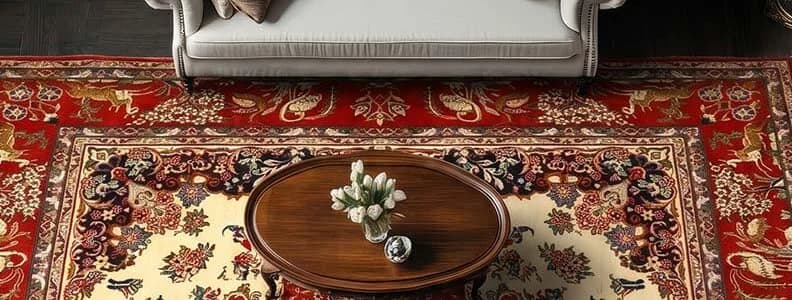
Isfahan Persian carpets from one of Iran's greatest historic cities are celebrated worldwide for their masterly medallion compositions, precise curvilinear detail, and a balanced elegance that has defined the pinnacle of classical Persian rug design for centuries.
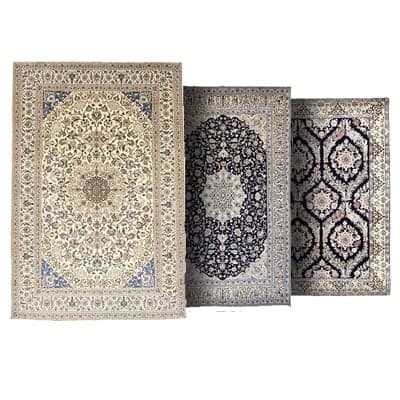 Nain Persian Rugs
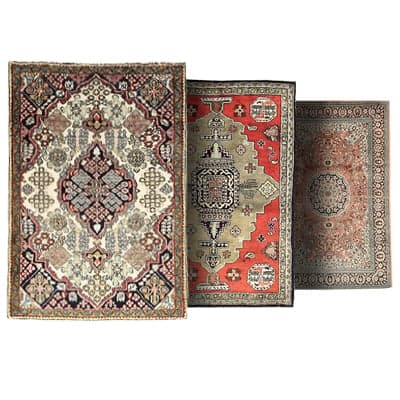 Luxury Silk Rugs
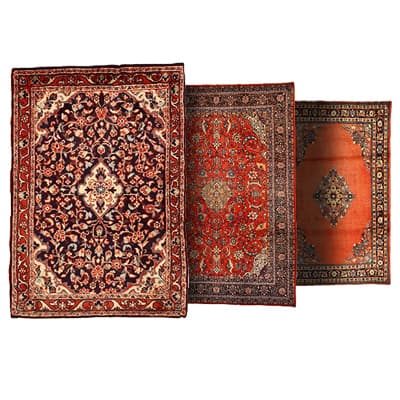 Sarough Persian Rugs
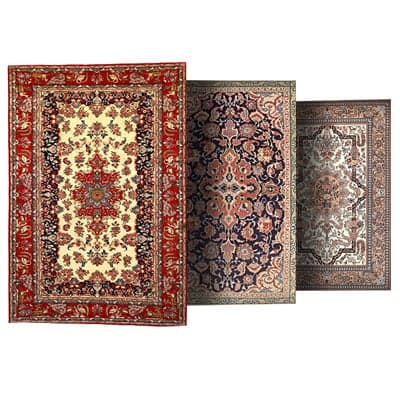 Isfahan Persian Rugs
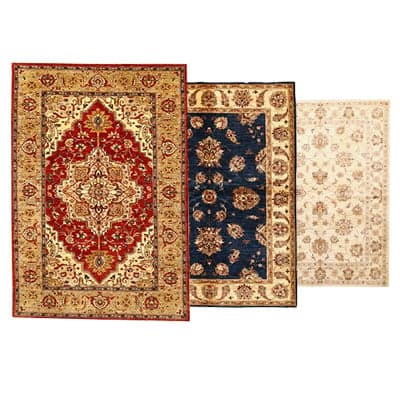 Ziegler & Kazak Rugs
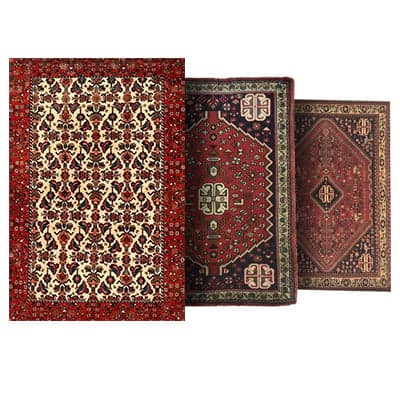 Abadeh Persian Rugs
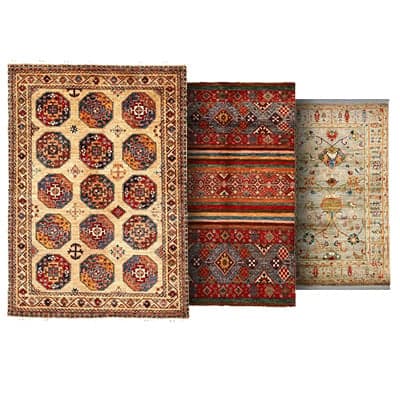 Afghan & Pakistani Rugs
 Runners Rugs
 Ardebil Persian Rugs
 Bidjar Persian Rugs
 Chinese Rugs & Carpets
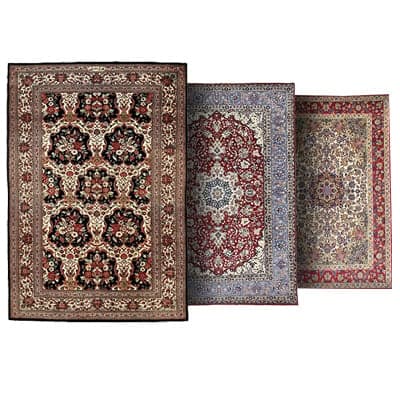 Exclusive Premium Carpets
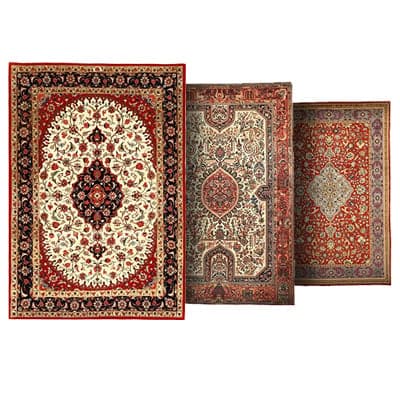 Ghom Persian Rugs
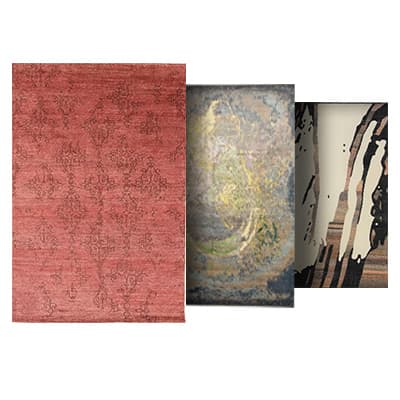 Indian Carpets & Rugs
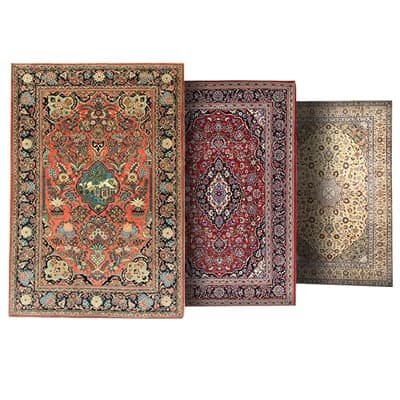 Kashan Persian Rugs
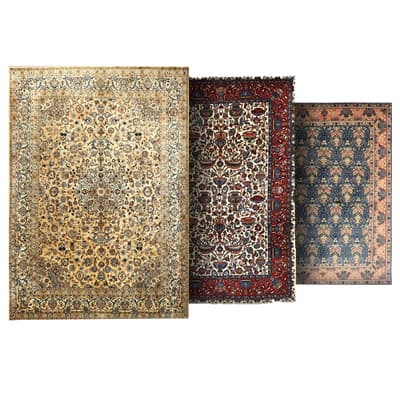 Mashhad Persian Rugs
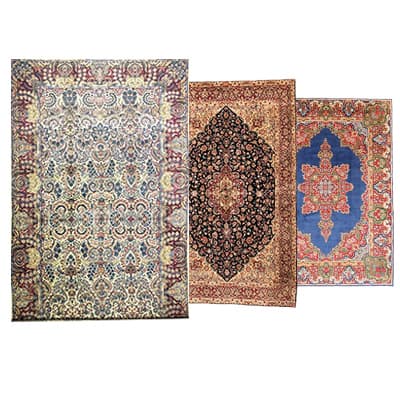 Kerman Persian Rugs
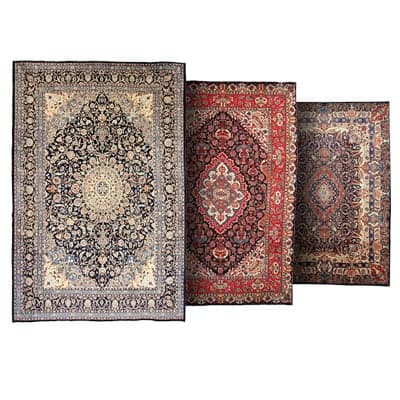 Kashmar Persian Rugs
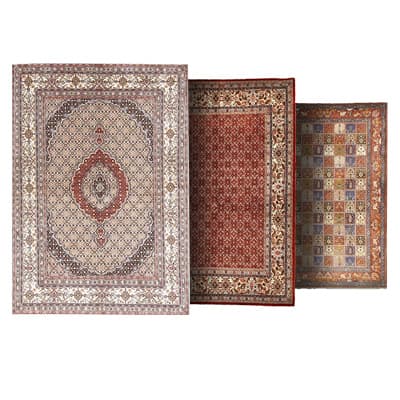 Moud Persian Rugs
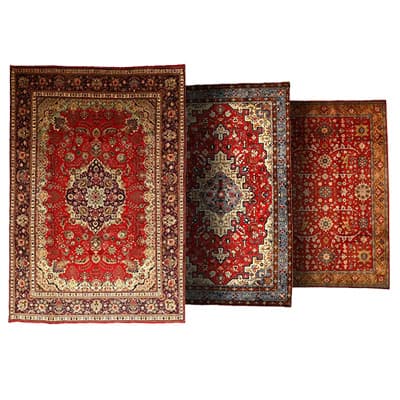 Tabriz Persian Rugs
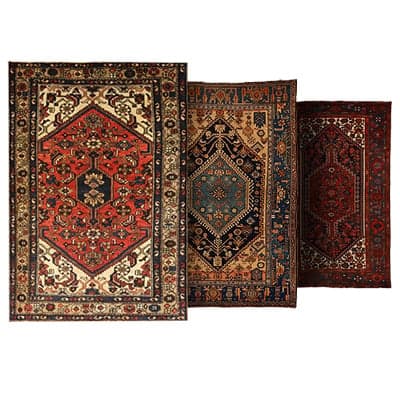 Zanjan Persian Rugs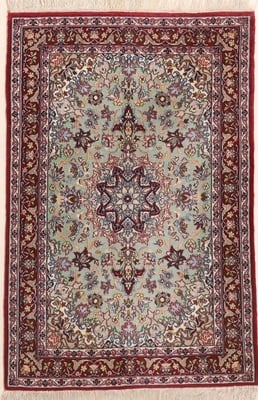
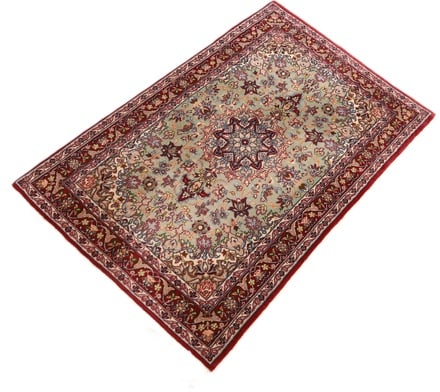
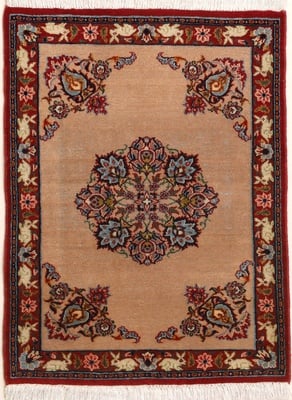
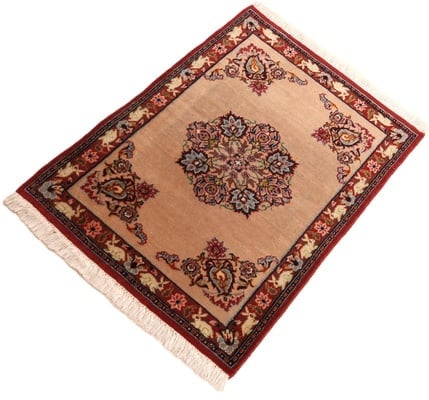
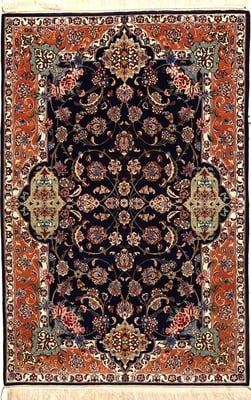
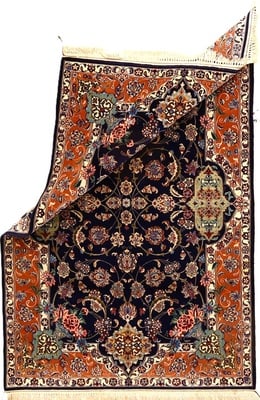
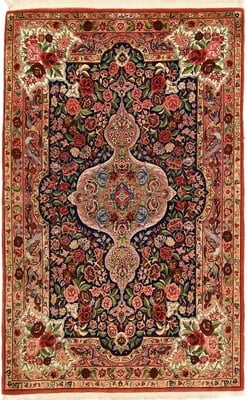
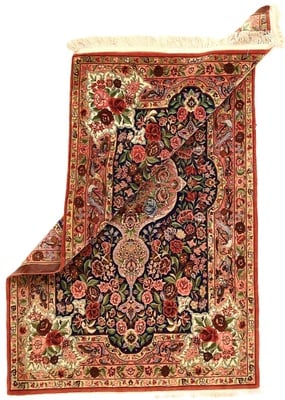
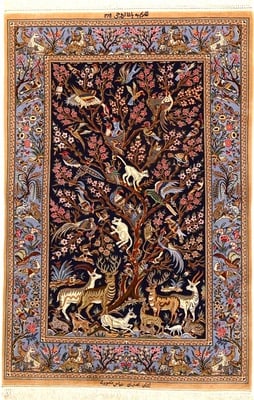
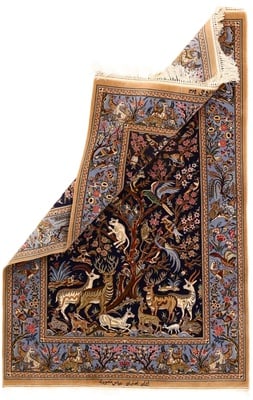
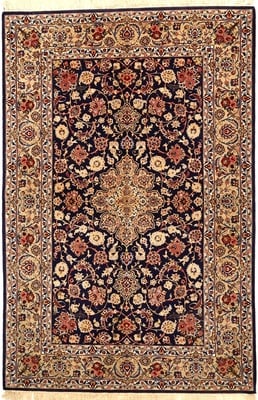
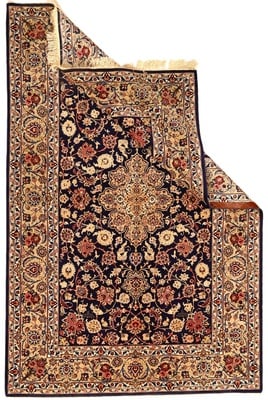
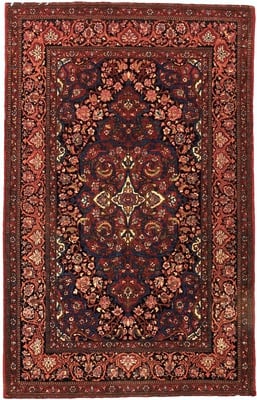
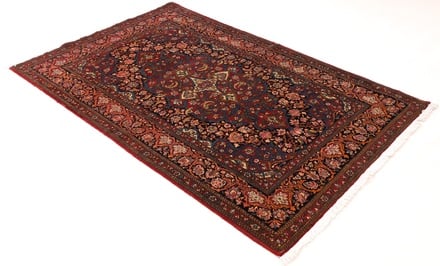
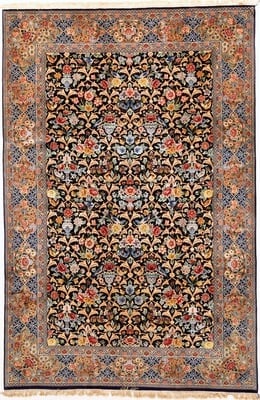
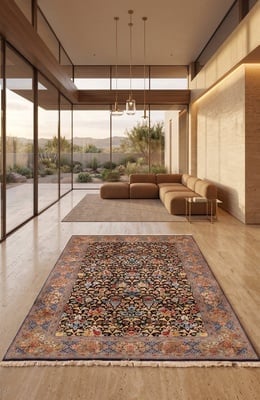
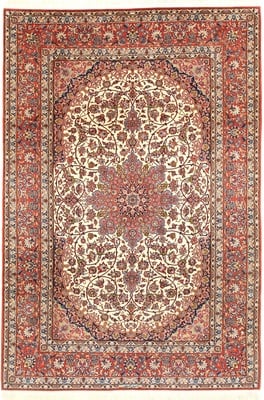
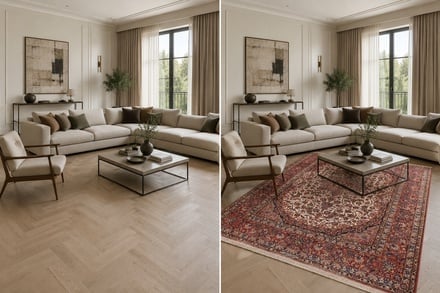
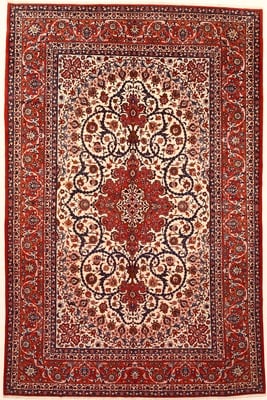
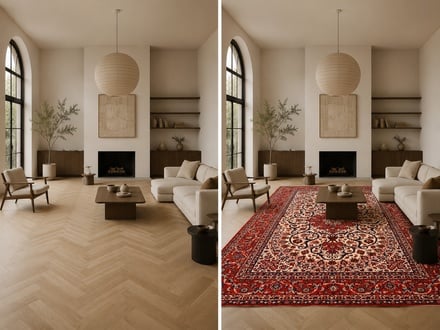
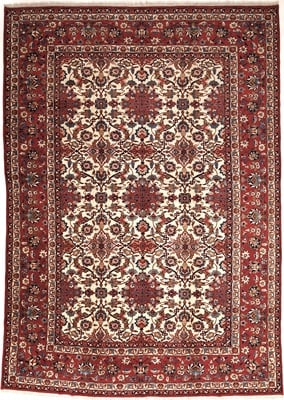
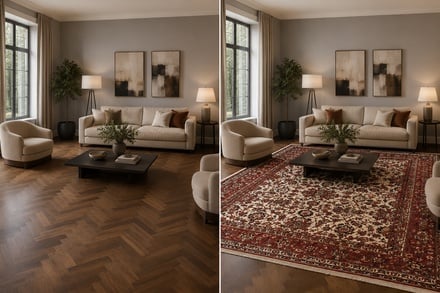
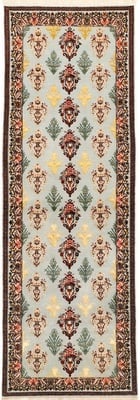
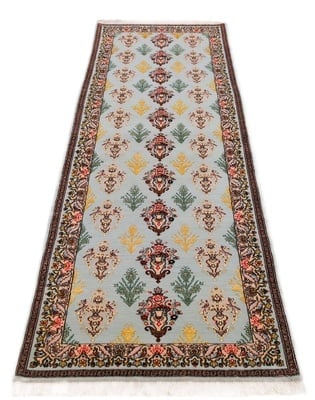
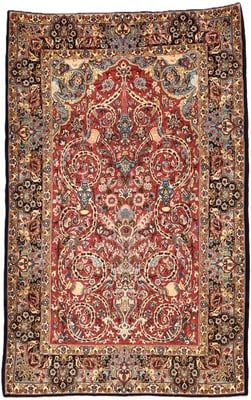
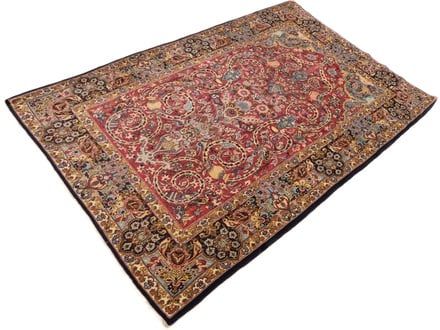
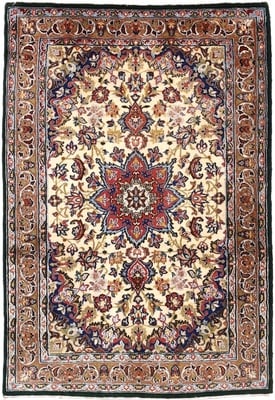
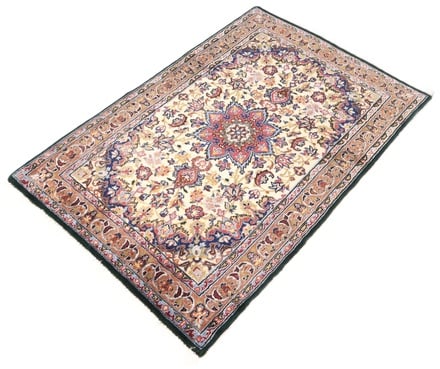
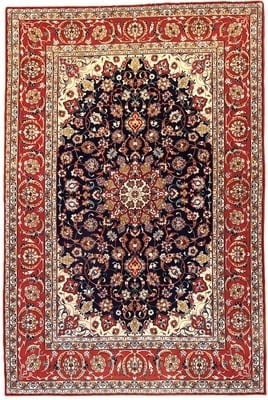
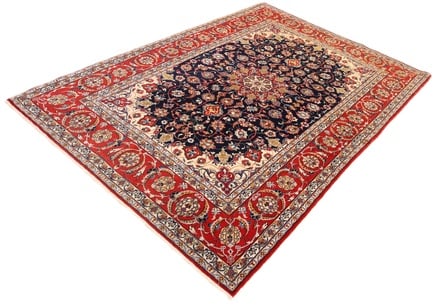
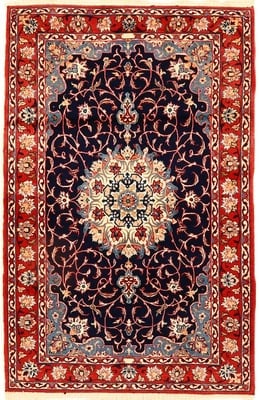
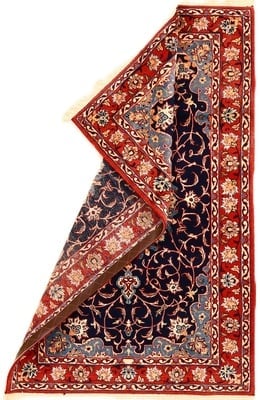
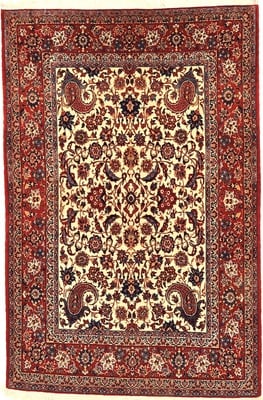
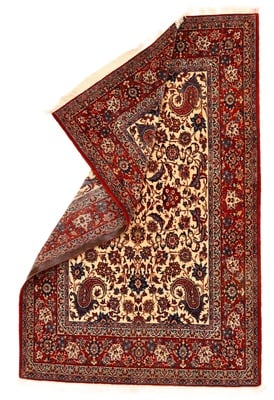
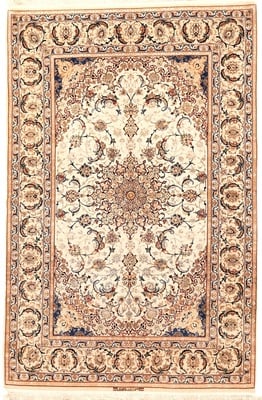
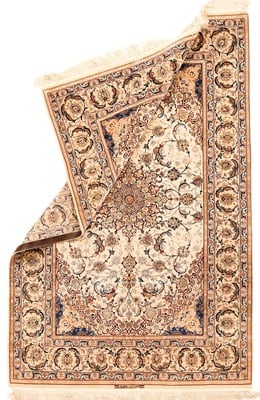
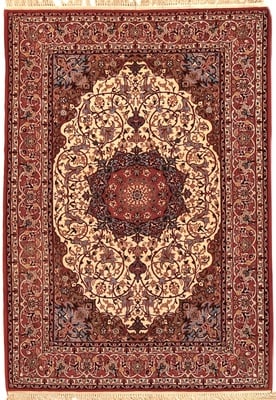
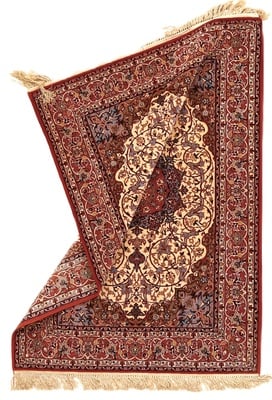
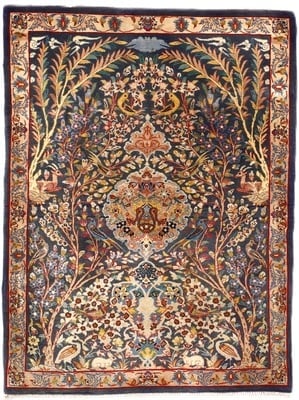
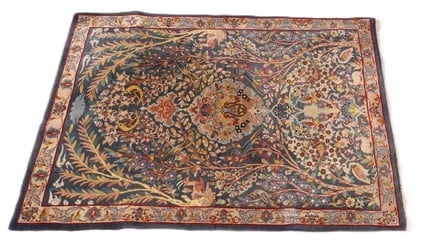
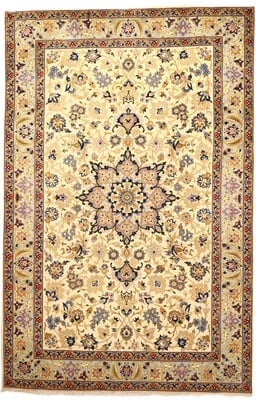
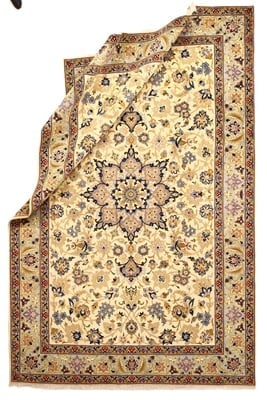
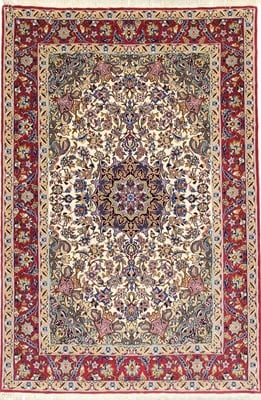
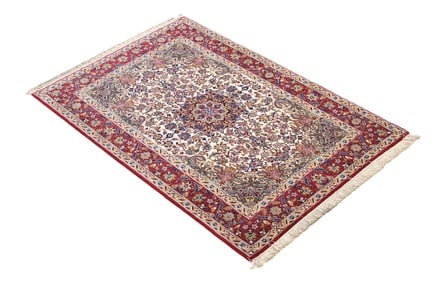
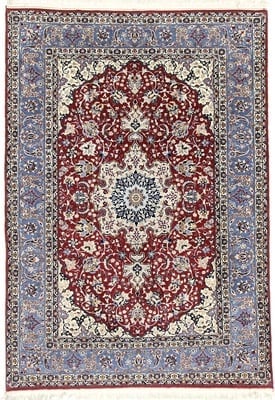
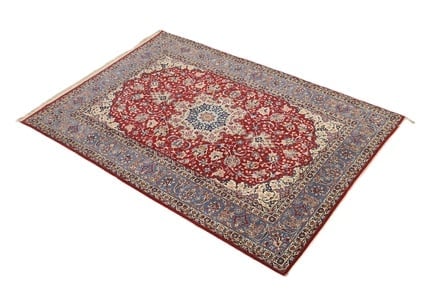
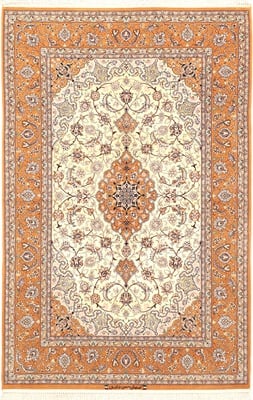
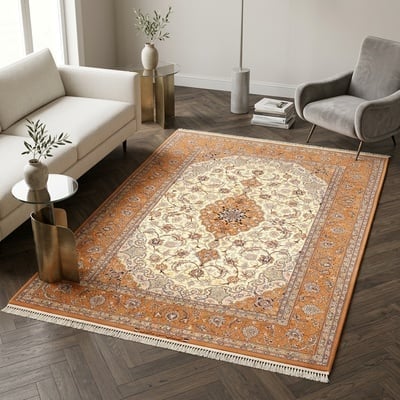
Searching for the definitive statement piece to elevate your interior into an architectural sanctuary of royal sophistication? An authentic Isfahan carpet represents the pinnacle of classical Oriental weaving. Celebrated for over five centuries as the aristocrat of luxury floor art, every hand-knotted Isfahan masterpiece embodies mathematical perfection, exquisite materials, and breathtaking curvilinear symmetry.
At RugEast.com, our curated gallery showcases authentic, investment-grade Isfahan carpets woven with up to 1,000,000 knots per square meter and beyond. Featuring cloud-soft, lanolin-rich highland Kork wool and pure Mulberry silk highlights on fine silk or cotton foundations, these carpets are distinguished members of our premier Oriental carpets collection, blending historical majesty with heirloom-grade resilience.
From the monumental domes of the Safavid empire to refined European estates and minimalist modern lofts, an Isfahan carpet radiates luminous elegance, rich cultural depth, and enduring capital value that defies passing interior trends.
Nestled in the lush river basin of the Zayandeh-Rood, the oasis city of Isfahan was famously dubbed "Nesf-e Jahan" (Half the World). The golden epoch of Isfahan carpet production started in 1598 when Shah Abbas I relocated the imperial capital of the Safavid Empire here. The monarch systematically organized the court weaving ateliers right beside the Grand Royal Square (Naqsh-e Jahan).
Under direct royal patronage, carpet production transitioned from decentralized cottage craft to high-precision fine art. Shah Abbas mandated court miniaturists, calligraphers, and imperial tile artisans to collaborate on carpet cartoons (*karton*). Master weavers adopted the delicate Persian asymmetrical (Senneh) knot, giving birth to fluid arabesques and complex botanical geometries that captivated European monarchs, ambassadors, and Renaissance collectors. Surviving classical court carpets from this period are revered in the world's most prestigious museums.
Unlike geometric nomadic or tribal kilims, the visual identity of an authentic Isfahan carpet is curvilinear, rotational, and deeply rooted in sacred Persian architecture:
The color palette relies on natural botanical extracts: earthy madder red, deep imperial indigo, luminous Persian turquoise, saffron gold, and pure ivory backgrounds that highlight intricate knotting without visual fatigue.
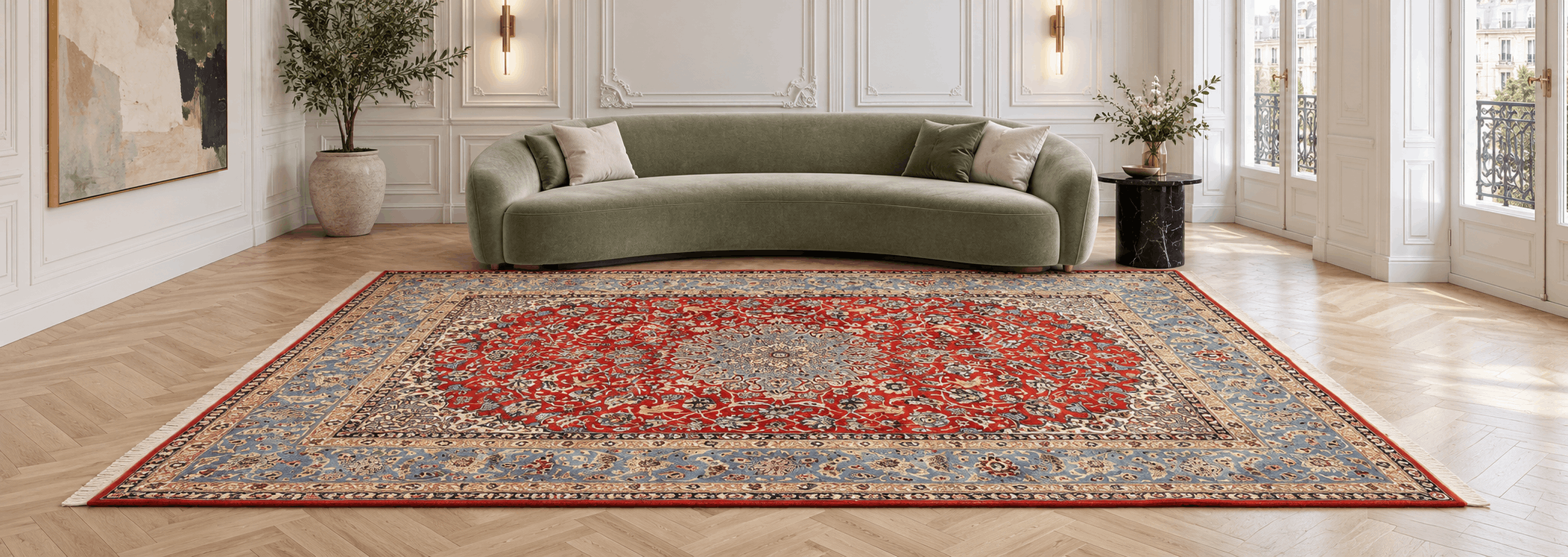
The physical touch of an Isfahan rug is immediately recognizable. Weavers exclusively choose Kork wool (virgin fleece hand-shorn from the throat and underbelly of highland sheep). Rich in natural lanolin wax, Kork wool produces a velvety, moisture-repellent pile with subtle natural luster and remarkable tensile memory.
To heighten dramatic visual contrasts, master weavers employ the exquisite Gol-e-Abreesham technique (silk flowers). The fine outlines of flower blossoms, vine margins, and medallion rims are hand-knotted in genuine Mulberry silk amidst the wool pile. When ambient light strikes the surface, the silk glimmers like spun jewels, creating an enchanting three-dimensional relief. For those seeking absolute pure silk compositions, explore our dedicated gallery of pure silk rugs.
In evaluating fine oriental carpets, international markets often refer to KPSI (Knots Per Square Inch). However, authentic Persian city workshops employ the traditional **Raj** metric.
A crucial nuance exists between provinces: while an urban Tabriz carpet measures Raj across a 7-centimeter unit, the Isfahan guild calibrates its Raj density over a standard width of 6.5 centimeters. A 60-Raj Isfahan carpet means there are 60 knots across every 6.5 cm, translating to approximately 850,000 knots per square meter.
Furthermore, prestigious Isfahan workshops incorporate the "Kheft" system—interwoven colored marker warp threads visible at the fringe fringe hem. A higher Kheft count guarantees a master-level weave density that prevents grit from sinking into the backing, ensuring centuries of wear life.
During the mid-20th century, a renaissance of Isfahan weaving was led by iconic master creators whose signatures woven into the kilim fringe remain legendary among fine art auction houses. At the summit stands the Seirafian family atelier (Ahmad Seirafian and sons), revered alongside master ateliers like Haghighi, Dordashti, Enteshar, and Feyzollahi.
Because an ultra-fine 3 × 2 meter Isfahan carpet requires two dedicated artisan weavers up to three full years of continuous hand-tying, the supply of museum-grade Persian carpets is inherently finite. With fewer young artisans entering traditional apprentice programs, authentic certified Isfahan carpets have established themselves as dependable, inflation-hedged tangible assets.
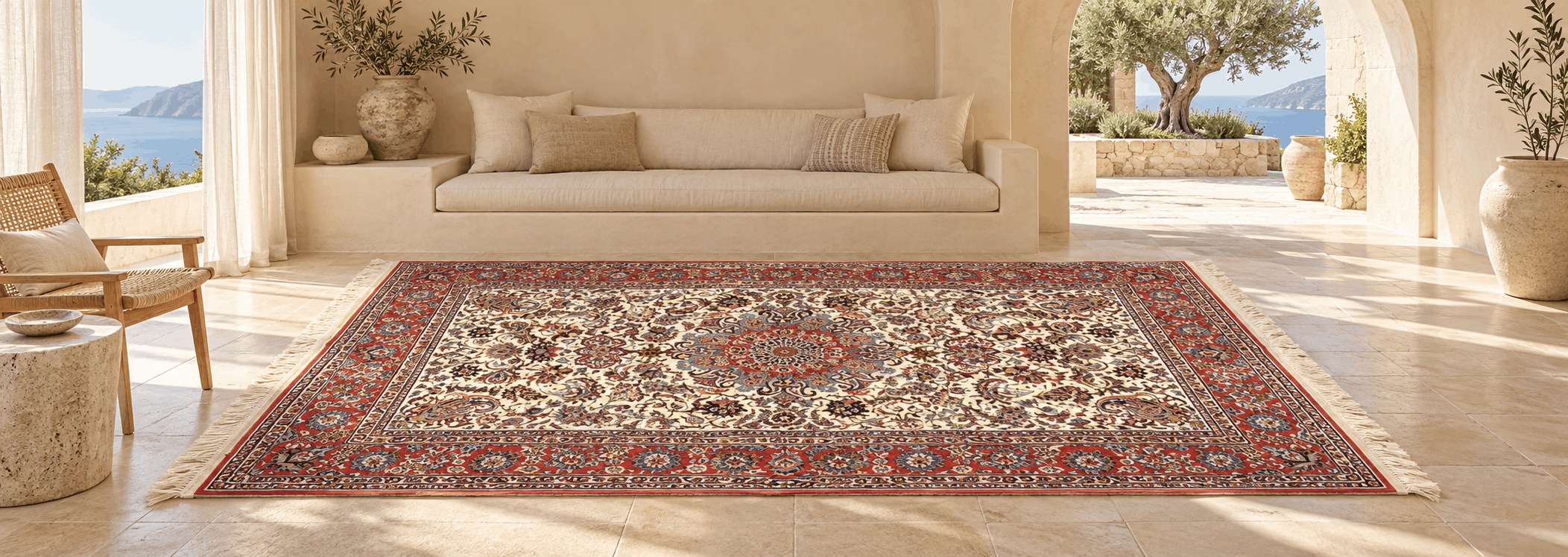
While an Isfahan carpet possesses the delicacy of fine museum tapestries, its dense double-weft foundation grants it extraordinary functional longevity. Positioned as a focal point among our high-end living room rugs, an Isfahan carpet visually unifies upholstery, absorbs acoustic echo, and creates an aura of hospitality.
Classic formats such as Zaronim (1.0 × 1.5 m) serve as exquisite foyer or executive study accents, while 6-square-meter (2 × 3 m) and 12-square-meter (3 × 4 m) formats grace formal dining halls and master bedrooms with aristocratic refinement.
1. How do Isfahan carpets differ from Nain carpets?
While both regions utilize Kork wool and silk highlights, their palettes and compositional moods are distinctive. Nain carpets adhere to a calm, cool color harmony dominated by ivory, cream, navy, and soft blues. In contrast, Isfahan carpets showcase a richer, warmer palette featuring bold madder red, turquoise, and saffron gold, executed with complex arabesques inspired directly by Safavid palatial architecture.
2. Are fine Isfahan carpets durable enough for high-traffic rooms?
Yes. Despite their visual delicacy, authentic Isfahan carpets are extraordinarily resilient. The natural lanolin in highland Kork wool repels moisture and soil, while the tight density (500,000 to over 1,000,000 knots/m²) prevents dirt particles from penetrating deep into the foundation.
3. Are Isfahan rugs compatible with modern underfloor heating?
Absolutely. Because genuine handmade Isfahan carpets are woven exclusively from organic materials (wool, silk, and cotton) without chemical adhesives or synthetic rubber backings, heat transfers smoothly and evenly without fiber damage or toxic odor emissions.
4. What does the "Raj" measurement mean in an Isfahan carpet?
In Isfahan, "Raj" specifies the number of knots along a fixed span of 6.5 centimeters. For example, a 60-Raj Isfahan carpet contains 60 knots across every 6.5 cm of width, serving as an authoritative Iranian benchmark for micro-fine knot density and meticulous artisan precision.
5. How should I routinely maintain and clean an Isfahan carpet?
Perform regular vacuuming in the direction of the pile using a smooth floor nozzle (deactivating motorized roller brushes). Promptly blot liquid spills with a clean, undyed cloth without rubbing. For thorough conservation, entrust your rug to a professional hand-washing facility specialized in antique and fine Oriental textiles every 5 to 7 years.
Enrich your home with a genuine masterpiece of Persian court heritage. Explore our hand-selected inventory of authentic Isfahan carpets or discover our wider spectrum of traditional Oriental rugs. Enjoy guaranteed authenticity, tailored guidance, and free insured delivery across the European Union backed by our 31-day trial policy.