
Rugeast
Since 1921
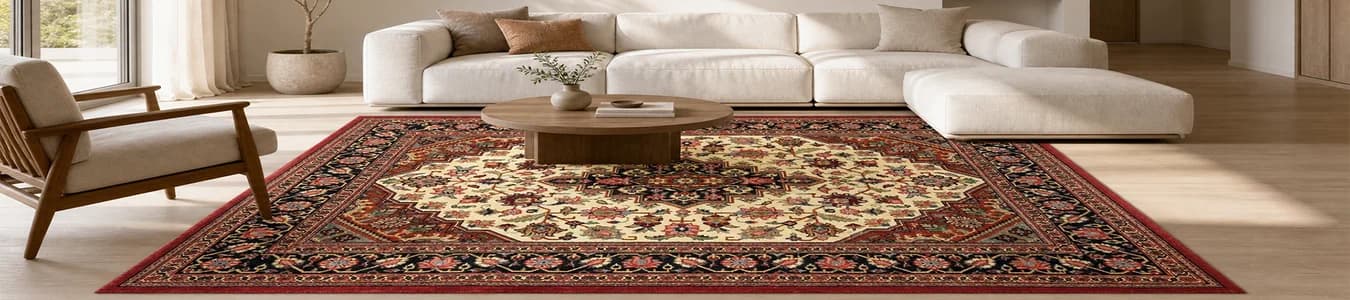
Tabriz Persian rugs come from Iran's most storied rug-weaving city in the north-west — celebrated for an exceptional breadth of patterns, from elaborate medallion and hunting scenes to pictorial compositions, and a master craftsmanship that has shaped Persian rug history for over five centuries.
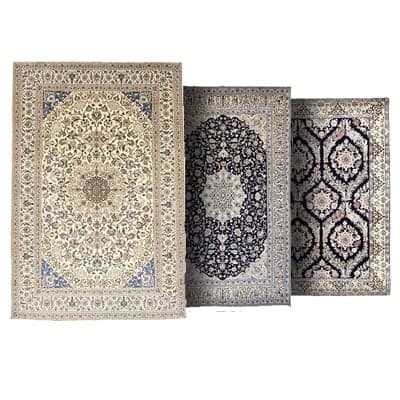 Nain Persian Rugs
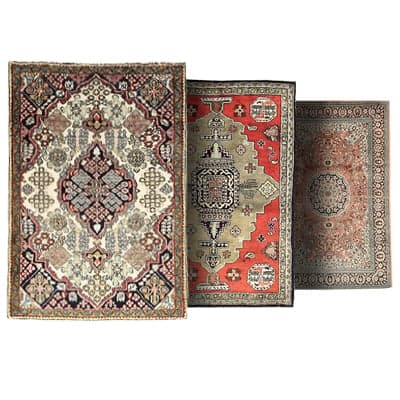 Luxury Silk Rugs
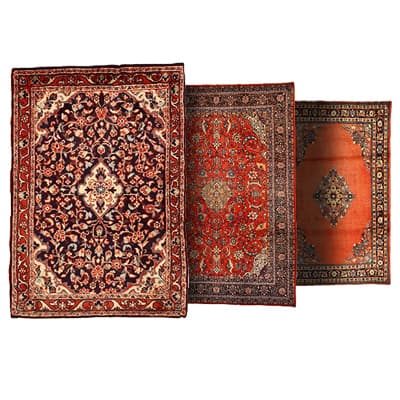 Sarough Persian Rugs
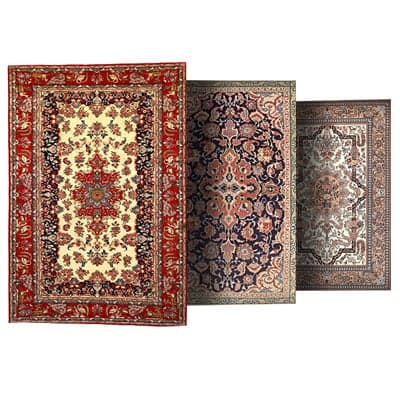 Isfahan Persian Rugs
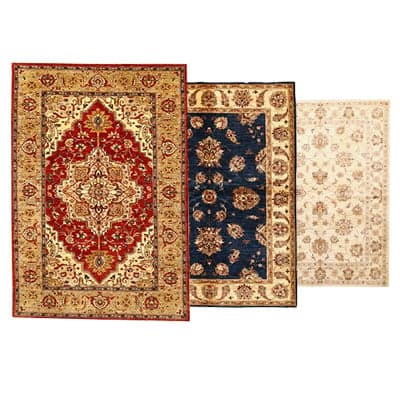 Ziegler & Kazak Rugs
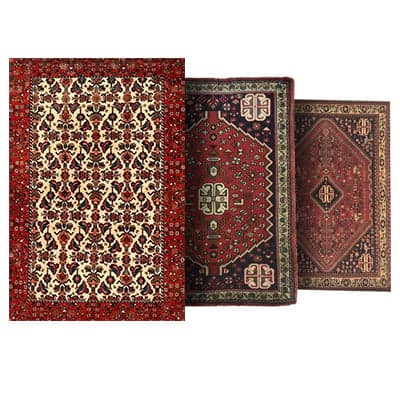 Abadeh Persian Rugs
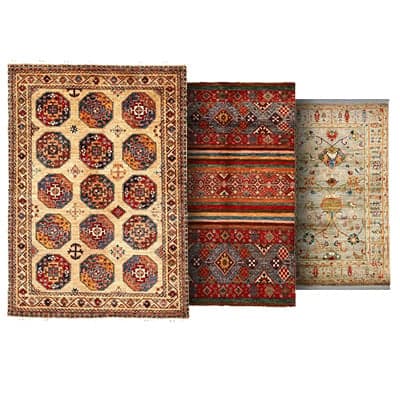 Afghan & Pakistani Rugs
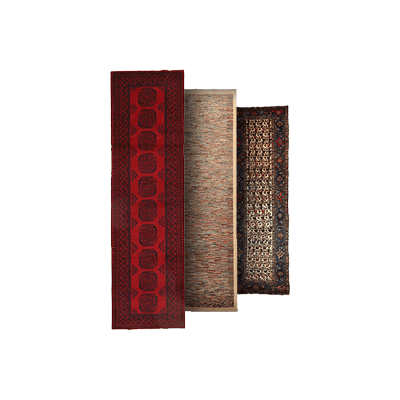 Runners Rugs
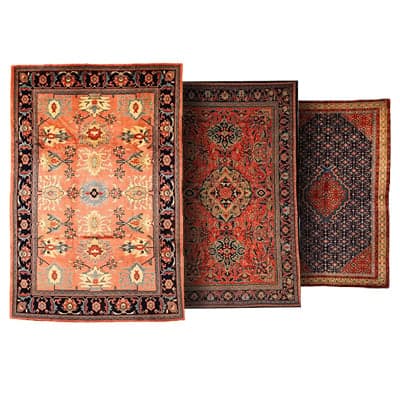 Ardebil Persian Rugs
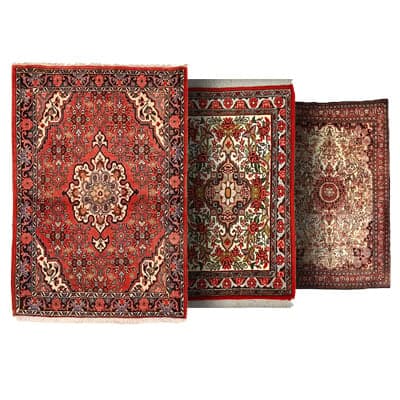 Bidjar Persian Rugs
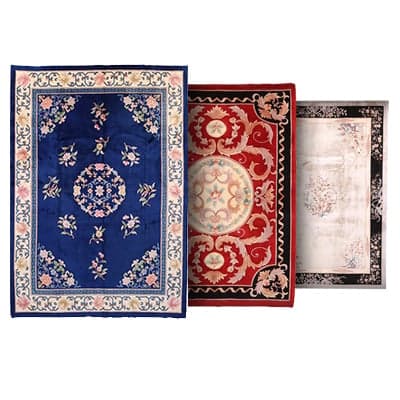 Chinese Rugs & Carpets
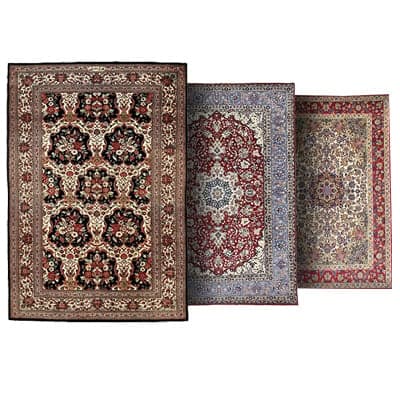 Exclusive Premium Carpets
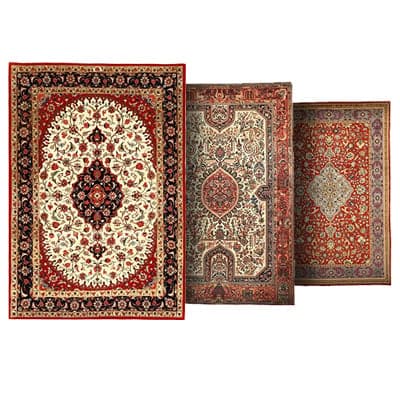 Ghom Persian Rugs
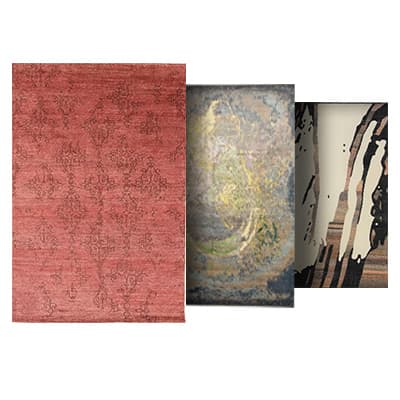 Indian Carpets & Rugs
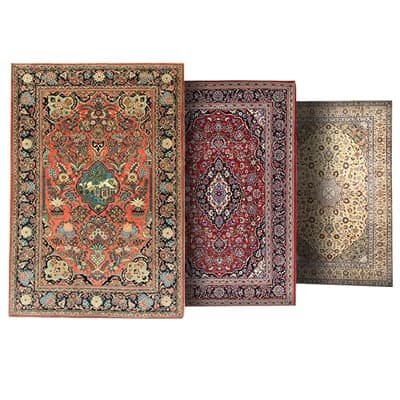 Kashan Persian Rugs
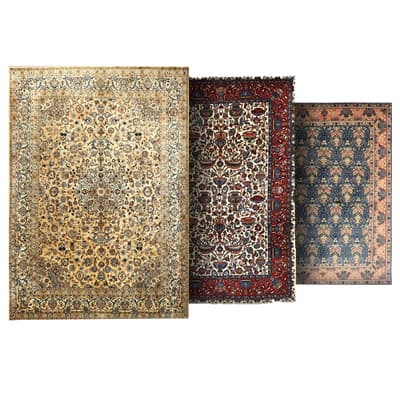 Mashhad Persian Rugs
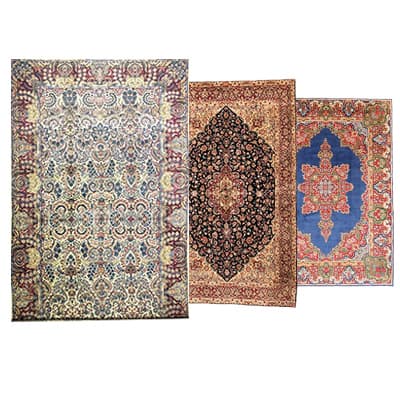 Kerman Persian Rugs
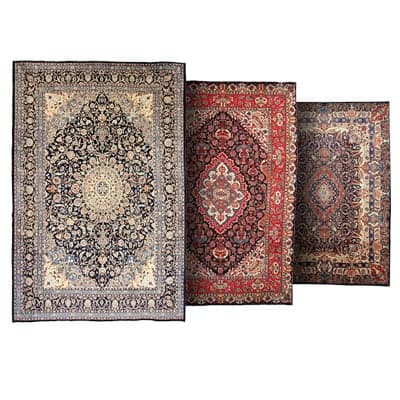 Kashmar Persian Rugs
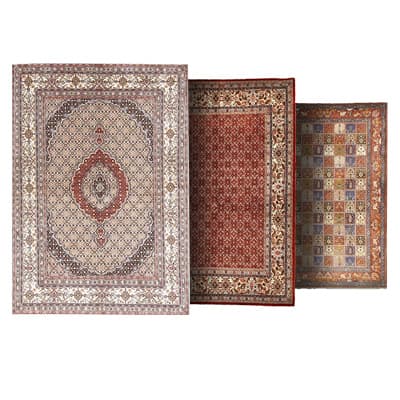 Moud Persian Rugs
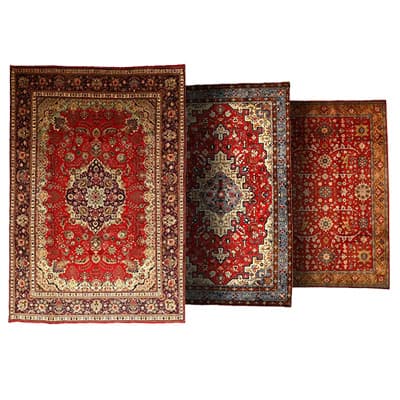 Tabriz Persian Rugs
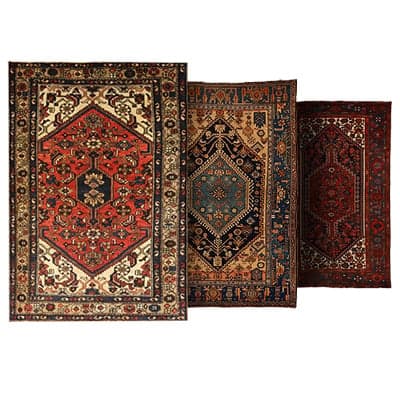 Zanjan Persian Rugs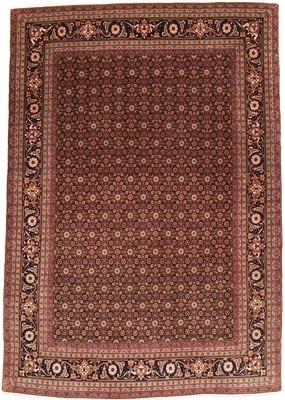
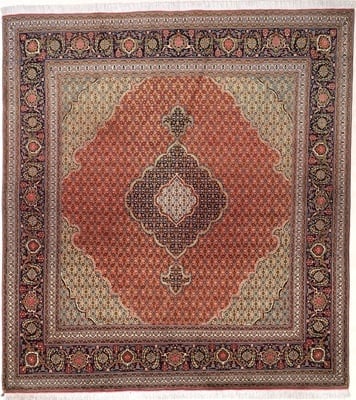
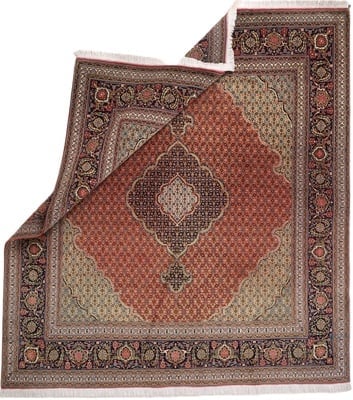
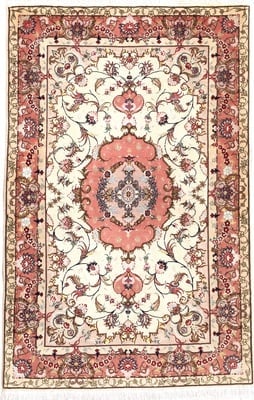
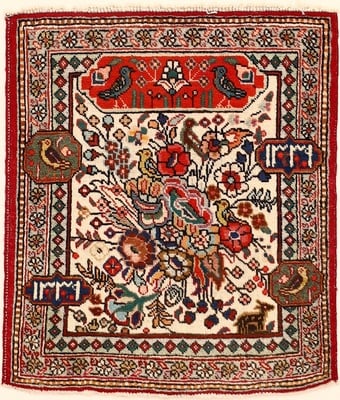
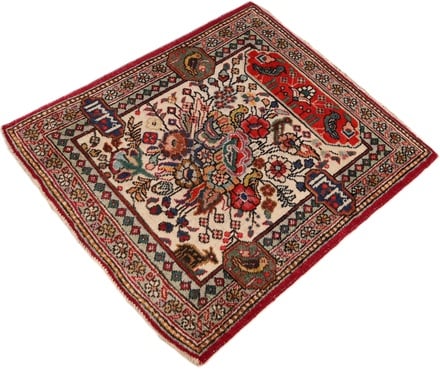
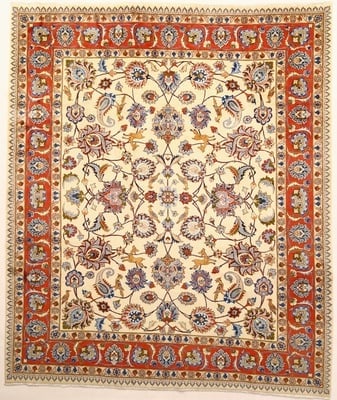
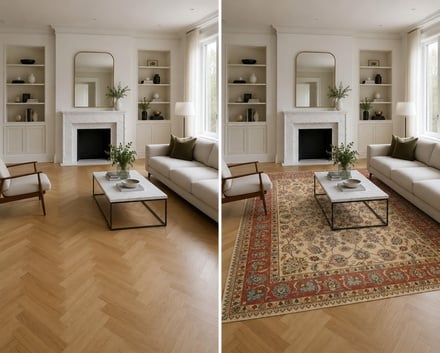
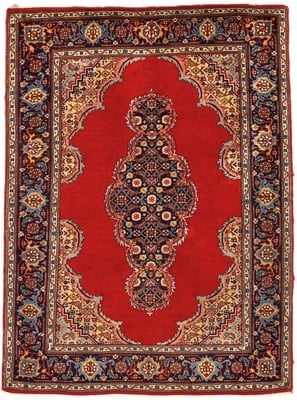
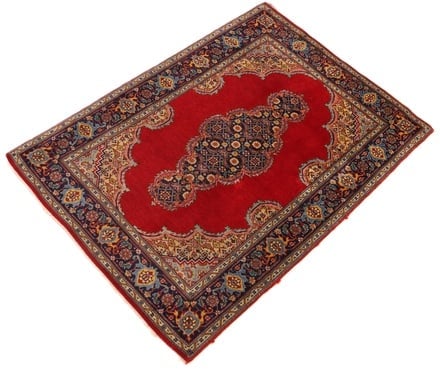

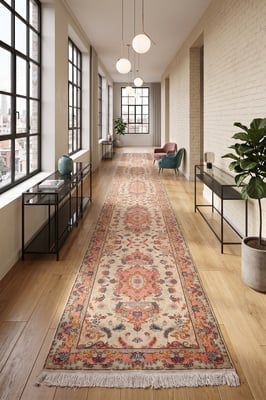
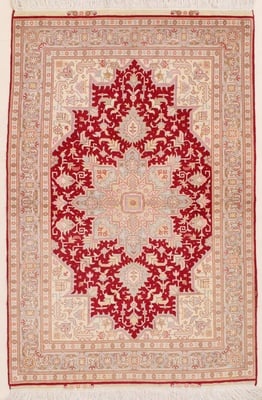
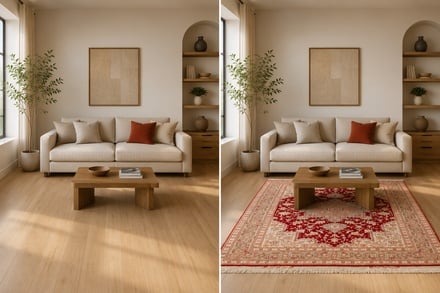
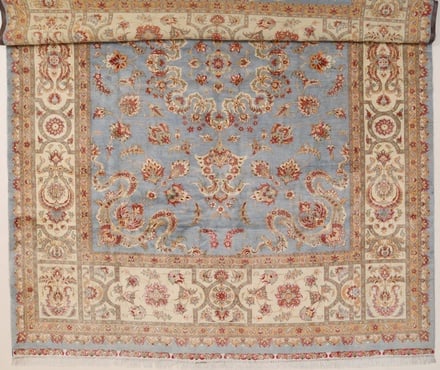
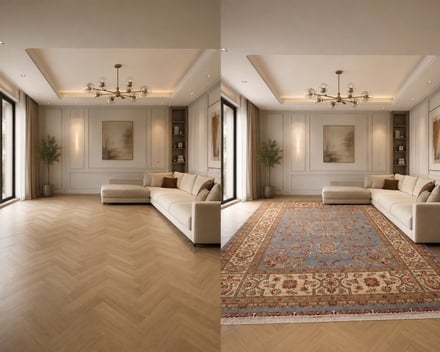
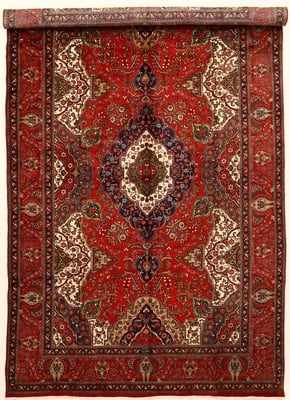
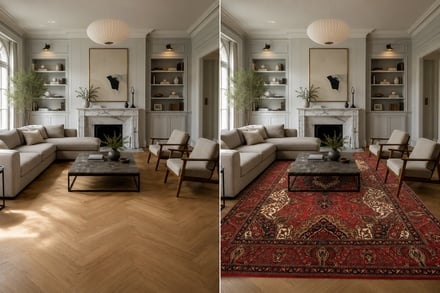
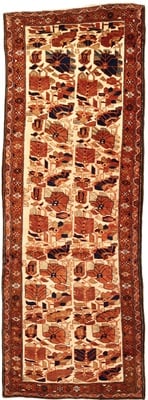
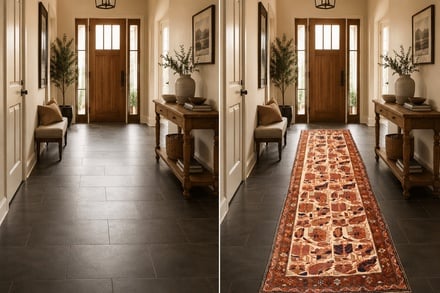
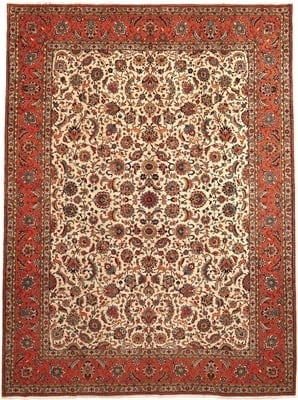
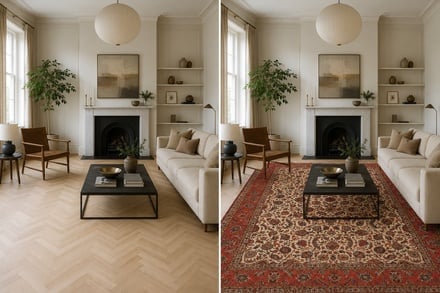
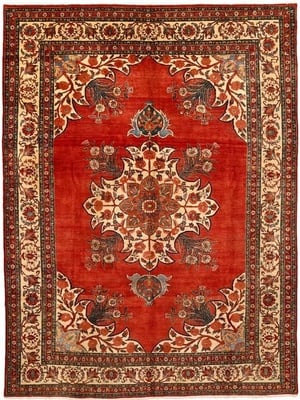
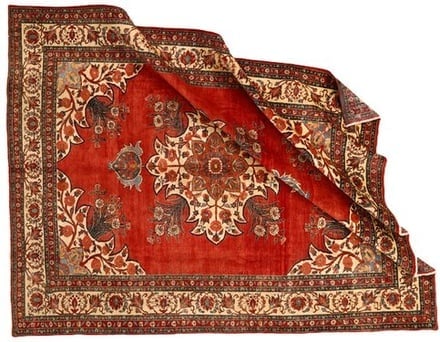
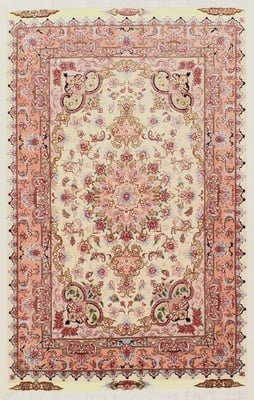
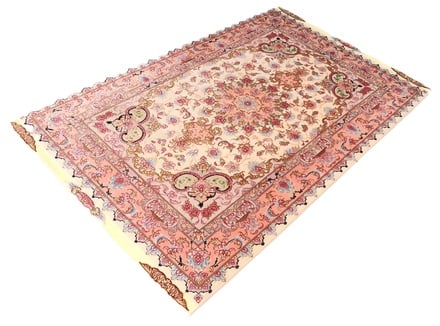
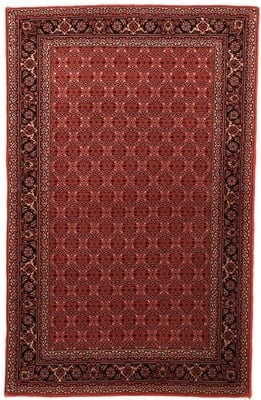
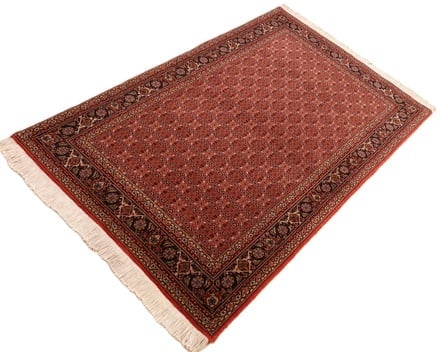
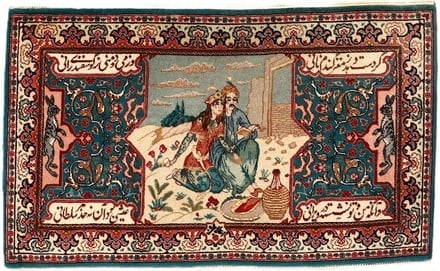
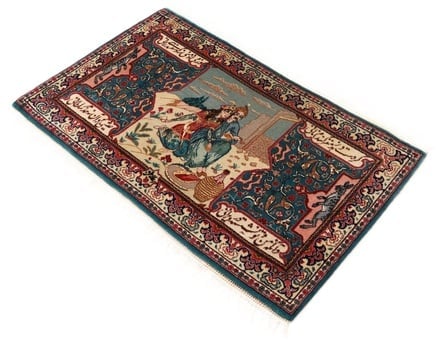
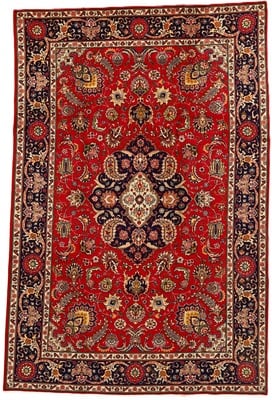
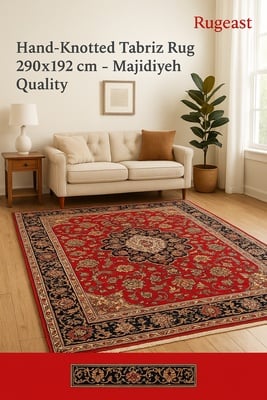
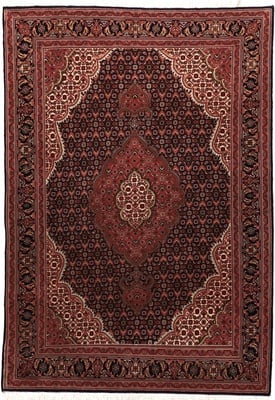
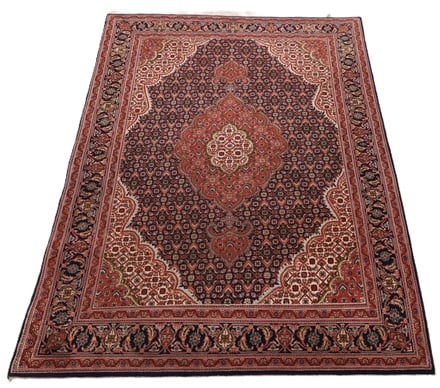
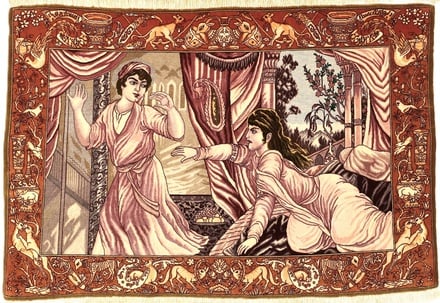
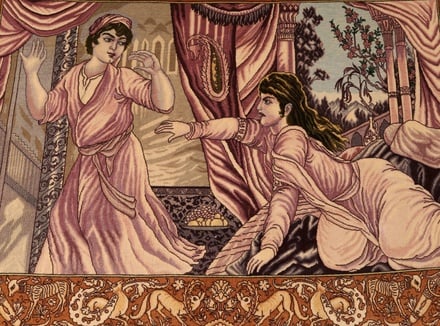
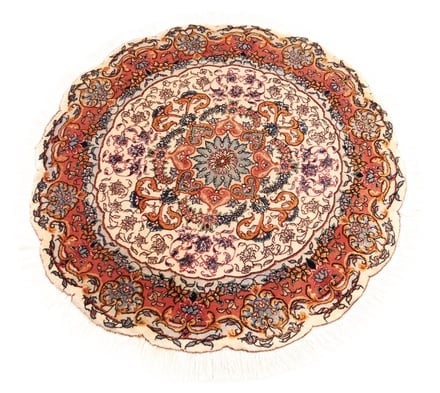
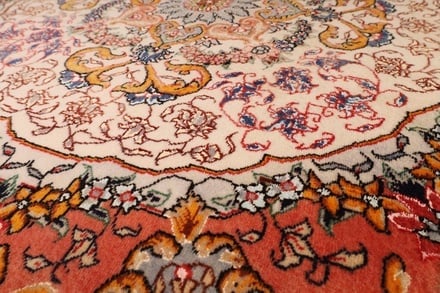
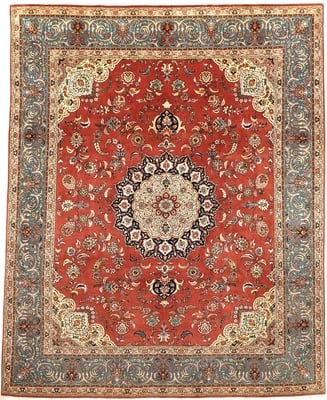
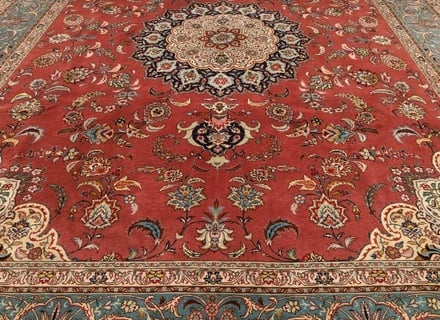
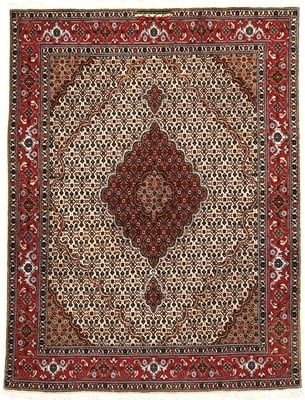
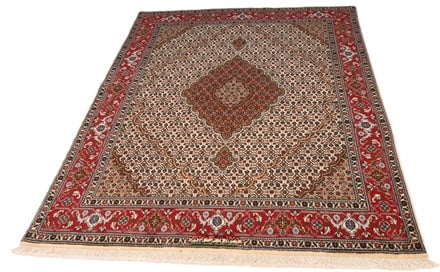
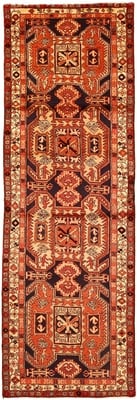
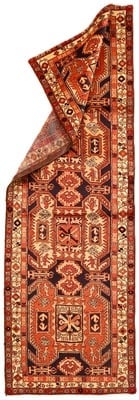
An authentic, hand-knotted Tabriz rug embodies the absolute pinnacle of classical Persian urban workshop weaving. Originating from the historic capital of East Azerbaijan Province in northwestern Iran—a legendary commercial gateway along the Silk Road—Tabriz carpets are globally revered for their architectural precision, unparalleled technical discipline, and sophisticated design repertoire. At RugEast, our curated Tabriz collection ranges from exceptionally robust 40 Raj daily heirlooms to museum-grade masterpieces crafted in 70 and 80+ Raj with lustrous silk highlights. Each rug is an authentic work of art designed to bring enduring prestige, visual depth, and acoustic warmth to luxury interiors.
The city of Tabriz possesses one of the oldest and most influential weaving traditions in the Near East. Nestled beneath the red ridges of Mount Eynali and fed by natural mineral springs that have historically provided ideal conditions for washing raw sheep wool, Tabriz evolved into an epicenter of international commerce under the Ilkhanid dynasty in the 13th century. However, it was during the Safavid dynasty (1501–1736)—when Tabriz was established as the royal imperial capital under Shah Ismail I and Shah Tahmasp I—that carpet weaving was formally transformed from a folk craft into an elite imperial art.
Royal court ateliers recruited the era's foremost miniature painters, bookbinders, and calligraphers—most notably the revered master Kamal al-Din Behzad—to draft intricate carpet cartoons (talim). These artists abandoned rudimentary tribal geometry in favor of sweeping arabesques, spiraling tendrils, mythical beasts, and celestial cloud bands.
Following the disruption of the Afghan invasions in the 18th century, Tabriz experienced a profound commercial renaissance during the late Qajar period of the 19th century. Master entrepreneurs re-established commercial workshops, standardizing export grading and supplying European and American estates with oriental carpets of unmatched structural integrity.
Unlike nomadic weavers who construct motifs spontaneously from memory, Tabriz craftsmen work from millimeter-precise graph blueprints. This academic approach produces an expansive variety of recognized design families:
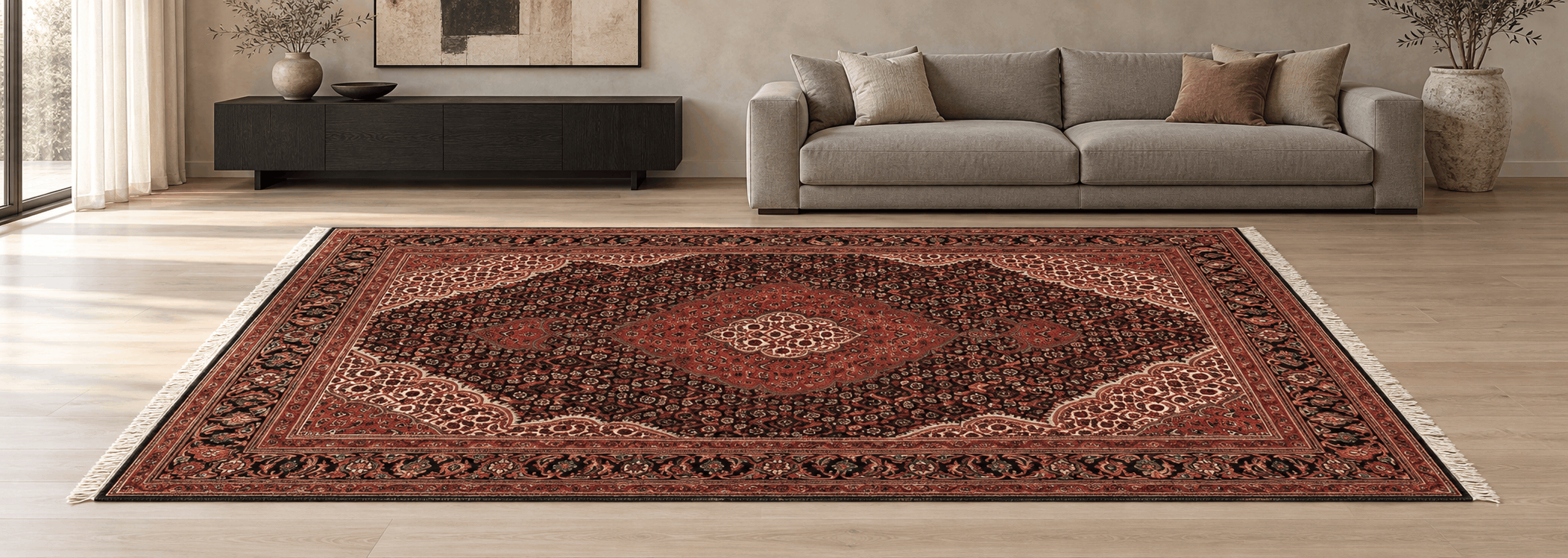
The quality, density, and craftsmanship of a hand-knotted Tabriz rug are formally classified using a unique linear density metric known as the Raj. One Raj equals the exact number of knots tied across a span of 7 centimeters (equivalent to one traditional Persian gereh). Because knotting occurs across both axes, an increase in Raj yields exponential growth in total knot count and design sharpness.
A defining structural hallmark of Tabriz weaving is the strict application of the symmetrical Turkish knot (Ghiordes or Turk-baft). Unlike the asymmetric Persian knot used in southern regions, the Turkish knot wraps yarn securely around both warp threads. Weavers utilize a specialized hook blade (qollab), enabling uniform tension, razor-sharp knotting consistency, and exceptional wear resistance. Supported by a dual-weft construction—one heavy tensioned weft followed by a fine sinuous weft—the resulting fabric lays flat and maintains its square geometry indefinitely.
Much like signed fine art, distinguished Tabriz rugs often bear a woven master signature (emza) along the upper border cartouche, verifying origin, design lineage, and workshop provenance. In the late 19th and early 20th centuries, master weaver Haji Jalili redefined Western perceptions of Persian textiles. Characterized by muted terracotta, sage green, and antique ivory washes, authentic Haji Jalili creations rank among the most sought-after antique rugs on the global market.
In the modern era, celebrated workshops continue this prestigious lineage:
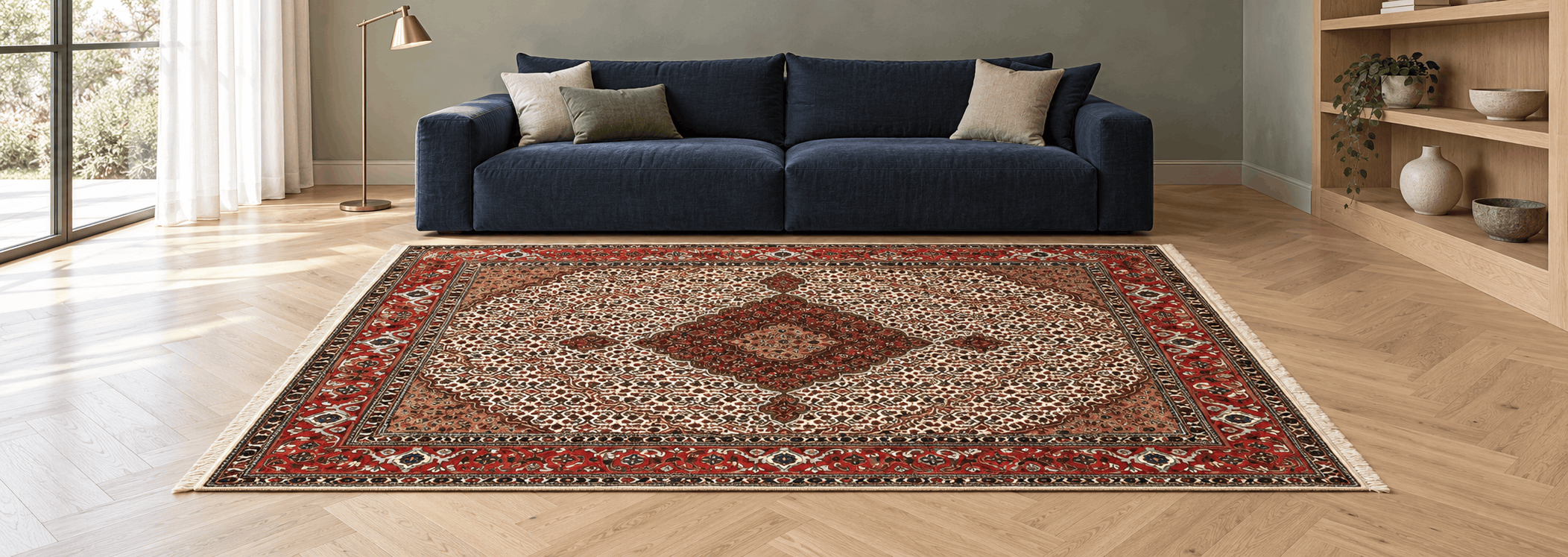
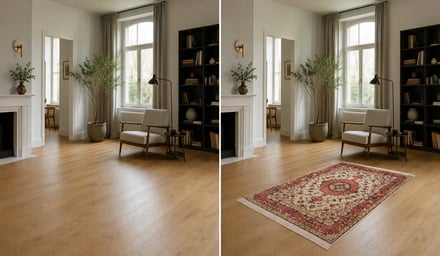
Tabriz carpets are prized by interior architects for their remarkable stylistic versatility. In stately, classical rooms, a medallion Tabriz grounds hardwood or natural stone flooring with aristocratic warmth. In modern, architectural residences, an understated Mahi-patterned rug or a subtle pictorial piece acts as an organic counterpoint to crisp rectilinear millwork, steel, and glass—delivering textural depth in a manner similar to luxury modern carpets while preserving generational craftsmanship.
Collectors comparing northwest Persian weavings often evaluate Tabriz alongside geometric Heriz carpets, which are woven nearby in the Mount Sabalan district. While Heriz weavings present bold tribal geometry, Tabriz offers curvilinear discipline and fine detailing. Furthermore, high-Raj Tabriz pieces with pure silk foundations rival the sheer luster and detail of pure silk rugs from Qum or Isfahan, offering collectors a lifetime of visual and tactile satisfaction.
The dense Turkish double knot makes Tabriz carpets remarkably resistant to pile crushing and daily foot traffic. For ongoing maintenance, vacuum weekly in the direction of the pile nap using suction only (avoid rotary beater brushes).
To guarantee even light exposure, rotate the carpet 180 degrees once every 12 to 24 months. Never apply household chemical cleaners to fine wool or silk pile; deep cleaning should be conducted exclusively by professional Persian rug wash specialists using pH-neutral organic soaps to safeguard natural plant dyes.
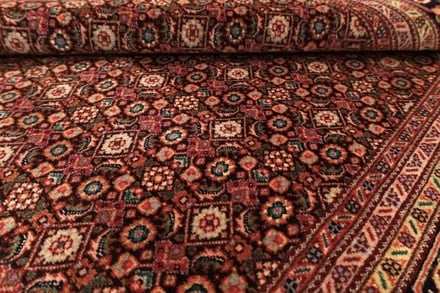
Authentic Tabriz rugs display distinct artisanal hand-knotting indicators on their reverse side. You should see individual, slightly organic knot heads rather than the synthetic, uniform latex mesh of machine-made carpets. The fringes are the natural extension of the structural warp threads, never sewn on separately. Genuine Tabriz rugs utilize the symmetrical Turkish knot (Turk-baft) and should always be accompanied by a certified document of provenance from an established purveyor like RugEast.
"Raj" is the regional grading standard measuring knot count over 7 centimeters (one Persian gereh). A 40 Raj rug provides roughly 330,000–400,000 knots/m², ideal for active family spaces. A 50 or 60 Raj carpet contains between 500,000 and 850,000 knots/m², featuring silk accents and refined linework. Elite carpets crafted in 70 or 80+ Raj surpass 1,000,000 knots/m² and represent peak luxury textile art.
Yes. While mass-produced synthetic rugs depreciate immediately upon delivery, fine hand-knotted Tabriz rugs—particularly pieces graded at 50 Raj or higher, signed works from celebrated master ateliers (e.g., Khatibi, Salari), or late-19th-century Haji Jalili pieces—retain intrinsic value and appreciate steadily on the international decorative arts market.
Yes. Because handmade Tabriz carpets are composed entirely of organic natural fibers (pure sheep wool, natural silk, and twisted cotton) without synthetic backings or chemical glues, they allow radiant heat to circulate freely without emitting volatile organic compounds (VOCs). A high-grade, breathable underlay is recommended to prevent slippage and promote air flow.