
Rugeast
Since 1921
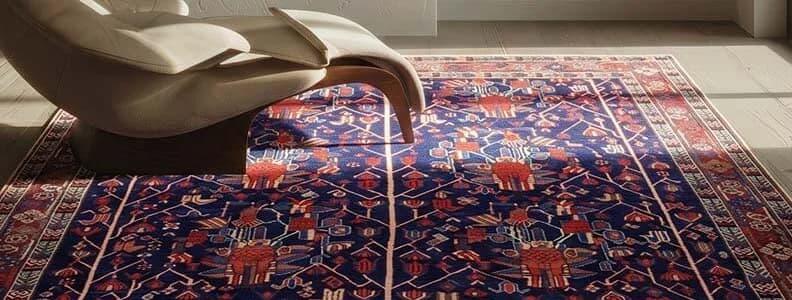
Abadeh Persian rugs from the Fars Province of southern Iran stand out for their vivid geometric diamond patterns, bold colour contrasts, and a compact, expressive village character that gives them a striking presence in traditional and eclectic interiors.
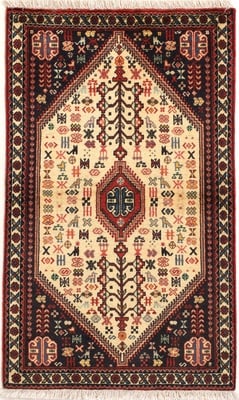
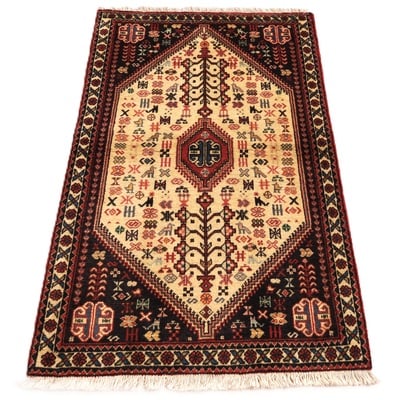
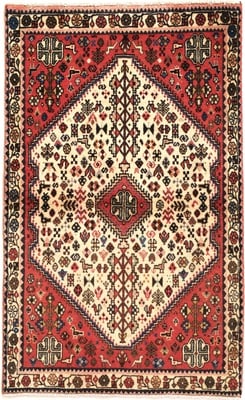
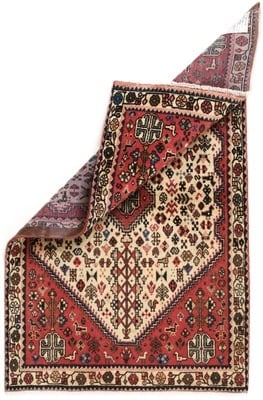
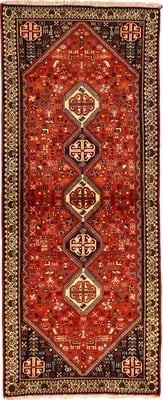
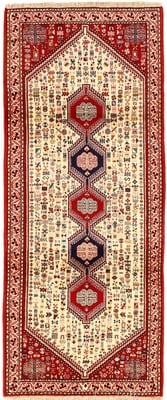
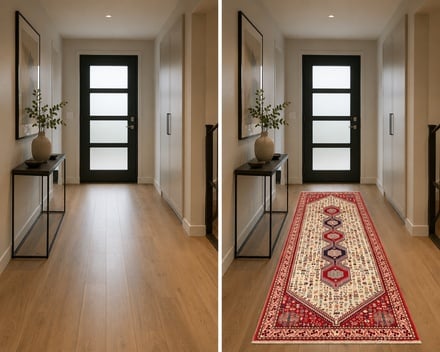
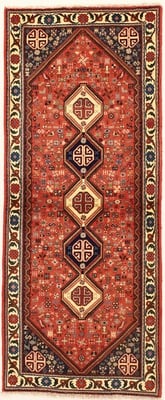
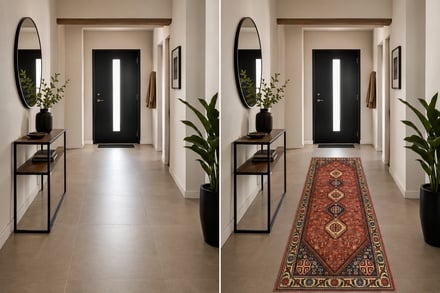
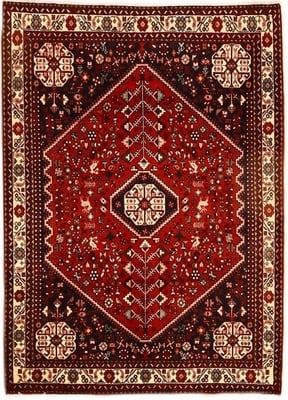
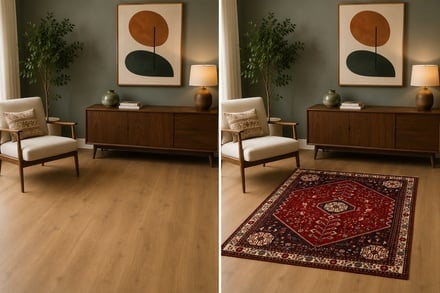
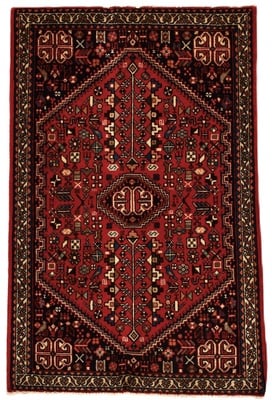
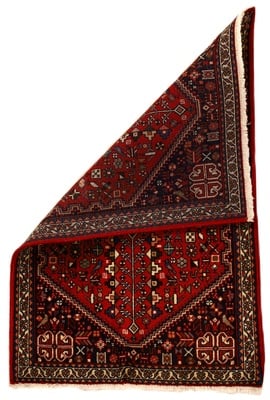
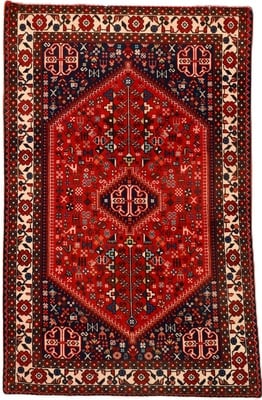
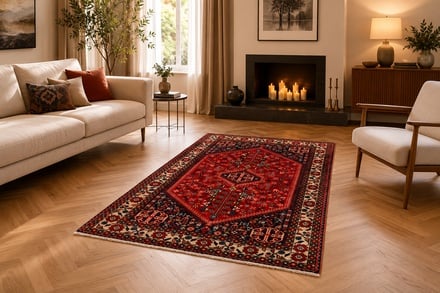
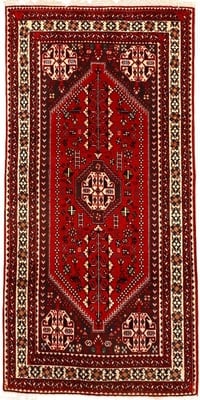
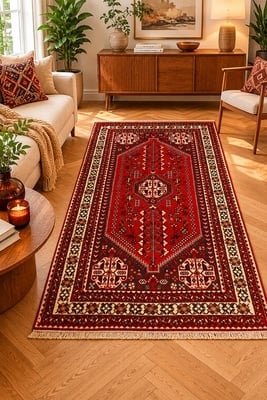
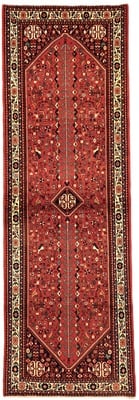
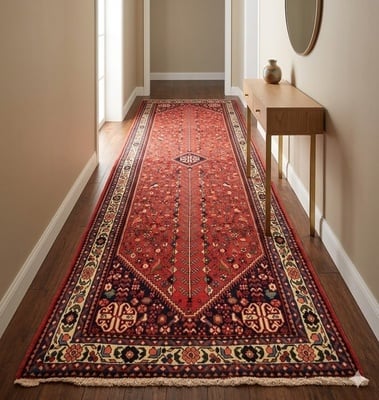
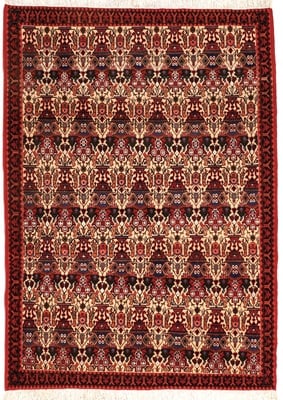
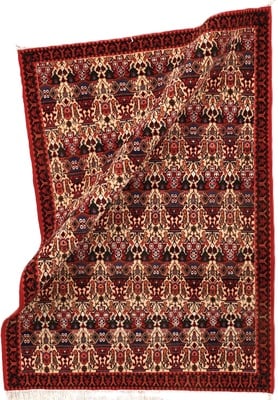
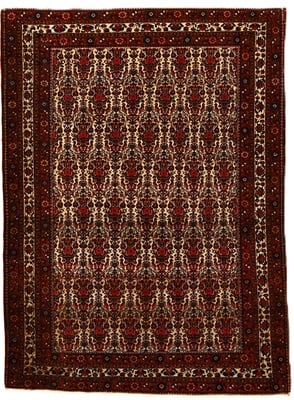
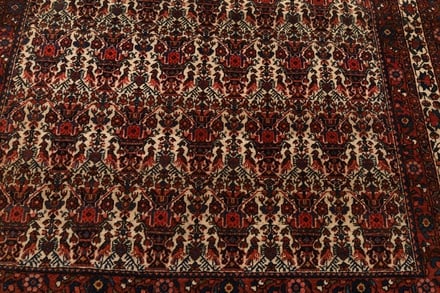
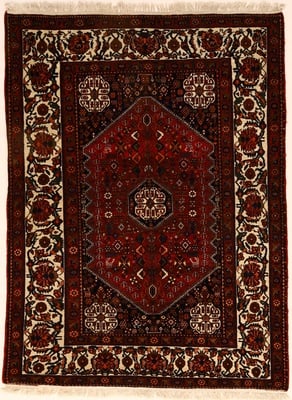
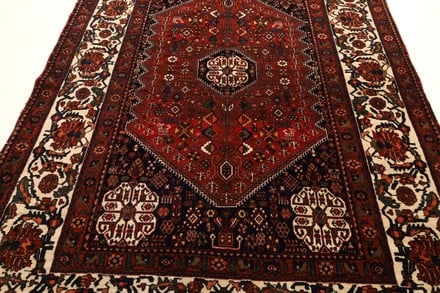
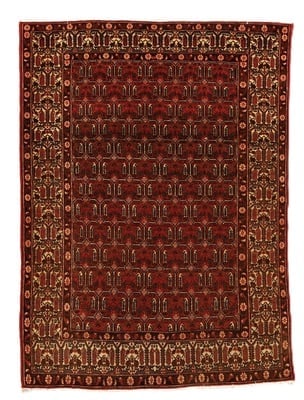
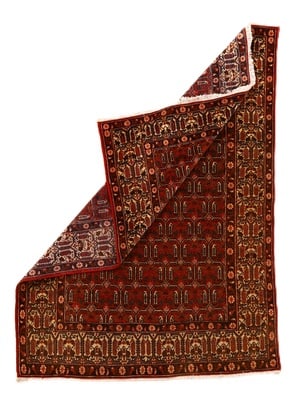
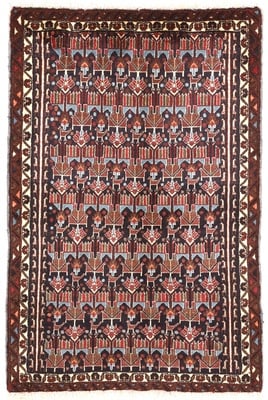
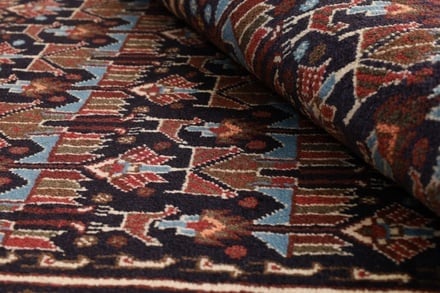
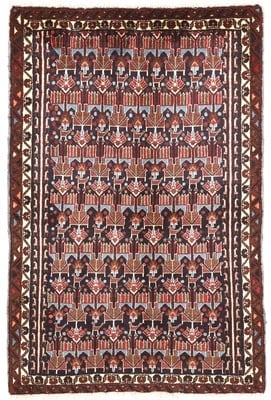
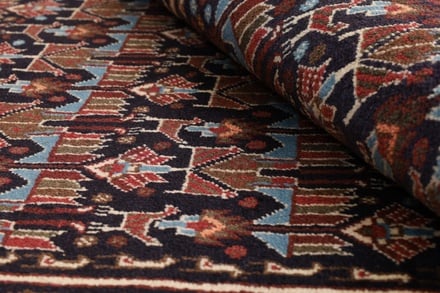
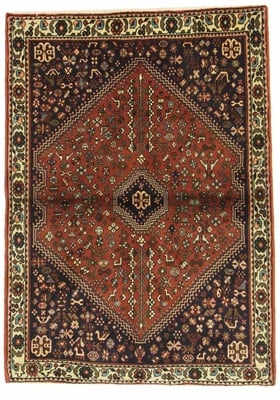
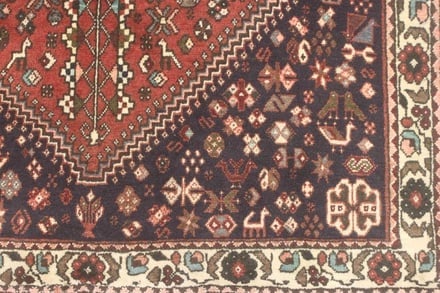
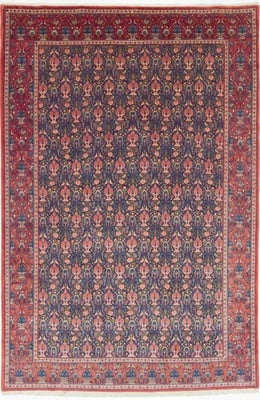
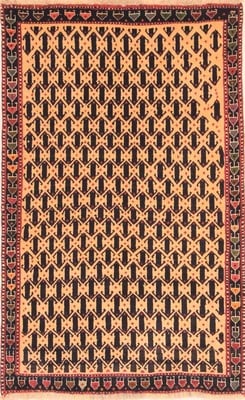
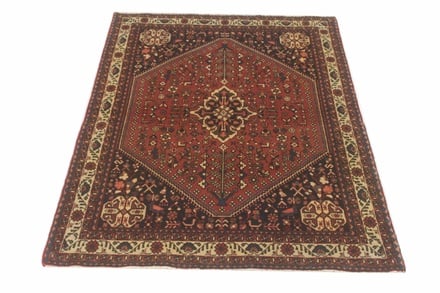
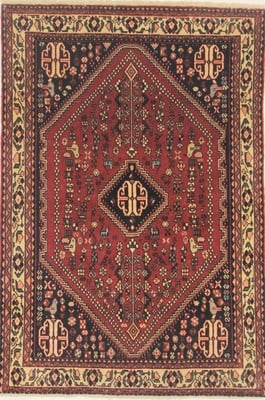
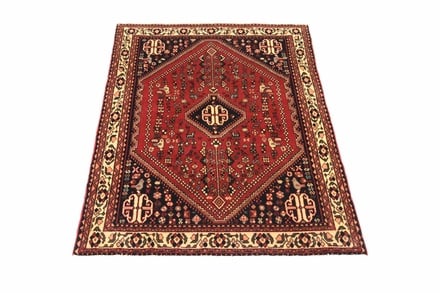
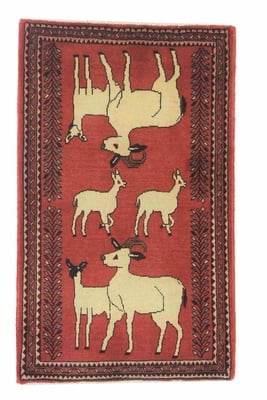
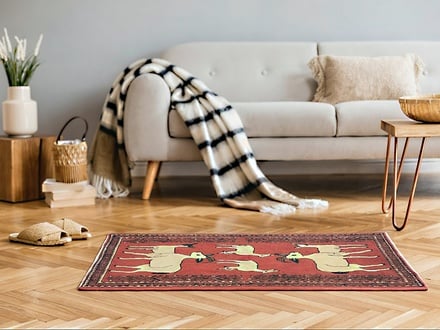
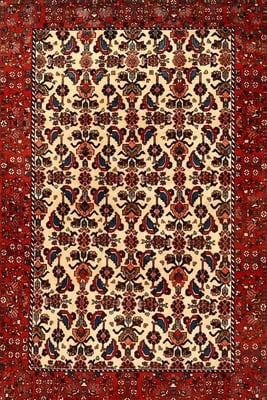
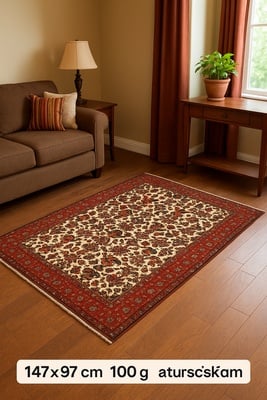
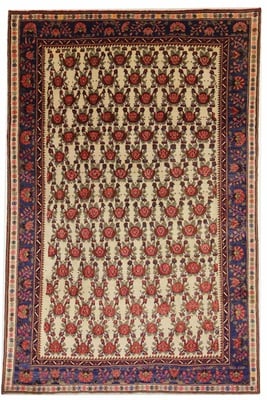
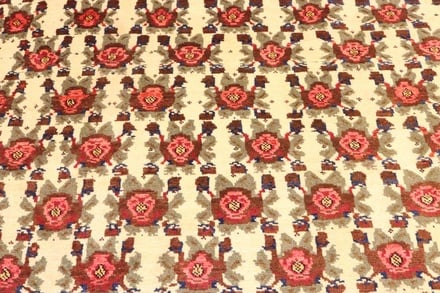
At RugEast, we proudly curate an extraordinary collection of authentic, hand-knotted Abadeh rugs (frequently designated as Abadeh carpets), celebrated across the globe for their distinctive geometric architecture, narrative tribal motifs, and deeply saturated madder palettes. Situated strategically along the historic caravan highway between the royal workshop city of Isfahan and the poetic capital of Shiraz in central Iran, the town of Abadeh represents one of the most culturally vital crossroads in traditional Persian rug weaving.
These heirloom-grade textiles capture a rare artistic equilibrium: they absorb the ancient migratory folklore and totemic animal motifs of pastoral Qashqai carpets while employing the rigid horizontal precision and taut cotton warp foundations characteristic of classical city ateliers. Every single piece housed in our historic warehouse in Hamburg is hand-selected, rigorously authenticated, and woven from 100% natural highland sheep wool to deliver enduring beauty across multiple generations.
For centuries, nomadic confederations such as the Qashqai and Khamseh traversed the mountain passes surrounding Abadeh during their seasonal migrations across the Fars province. While purely nomadic rugs were woven on flexible horizontal ground looms with all-wool foundations—often resulting in irregular borders—the settled master weavers of Abadeh integrated these wild migratory designs onto rigid, upright urban looms with double-weft cotton structures.
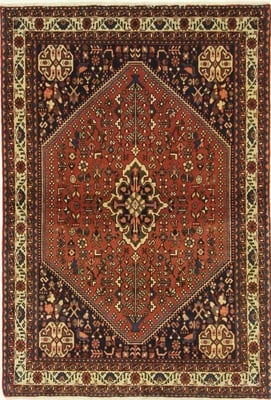
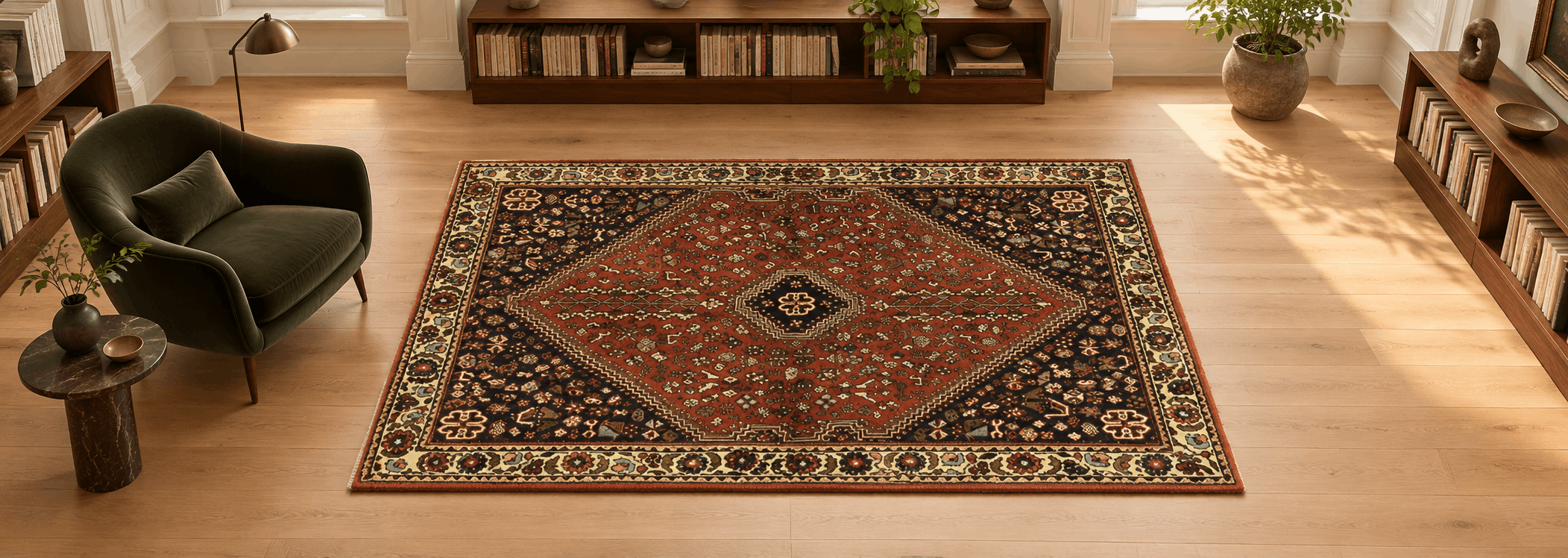
This fusion gave rise to the world-renowned Heybatlou pattern (initially derived from an esteemed tribal clan medallion). At the core of every classic Abadeh rug sits a commanding stepped diamond or hexagonal medallion, framed by four mirrored corner spandrels. The rich, terraced field is densely populated with tiny zoomorphic figures, stylized rosettes, and the iconic "Morghi" (bird) motif. In Persian cultural lore, these paired birds are revered as ancient symbols of spiritual protection, domestic joy, and the annual rebirth of spring.
Flanked by stylized cypress trees, chamomile rosettes, and miniature deer, this intricate design creates an engaging visual tapestry. While collectors of imperial palace sophistication often gravitate towards fine-knot Isfahan carpets, those seeking soulful warmth, robust pile resilience, and narrative charm find their ultimate match in the grounded elegance of an Abadeh.
The remarkable structural integrity of a genuine Abadeh rug is the direct consequence of uncompromising raw materials and painstaking manual execution:
Unlike fast-fashion floor coverings or synthetic machine copies that degrade within a few seasons, an authentic Abadeh rug is an authentic piece of human heritage that gains character and aesthetic value with age.
Its high pile density absorbs acoustic resonance, cushions footstep impact, and withstands continuous daily use beneath heavy solid oak or walnut furniture without suffering fiber damage.
An Abadeh rug is not merely a purchase—it is a lifelong investment in comfortable living and timeless taste.
The Central Hexagon: Symbolizes the cosmic axis and personal sanctuary, warding off malevolent forces from entering the homestead.
The "Morghi" Birds: Represent freedom, eternal life, and seasonal vitality across ancient Persian and pastoral nomadic mythologies.
Boteh & Cypress Motifs: Embody the everlasting tree of life, resilience against adversity, and generational endurance.
The structured geometry and grounded earth-toned palette of Abadeh carpets make them exceptionally adaptable across a variety of interior architectural styles:
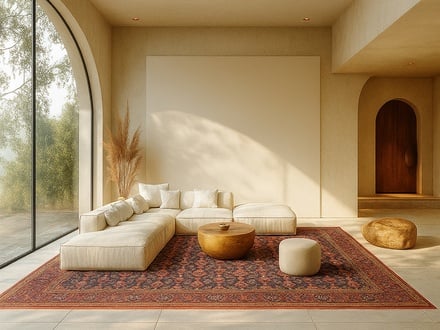
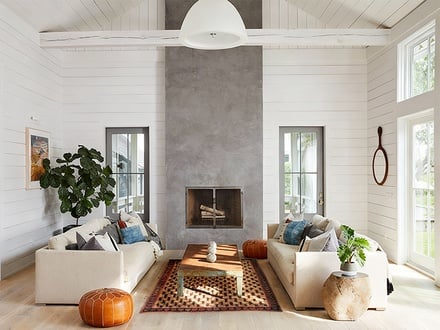
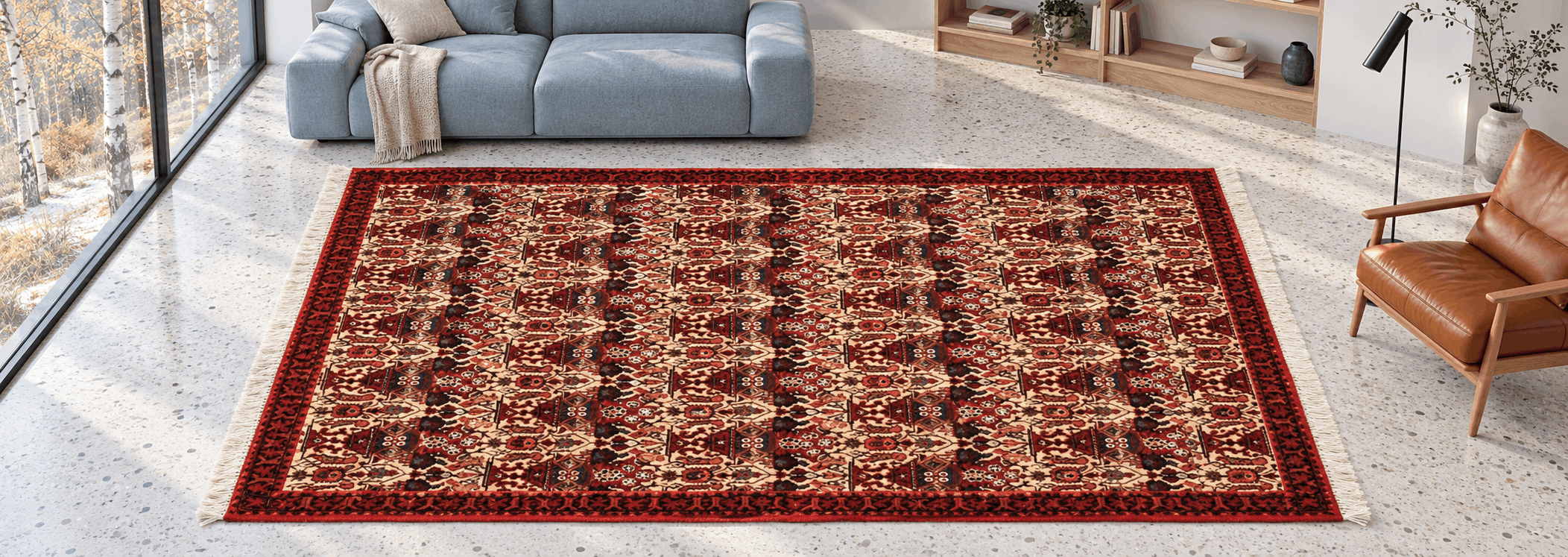
In expansive open-concept layouts, a large-format Abadeh (such as 300 x 200 cm) acts as a grounding anchor. Positioned beneath low-profile linen sofas, smoked glass coffee tables, or minimalist cognac leather armchairs, it infuses warmth and narrative texture into our selection of living room rugs.
The tight weave and resilient wool pile of an Abadeh carpet allow heavy dining chairs to glide effortlessly. The rich, terraced motifs naturally disguise minor crumbs and foot traffic marks, maintaining an immaculate appearance during festive gatherings.
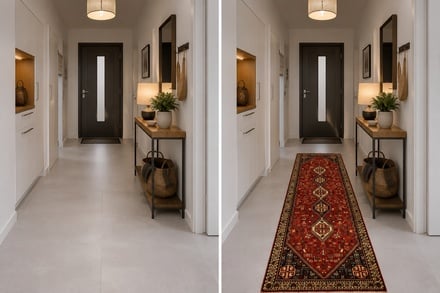
For hallways that receive continuous foot traffic, our hand-woven Abadeh runners in our specialized runner rugs gallery provide non-slip structural stability, thermal insulation against cold subfloors, and an instant aristocratic greeting.
To explore other renowned regional traditions across Iran—from the floral medallions of Kashan to the silk masterpieces of Qom—visit our full showcase of hand-knotted oriental carpets.
Thanks to the natural lanolin oils present in unstripped highland wool, caring for an original Abadeh carpet is remarkably effortless. Follow these proven principles to preserve its tactile luster for decades:
RugEast operates as the digital flagship of Bidabadi GmbH, an established international authority in the direct import and wholesale of authentic Persian carpets located in the historic Speicherstadt of Hamburg, Germany. By eliminating intermediate broker markups, we guarantee direct provenance, museum-level curatorial standards, and fair pricing.
1. How are Abadeh carpet prices determined?
Abadeh rug pricing depends on size, wool grade, knot density (knots per m²), age, and the quality of vegetable dyes. Smaller accent pieces typically start from €350 to €600, while expansive living room carpets and vintage collector editions range from €1,100 to €2,800, representing outstanding long-term intrinsic value.
2. What is the fundamental difference between an Abadeh and a Shiraz rug?
While Shiraz rugs are knotted on flexible woolen warps with looser nomadic knotting, Abadeh carpets are woven on tightly strung cotton foundations. This gives the Abadeh a heavier, perfectly flat floor lay, greater geometric precision in its medallions, and significantly higher resistance to heavy wear.
3. Are Abadeh rugs compatible with underfloor radiant heating?
Yes, perfectly. Real hand-knotted Abadeh rugs are constructed entirely from organic sheep wool and natural cotton without synthetic backings, synthetic adhesives, or chemical rubber layers. Radiant heat transfers smoothly through the natural fibers without drying the foundation or generating chemical odors.
4. What does the "Morghi" bird motif mean in an Abadeh rug?
The "Morghi" (small stylized bird) is the historic signature of Abadeh weaving. Derived from ancient Persian nomadic mythology, it symbolizes divine blessing, freedom of the soul, and the renewal of spring. It serves as a protective talisman for the household.
5. Where can I buy verified, original Abadeh carpets online?
At RugEast.com, backed by Bidabadi GmbH's decades of heritage in Hamburg. Every piece is personally curated, arrives with a verified Certificate of Authenticity, and includes fully insured, complimentary EU delivery with a comprehensive 31-day return policy.
Transform your home with the authentic warmth, geometric charm, and historical soul of the Fars province. Explore our verified collection of authentic Abadeh rugs at RugEast.com. Select your one-of-a-kind textile treasure and enjoy direct importer pricing, certified authenticity, and free, fully insured delivery across Europe with a 31-day satisfaction guarantee.
 Nain Persian Rugs
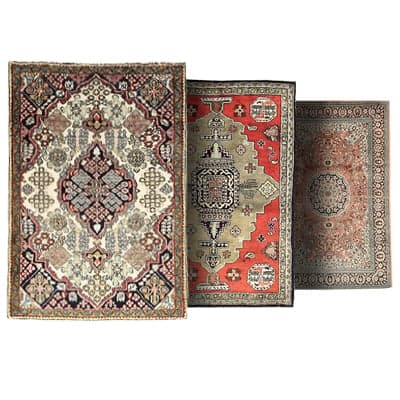 Luxury Silk Rugs
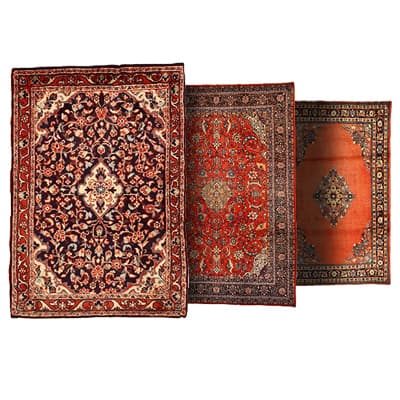 Sarough Persian Rugs
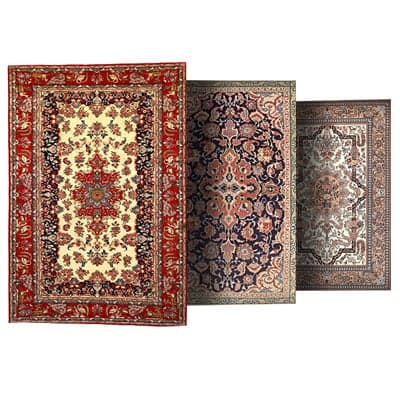 Isfahan Persian Rugs
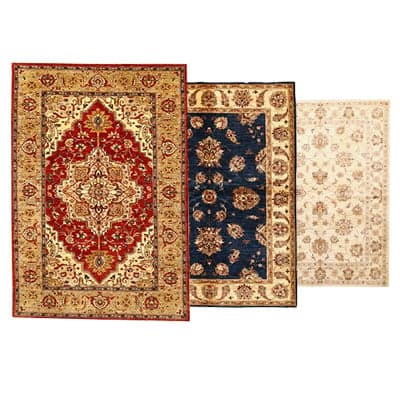 Ziegler & Kazak Rugs
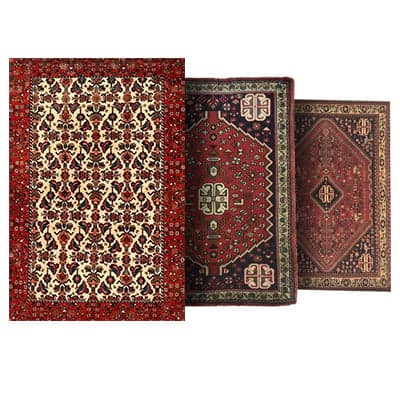 Abadeh Persian Rugs
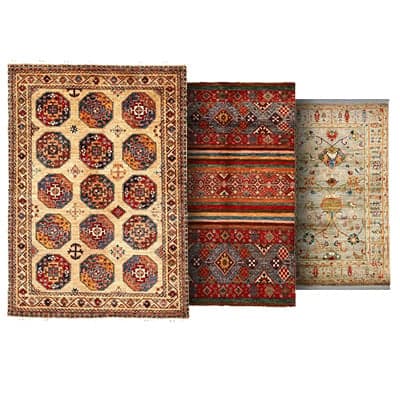 Afghan & Pakistani Rugs
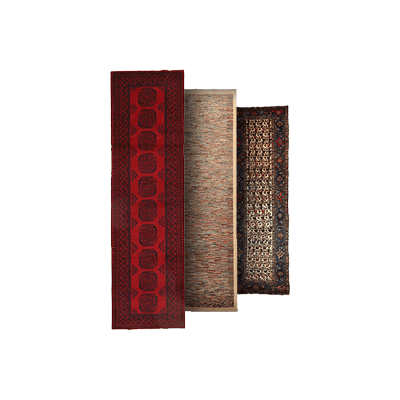 Runners Rugs
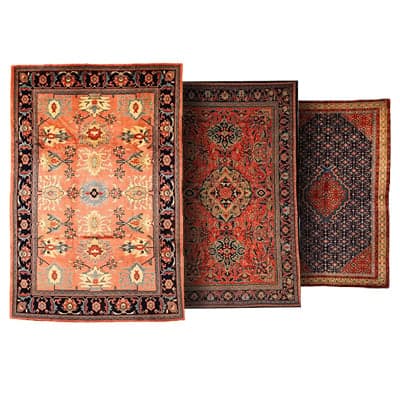 Ardebil Persian Rugs
 Bidjar Persian Rugs
 Chinese Rugs & Carpets
 Exclusive Premium Carpets
 Ghom Persian Rugs
 Indian Carpets & Rugs
 Kashan Persian Rugs
 Mashhad Persian Rugs
 Kerman Persian Rugs
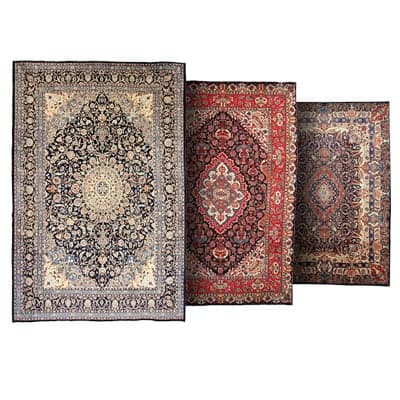 Kashmar Persian Rugs
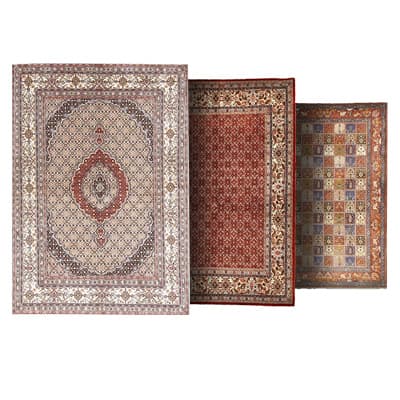 Moud Persian Rugs
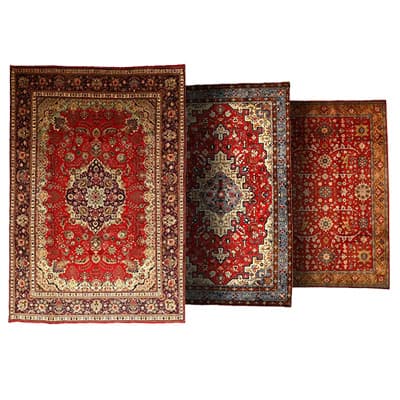 Tabriz Persian Rugs
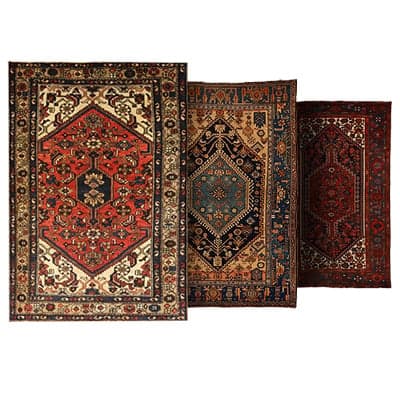 Zanjan Persian Rugs