
Rugeast
Since 1921
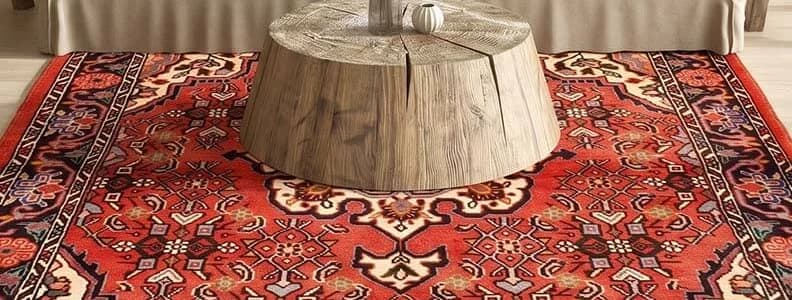
Bidjar Persian rugs from the Kurdistan region of north-western Iran are known as the "iron rugs of Persia" woven to an exceptionally dense structure that delivers outstanding durability, strong ornamental patterns, and a long-lasting investment for any interior.
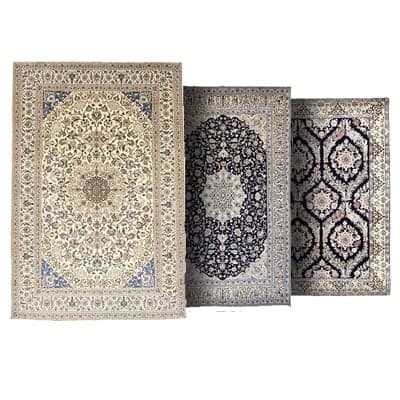 Nain Persian Rugs
 Luxury Silk Rugs
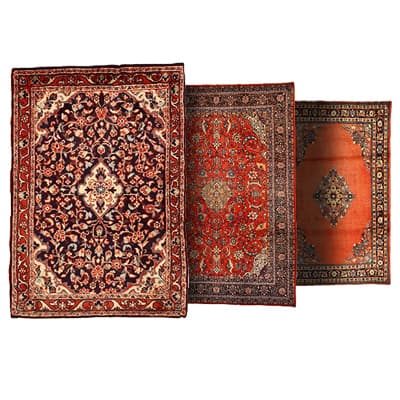 Sarough Persian Rugs
 Isfahan Persian Rugs
 Ziegler & Kazak Rugs
 Abadeh Persian Rugs
 Afghan & Pakistani Rugs
 Runners Rugs
 Ardebil Persian Rugs
 Bidjar Persian Rugs
 Chinese Rugs & Carpets
 Exclusive Premium Carpets
 Ghom Persian Rugs
 Indian Carpets & Rugs
 Kashan Persian Rugs
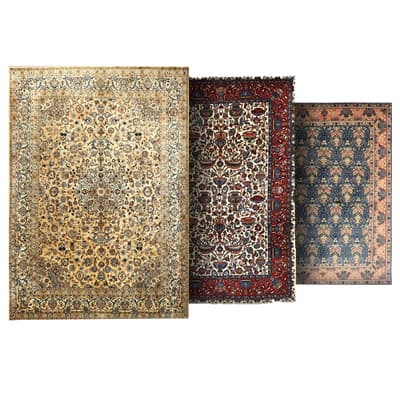 Mashhad Persian Rugs
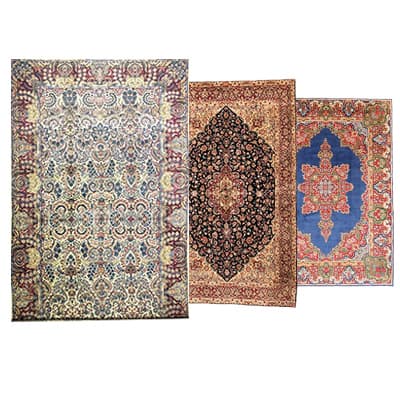 Kerman Persian Rugs
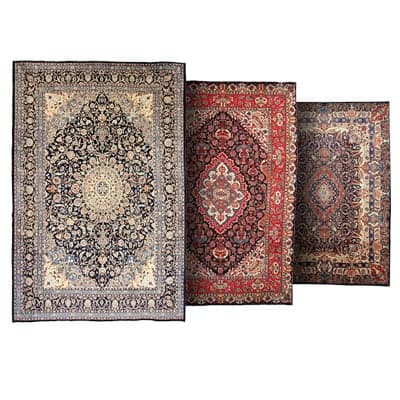 Kashmar Persian Rugs
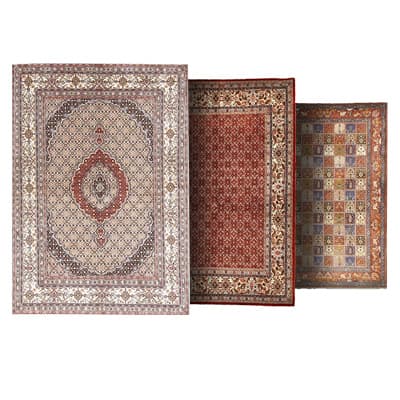 Moud Persian Rugs
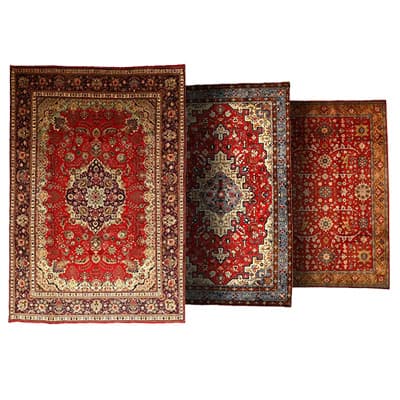 Tabriz Persian Rugs
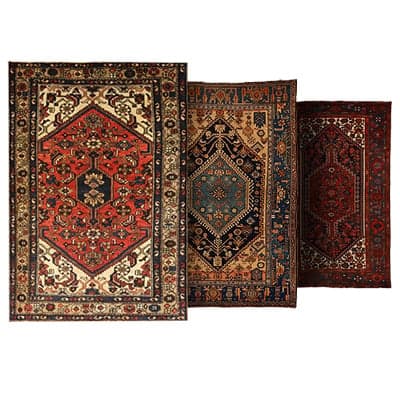 Zanjan Persian Rugs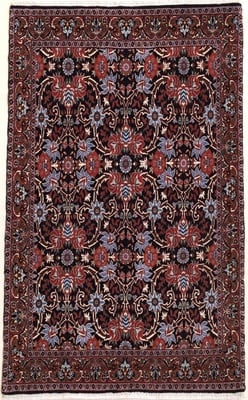
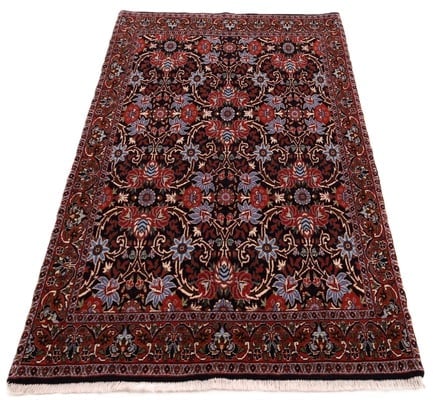
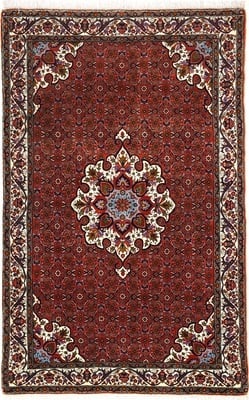
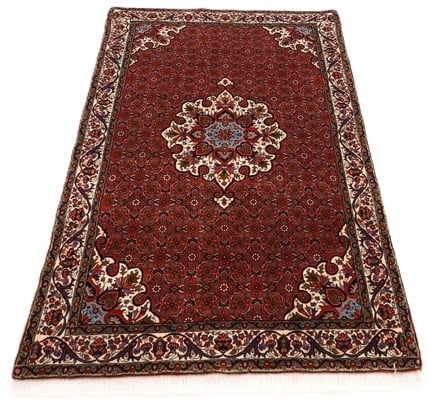
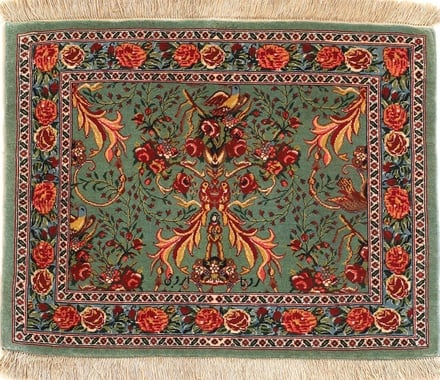
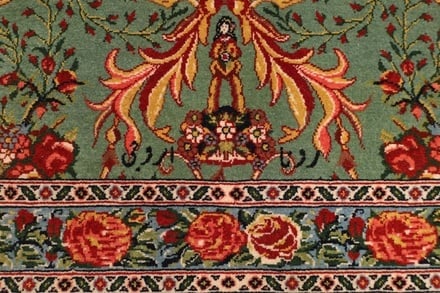
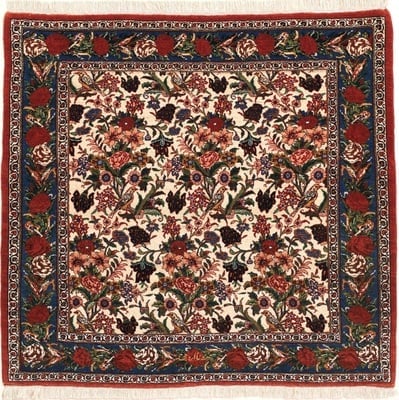
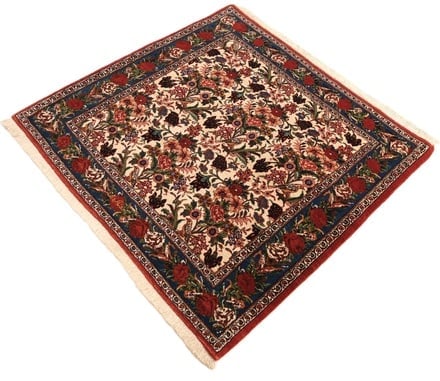
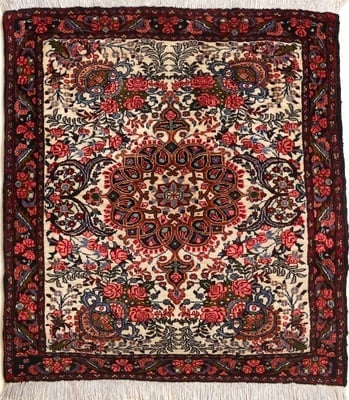
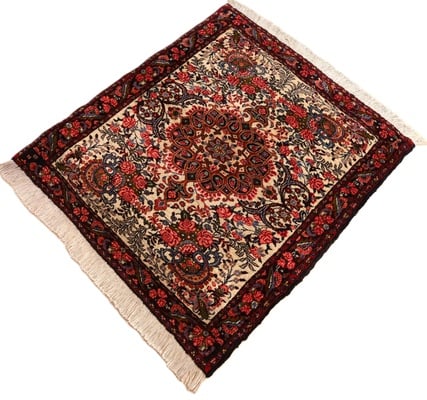
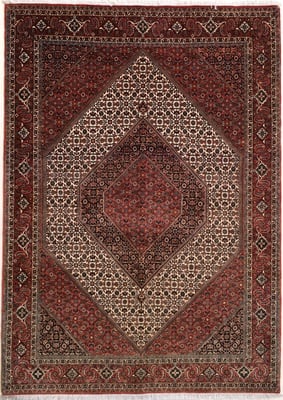
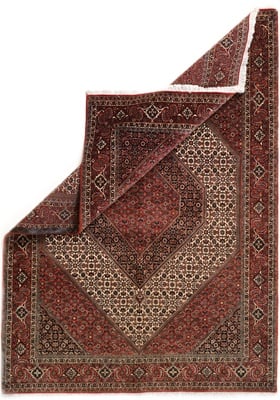
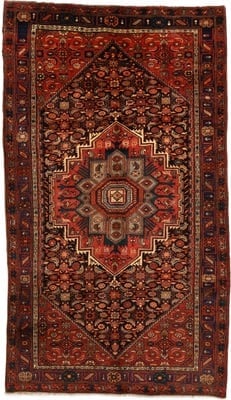
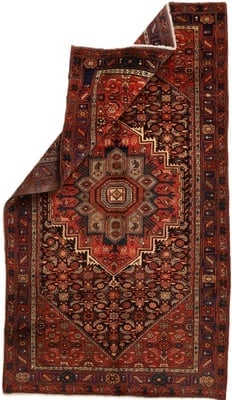
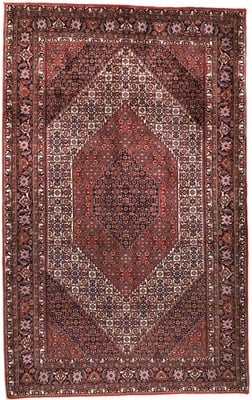
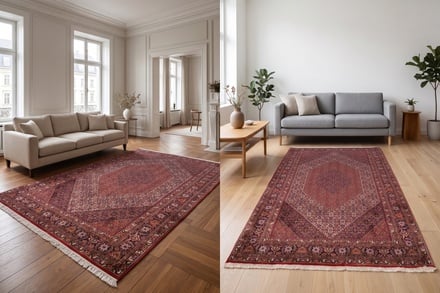
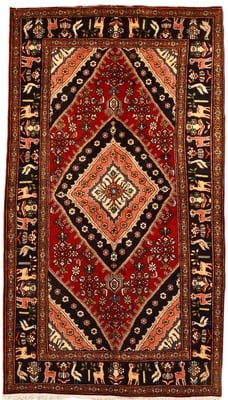
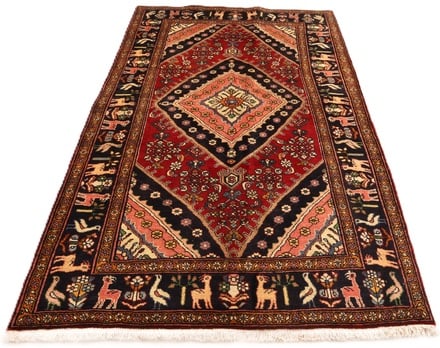
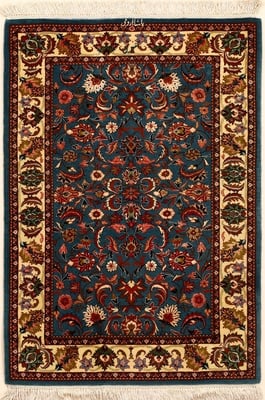
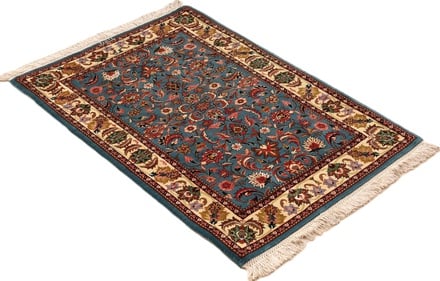
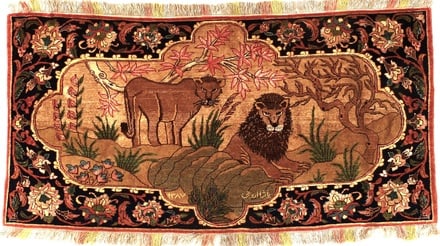
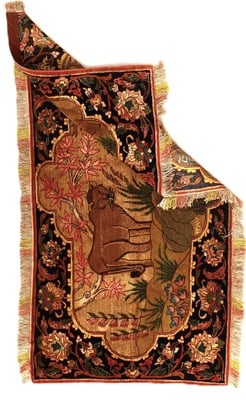
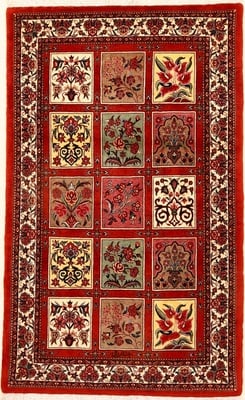
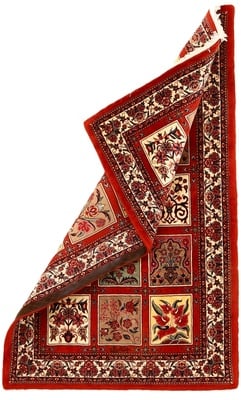
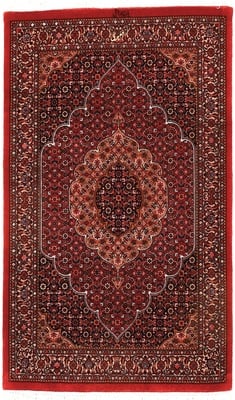
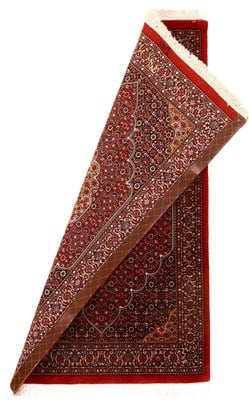
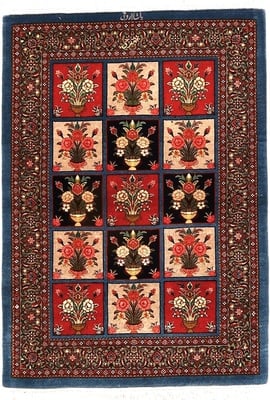
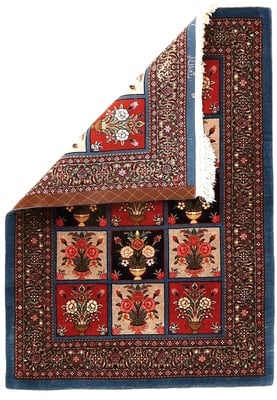
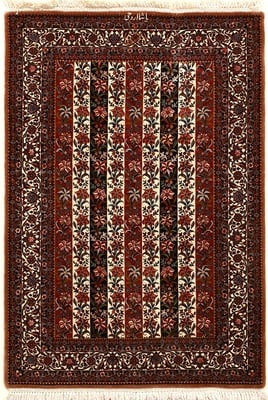
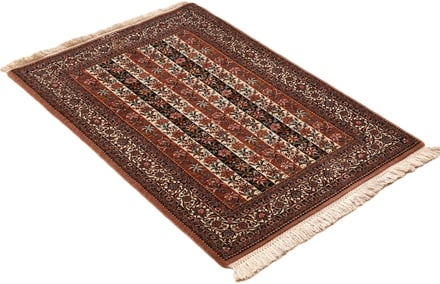
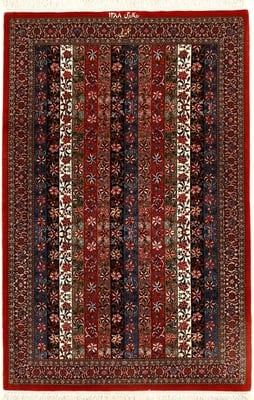
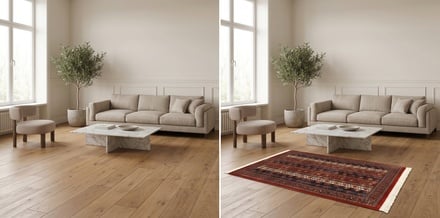
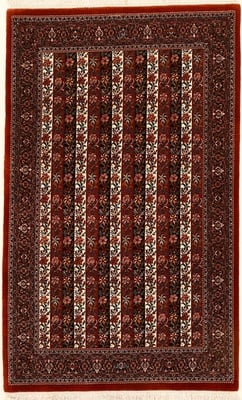
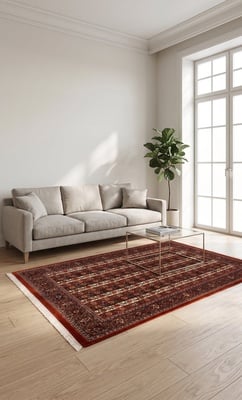
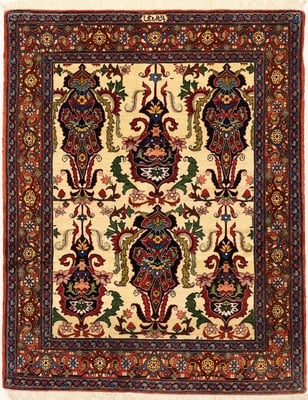
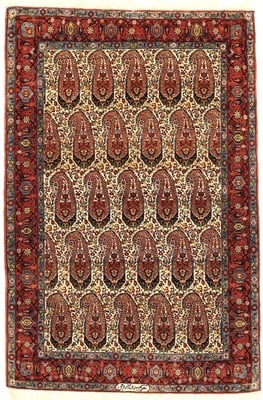
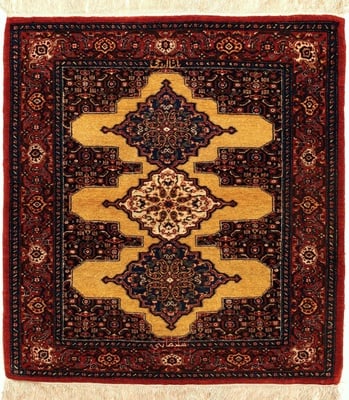
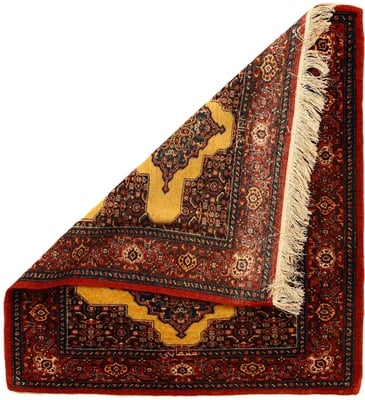
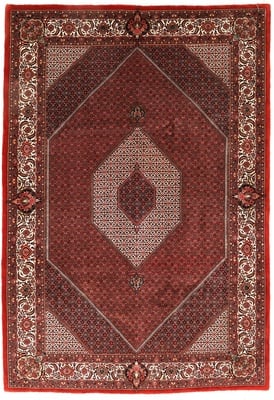
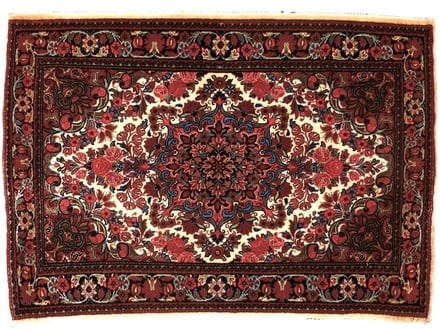
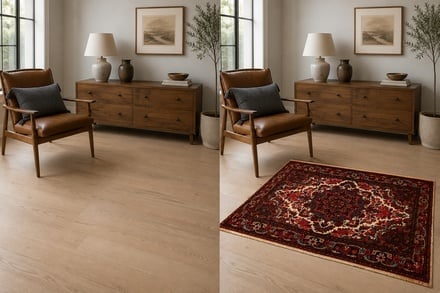
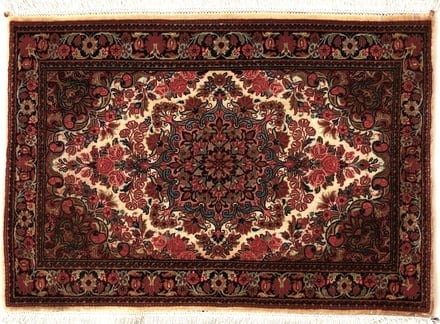
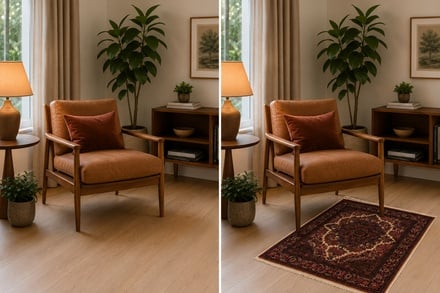
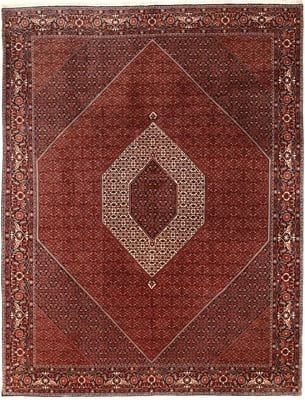
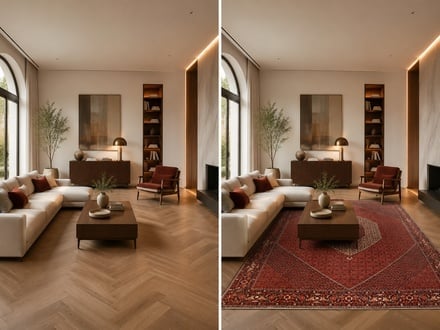
In the world of classical oriental weaving, few names command as much respect for structural integrity as the Bijar carpet. Often revered as the "Iron Rug of Persia," this extraordinary floor covering originates from the rugged, mountainous terrain of Kurdistan in northwestern Iran. It is not merely a decorative piece; it is a testament to an ancient, rigorous engineering technique that transforms wool and cotton into a surface of near-legendary resilience.
At RugEast.com, we are proud to offer an exclusive collection of these authentic Kurdish masterpieces. Whether you are looking for a robust foundation for your living room, a high-traffic runner for your hallway, or an investment-grade piece for a home office, a Bijar carpet brings unparalleled longevity and timeless beauty to your interior. Discover why these carpets remain the gold standard for high-performance oriental carpets.
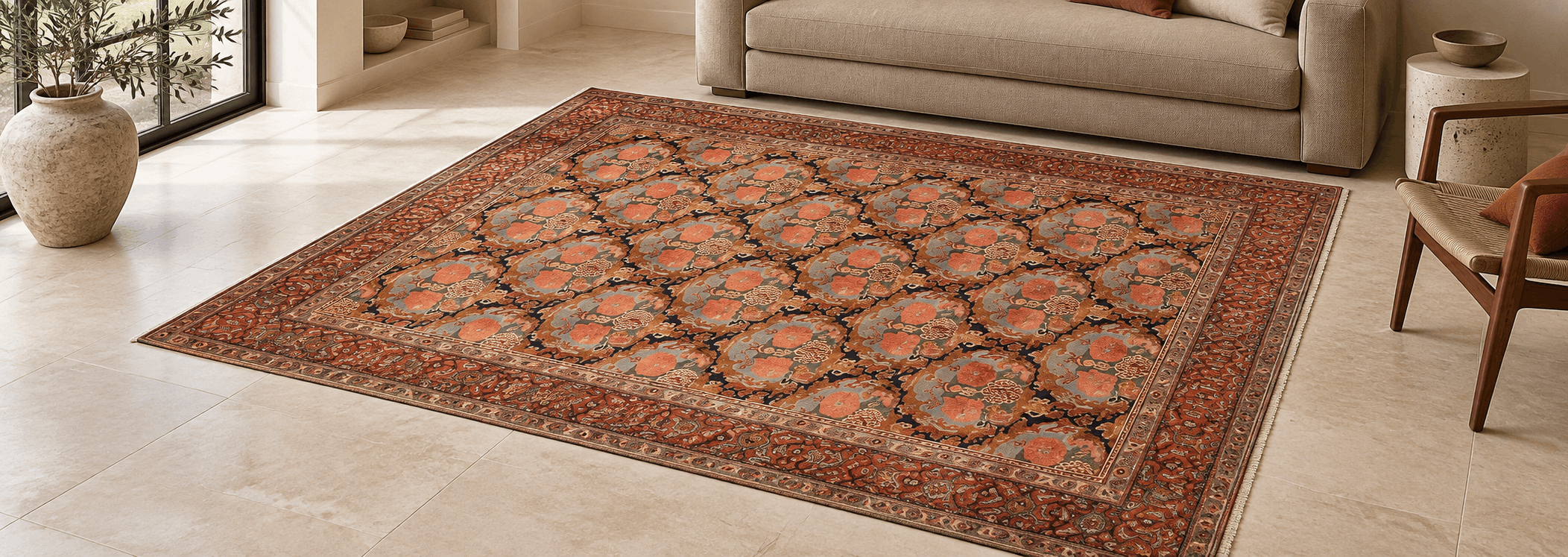
What truly defines a Bijar carpet is the specific method of construction known to collectors as "warp-beating." While standard rug weaving involves placing a weft thread across the width of the rug to lock the knots in place, Bijar weavers take this process to an extreme level.
Using a heavy, specialized metal tool (often referred to as a comb or beater), the Kurdish artisans hammer the weft threads down with immense force after every single row of knots. This repetition packs the knots together so densely that the foundation becomes remarkably stiff. If you were to lift one corner of a genuine Bijar, you would notice it resists bending—a characteristic tactile "hardness" that gives it the nickname "Iron Rug." This density is not just for show; it effectively prevents dirt, dust, and moisture from penetrating the base of the pile, ensuring the rug remains pristine for decades.
The structural brilliance of a Bijar is matched only by the quality of its raw materials. The combination of highland wool and cotton creates a harmonious balance of strength and flexibility:
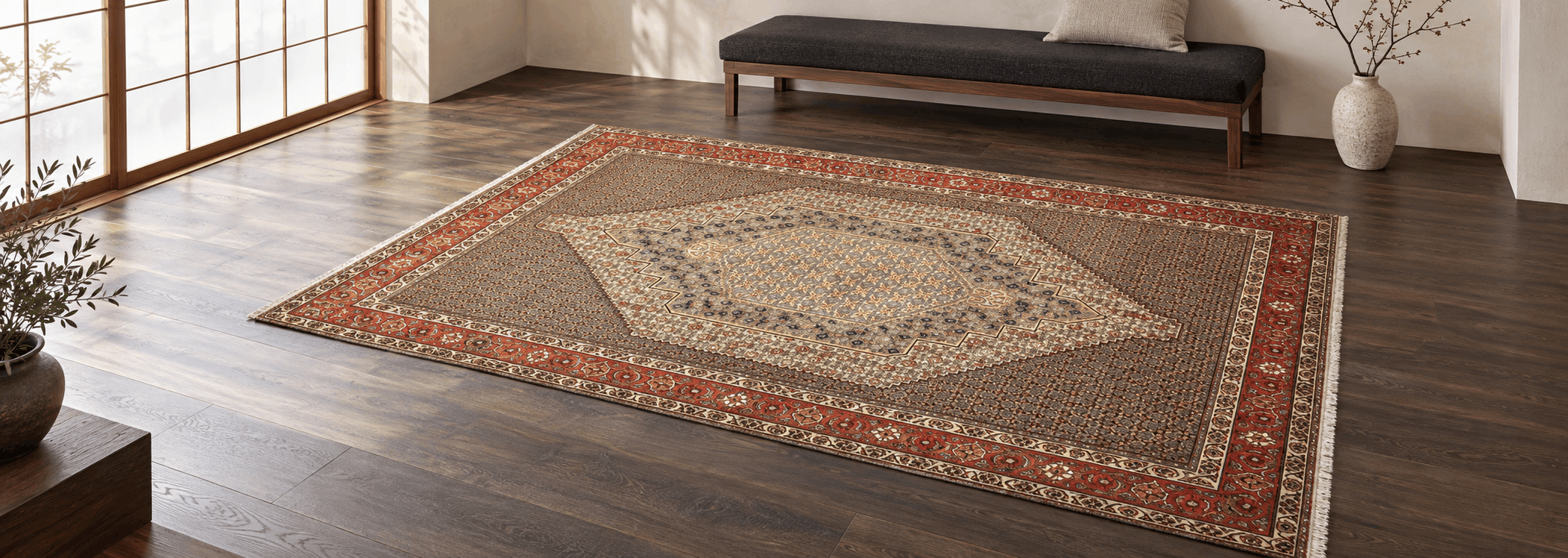
The most iconic Bijar pattern is the Herati motif, often known as the "fish design." It features a central diamond-shaped floral element surrounded by four curling leaves.
This rhythmic, infinite pattern creates a sense of balance in any room. Coupled with deep, contrasting color palettes—such as navy blue fields with madder-red borders—these designs provide a focal point that is both dramatic and timeless.
Because of their density, Bijar rugs are the ultimate choice for high-use areas. They easily withstand the weight of heavy dining tables or the constant foot traffic of a busy hallway.
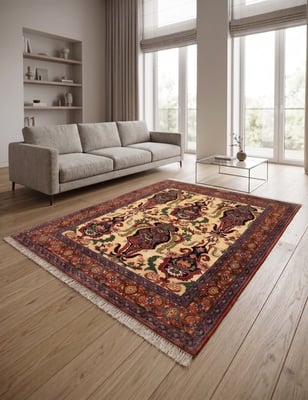
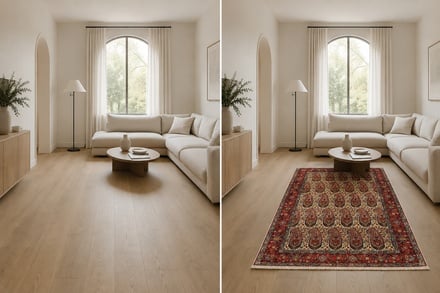
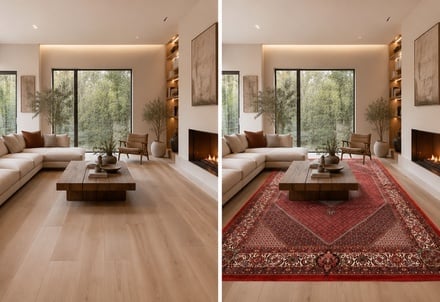
In modern or minimalist homes, a Bijar carpet acts as an "anchor," bringing warmth and historic soul to cold, contemporary spaces.
When you purchase a hand-knotted Bijar carpet, you are not buying a consumer good that will eventually be discarded. You are acquiring a piece of cultural history.
Unlike mass-produced machine rugs that wear down within a few years, a well-maintained Bijar rug can last for over a century. Collectors and interior designers prize these carpets not only for their aesthetic beauty but for their ability to appreciate in value. As the wool settles and the colors mellow with time, the rug becomes a more integral part of the home's character. This is why Bijar rugs are frequently passed down as family heirlooms.
RugEast is the digital extension of Bidabadi GmbH, a Hamburg-based tradition house specializing in direct imports from the heart of Persia. We bridge the gap between Kurdish artisans and your home.
1. Why is the Bijar carpet called the "Iron Rug"?
It is due to the extreme density achieved by the "warp-beating" technique. The heavy hammering of the weft threads creates such a tight structure that the finished rug is unusually stiff, rigid, and incredibly resistant to wear.
2. Are these carpets suitable for dining rooms?
Yes. Bijar carpets are perhaps the most ideal choice for dining rooms. Their dense pile resists indentation from table and chair legs, and their structure makes them easy to clean compared to loosely knotted rugs.
3. How does a Bijar differ from a Tabriz carpet?
Tabriz carpets are celebrated for their extreme delicacy, intricate detail, and often flowing, refined patterns. Bijar carpets, by contrast, focus on robust durability and structural power, favoring slightly bolder, more rhythmic tribal-inspired designs.
4. Can I use a Bijar rug with underfloor heating?
Absolutely. As 100% natural fiber products, Bijar rugs are perfect for underfloor heating. They do not contain synthetic glues that might melt or off-gas when heated, ensuring a healthy and comfortable living environment.
5. How do I maintain such a dense rug?
Simple vacuuming with a suction-only attachment is sufficient. Because of their density, dust barely penetrates the pile. For major spills, blotting immediately with a clean, dry cloth is usually enough. Professional washing is only needed every 5–8 years.
Invest in a piece of history that combines legendary Kurdish durability with timeless Persian aesthetics. Explore our curated selection of hand-knotted Bijar carpets at RugEast.com. Enjoy Hanseatic quality, a full certificate of authenticity, and secure, free EU shipping backed by our 31-day return policy.