
Rugeast
Since 1921
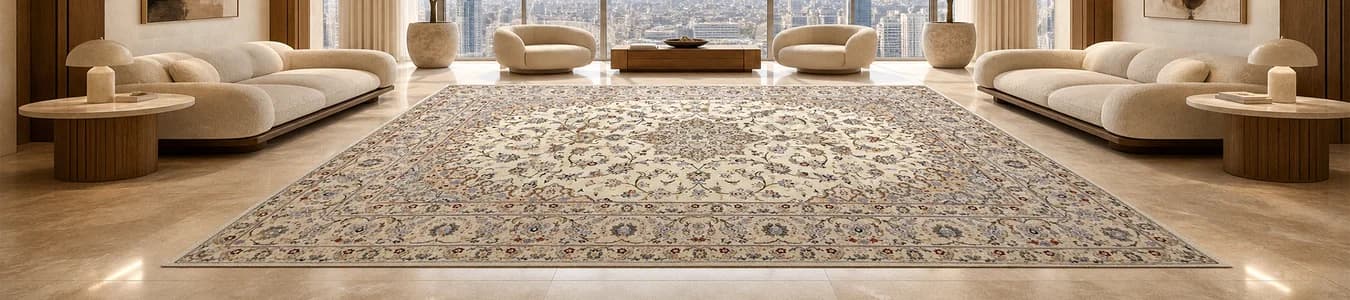
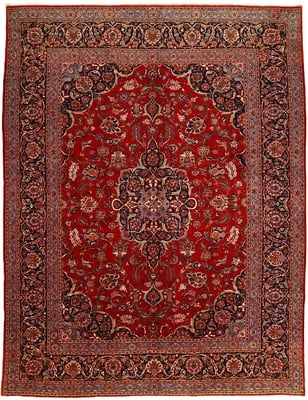
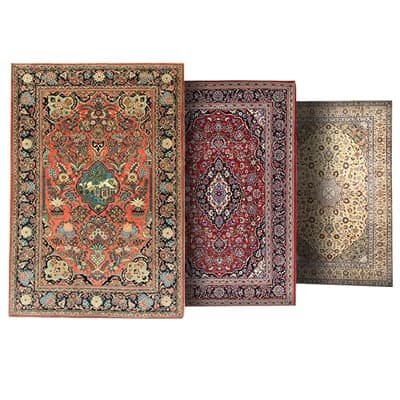
Kashan Persian rugs from the ancient carpet city of Kashan in central Iran are among the most sought-after in the world — revered for formal medallion layouts, jewel-like deep reds and blues, and a classical grandeur that suits the finest traditional interiors.
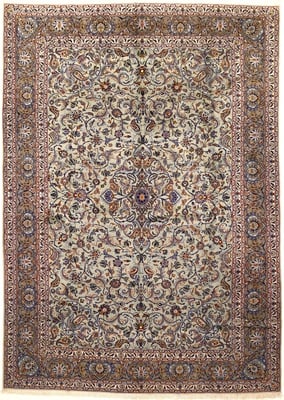
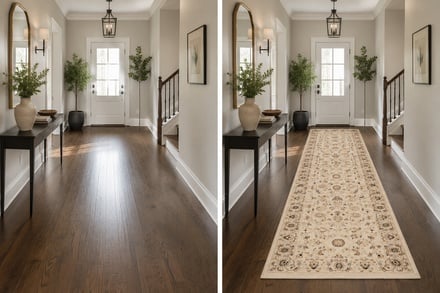
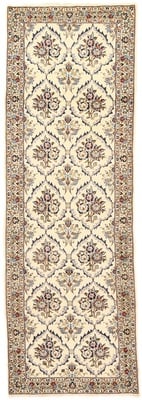
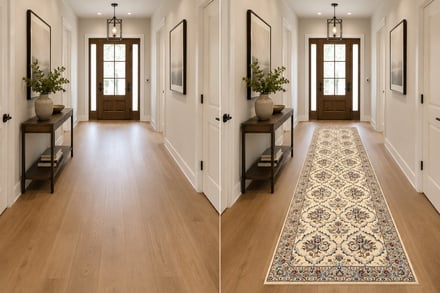
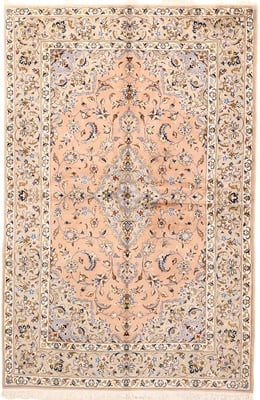
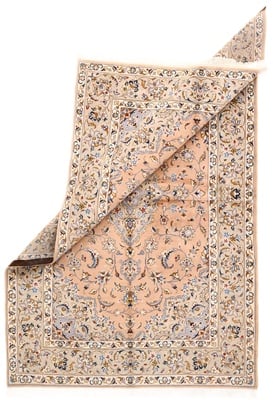
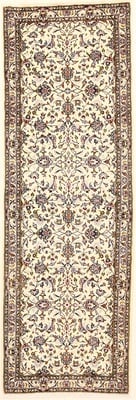
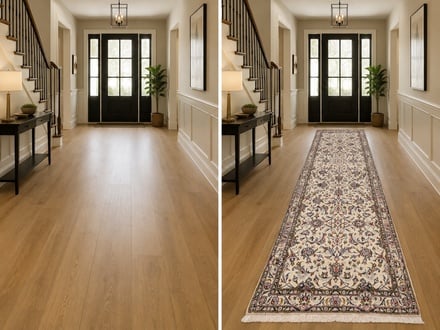
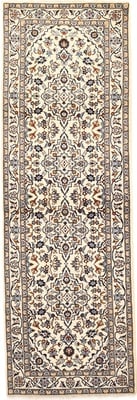
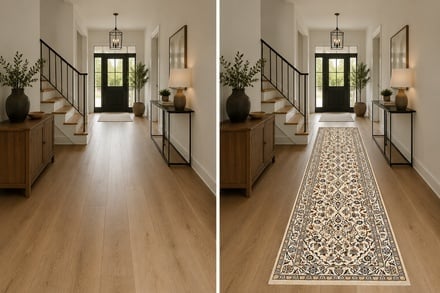
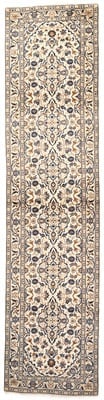
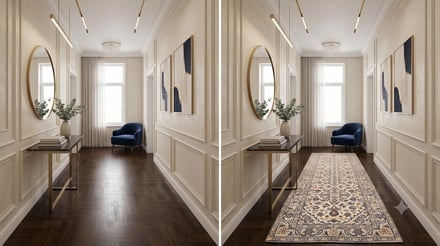
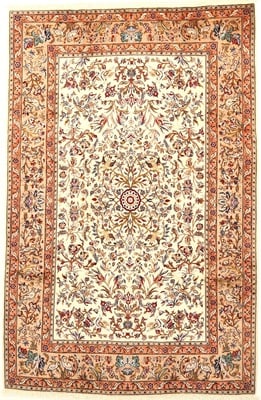
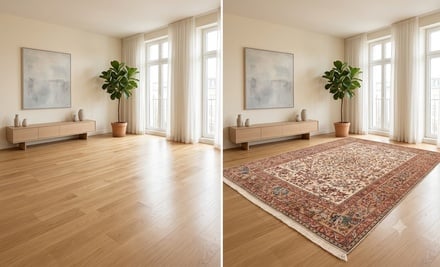
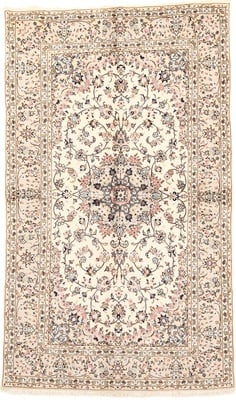
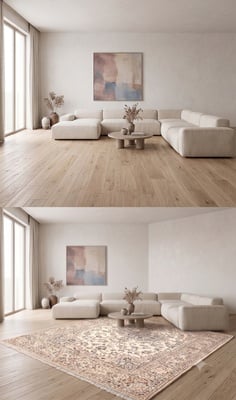
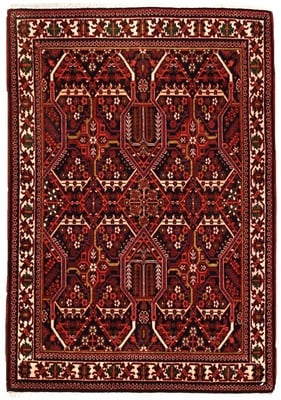
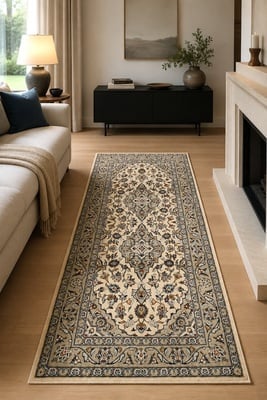
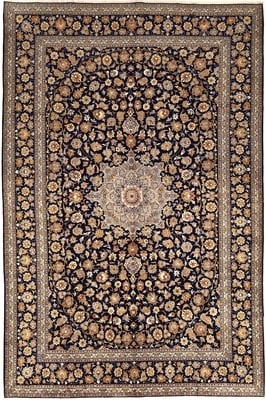
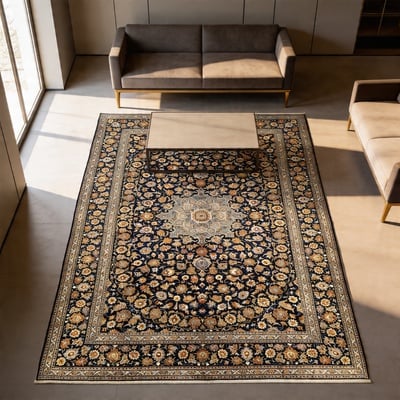
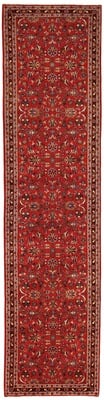
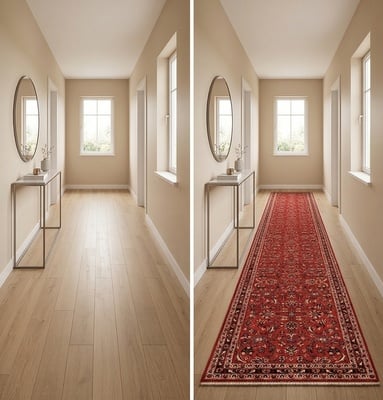
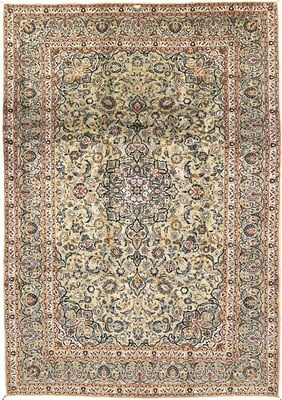
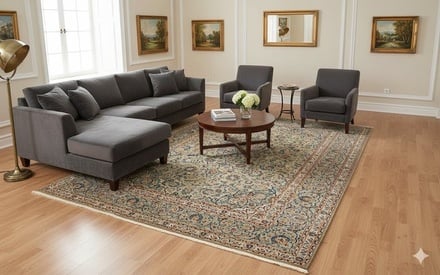
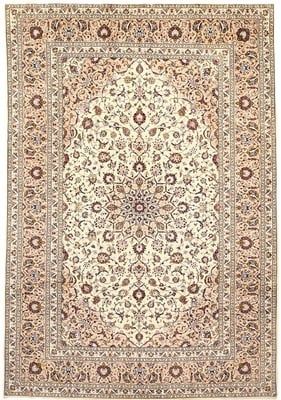
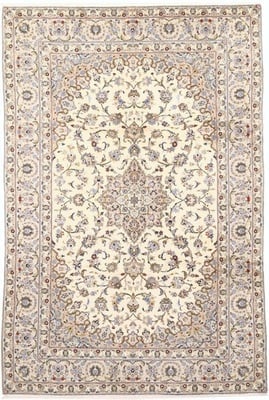
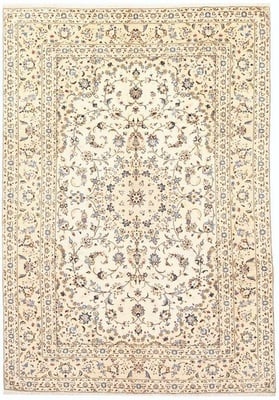
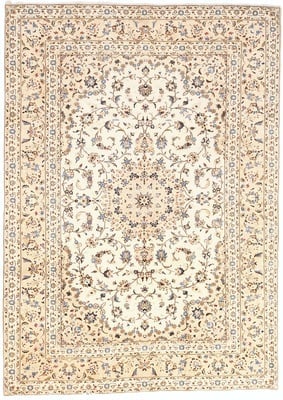
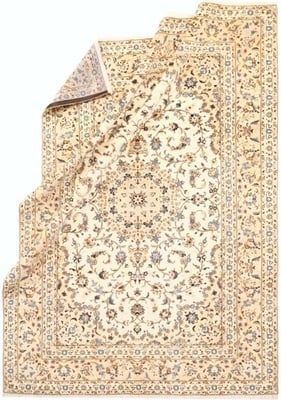
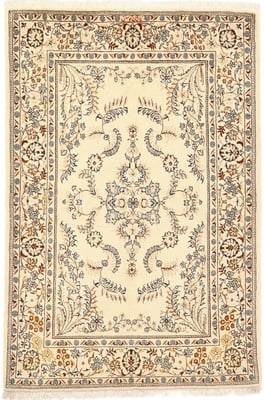
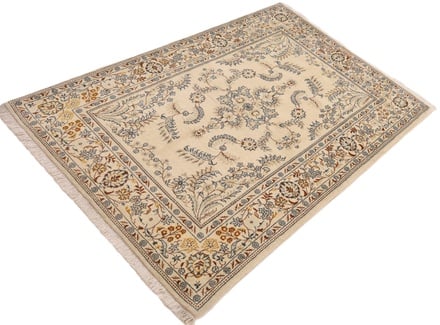
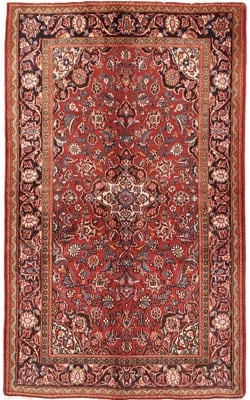
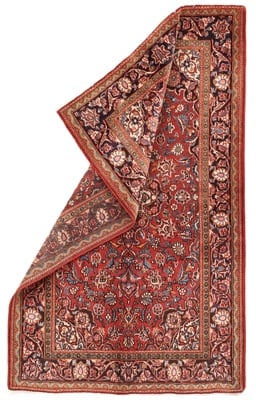
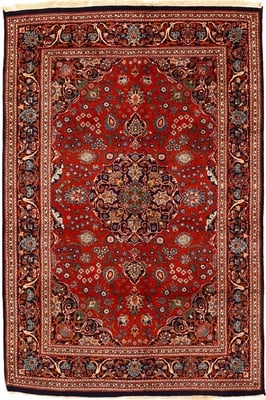
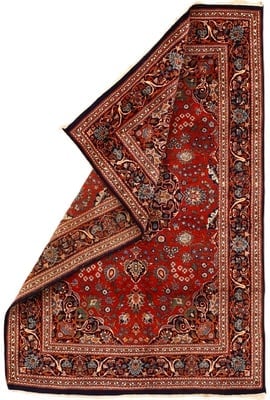
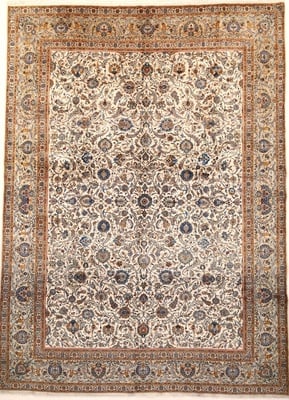
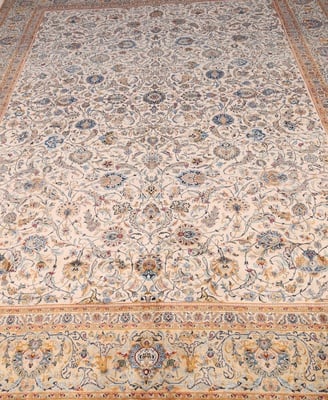
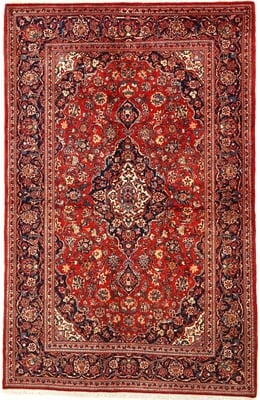
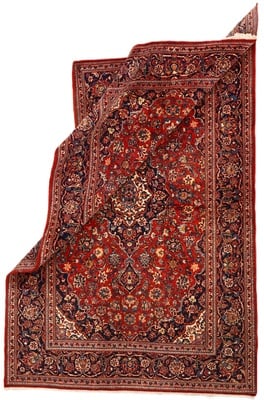
A Kashan carpet is not merely a floor covering; it is a profound testament to over 500 years of Persian textile virtuosity. Originating from the historic oasis city of Kashan, situated between the arid plains of the Dasht-e Kavir and the rugged Zagros mountains, these carpets represent the pinnacle of classical Oriental weaving. From the royal court workshops of the Safavid era to the renowned 19th-century revival masterminded by Haji Mulla Hasan Mohtasham, the Kashan remains the ultimate symbol of status, sophisticated taste, and artistic preservation.
Characterized by their symmetrical harmony, breathtaking floral medallions, and meticulous knot density, Kashan carpets have adorned the palaces of Persian kings and the grand halls of European royalty for centuries. At RugEast, we are proud to offer an exclusive selection of hand-knotted Kashan masterpieces. Whether you are seeking a grand piece for your living space or a historic Antique Rug that will appreciate in value, our collection delivers the timeless elegance of this legendary provenance.
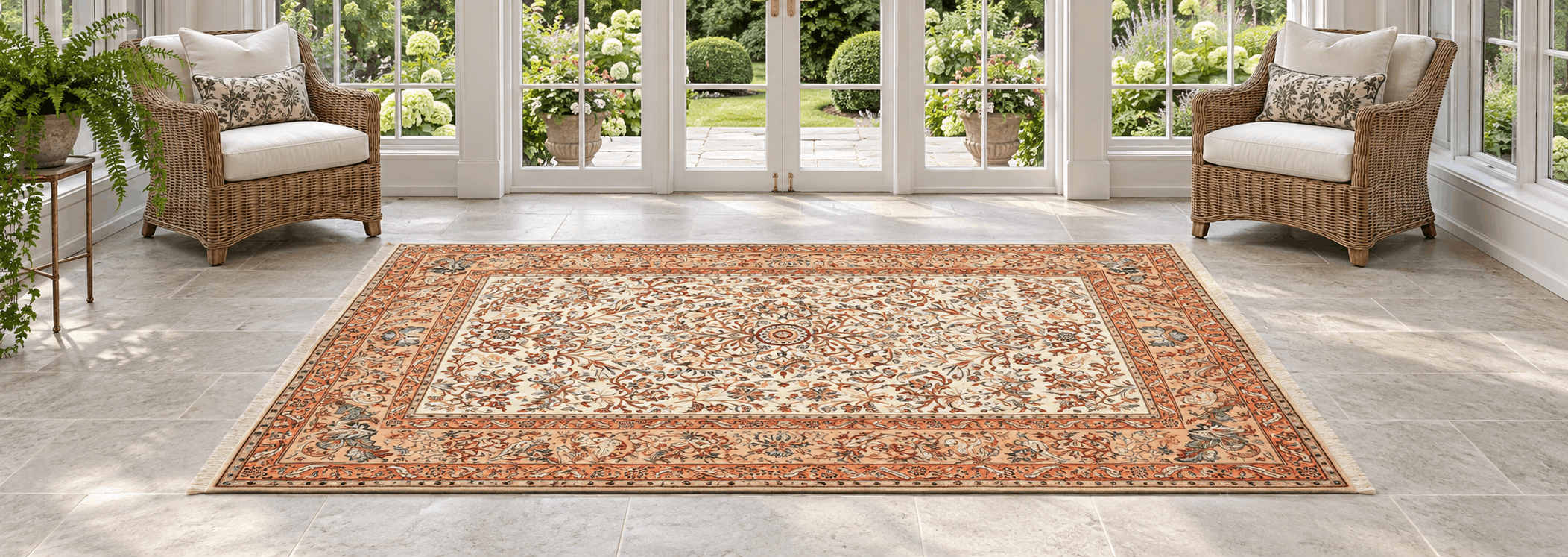
The history of Kashan is the history of Persian civilization itself. Known as Darolmomenin (House of the Faithful), Kashan has been a cradle of artistic innovation for over 7,000 years. During the 16th-century Safavid Dynasty, under the patronage of Shah Abbas I, Kashan's carpet workshops were elevated to royal status. It was during this period that weavers began to incorporate the delicate Shah Abbasi floral patterns and sophisticated medallion structures that define the style today.
The city's global reputation was further cemented in the late 19th century by the legendary master weaver Haji Mulla Hasan Mohtasham. His studio pioneered the use of exceptionally fine Kork wool (the soft, lanolin-rich fleece from the necks and bellies of highland sheep) and revived the use of vegetal dyes. These Mohtasham-Kashan carpets are now among the most coveted assets in the global art market. Today, this tradition lives on in the weaving workshops of nearby towns like Aran, Bidgol, and Natanz, where modern artisans continue to honor these ancestral techniques.
Unlike cheaper imitators, a genuine Kashan is woven with a sophisticated "double-weft" (Dorah) structure. This creates a denser, heavier, and more durable fabric that prevents dust penetration and ensures the carpet lies perfectly flat on your floor for generations.
Kashan weavers employ the Farsi-Baf (asymmetric) knot. This technique is superior for curves and fine details, allowing for the intricate, sweeping floral arabesques and tiny blossoms that define the Kashan aesthetic.
The touch and visual depth of a Kashan rug are defined by the quality of its fibers. We distinguish our collection through the rigorous selection of raw materials:
Every Kashan carpet tells a story through its design. Understanding these symbols enhances the appreciation of your purchase:
Lachak & Toranj (Corner and Medallion): The central medallion (Toranj) represents the celestial heavens, while the four corner motifs (Lachak) mirror this design, creating a structured, heavenly architectural framework for the carpet field.
Shah Abbasi Palmettes: Named after the royal dynasty, these large, oversized flower heads represent eternal beauty and fertility. You will often see them surrounded by delicate tendrils and vines (Eslimi) that suggest the interconnectedness of all life.
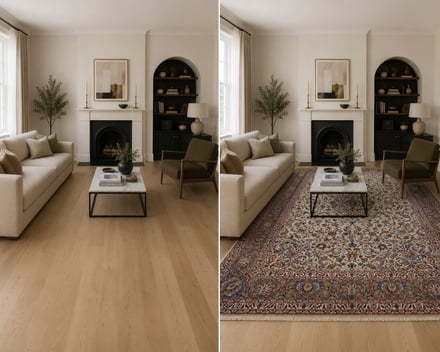
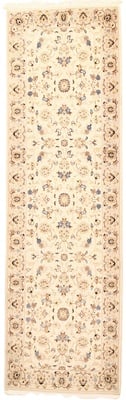
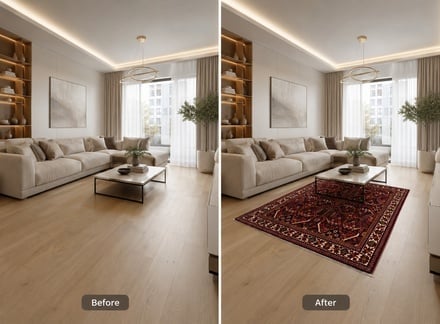
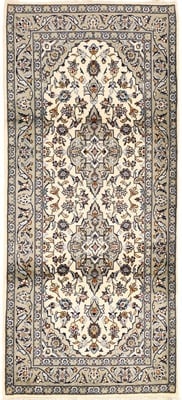
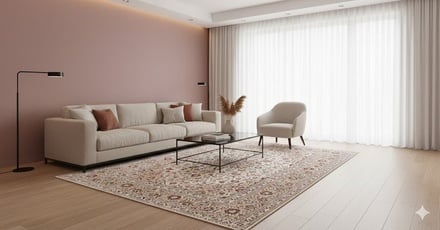
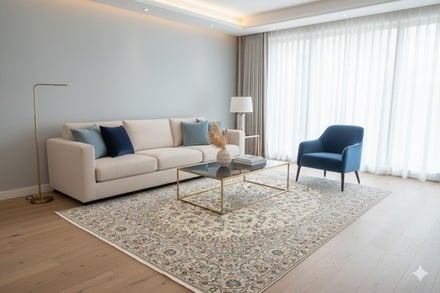
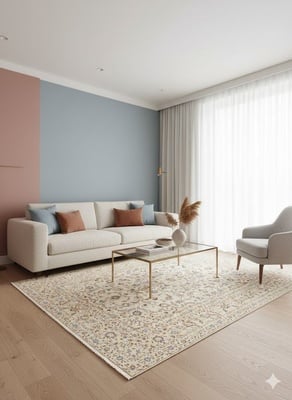
Modern Minimalism: In response to contemporary design shifts, our collection also includes modern Kashan adaptations with cream or beige backgrounds. These pieces retain the ancient artistry but offer a lighter, airier palette that complements Scandinavian or Japandi interiors.
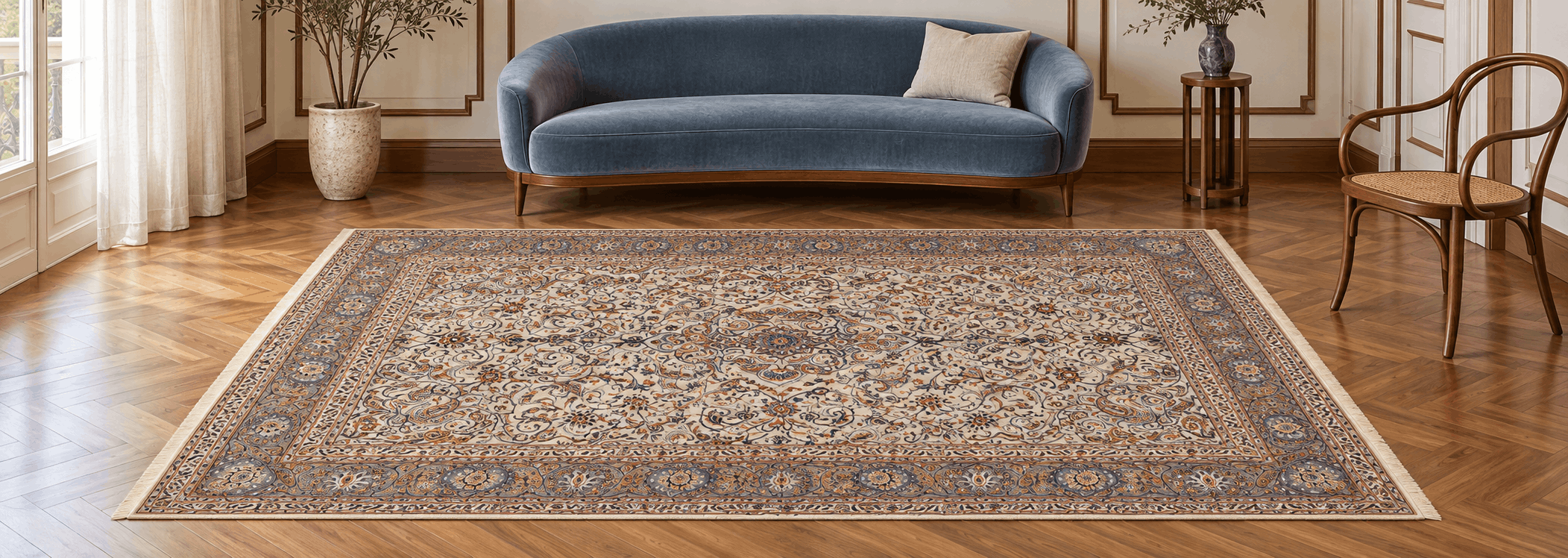
A Kashan rug is an heirloom. To ensure it remains a family treasure for generations, follow these professional guidelines:
1. What distinguishes a genuine Kashan rug from imitations?
Genuine Kashan rugs are hand-knotted with an asymmetric Persian knot (Farsi-Baf) and possess a "double-weft" structure on the back, which provides extreme durability. They use high-quality Kork wool, whereas imitations often use synthetic machine-spun wool and are devoid of the characteristic weight and structural integrity of a double-wefted piece.
2. Are Kashan rugs suitable for modern interior design?
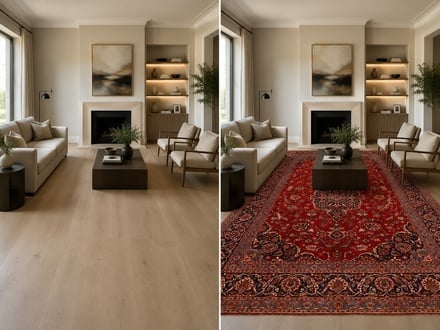
Yes, exceptionally so. Kashan rugs act as a "textile anchor" in modern homes. Their sophisticated floral patterns provide a necessary contrast to the sharp lines of modern minimalism. Neutral-toned Kashans with beige or cream grounds are particularly popular for bridging the gap between traditional craftsmanship and contemporary aesthetics.
3. Why is the "Mohtasham" label important?
The "Mohtasham" signature signifies the highest tier of Kashan weaving. These carpets utilize superior wool and often feature intricate detailing that standard weavings lack. They are considered investment-grade art pieces, consistently appreciating in value within the antique market.
4. Can I place my Kashan rug in a dining room?
Absolutely. The sturdy double-weft construction of a Kashan rug makes it one of the few luxury carpets that can withstand the weight of dining furniture without permanent damage. We recommend placing a felt underlay beneath it to protect the wool from abrasion.
 Nain Persian Rugs
 Luxury Silk Rugs
 Sarough Persian Rugs
 Isfahan Persian Rugs
 Ziegler & Kazak Rugs
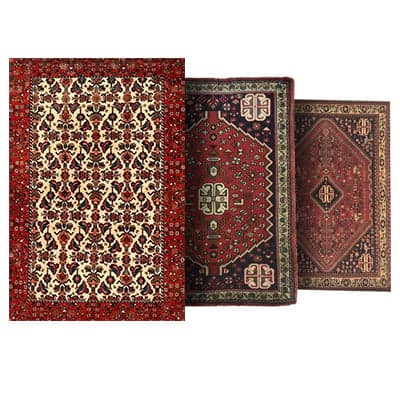 Abadeh Persian Rugs
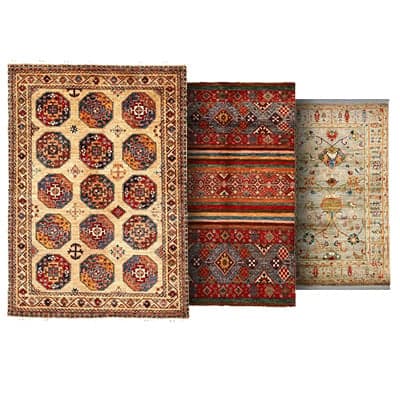 Afghan & Pakistani Rugs
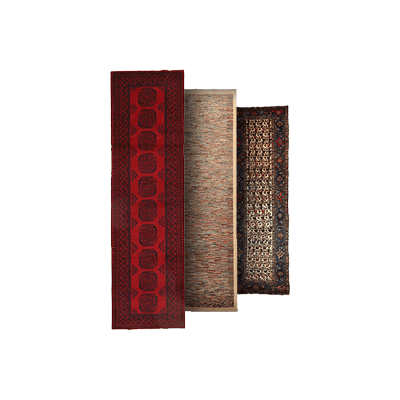 Runners Rugs
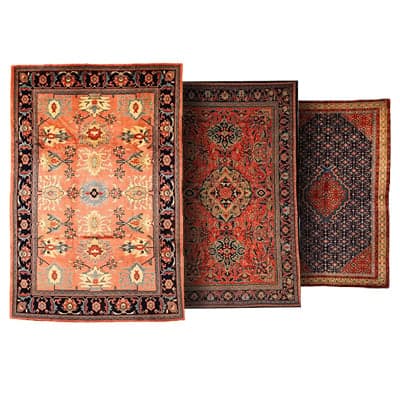 Ardebil Persian Rugs
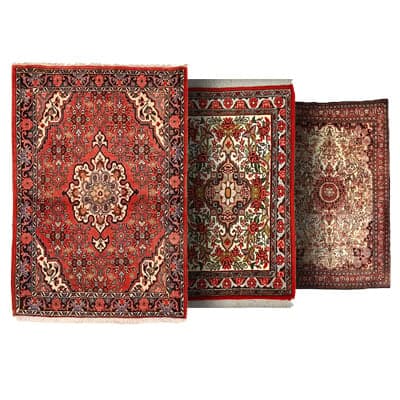 Bidjar Persian Rugs
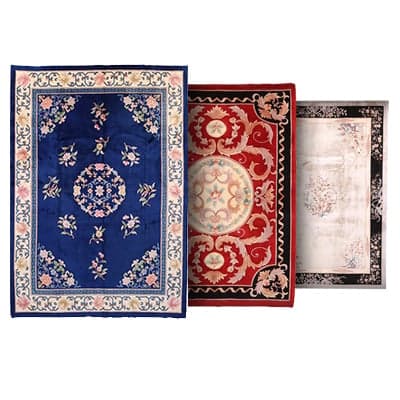 Chinese Rugs & Carpets
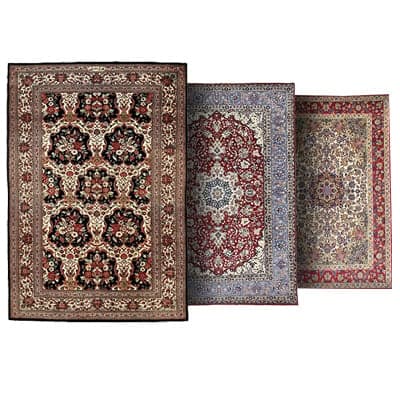 Exclusive Premium Carpets
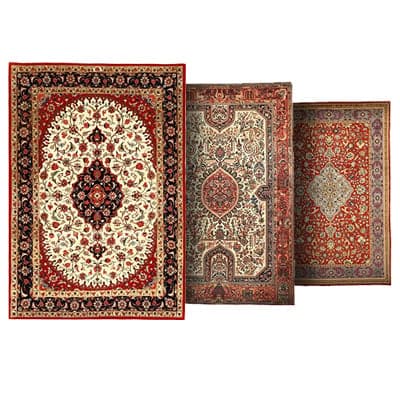 Ghom Persian Rugs
 Indian Carpets & Rugs
 Kashan Persian Rugs
 Mashhad Persian Rugs
 Kerman Persian Rugs
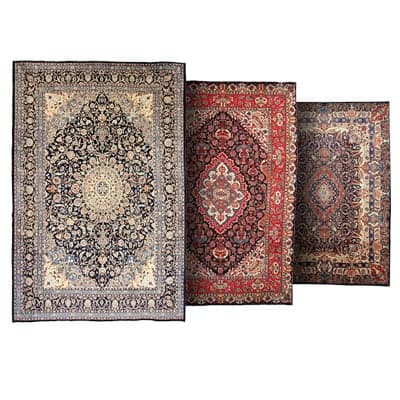 Kashmar Persian Rugs
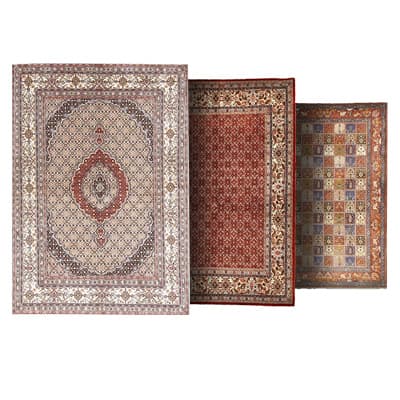 Moud Persian Rugs
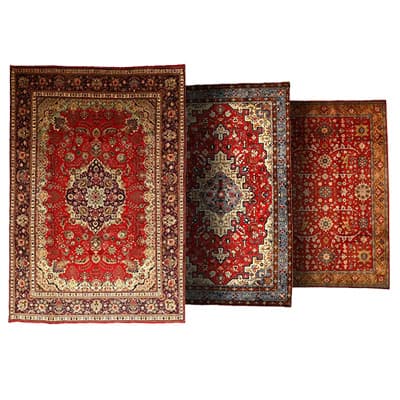 Tabriz Persian Rugs
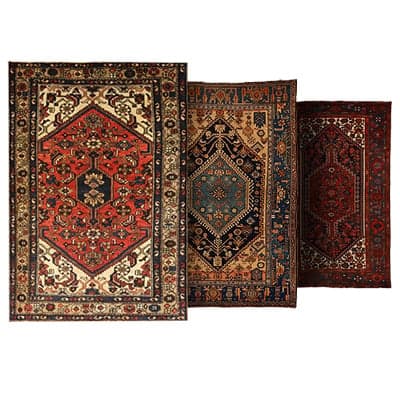 Zanjan Persian Rugs