Persian Rug or Persian Design?
A practical guide to origin, design, weaving structure, craftsmanship and documentation for today’s rug buyer When you see a beautiful hand-knotted rug described as a “Persian rug,” what does that actually mean?
Expert articles, care knowledge, and buying guidance collected under Rug Encyclopedia & Designs.
Page 1 of 3

A practical guide to origin, design, weaving structure, craftsmanship and documentation for today’s rug buyer When you see a beautiful hand-knotted rug described as a “Persian rug,” what does that actually mean?

If you look closely at an older Persian rug, you may notice something unexpected: the centre sometimes feels thicker or higher than the edges. At first, this can seem unusual. After all, rugs are normally expected to have an even surface from one end to the other.

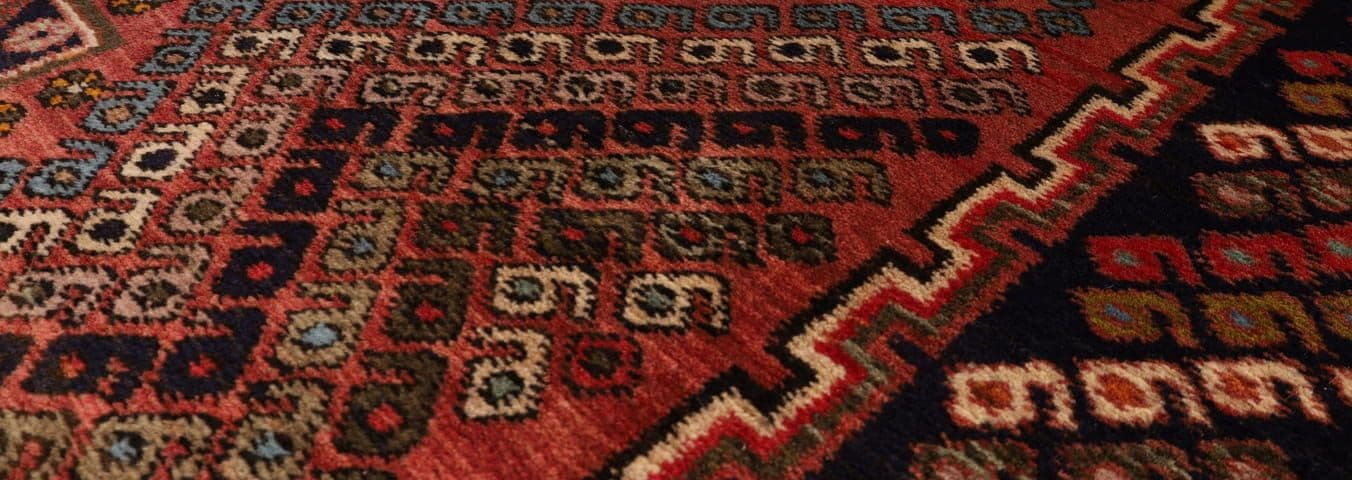
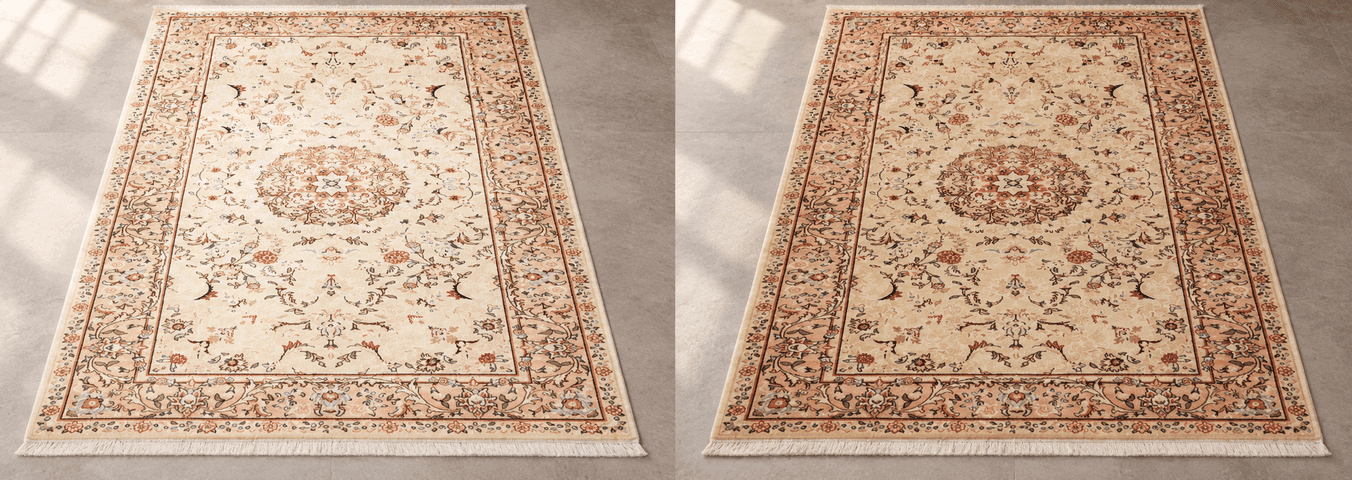
A handmade Persian rug can genuinely look different depending on the direction from which you view it. The same red may appear deeper from one end and softer from the other. Blues can seem darker, while ivory and cream areas may appear brighter.

Persian rugs naturally change over time as light, use, cleaning and the environment affect their wool, colours and surface. Understanding patina, wear and ageing helps you recognise the difference between beautiful character and serious damage.

Today, Isfahan rugs are admired for their refined designs, detailed floral patterns, elegant colors, fine wool, and sophisticated craftsmanship. But the story behind these rugs goes much further than modern homes and contemporary interiors.

Among the many famous Persian rug styles, Bijar rugs have earned one of the most unusual nicknames: “Iron Rugs.” The name may sound surprising. After all, a Persian rug is made from wool, cotton, or silk—not iron.

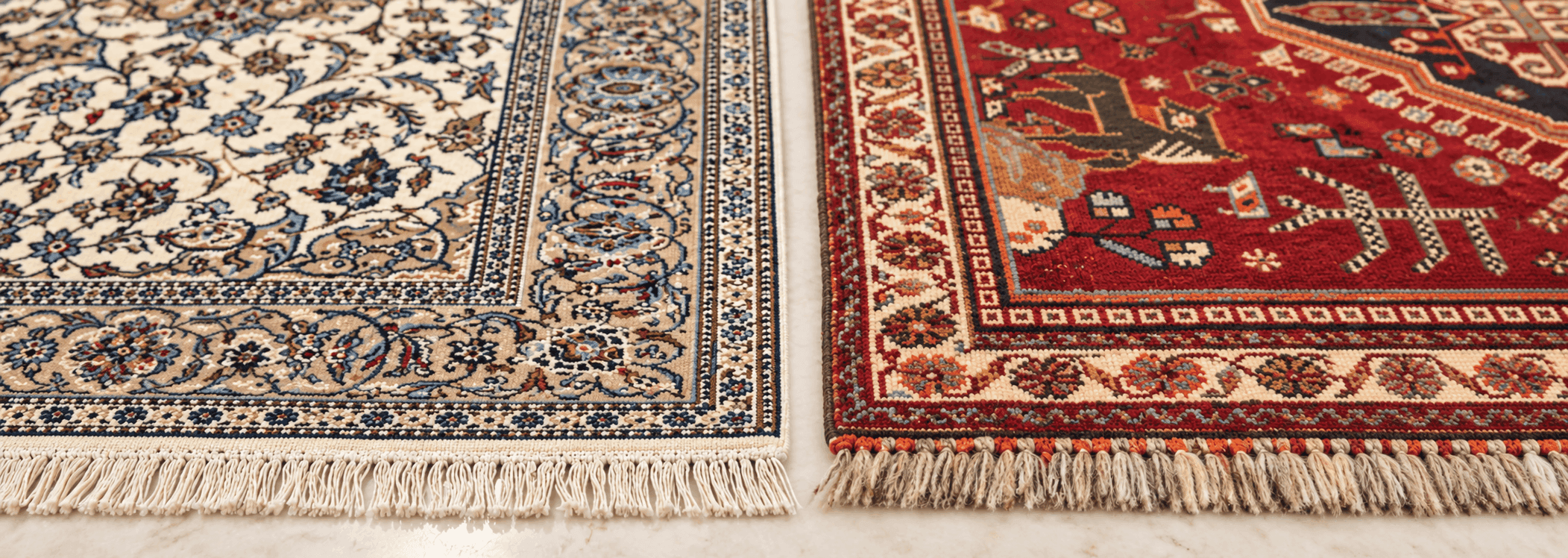
A Persian rug is more than its visible pattern and colours. Its true character is shaped by the interaction of wool, yarn, warp, weft, knots and pileand by the craftsmanship that brings them together.

For experienced rug experts, the absence of a label is not necessarily a problem. A Persian rug can often reveal its origin through its construction, knotting technique, materials, colors, design, and weaving style.

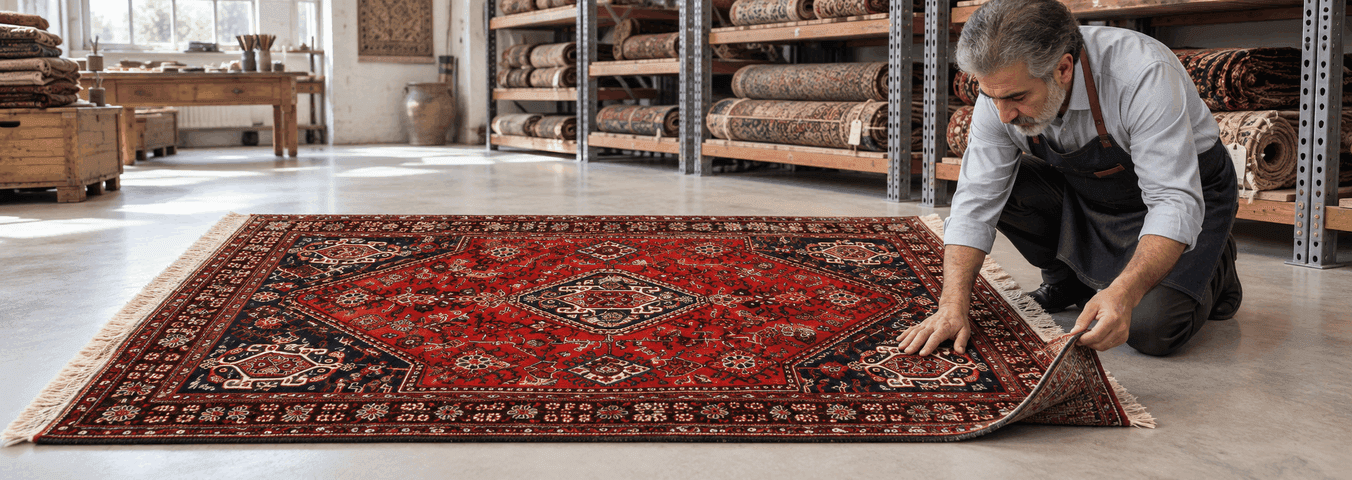
When looking closely at the back of a Persian rug, you may notice something surprising: the knots do not always appear perfectly uniform. Some may look smaller and tighter, while others seem slightly larger or more widely spaced.