
Persian Rug Wool Quality: Regional Differences
Wool is one of the defining materials of traditional Persian rugs. It influences how a carpet feels underfoot, how its colours appear, how well it responds to everyday use and how its surface changes over time.
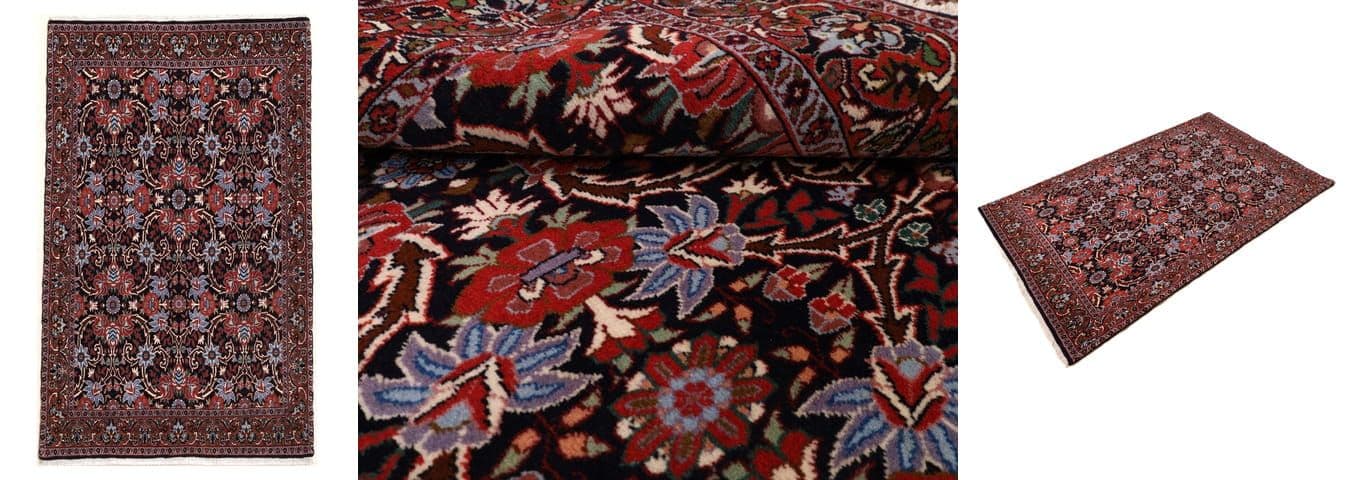
How Wool Quality Differs Between Persian Rug Regions
Wool is one of the defining materials of traditional Persian rugs. It influences how a carpet feels underfoot, how its colours appear, how well it responds to everyday use and how its surface changes over time. Yet wool quality is not identical across Iran's weaving regions.
Differences in local sheep breeds, climate, grazing conditions, fibre selection and yarn preparation have contributed to the distinct characteristics of regional Persian rugs. Understanding these differences helps explain why two handmade carpets can look similar but feel remarkably different.
What Determines Wool Quality in a Persian Rug?
The quality of rug wool depends on several factors rather than a single characteristic.
Fibre fineness affects softness and the level of detail that can be achieved. Fibre length and strength influence how well the yarn can be spun and how it performs in the finished rug. Natural crimp and elasticity contribute to resilience, while the quality of spinning affects yarn consistency.
Processing matters, too. Washing, carding, spinning, dyeing and finishing can all influence the wool's final appearance and feel. Even within the same region, wool quality can vary according to the source of the fibre and the individual rug's construction.
Kerman: Fine Wool and the Tradition of Kork
Kerman, in southeastern Iran, has a long-standing reputation for fine carpet weaving. Historical sources describe the use of kork, a soft, fine type of wool associated with the region's high-quality carpets. Traditionally, the preparation of wool—from shearing and sorting to cleaning, spinning and dyeing—formed an important part of local production.
Fine wool can help produce a smooth pile with subtle detail and a refined surface. Kerman rugs are also known for varied floral designs and sophisticated colour palettes.
However, kork should not be treated as a guarantee of quality in every rug labelled Kerman. The quality of the actual fibre, yarn, weaving and overall condition still needs to be assessed.
Tabriz: Versatility Across Different Wool Grades
Tabriz is one of Iran's major carpet-producing centres, with a wide range of styles and levels of fineness. Its workshops have produced everything from relatively robust everyday carpets to highly detailed, finely knotted pieces.
The wool used in Tabriz rugs therefore varies. Finer examples may have a soft, smooth pile and may incorporate silk details, while other rugs prioritise a practical, durable construction.
This variety is an important part of Tabriz's identity. The regional name alone does not tell you exactly how soft, fine or resilient a particular rug will be. Its materials and workmanship matter just as much.
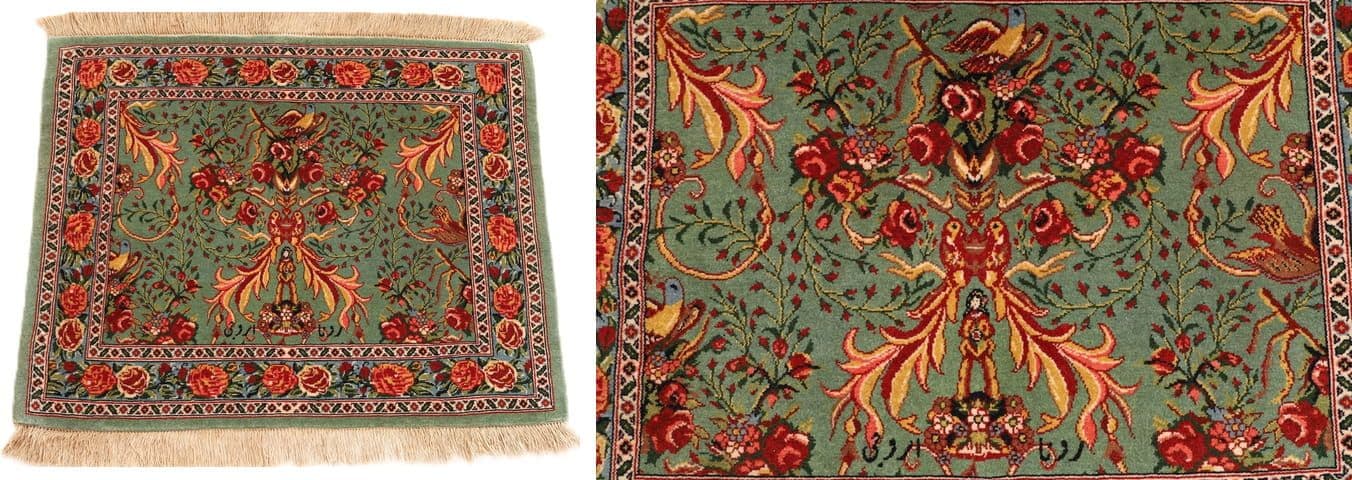
Isfahan: Fine Wool for Detailed Designs
Isfahan rugs are associated with elegant floral patterns, intricate curves and carefully balanced compositions. Fine wool, often described in the trade as kork when it has the relevant soft, fine characteristics, can help weavers create detailed motifs with a smooth finish.
Some Isfahan rugs also use silk for highlights or other parts of their construction. The combination of carefully selected materials and precise knotting can give these carpets a refined appearance.
Still, fine wool does not automatically mean a rug is superior. Fibre quality, pile condition, construction and the quality of the weaving must be considered together.
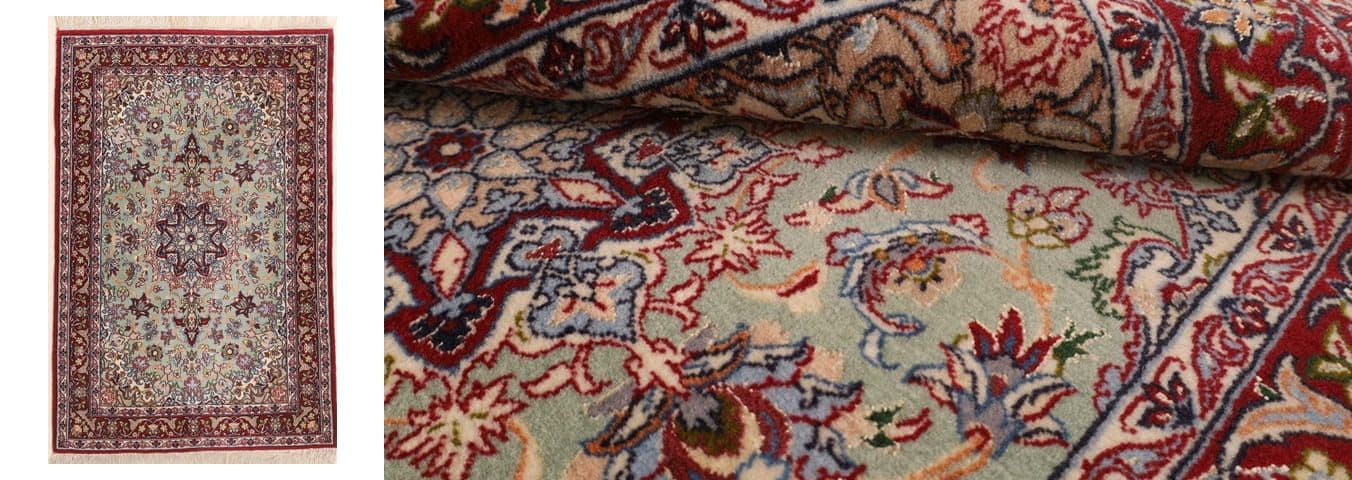
Tribal and Village Rugs: Wool Shaped by Local Traditions
In many tribal and village weaving communities, wool has historically been sourced and processed locally. The characteristics of the yarn can reflect local sheep, available resources and traditional spinning methods.
Some rugs feature a more substantial, textured pile, while others use relatively fine wool. Hand-spun yarn may have natural variations in thickness, creating subtle differences in the rug's surface and colour.
These variations are not necessarily defects. They can be part of the character of a handmade textile. However, irregularity alone does not prove that a rug is old, authentic or made with superior wool.
The most useful approach is to evaluate the wool alongside the rug's structure, design, condition and regional weaving tradition.
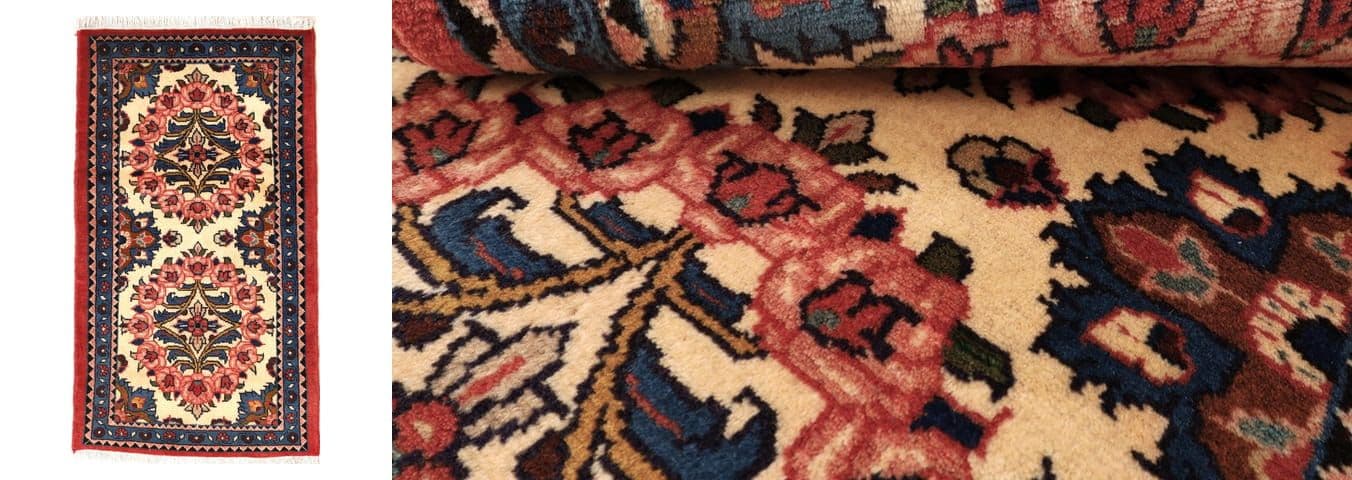
Does Softer Wool Mean a Better Persian Rug?
Not always. Softness is only one measure of wool quality. A very soft pile may feel luxurious, but a rug's performance also depends on fibre strength, yarn construction, pile height, knotting and how it is used.
A rug intended for a busy living room may benefit from resilient wool and a suitable construction, while a finely detailed carpet may be valued for its texture, appearance and craftsmanship.
Nor does a higher knot count automatically indicate better wool. Knot density describes how closely the knots are packed; it does not directly measure fibre quality.
How to Evaluate Wool Quality When Buying a Persian Rug
When comparing rugs from different regions, consider the following:
- Texture: Does the wool feel pleasant and consistent for its intended use?
- Resilience: Does the pile recover reasonably well after being gently pressed?
- Yarn quality: Is the yarn well spun, or does it show signs of excessive brittleness or damage?
- Surface and colour: Do the pile and colours appear consistent with the rug's style and condition?
- Construction: Are the knots secure, and is the structure appropriate for the rug?
- Provenance: Is the stated regional origin supported by the rug's overall characteristics and available documentation?
A touch test can provide clues, but it cannot establish fibre composition, age or authenticity on its own. For valuable rugs, a specialist assessment may be worthwhile.
Appreciating the Wool Behind Persian Rug Craftsmanship
From the fine wool associated with Kerman to the diverse materials used in Tabriz workshops and village weaving traditions, wool helps shape the individual character of Persian rugs. Regional traditions provide useful context, but quality ultimately depends on the particular fibres, preparation and craftsmanship of each piece.
At RugEast, understanding materials is part of appreciating what makes a handmade Persian rug distinctive. Looking beyond the region's name to the wool, construction, condition and design offers a more reliable way to assess a rug's character and quality.
Frequently Asked Questions
1. Which Persian rug region is known for fine wool?
Kerman is historically associated with kork, a soft, fine type of wool. Fine wool is also used in high-quality rugs from other regions, including Isfahan and Tabriz.
2. Are tribal Persian rugs made with lower-quality wool?
No. Tribal and village rugs can use excellent wool. Their texture and yarn characteristics may differ from those of workshop carpets because of local materials and traditional preparation methods.
3. Does softer wool mean a more durable Persian rug?
Not necessarily. Durability depends on fibre strength, yarn construction, pile, knotting, overall workmanship and how the rug is used and maintained.