
A comprehensive guide to cleaning wool carpet
Learn how to clean wool carpets safely by vacuuming gently, blotting spills, using wool-safe products, limiting moisture, rinsing carefully, and drying flat. Discover ways reduce dirt and shedding, suitable cleaning schedules, and when valuable, handmade, antique, or stained rugs need expert care.
If you have a wool carpet in your home, it is essential to understand how to clean and maintain it properly. This guide explains the safest and most effective methods for caring for wool carpets.
Wool Carpets
Wool carpets are an excellent way to enhance the beauty and comfort of your home. They are valued for their quality, durability, and natural appearance. However, wool fibers can trap dust, dirt, and stains. Proper care and cleaning are therefore essential for preserving the carpet’s condition and extending its lifespan.
Read more: Everything You Need to Know About Modern Carpets
How to Clean a Wool Carpet
Cleaning a wool carpet requires special care because its natural fibers can be damaged by excessive moisture, harsh chemicals, heat, or vigorous scrubbing.
Preparation
Before wet-cleaning the carpet, check the manufacturer’s care instructions to confirm that the method is suitable.
Vacuum the carpet thoroughly to remove loose dirt and dust. Use a suction-only setting or an attachment recommended for wool carpets. Aggressive rotating brushes may damage delicate fibers or fringes.
Stain Removal
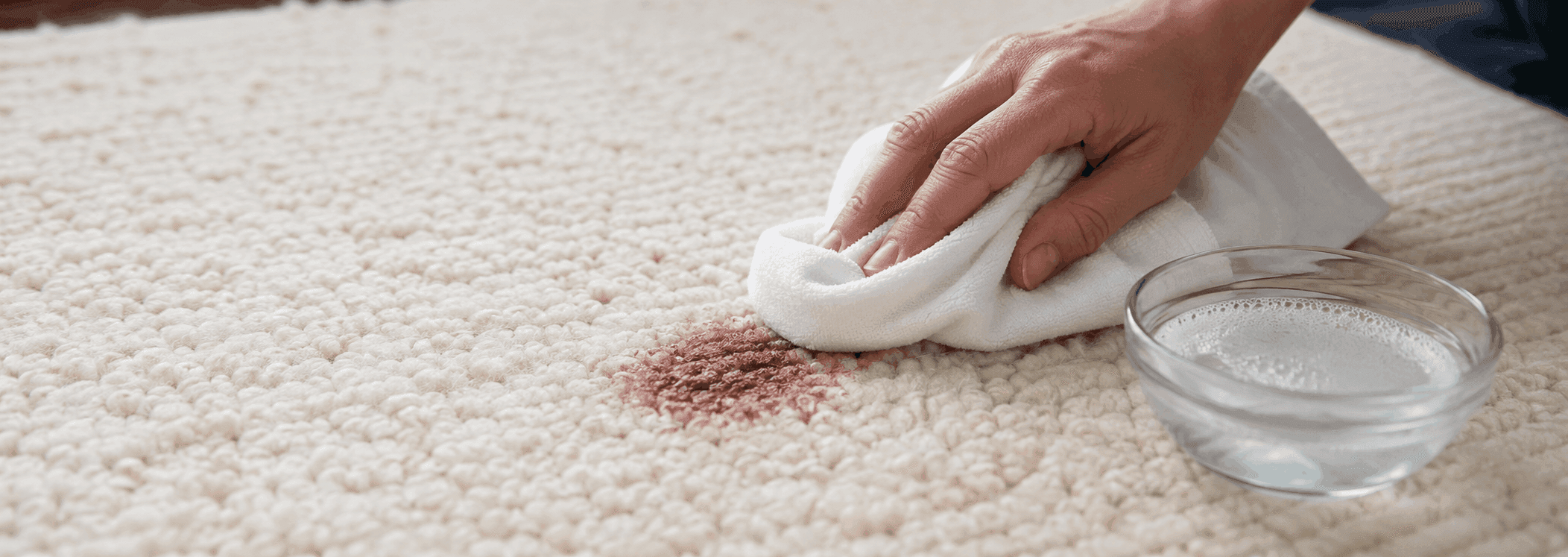
Treat spills immediately to prevent them from penetrating deeper into the fibers. Blot the affected area gently with a clean, absorbent cloth or sponge. Do not rub the stain, as this can spread it and damage the fibers.
For stubborn stains, use a mild cleaning solution that is specifically approved for wool. Test it on a small, inconspicuous area first to ensure that it does not cause discoloration or damage.
Avoid using bleach, ammonia, highly alkaline detergents, or other harsh cleaning products unless the carpet manufacturer specifically recommends them.
Shampooing
Use a mild, pH-neutral carpet shampoo labeled as safe for wool. Dilute and apply it according to the manufacturer’s instructions.
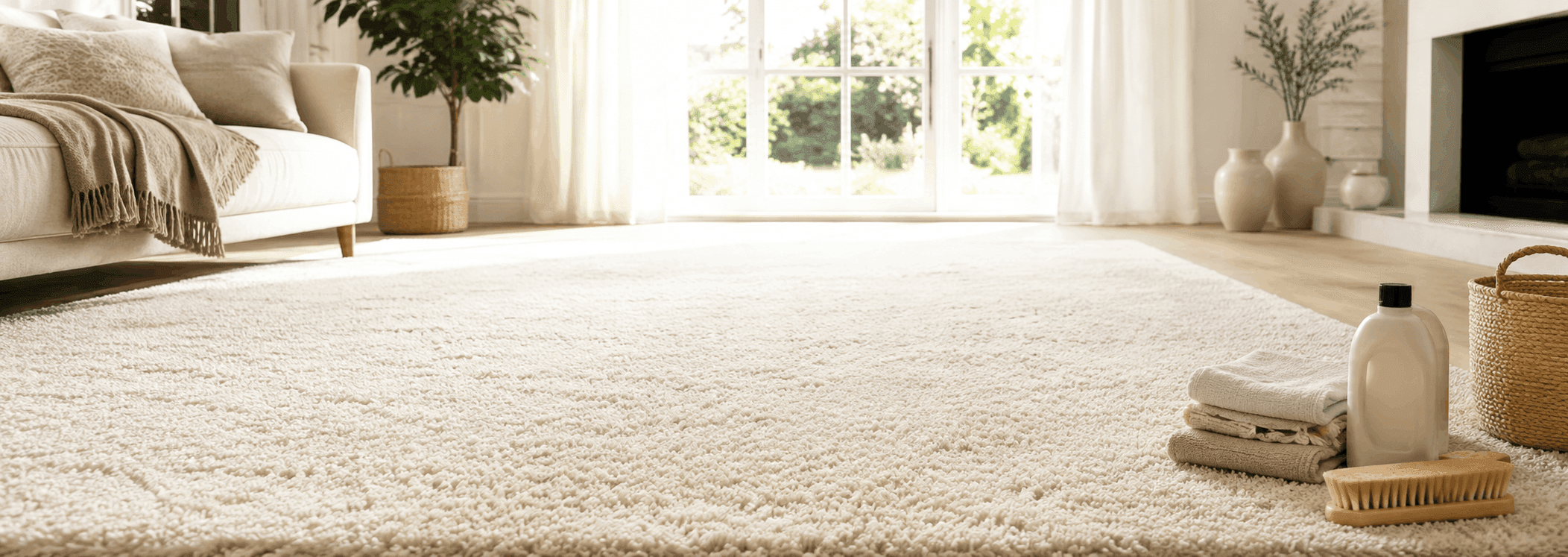
Distribute the shampoo evenly and work it gently into the fibers with a soft sponge or brush. Do not oversaturate the carpet, as excessive moisture can cause shrinkage, dye bleeding, unpleasant odors, or mold growth.
This method may also be appropriate for some kilim carpets, but always check their care instructions first. Handmade, antique, and naturally dyed kilims may require professional cleaning.
Rinsing
If the cleaning product requires rinsing, use a clean, damp sponge or cloth to remove it from the fibers. Avoid pouring excessive amounts of water directly onto the carpet.
Continue rinsing carefully until no visible detergent residue remains. Inadequate rinsing can leave the carpet feeling stiff or sticky and may cause it to attract dirt more quickly.
Drying
Blot the carpet with clean, dry towels to absorb as much moisture as possible. Do not twist, wring, or fold a wet wool carpet.
If the manufacturer permits it, lay the carpet flat in a clean, shaded, and well-ventilated area. Avoid hanging a heavy wet carpet, as its weight may distort its shape. Keep it away from direct sunlight and strong heat, which can cause fading, shrinkage, or damage to the fibers.
Allow the carpet to dry completely before returning it to use. If you are uncertain about cleaning a wool carpet—or if it is handmade, antique, valuable, or heavily stained—contact a professional cleaner experienced in handling wool carpets.
Read more: Everything You Need to Know About Antique Carpets
How to Keep Wool Carpets Clean
The following practices can prevent wool carpets from becoming dirty too quickly.
Vacuum Regularly
Vacuum your wool carpet regularly—generally once or twice a week, depending on foot traffic. Use equipment suitable for wool fibers and avoid vacuuming fringes with a rotating brush.
Regular vacuuming removes dust and dirt before they become deeply embedded in the carpet.
Establish a Shoe-Free Area
Ask family members and guests to remove their outdoor shoes when entering the home. This reduces the amount of dirt, moisture, and debris brought onto the carpet.
Use Doormats
Place doormats inside and outside entrances to capture dirt and moisture before they reach the carpet. Clean or replace the mats regularly so that they remain effective.
Apply a Suitable Stain Protector
A stain protector may help slow the absorption of liquids, but it must be suitable for wool. Follow the manufacturer’s instructions and test the product on an inconspicuous area before treating the entire carpet.
Treat Stains Immediately
When a spill occurs, blot it immediately with a clean cloth or paper towel. Do not rub it into the fibers. If necessary, apply a mild wool-safe cleaning solution according to its instructions.
Arrange Professional Cleaning
Periodic professional cleaning can remove deeply embedded dirt and help extend the carpet’s lifespan. Choose a cleaner with experience handling wool and other natural fibers.
Read more: Everything You Need to Know About Nain Carpets
How Often Should You Clean a Wool Carpet?
Regular vacuuming is essential for preserving the appearance and condition of wool fibers. New wool carpets may shed loose fibers during their first few months. This is generally a natural characteristic of wool and does not mean that the carpet is becoming bald.
Vacuuming once or twice a week during this period can help reduce visible shedding. Use gentle suction and follow the manufacturer’s care instructions.
For deeper cleaning, the appropriate frequency depends on foot traffic, pets, children, spills, and the carpet’s location. Many wool carpets benefit from professional cleaning every 12 to 18 months, while heavily used carpets may require more frequent attention.
Do not beat the carpet with a rod or other hard object, as this may damage its fibers, foundation, or edges. Avoid running a rotating vacuum brush over fringes, as they can become tangled or torn.
Should You Wash a Wool Carpet at Home or Use a Professional Cleaner?
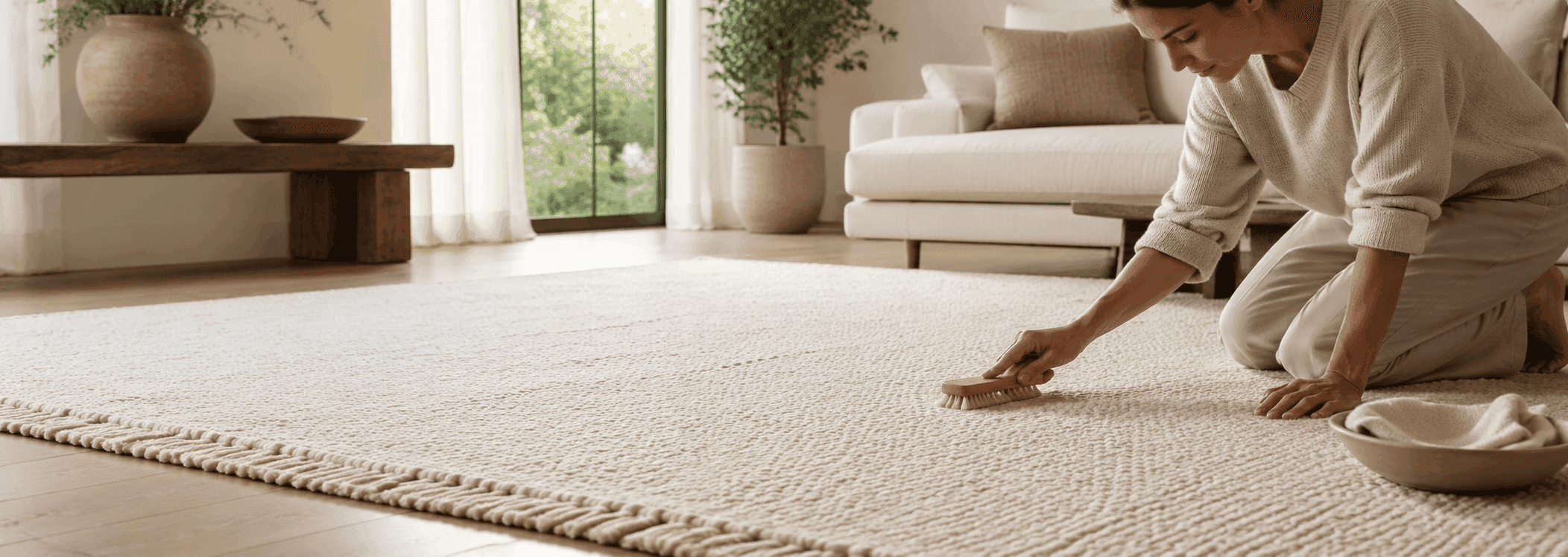
Wool carpets are generally more sensitive to moisture, heat, chemicals, and handling than many synthetic machine-made carpets. If you do not have the necessary experience, equipment, or drying space, professional cleaning is the safer option.
Choose a reputable carpet cleaner with experience in cleaning wool carpets. Before handing over a valuable piece, ask about the cleaning method, products used, colorfastness testing, and drying process.
Home cleaning may be appropriate for minor stains if the carpet’s care instructions permit it. Washing the entire carpet at home, however, carries risks such as shrinkage, color bleeding, distortion, mold, and damage to the backing.
Conclusion
Proper cleaning can preserve the appearance and extend the lifespan of a wool carpet. Begin by vacuuming it gently, treat spills promptly, and use only products that are approved for wool. Avoid excessive moisture, harsh chemicals, vigorous scrubbing, direct sunlight, and strong heat.
Although some wool carpets can be carefully spot-cleaned at home, valuable, antique, handmade, heavily soiled, or extensively stained carpets should generally be entrusted to an experienced professional.
FAQs
1. Can wool carpets be washed at home?
Minor stains may be treated at home if the care instructions permit it. Washing the entire carpet is riskier and may cause shrinkage, discoloration, or mold.
2. Which cleaning products are safe for wool carpets?
Use mild, pH-neutral products specifically approved for wool. Avoid bleach, ammonia, highly alkaline detergents, and harsh chemicals.
3. How often should wool carpets be professionally cleaned?
Many wool carpets benefit from professional cleaning every 12–18 months, although pets, spills, and heavy foot traffic may require more frequent cleaning.