
COVER Connect New York 2026: New Directions in Hand-Knotted Rugs
COVER Connect New York 2026 brought international rug brands together in Manhattan, highlighting new directions in handmade rug design.
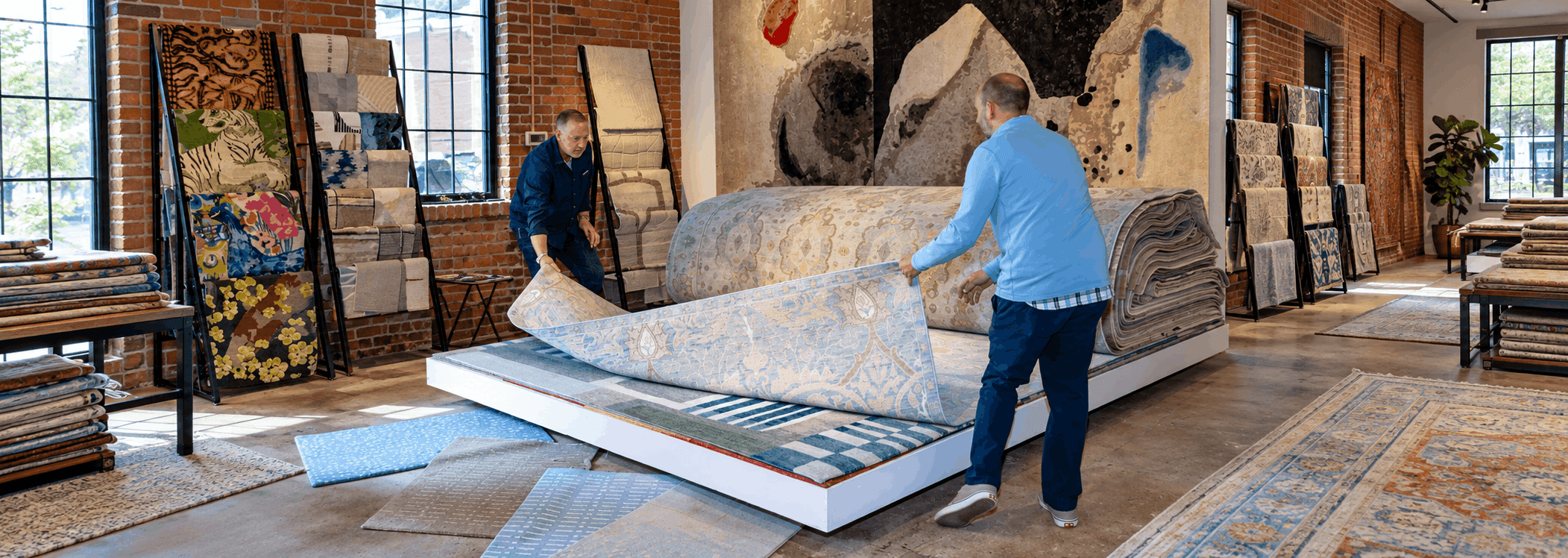
Where traditional craftsmanship meets contemporary design
From 26 to 28 September 2026, COVER Connect New York returned to Manhattan, bringing together 44 international rug and carpet companies at the Metropolitan Pavilion and The Altman Building. Curated by COVER magazine, the trade-only event provided a platform for established manufacturers, specialist workshops and contemporary designers to present their collections to retailers and interior design professionals.
Beyond individual collections, the event highlighted an important direction in rug design: traditional weaving techniques continue to find new expressions through contemporary colour palettes, materials and artistic influences.
Five rug design trends defining 2026
1. Modern heritage: Traditional patterns reimagined
Traditional floral and lattice motifs are being reinterpreted through warm neutrals and soft pastel colours. This approach preserves the decorative richness of heritage rugs while allowing them to complement contemporary interiors.
For Persian rug enthusiasts, it offers a fresh perspective on familiar floral compositions and ornamental details.
2. Green: Bringing nature indoors
Green emerged as a prominent colour direction, from gentle botanical tones to deeper, more expressive shades. Green rugs can introduce a connection to nature while creating a calm and balanced interior.
Combined with natural wool and subtle textures, these shades work particularly well with wood, stone and other organic materials.
3. Warm shades: A richer colour palette
Terracotta, rust and other warm hues were another notable direction. These colours introduce visual warmth and can make a contemporary room feel more inviting.
Their renewed prominence also creates interesting opportunities for traditional Oriental and Persian-inspired designs, where rich colours have long played an important role.
4. Flatweaves: Texture takes centre stage
Flatwoven rugs attracted attention through their tactile surfaces and versatile construction. Unlike pile rugs, flatweaves offer a relatively low-profile structure that works particularly well in layered interiors.
Traditional kilims demonstrate how weaving techniques can create visual depth without relying on a thick pile.
5. Bauhaus geometry: Rugs as modern art
Geometric compositions inspired by the Bauhaus movement provided a striking contrast to traditional floral patterns.
Squares, structured arrangements and expressive colour combinations demonstrate how a rug can function as an artistic focal point rather than simply a background element.
These five directions were identified in COVER magazine's September 2026 trend preview.
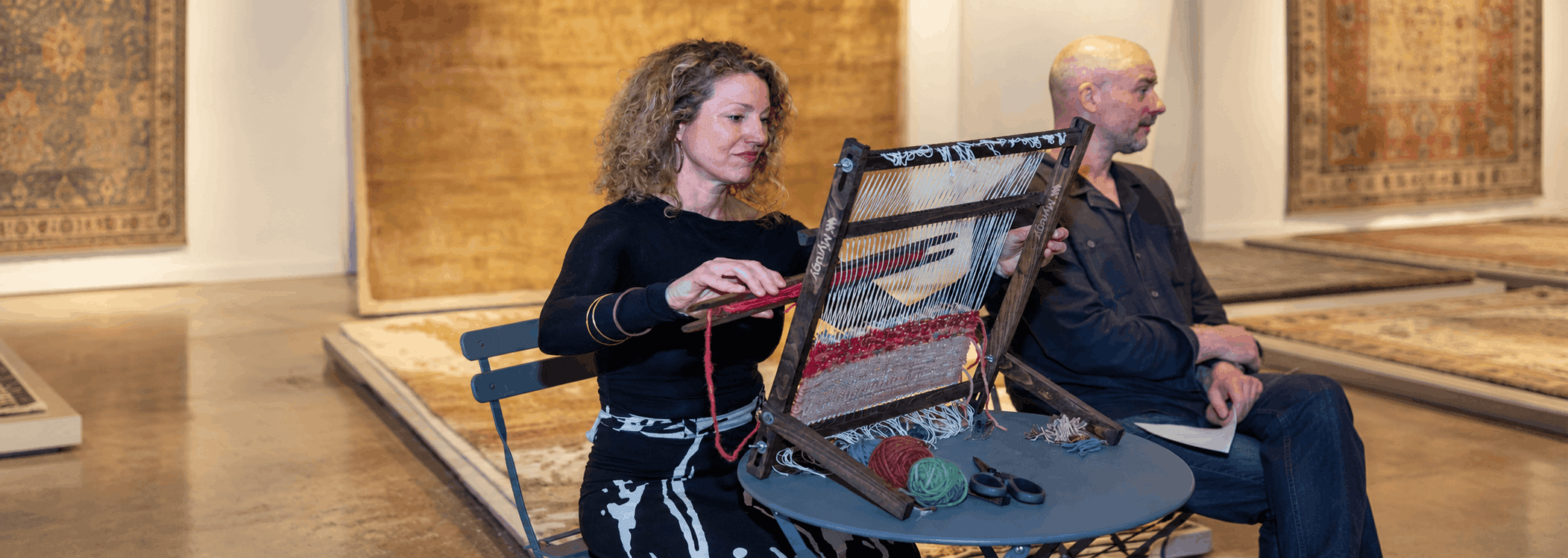
The continuing relevance of hand-knotted rugs
The exhibition also demonstrated the breadth of contemporary handmade rug production, with participating brands presenting everything from traditional designs to bespoke pieces.
Collections announced ahead of the show included rugs made with wool, silk and other natural fibres, as well as designs that combined traditional knotting techniques with modern artistic concepts.
For example, Nourison presented collections featuring traditional Persian florals, vintage-inspired motifs and contemporary abstract designs.
These different approaches illustrate how hand-knotted rugs can accommodate changing design preferences without abandoning their artisanal foundations.
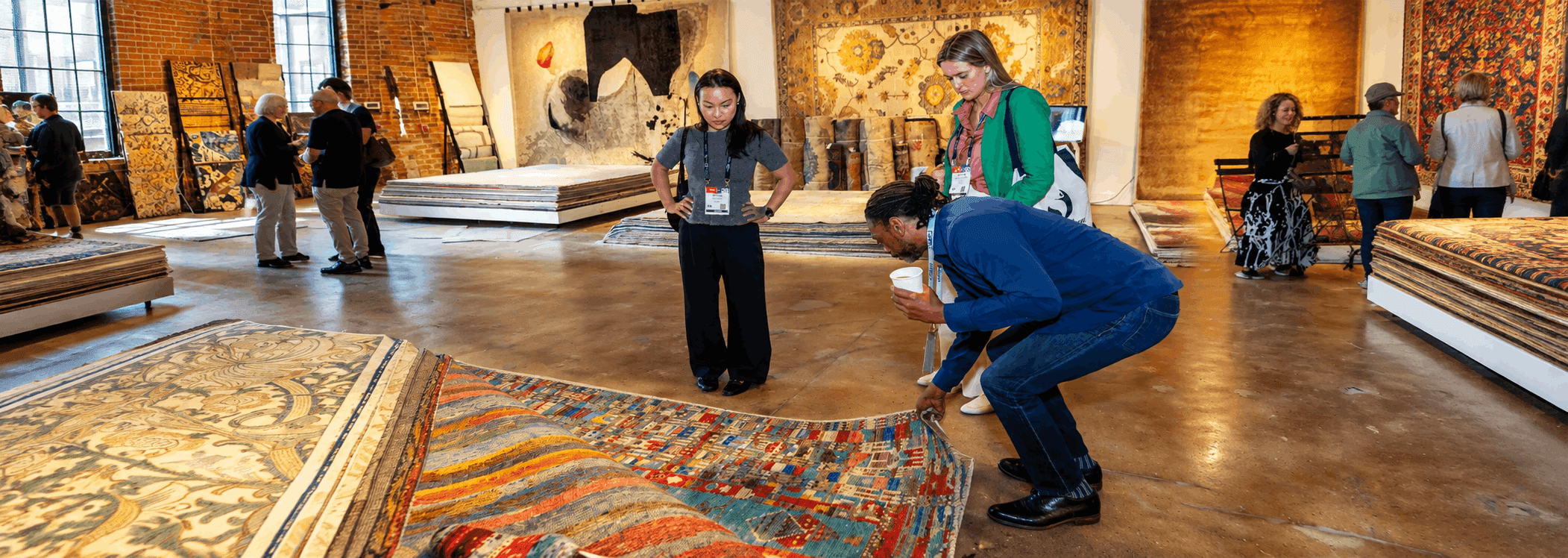
What do these trends mean for Persian rugs?
The growing interest in modern heritage offers a particularly relevant perspective for Persian rug design.
Traditional Persian carpets are recognised for their intricate patterns, regional weaving traditions and distinctive colour combinations. Many of these qualities can be interpreted in contemporary settings without altering the original character of an authentic vintage or antique rug.
A traditional floral carpet, for instance, can become the centrepiece of a minimalist living room. Meanwhile, a Persian kilim can introduce texture and geometry into a modern interior.
The broader design directions presented at COVER Connect suggest that heritage and contemporary aesthetics do not need to compete. Instead, they can complement each other.
Looking ahead: Craftsmanship with a contemporary perspective
COVER Connect New York 2026 illustrated the diversity of today's international rug industry. From heritage-inspired patterns and natural colours to geometric experimentation, contemporary rug design continues to draw inspiration from both traditional craftsmanship and modern artistic movements.
At Rugeast, we see these developments as an opportunity to explore the enduring versatility of handmade rugs. Whether a piece features an intricate Persian pattern or a restrained contemporary composition, its materials, craftsmanship and individual character remain essential to its appeal.
Discover our collection of handmade rugs and explore how traditional weaving can enrich contemporary living spaces.