
The Ultimate Guide to Carpet Cleaning: Professional Tips and DIY Methods for Every Rug
Discover the most effective professional and DIY carpet cleaning methods to keep your home fresh and stain-free. Learn how to maintain your carpets with natural, budget-friendly solutions.
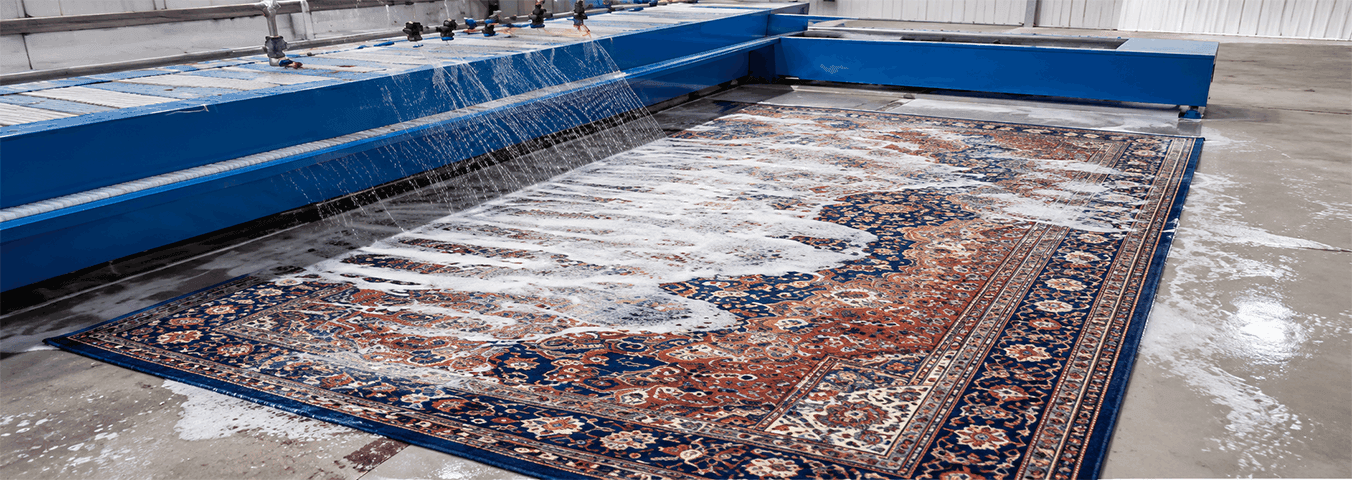
Carpets are the centerpiece of our homes, but they are also magnets for dust, germs, and stains. Whether you are dealing with daily foot traffic or an unexpected spill, knowing how to clean your carpet effectively is essential for both hygiene and longevity.
Why Regular Carpet Maintenance Matters
Regular maintenance is more than just an aesthetic choice. It is a necessity to:
- Preserve Color: Prevents fading and keeps your carpet looking vibrant.
- Improve Hygiene: Removes "nests of germs and mites" that accumulate over time.
- Extend Lifespan: Protects fibers from wear and tear, saving you money in the long run.
Professional Cleaning vs. Home Care
While vacuuming several times a week is crucial to prevent deep-set dirt, we recommend a deep professional cleaning at least once a year. However, for everyday maintenance, washing your carpets every three months is ideal—especially in high-traffic areas like dining rooms and hallways.
Effective DIY Methods for Carpet Cleaning
If you prefer natural, cost-effective solutions, try these proven home remedies.
1. White Vinegar and Detergent (For General Dirt)
This method is perfect for refreshing a soiled carpet.
- Apply: Rub white vinegar onto the stain in circular motions and let it sit for 15 minutes.
- Clean: Apply a small amount of dishwashing liquid and scrub until foamy.
- Rinse: Wipe with a clean, damp sponge, then blot with an old bath towel to absorb excess moisture.
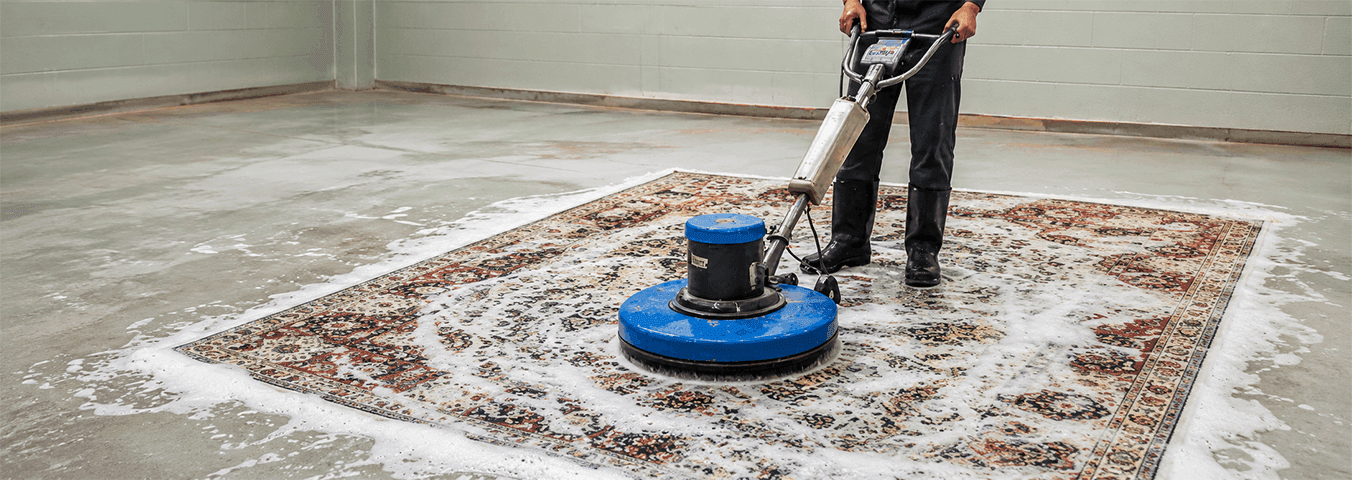
2. Sparkling Water and Baking Soda (The Stain Remover)
Natural gas in sparkling water helps lift stains, while baking soda neutralizes odors.
- Soak the area with sparkling water and scrub in small circles.
- Let dry for 30 minutes, then sprinkle with baking soda.
- Once fully dry, vacuum the residue.
3. The Shaving Foam Trick
Surprisingly, shaving cream is a powerful cleaner.
- Apply a thick layer to the stain and leave for 30–60 minutes.
- Remove with a damp sponge in circular motions and let dry.
4. Potato Peel Decoction (Natural Solution)
A traditional and gentle method. Prepare a decoction of potato peelings, apply with a sponge, leave for a few hours, then rinse and vacuum.
Quick Tips for Stain Removal
When accidents happen, follow these rules to avoid damage:
- Follow the Nap: Always rub in the direction of the carpet fibers.
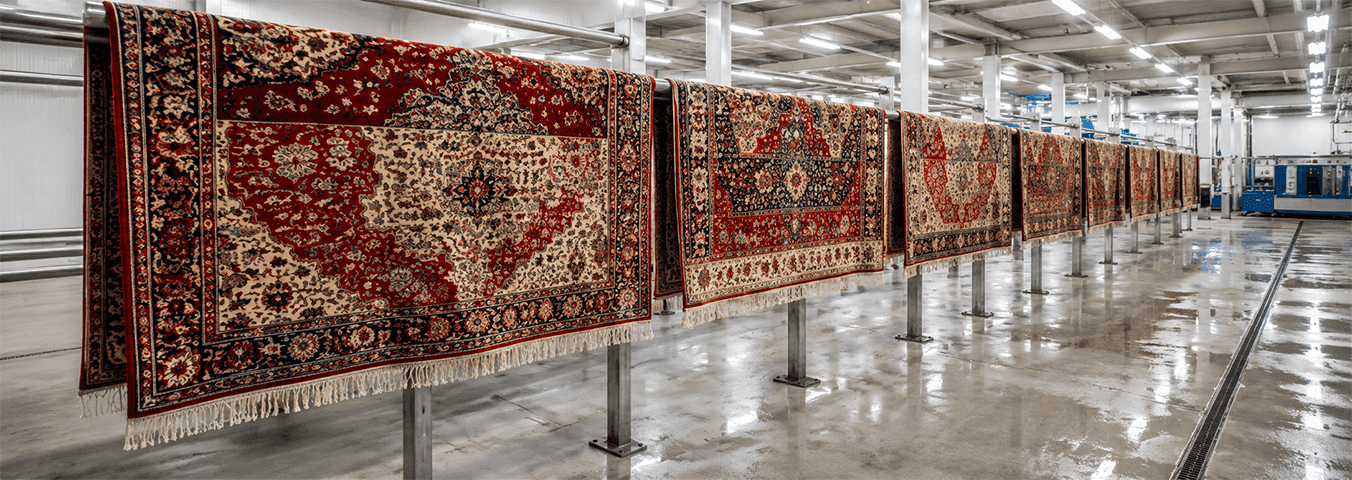
- Avoid Sunlight: Always air-dry carpets, but never in direct sunlight, as this causes irreparable fading.
- Be Gentle: Never use harsh chemicals or excessive water, especially on delicate fabrics.
- Special Cleaning: For light-colored textiles, you can use a lemon juice and vinegar mix, but use it sparingly due to its bleaching properties.
Conclusion: Keep Your Carpets Fresh and Clean
Maintaining a clean carpet does not have to be a daunting task. By combining regular vacuuming with the right natural cleaning methods, you can significantly extend the life of your rugs while keeping your home environment healthy. Remember, consistency is key—addressing stains promptly and performing a thorough clean every few months will save you both time and money. When in doubt, or for high-value antique carpets, don't hesitate to call in professional cleaners to ensure your flooring remains in pristine condition for years to come.
Frequently Asked Questions (FAQ)
1. How often should I professionally clean my carpet? We recommend at least once a year. However, if you have pets or high foot traffic, professional cleaning every six months can help maintain hygiene and carpet quality.
2. Can I use vinegar on all types of carpets? Vinegar is generally safe for most synthetic carpets, but you should always perform a patch test on a small, hidden area first. Avoid using vinegar on delicate materials like silk or hand-woven wool rugs without consulting a professional.
3. Is it safe to use baking soda on dark carpets? Yes, baking soda is safe for dark carpets, but ensure you vacuum it up thoroughly once the carpet is dry. If any white residue remains, it can make your dark carpet appear dusty.
4. Why should I avoid direct sunlight when drying a carpet? Direct sunlight contains UV rays that can fade the natural or synthetic dyes in your carpet fibers, leading to discoloration and potential damage to the fabric structure.
5. What is the best way to remove pet odors? Baking soda is highly effective for odor neutralization. Simply sprinkle a generous amount over the affected area, let it sit for a few hours (or overnight for stubborn odors), and vacuum it up thoroughly.