
how dirty carpets can affect health
This article explains how dirty carpets can affect health by trapping dust, bacteria, mold, and allergens. It also shares simple cleaning and maintenance tips to keep carpets clean and improve indoor air quality.
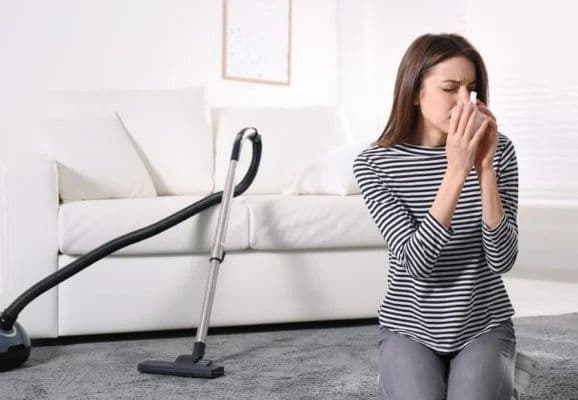
Carpets and rugs are incredibly popular flooring choices. They create a unique sense of comfort and bring noticeable warmth into any home. However, behind that cozy surface, they often harbor hidden dangers to your health.
In everyday life, every carpet easily traps dust and dirt. Even with daily surface cleaning, various contaminants accumulate deep within the fibers over time. These include bacteria, fungi, mold, and stubborn fine dust.
Why an Uncleaned Carpet Triggers Allergies
Because carpets act like a natural filter, they trap pollutants from the air and temporarily improve indoor air quality. However, if this "filter" is not cleaned regularly, it turns into a reservoir for potential allergens. Dust particles, bacteria, and dust mites can then cause the following symptoms:
- Allergies (e.g., in the form of hives)
- Asthma and chronic coughing
- Constant runny nose and sinus infections
- Contact dermatitis
- Gastrointestinal issues due to cross-contamination
Children are particularly vulnerable to these issues. When playing, they have direct contact with the floor, touch the fibers with their hands, rub their eyes, or even eat on the carpet. Fortunately, with the right precautionary measures, this microbial load can be drastically reduced.
The Invisible Residents: Viruses and Bacteria in the Fibers
You can't see them with the naked eye, but persistent microorganisms can survive deep inside the carpet fibers.
- Noroviruses: These pathogens can survive for weeks in a carpet. With every step taken on the floor, they can be kicked back up into the air and cause stomach flu symptoms.
- Salmonella: These bacteria are often tracked in unnoticed via shoe soles or by pets. Only an absolutely clean and dry surface deprives them of their breeding ground.
- Mold Fungi: In rooms with high humidity, mold quickly settles into the backing of the carpet. The invisible spores enter the breathing air and weaken the immune system.
Since standard household vacuum cleaners do not penetrate deeply enough into the fiber structure, a professional deep cleaning is recommended once a year in addition to weekly vacuuming.
Read more: Everything you need to know about kids carpets

What dangers does a dirty carpet pose to human health?
Carpets and flooring provide warmth and coziness in the home. However, they also require proper maintenance. Cleaning alone is not sufficient to remove dirt and dust from the carpet. Over time, your carpet becomes a hospitable home to many unpleasant contaminants.
Studies have shown that homes with carpets contain 15 times fewer allergens in the air than other homes. This is because the carpet acts as a filter in the house. It traps pollutants in the air, creating a healthier indoor environment. Like all filters, carpets should be regularly cleaned. Otherwise, they can serve as reservoirs for bacteria, allergens, and mold.
The best way to keep an Oriental carpet and other carpets clean is to vacuum them twice a week. Additionally, have the carpet professionally cleaned once a year. We don’t want to scare you, but below are just a few examples of diseases caused by carpet contamination:
Norovirus
The Norwalk virus, also known as norovirus, can survive on carpets for four to six weeks. This virus causes stomach flu and other digestive problems. Additionally, this virus can be released into the air every time you walk over the carpet. Norovirus is a particular problem in areas with a lot of dust. Regular vacuuming can reduce the lifespan and spread of norovirus.
Salmonella
Salmonella is a pathogenic bacterium that typically causes diarrhea, fever, and abdominal cramps 12 to 72 hours after infection. This illness can last four to seven days. Naturally, it can be more severe in young children and older adults. Salmonella can easily be tracked into the home via shoe soles. Pets also increase the risk of salmonella on the carpet. Keep your carpet clean and dry to kill salmonella.
Kawasaki Syndrome
Kawasaki syndrome is a rare disease caused by bacteria and chemical toxins in carpets. This illness can lead to physical disabilities and even death. Naturally, regular vacuuming can reduce the risk.
Campylobacter
These bacteria are mainly found on wet carpets during winter months. They can cause campylobacteriosis, which is deadly for people with weakened immune systems. Campylobacteriosis, traveling through the bloodstream, can cause bloody diarrhea, muscle cramps, abdominal pain, and fever. Keeping the carpet clean and dry is sufficient to kill these bacteria. Professional carpet cleaning not only ensures that your home stays clean and healthy but also ensures that your carpet always looks good.
It also significantly improves its lifespan and ultimately saves you money.
Dust
Carpets, especially those with long piles, collect a lot of dust. Dust mites thrive in such environments. These microscopic parasites feed on dead human skin sitting in carpets. These creatures produce waste throughout their lives, which is 200 times their weight. These toxic waste products enter the air we breathe.
They cause sneezing, coughing, dizziness, and other allergic reactions, which are especially dangerous for children.
Mold
Another very unpleasant and dangerous resident of the carpet is mold. Mold thrives in rooms with high humidity. Mold has an unpleasant smell. Many spores enter the air and are scattered throughout the home. Additionally, their respiration is dangerous for health and weakens the immune system, so you must get rid of them immediately.
Pathogenic Bacteria
Even with regular vacuuming, a variety of pathogenic bacteria live in carpets. These bacteria include various types, from E. coli and Staphylococcus aureus to pneumonia-causing pathogens. Unfortunately, it is almost impossible to completely disinfect the carpet at home. It simply cannot penetrate deep enough into the carpet to kill all bacteria. To never have such problems, it is recommended to take your carpets to cleaning once a year.
Only professional products can penetrate deep into the carpet. Professional products clean the carpet of dust, dirt, mold spores, eggs, and insect larvae.
Read more: Everything you need to know about modern carpets
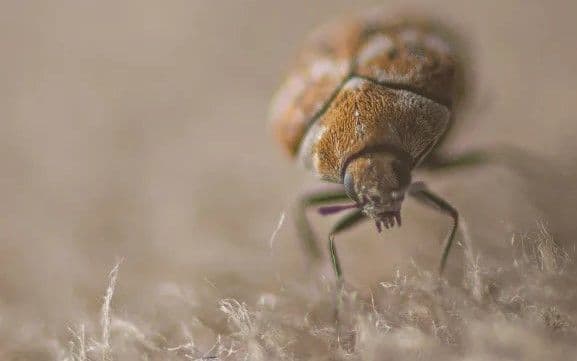
Effective Methods for Cleaning Carpets at Home
To ensure the longevity of your flooring and keep your indoor climate healthy, there are several care approaches:
1. Prevention Using Dirt-Trapper Mats
A high-quality doormat at the entrance catches the bulk of street dirt before it ever reaches your living spaces.
2. Regular Vacuuming
You should vacuum thoroughly at least twice a week. For short-pile carpets, a vacuum cleaner with rotating, soft brushes works best, as these effectively lift dirt out of the gaps.
3. Absorbent Powder
Dry cleaning powder is simply distributed over the pile, lightly worked into the fibers, and vacuumed up after the recommended settling time. This method protects the material since no moisture is introduced, and the carpet can be walked on again immediately.
4. Cleaning Foam and Wet Shampoo
For more intensive stain removal, special cleaning foam or neutral shampoos are ideal. It is important to avoid aggressive cleaners containing ammonia, as these can permanently damage the fibers.
Important Note on Preventing Mold: The most common mistake in DIY cleaning is using too much water. If the fabric remains damp for too long, invisible mold growth threatens to develop. The carpet must dry completely after any wet treatment.
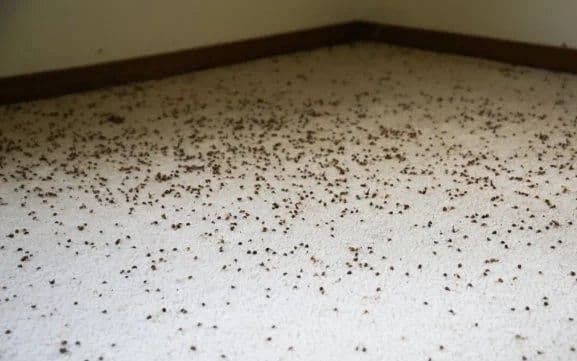
When Should a Carpet Be Replaced?
Even with the best care, no flooring lasts forever. A replacement is advisable:
- After 10–15 Years: After this period, the material has absorbed a significant amount of pollutants despite regular cleaning.
- Visible Signs of Wear and Tear: Deep tears or stubborn, permanent stains not only ruin the look but also compromise hygiene.
- After Water Damage: If moisture seeps deep into the subfloor, a complete replacement is usually the only way to avoid health risks.
Conclusion
A clean carpet is the centerpiece of a cozy and healthy home. High-quality carpets, such as the carefully crafted models from Rugeast, stand out for their premium materials, which are exceptionally easy to clear of dust and allergens when properly maintained. By paying attention to regular hygiene and using the right cleaning methods, you can create a safe oasis of well-being for the entire family.
FAQs – Frequently Asked Questions
1. How often should a carpet be professionally cleaned? To remove deep-seated dust and allergens from the fibers, a professional deep cleaning is recommended once a year.
2. Can I remove mold from a carpet myself? For superficial mold, specialized cleaners can help. However, for deep-seated mold or after severe water damage, a professional should be contacted, or the carpet should be replaced.
3. Are new carpets harmful to health? New products can release volatile organic compounds (VOCs) during the first few days. Regular ventilation during the first few weeks ensures that these odors dissipate quickly.
4. How do I know if my carpet is triggering allergies? If symptoms like sneezing, itchy eyes, or coughing increase specifically while spending time in a carpeted room, it is often a sign of a high allergen load in the fabric.
5. Is it better to clean a carpet or buy a new one? For light to moderate dirt, a thorough cleaning is completely sufficient. However, if the material is over 10 years old or structurally damaged, investing in a new carpet is well worth it.