
Rugeast
Since 1921
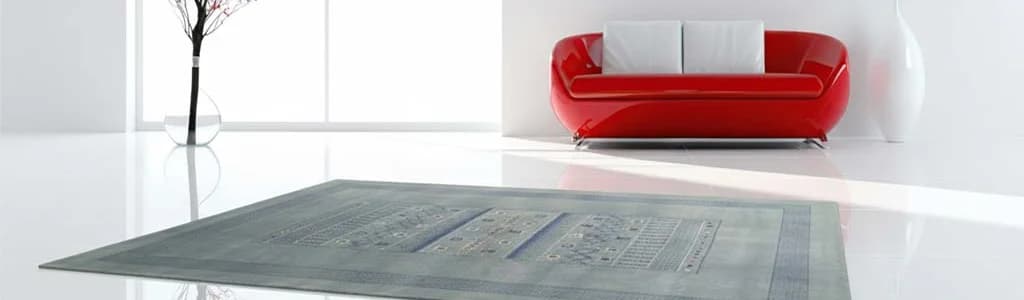
Indian carpets represent a rich South Asian weaving tradition with a vast range of styles — from Mughal-inspired floral patterns and vibrant colour palettes to geometric tribal designs — offering exceptional variety and decorative versatility for diverse interior tastes.
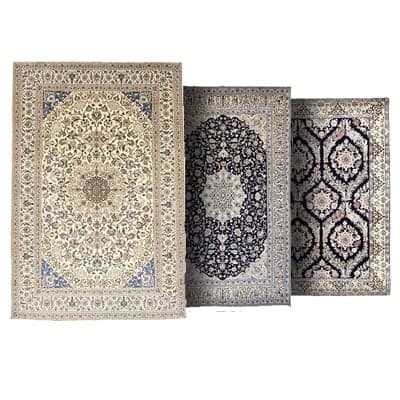 Nain Persian Rugs
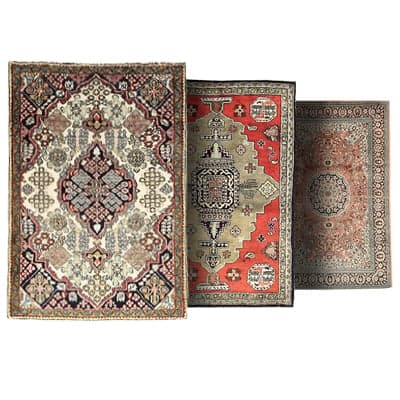 Luxury Silk Rugs
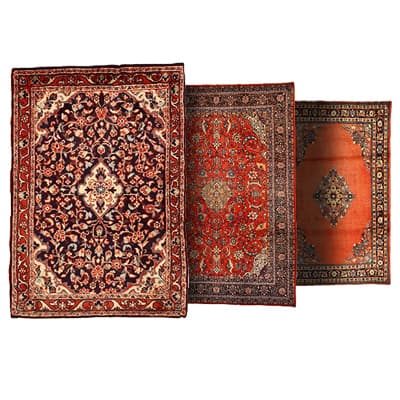 Sarough Persian Rugs
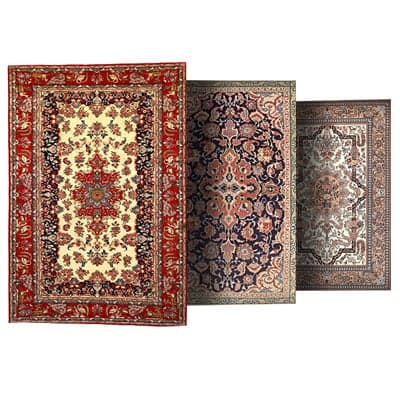 Isfahan Persian Rugs
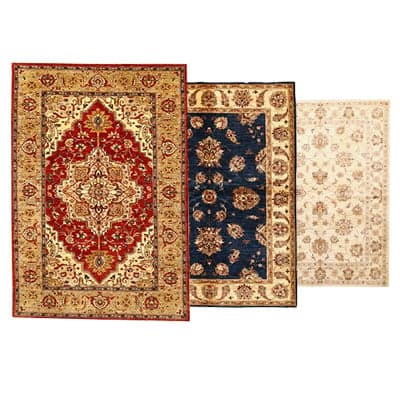 Ziegler & Kazak Rugs
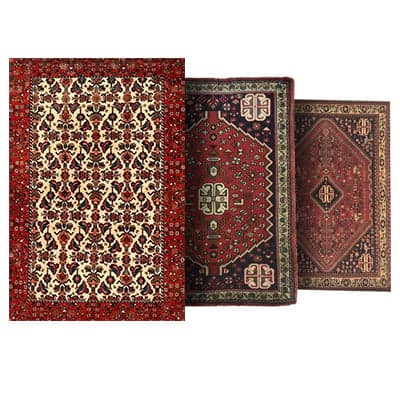 Abadeh Persian Rugs
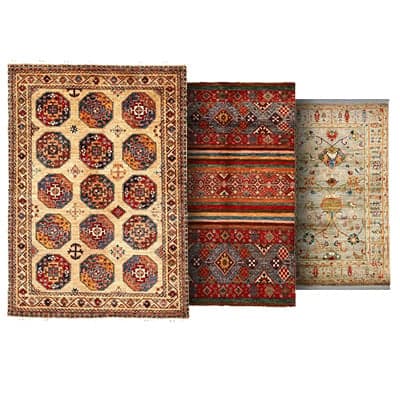 Afghan & Pakistani Rugs
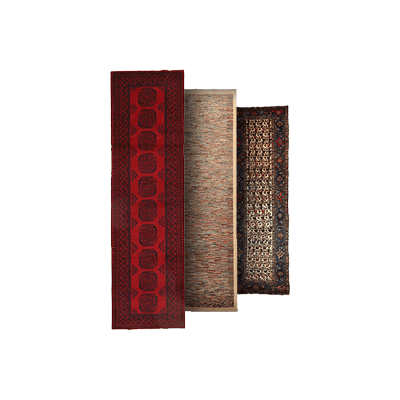 Runners Rugs
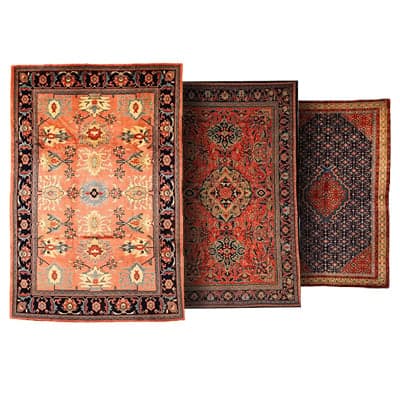 Ardebil Persian Rugs
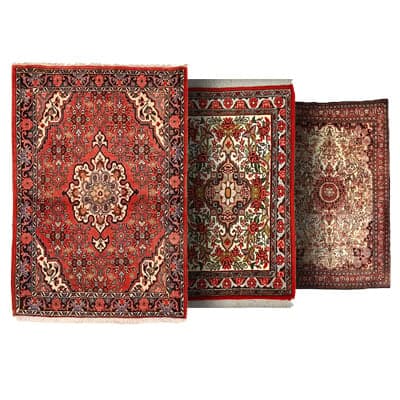 Bidjar Persian Rugs
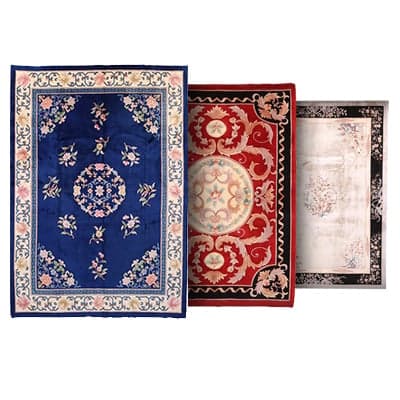 Chinese Rugs & Carpets
 Exclusive Premium Carpets
 Ghom Persian Rugs
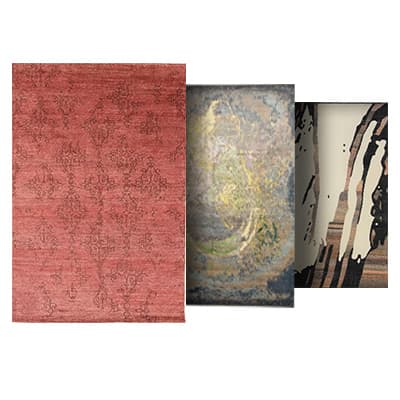 Indian Carpets & Rugs
 Kashan Persian Rugs
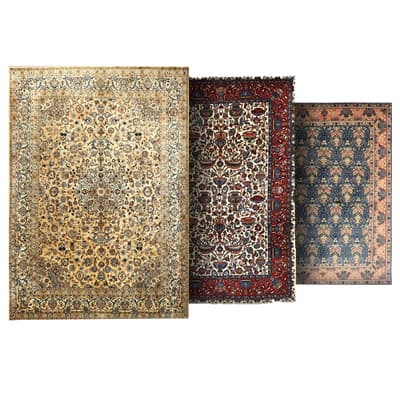 Mashhad Persian Rugs
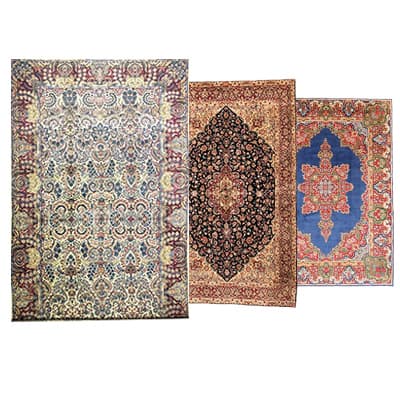 Kerman Persian Rugs
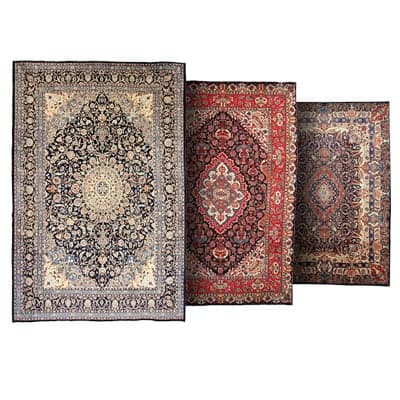 Kashmar Persian Rugs
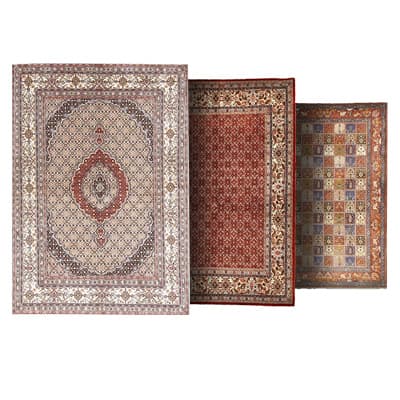 Moud Persian Rugs
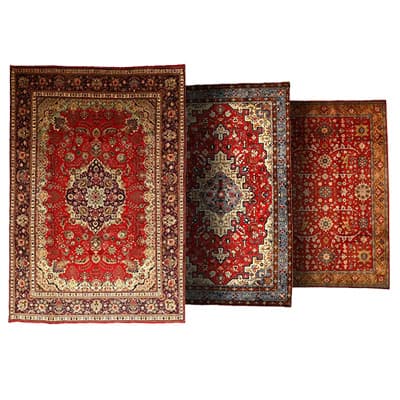 Tabriz Persian Rugs
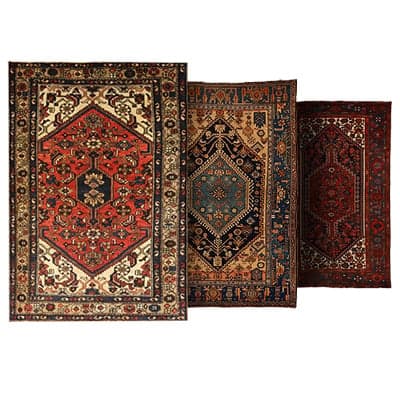 Zanjan Persian Rugs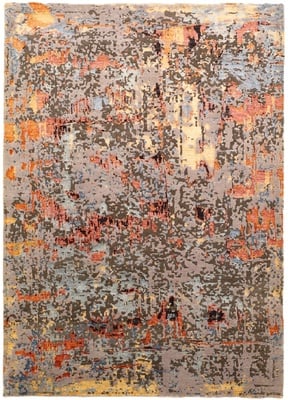
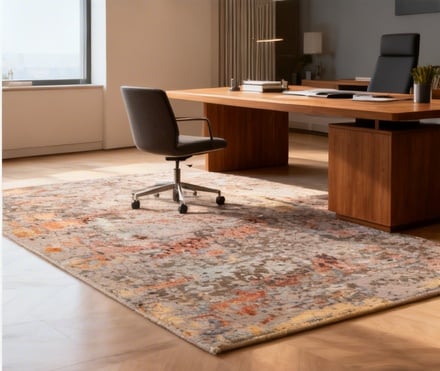
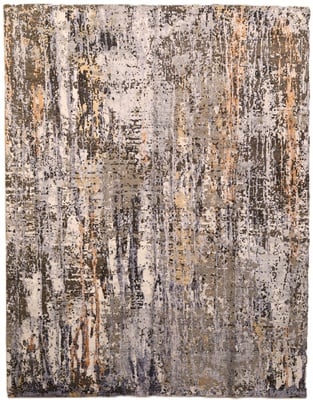

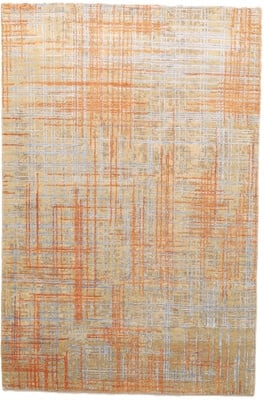
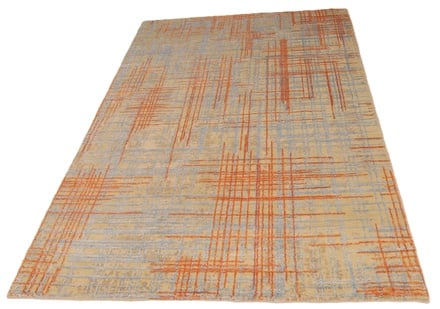
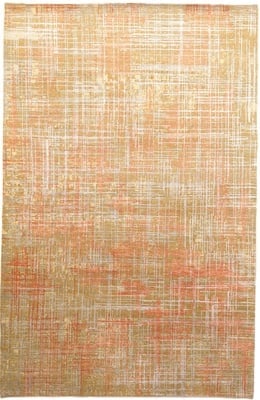

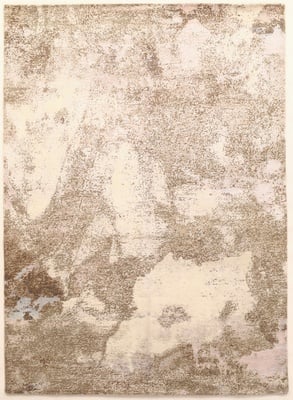
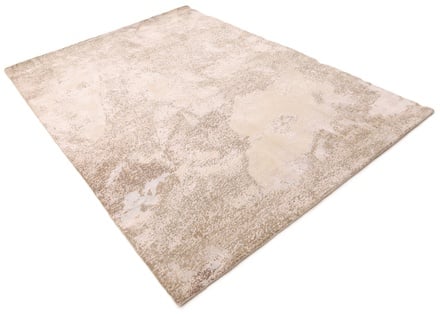
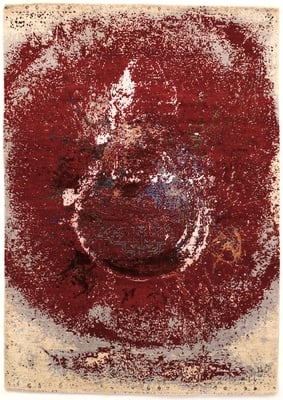
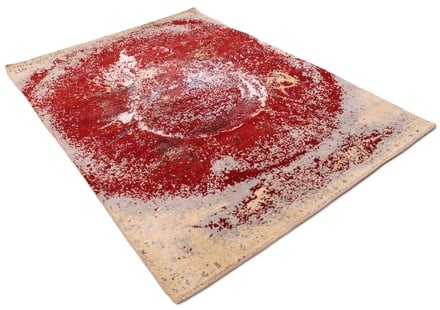
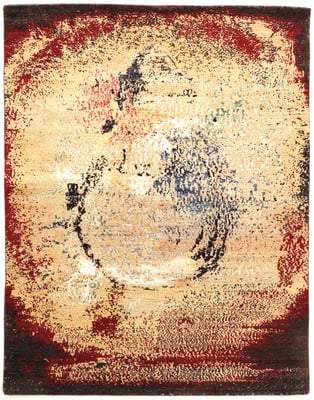
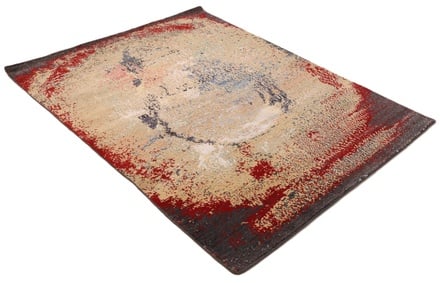
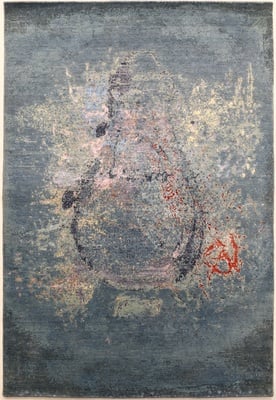
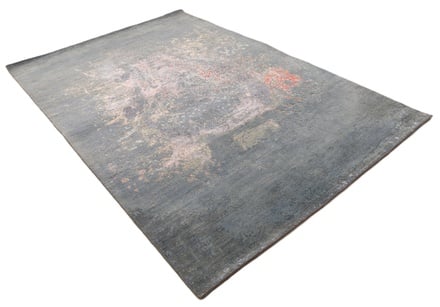
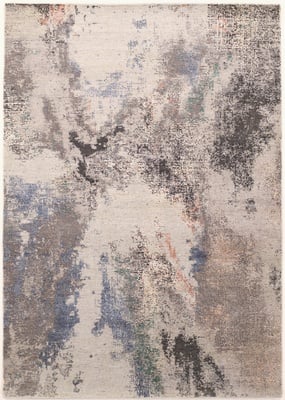
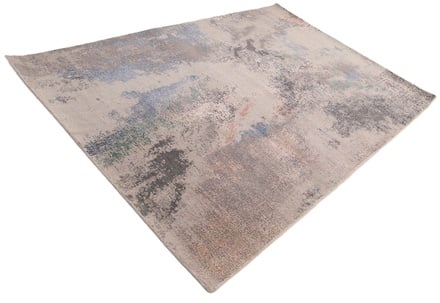
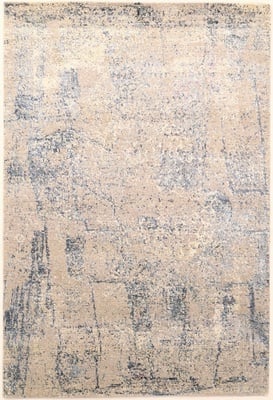
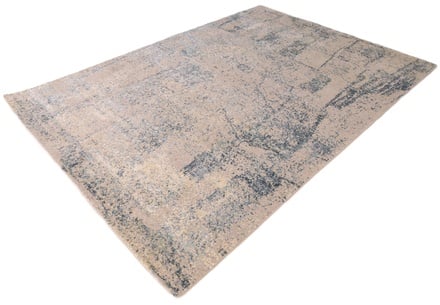
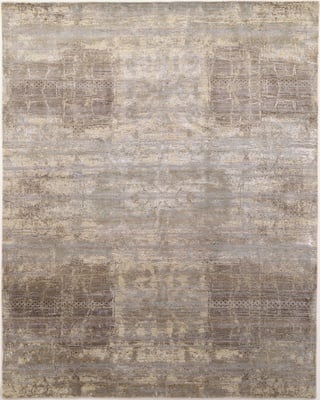
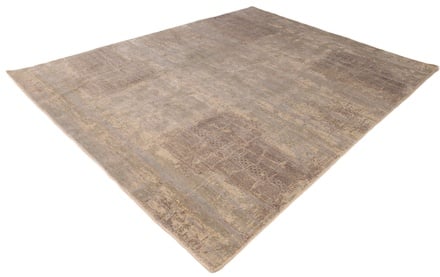
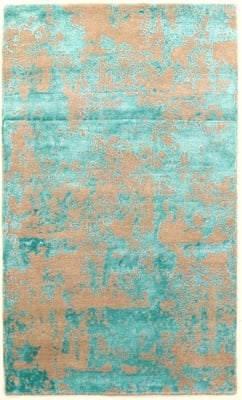
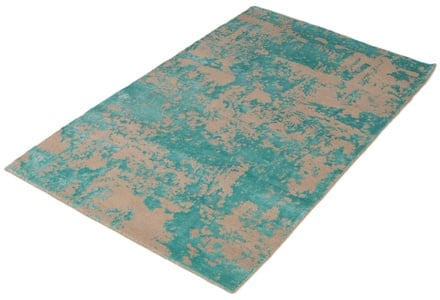
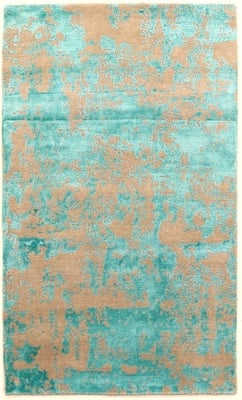
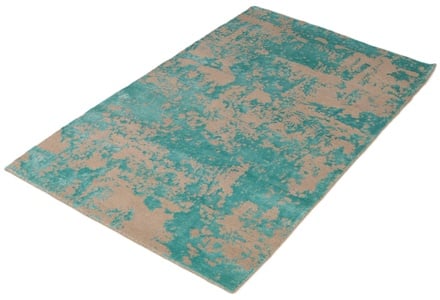
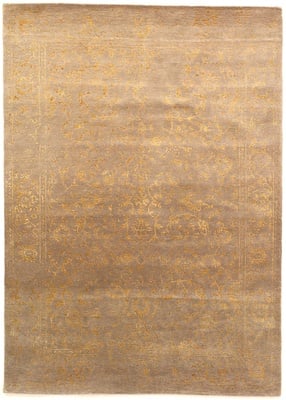
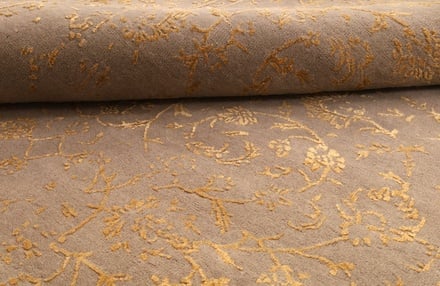
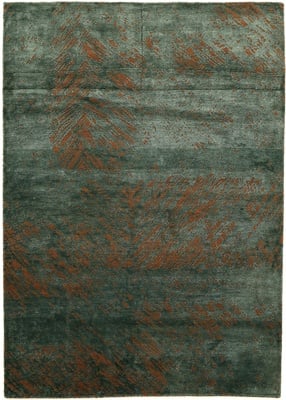
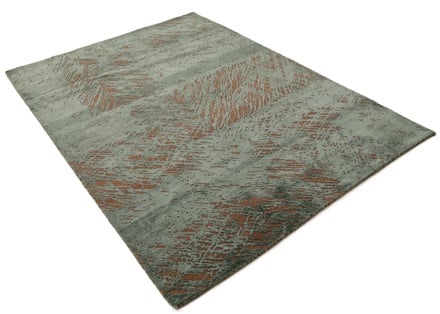
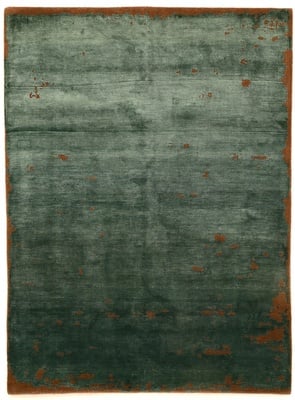
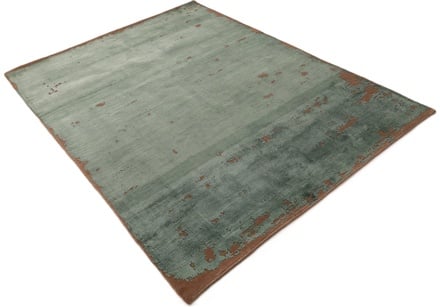
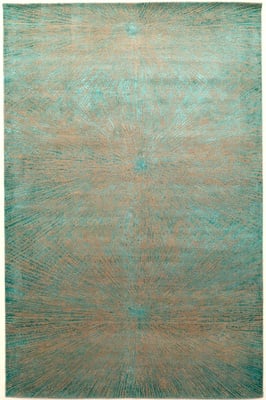
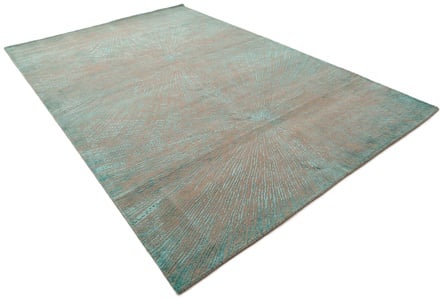
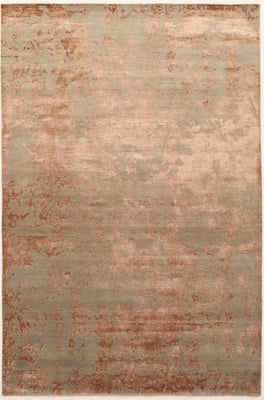
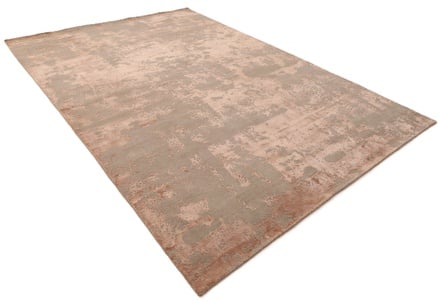
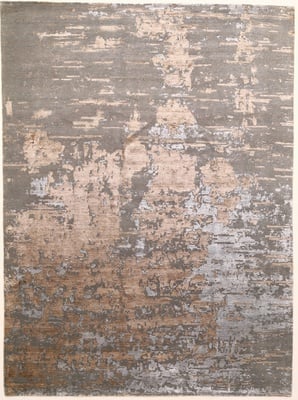
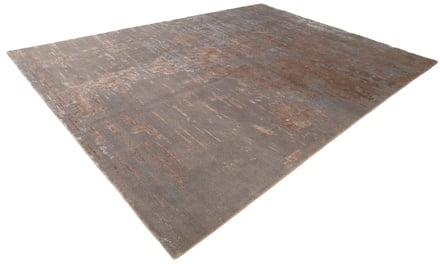
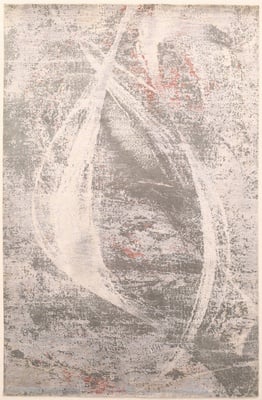
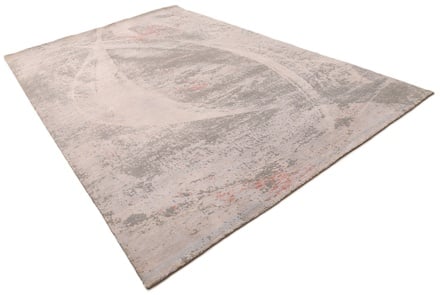
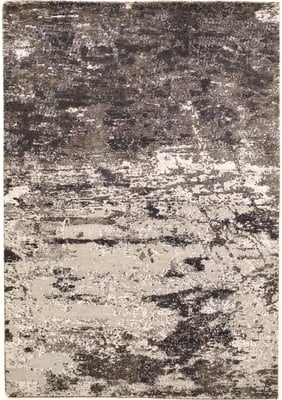
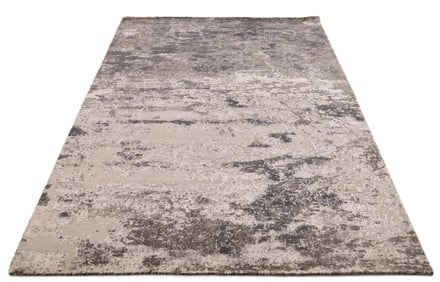
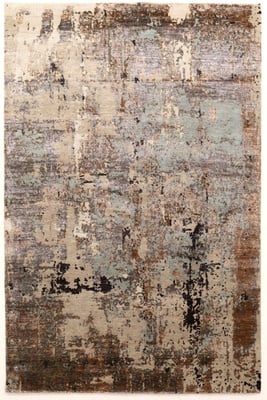
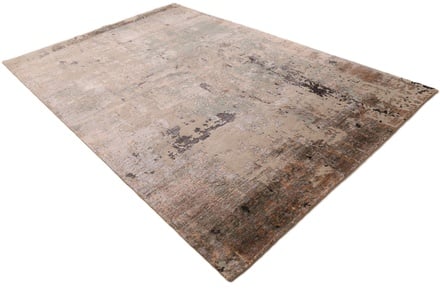
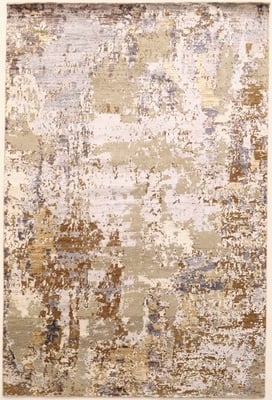
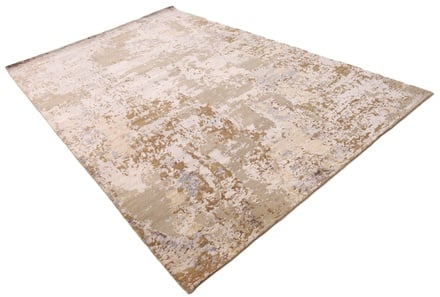
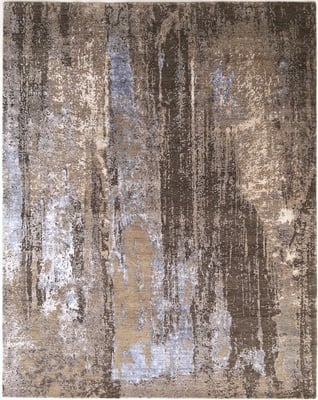
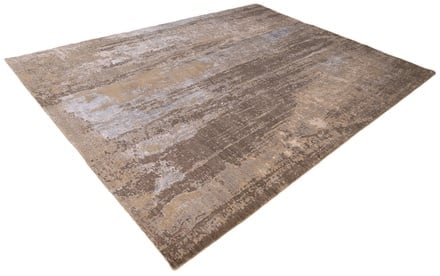
Indian rugs represent one of the world's most dynamic and diverse weaving traditions. What began in the 16th century under the patronage of the Mogul Emperors as an elite court art has evolved into a sophisticated synthesis of textile expertise, premium natural fibers, and forward-thinking design. Whether you are looking for precise reinterpretations of classical Persian iconography, timeless Ziegler classics in muted vintage palettes, or minimalist, hand-woven flat-weaves suitable for contemporary architecture: hand-knotted rugs from India blend textile history with unparalleled aesthetics.
In the prestigious workshops of Northern and Central India, textile masterpieces of lasting value are still created today. If you are seeking a handcrafted rug for your home, Indian carpets offer the ideal balance of artisanal excellence, durable material quality, and outstanding value. Discover our curated collection at RugEast—pieces designed to bring warmth, structure, and sophisticated elegance to any interior.
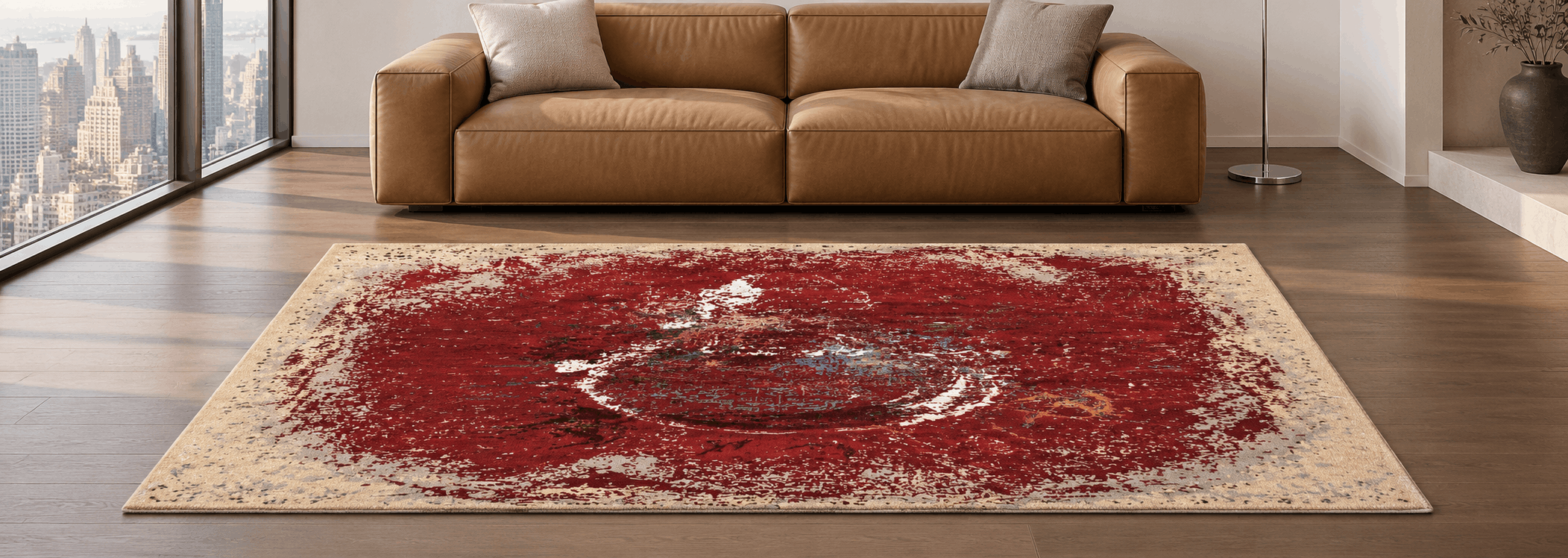
The history of Indian carpet weaving is intrinsically linked to the Mogul Dynasty. In the 16th century, the Great Mogul Akbar the Great (1556–1605) invited legendary master weavers from the Safavid Empire of Persia to India to establish imperial workshops in Agra, Delhi, and Lahore. There, the rigid Persian floral, spiral, and hunting motifs were enriched with indigenous Indian flora and fauna. Under Shah Jahan, this art form reached its creative zenith: intricate floral vase designs, millefleurs patterns, and naturalistic cypress motifs made Indian rugs highly coveted status symbols across European royal courts.
By the 19th and 20th centuries, India had developed beyond classical court workshops to become a global hub for oriental weaving innovation. Regions like Bhadohi and Mirzapur in Uttar Pradesh—the heart of India's "carpet belt"—along with the historic city of Jaipur in Rajasthan and the mountain regions of Kashmir, cultivated distinct manufacturing traditions. Today, Indian weaving masters are renowned for their exceptional ability to marry the complex patterns of historical Oriental rugs with modern demands for color harmony and haptics.
The epicenter of Indian weaving. This region combines multi-generational craftsmanship to produce fine recreations of classical Persian styles, modern designer rugs, and the iconic Indo-Ziegler with its authentic antique-wash finish.
Rajasthan is world-famous for the symbiosis of dense knot structures and hand-spun Bikaneri highland wool. Beyond intricate knotting, the region boasts a rich tradition in manufacturing durable Dhurrie flat-weaves.
Renowned for exquisite silk carpets, knotted on either pure silk or cotton foundations. Designs here are heavily influenced by classical Isfahan and Ghom compositions, featuring extremely fine knot densities.
A center for innovative weaving technology, structured handloom textiles, and dense natural fiber combinations—ideal for purist and Scandinavian-inspired interiors.
The durability and long-term value of a rug are largely determined by its raw materials. Indian workshops prioritize premium natural fibers selected under strict quality criteria:
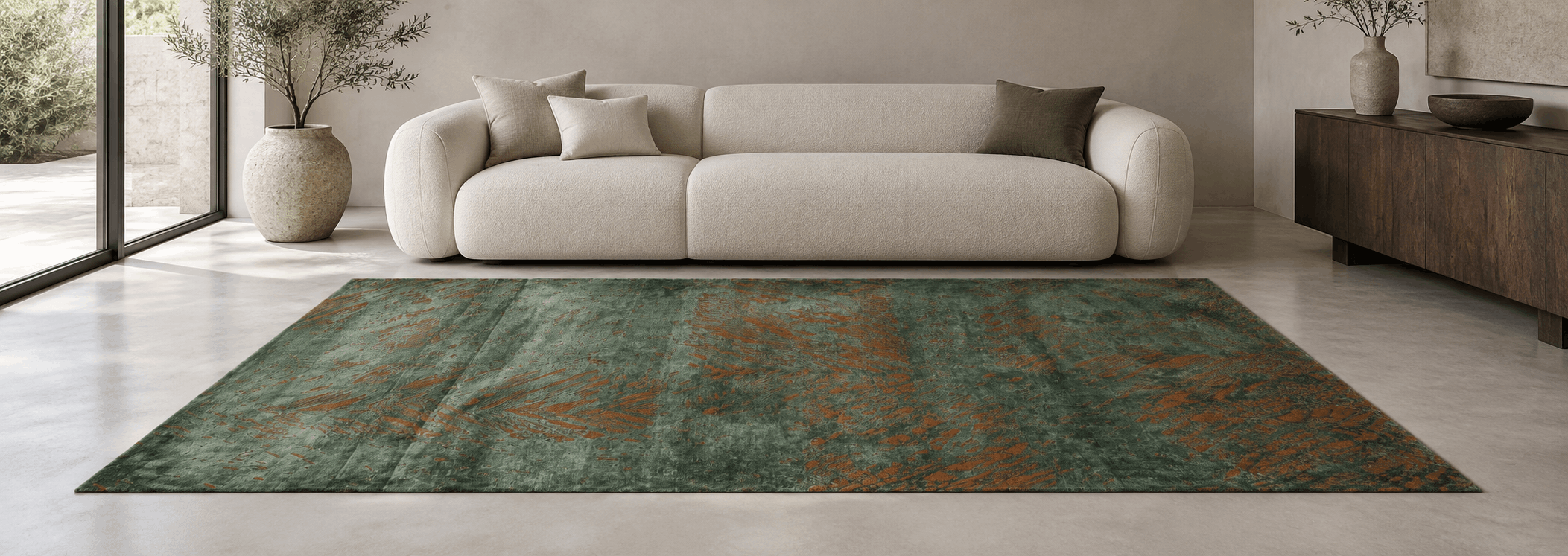
Indian rugs are celebrated for their variety. To choose the right piece for your living space, it is essential to distinguish between the manufacturing techniques:
1. Hand-Knotted Masterpieces
The gold standard of traditional craftsmanship. Each knot is tied by hand around the warp threads (predominantly using the asymmetrical Persian Senneh knot). With knot densities from 150,000 to over 500,000 knots per square meter, these rugs possess immense structural integrity and can be passed down through generations.
2. Handloom Rugs
Produced on mechanically operated hand-looms, these carpets create dense pile structures or loops without individual manual knots. Handloom rugs are characterized by minimalist textures, plush wool piles, and an exceptionally calm, monochromatic surface effect.
3. Dhurries – Traditional Flat-weaves
Similar to Anatolian or Persian Kilim rugs, Indian Dhurries are pile-less flat-weaves made of cotton or wool. They are reversible, lightweight, durable, and bring geometric freshness to kitchens, dining areas, and modern living concepts.
The Indian rug industry has established itself globally through its unparalleled adaptability. Our most sought-after collections include:
Indo-Ziegler: Inspired by the legendary designs of the late 19th-century Swiss-British firm Ziegler & Co. These rugs feature large-scale floral vines, soft pastel and earth tones (ivory, sage, terracotta, sand), and intricate stone-washing. They are the epitome of timeless country-house elegance.
Indo-Bidjar and Indo-Mir: Extremely firm, dense knots following classical Persian archetypes. The floral *Boteh* pattern (almond or palmette motif) of the Mir rug is a true classic, while Indian interpretations of Bidjar are noted for their extreme durability, standing up to the heaviest foot traffic in lobbies and conference rooms.
Scandinavian-Modern & Japandi: Reduced structures, mélange wool, soft high-low reliefs, and earthy natural tones. These modern Indian collections reflect the current trend toward sustainable, organic living and serve as the perfect base as a cozy living room rug.
Handcrafted wool rugs are naturally dirt-repellent and robust. To ensure your carpet retains its brilliance and elasticity for decades, we recommend the following:
Choose from our handpicked selection of Indian rugs at RugEast—each piece is an artisanal masterpiece designed to add character, acoustic comfort, and timeless style to your space.
1. What is the difference between Indian and Persian rugs?
While Persian rugs are strictly tied to traditional urban or nomadic designs and regional patterns, Indian workshops offer immense flexibility. Indian weavers adapt classical motifs, often translating them into softer, Western-influenced color palettes (as seen in the Indo-Ziegler) while providing exceptional quality for the price.
2. What distinguishes hand-knotted from handloom and tufted rugs?
A true hand-knotted rug consists of hundreds of thousands of individual knots tied into the foundation—it is extremely durable and retains value. Handloom rugs have their pile woven on hand-operated looms, offering dense, minimalist textures. Hand-tufted rugs are made by shooting pile into a backing with a tufting gun and applying latex; they are more affordable but lack the longevity of hand-knotted pieces.
3. Are Indian wool rugs suitable for underfloor heating?
Yes, hand-knotted Indian wool rugs and flat-woven Dhurries are excellent for rooms with underfloor heating. As they are knotted on pure cotton foundations without insulating rubber backings, they allow heat to circulate effectively. We simply recommend using a breathable rug underlay.
4. How should I clean a rug with bamboo silk accents?
Botanical silks (cellulose fibers) are more sensitive to moisture than pure sheep's wool. Spills must be blotted immediately with a dry cloth without rubbing. For heavy soiling, we always recommend professional biological rug cleaning specialized in plant-based fibers.
5. Why does my new Indian wool rug shed?
Initial shedding is not a defect, but a material-typical characteristic of high-quality hand-spun virgin wool. When the pile is sheared after knotting, loose fiber remnants remain in the weave, which are released through regular foot traffic and careful vacuuming. This effect decreases significantly after a few weeks.