
5 simple tricks to remove carpet burns
Learn five ways to repair carpet burns from cigarettes, candles, charcoal, and hot objects. Light scorch marks may be sanded or trimmed, while wax needs careful low heat and deep burns require a matching patch. Use carpet-safe products, avoid excess heat, and hire an expert for most valuable rugs.
Five Easy Ways to Repair Carpet Burns
Accidents can leave burns on carpets, affecting the appearance of your home’s interior. Fortunately, minor carpet burns can often be repaired using a few simple methods. The appropriate technique depends on the cause, size, and depth of the damage.
Repairing a Burned Carpet at Home
Carpets can be burned by cigarettes, candles, charcoal, hot cookware, and other heat sources. Because replacing a carpet can be expensive, repairing the affected area may be a more practical solution.
For deep burns, begin by finding a leftover carpet remnant or an inconspicuous section with the same color, pattern, pile, and texture. Cut a replacement piece slightly larger than the damaged area, preferably working from the back to achieve a cleaner cut.
Using a sharp utility knife, carefully remove the burned section. Apply carpet adhesive or double-sided carpet tape around the edges of the opening, following the product’s instructions. Insert the replacement piece, ensuring that the pile runs in the same direction as the surrounding fibers.
Once the adhesive has dried, gently trim or comb the fibers to make the repaired area less noticeable. If the carpet is valuable, patterned, or extensively damaged, consider hiring a professional repair service.
Methods for Repairing Carpet Burn Marks
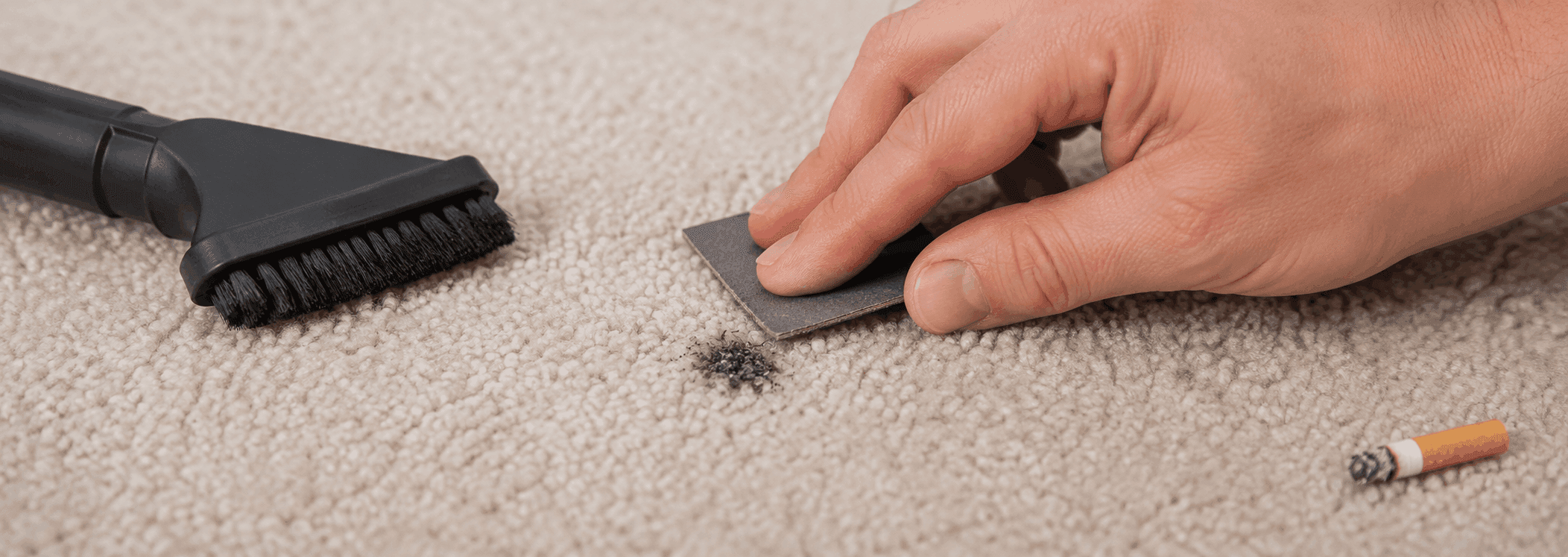
1. Using Sandpaper
Fine sandpaper may help remove light scorching caused by a cigarette or another small heat source. Gently sand the damaged fibers, taking care not to affect the undamaged area.
After removing the charred material, vacuum the area thoroughly. Use a comb or soft brush to blend the remaining fibers with the surrounding pile. This technique is suitable only for very superficial damage.
2. Treating Minor Discoloration
Some sources recommend rubbing onion juice on yellowed carpet fibers, but this method may leave an odor or stain and is not suitable for every material. A safer approach is to blot the affected area with a clean, damp cloth and a carpet-safe cleaning solution.
Always test any treatment on a small, inconspicuous area first. Cleaning products cannot restore fibers that have melted or been deeply burned.
3. Trimming Burned Fibers with Scissors
If only the tips of the carpet fibers are scorched, carefully trim them with small, sharp scissors. Remove as little material as possible to avoid creating a visible depression.
Vacuum away the loose fibers, lightly blot the area with cold water if necessary, and use a comb or soft brush to blend the pile. Avoid soaking the carpet.
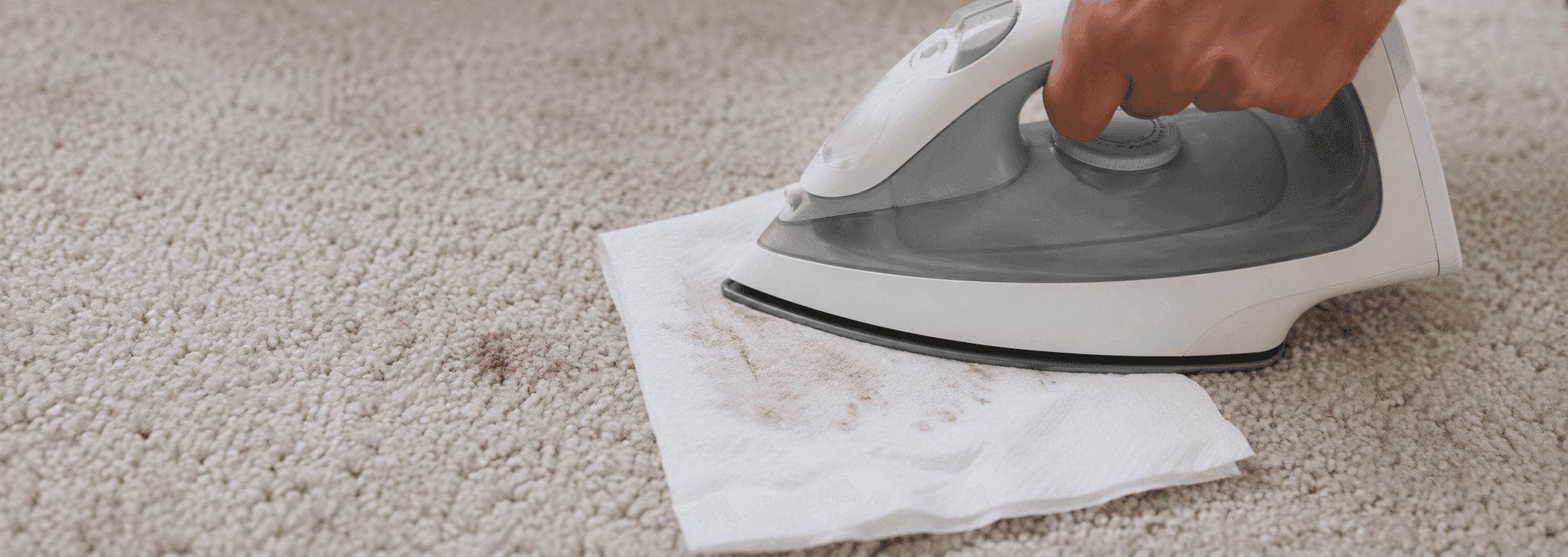
4. Removing Candle Wax with a Cloth and Iron
If candle wax has dripped onto the carpet, allow it to cool and gently scrape away as much as possible with a blunt tool. Place a clean white cloth or several layers of plain paper towel over the remaining wax.
Set the iron to its lowest heat setting, turn off the steam, and briefly press it against the cloth. The heat may transfer the wax from the carpet to the cloth. Move to a clean section and repeat as needed.
Use extreme caution, as excessive heat can melt synthetic carpet fibers or damage dyes. Check the manufacturer’s instructions before applying heat.
5. Using Carpet Shampoo
If charcoal or another hot object has left a superficial mark, carefully trim away the burned fibers. Apply a small amount of carpet shampoo that is suitable for the carpet’s material, following the manufacturer’s directions.
Blot or rinse the treated area as instructed, remove excess moisture, and allow it to dry completely. Once dry, gently comb the pile to blend the repaired area with the surrounding carpet. Carpet shampoo may remove soot and discoloration, but it cannot restore severely burned fibers.
Repairing Minor Carpet Burns
Minor burns may sometimes be reduced by trimming the damaged fiber tips with a razor blade or scissors. Work carefully and remove only the burned material. Vacuum the area afterward to collect loose fibers.
Friction caused by moving furniture can also leave marks that resemble burns. These are not necessarily heat burns and may respond to gentle cleaning or pile grooming. Before applying any cleaning product, test it on an inconspicuous section to ensure that it does not damage or discolor the carpet.
Repairing Deep Carpet Burns
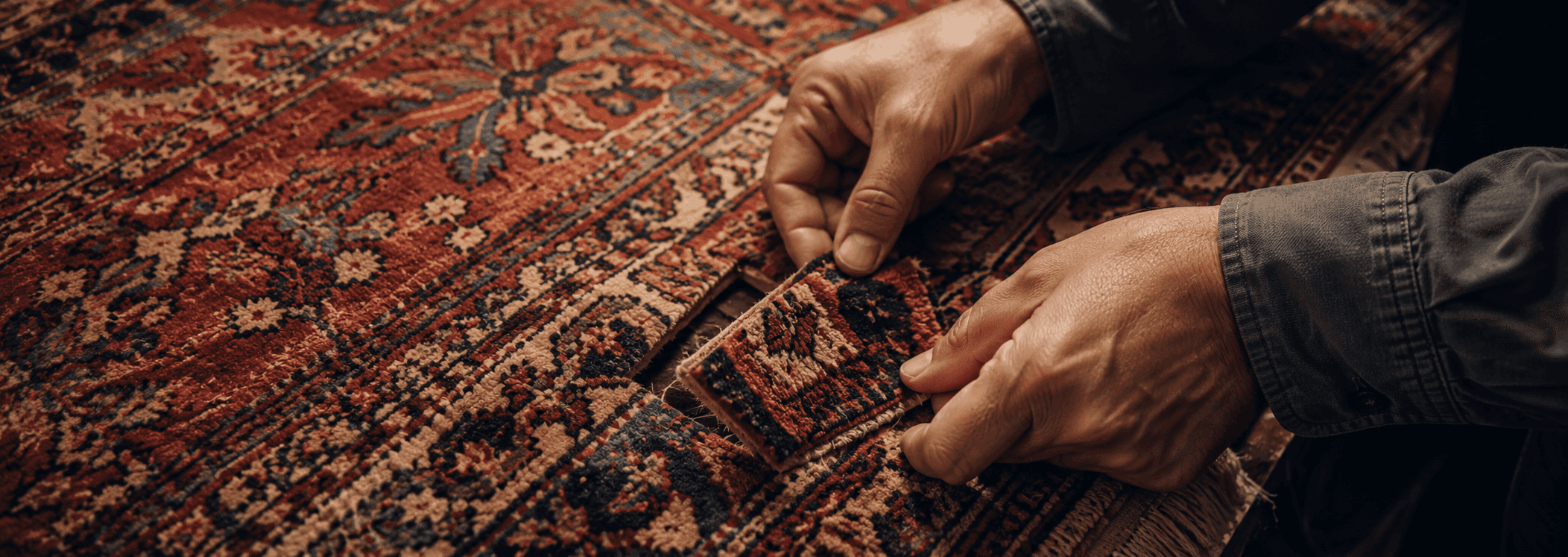
Deep burns generally require patching. Carefully cut out the damaged section and clean the surrounding area. Cut a matching replacement piece from a carpet remnant, ensuring that its pattern and pile direction align with the existing carpet.
Secure the patch with carpet adhesive or double-sided carpet tape. Follow the adhesive manufacturer’s drying instructions and avoid walking on the repaired section until it has fully cured. Once secure, carefully trim any uneven fibers to match the height of the surrounding pile.
Professional repair is usually the safest option for large, patterned, handmade, antique, or valuable carpets.
Conclusion
Carpet burns can result from cigarettes, charcoal, candle wax, hot cookware, and other sources. The correct repair method depends on the severity of the damage. Superficial scorching may be improved by carefully trimming or sanding the affected fibers, while deep burns usually require a replacement patch.
Use only cleaning products that are appropriate for the carpet’s material, and always test them on an inconspicuous area first. Avoid harsh soap, excessive moisture, and high heat, as these can damage the fibers or dyes.
Repairing a damaged area is often more affordable than replacing the entire carpet. For professional assistance with carpet burns, visit Rugeast.com.
FAQs
1. Can minor carpet burns be repaired at home?
Yes. Superficial burns may be improved by carefully sanding or trimming the scorched fibers and blending the surrounding pile.
2. How are deep carpet burns repaired?
Remove the damaged section and insert a matching carpet patch, aligning its pattern, texture, and pile direction with the surrounding area.
3. When should a professional repair a carpet burn?
Professional repair is advisable for extensive damage and valuable, antique, handmade, or intricately patterned carpets.