
Carpet washing in a carpet cleaning company or washing at home
Home carpet care works well for routine vacuuming, fresh spots and light soil on durable, colorfast carpets. Professional cleaning is safer for heavy soil, odors, old stains, delicate fibers or uncertain dyes. Compare the carpet's care needs, drying conditions, value and condition before choosing.
Some people assume that professional cleaning for machine-made carpets is expensive or inconvenient, or that rented equipment and supermarket stain removers can produce the same results. The better option, however, depends on the carpet’s materials, condition, value, and cleaning requirements.
Cleaning Carpets at Home
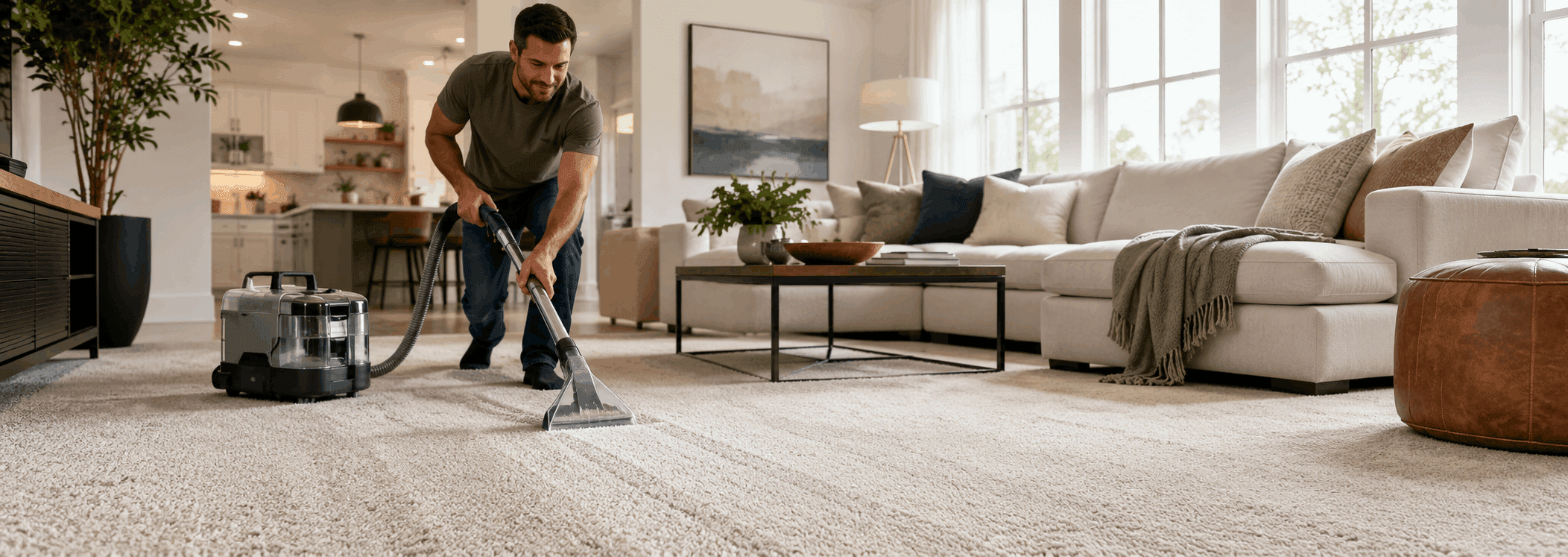
Routine home care generally includes vacuuming, treating minor stains, and occasionally using rented or purchased carpet-cleaning equipment.
Regular Vacuuming
Vacuuming removes dust, soil, hair, and other particles before they become deeply embedded in the pile. High-traffic areas may require frequent attention, while less-used areas can be cleaned according to need.
Although routine vacuuming supports cleanliness and may reduce airborne dust and allergens, it does not replace periodic deep cleaning. For allergy control, use a well-maintained vacuum with effective filtration and follow the carpet manufacturer’s care instructions.
Treating Stains
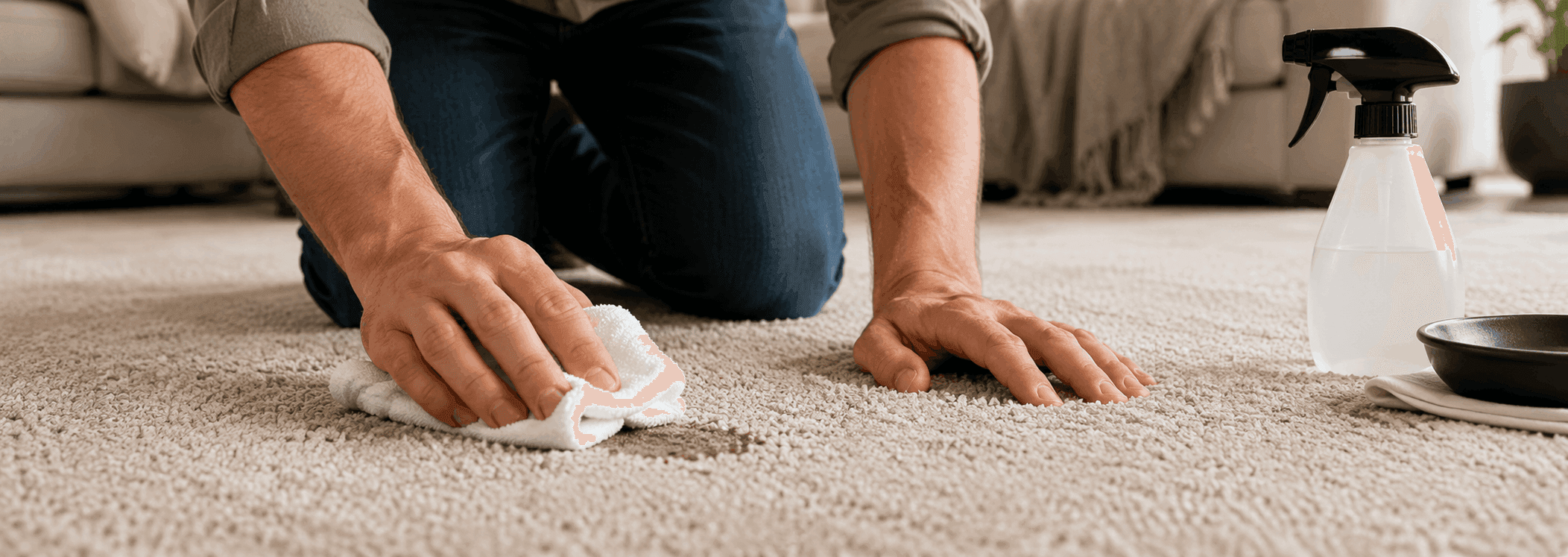
Spills should be treated promptly:
- Remove solid material carefully.
- Blot liquids with a clean white cloth or paper towel.
- Work from the outside of the stain toward the center.
- Avoid rubbing or aggressive scrubbing.
- Use only a product approved for the carpet’s fibers and dyes.
- Test the cleaner on a hidden area first.
- Rinse or remove residues as directed, then dry the carpet thoroughly.
Commercial stain removers can cause fading, dye bleeding, fiber damage, or sticky residue when used incorrectly. Never mix cleaning products or apply bleach unless the carpet manufacturer expressly permits it.
Using Home Carpet-Cleaning Equipment
Buying or renting a carpet-cleaning machine may be practical for certain durable, machine-made carpets. Before using one, confirm:
- The carpet is suitable for wet cleaning.
- The cleaning solution is compatible with its fibers and backing.
- The machine can extract sufficient moisture.
- The carpet can dry rapidly and completely.
- The warranty permits this cleaning method.
Over-wetting may cause odors, mold growth, shrinkage, dye migration, rippling, or separation of the carpet’s backing. Some carpets require low-moisture or specialist cleaning and should not be washed with ordinary extraction equipment.
Professional Machine-Made Carpet Cleaning
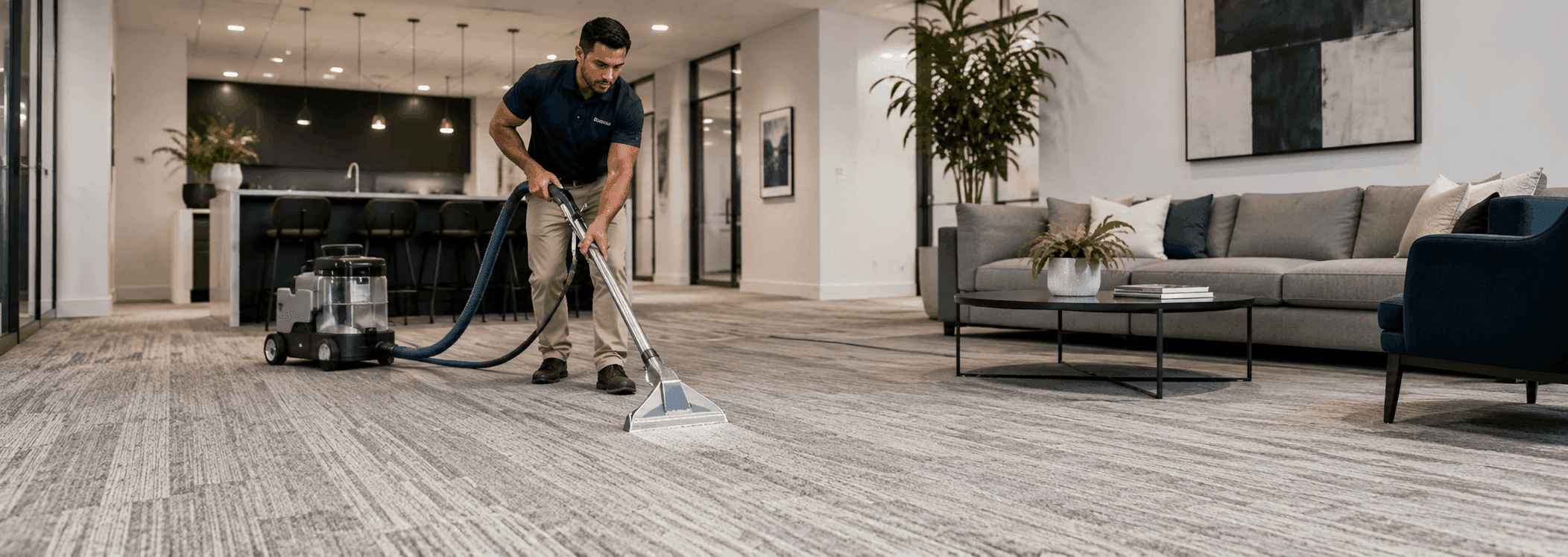
Professional carpet cleaners use commercial equipment, specialized products, and established procedures for different fibers, constructions, and types of soil.
A competent cleaner should:
- Inspect the carpet before treatment
- Identify its fibers and construction
- Test for colorfastness
- Document existing damage
- Select compatible cleaning products
- Pre-treat stains appropriately
- Extract detergent and moisture thoroughly
- Dry the carpet under controlled conditions
Professional treatment is particularly advisable for extensive soiling, persistent odors, old stains, pet contamination, water damage, delicate materials, unstable dyes, or carpets whose composition is unknown.
Factors Affecting Professional Cleaning Costs
The price of professional cleaning may depend on:
- Carpet dimensions
- Fiber and construction
- Degree of soiling
- Number and type of stains
- Required cleaning method
- Furniture removal
- Collection and delivery
- Repairs or specialist treatments
Heavily soiled carpets generally require more labor, cleaning solution, and treatment time. Nevertheless, no reputable company should guarantee complete stain removal. Some substances permanently alter the carpet’s dyes or penetrate deeply into its fibers and backing.
Request a written estimate and ask whether stain treatment, deodorizing, collection, delivery, and taxes are included.
Which Option Is Better?
Home care may be sufficient when:
- The carpet is machine-made, durable, and colorfast.
- The manufacturer permits the proposed method.
- The soiling is light.
- The stain is small and recent.
- Suitable equipment and drying conditions are available.
Professional cleaning is usually preferable when:
- The carpet is heavily soiled.
- Stains are old, extensive, or unidentified.
- Odors persist after surface cleaning.
- The fibers or dyes are unknown.
- Previous cleaning caused discoloration or water marks.
- The carpet cannot be dried quickly.
- The carpet is valuable, handmade, silk, wool, antique, or structurally damaged.
Choosing a Professional Cleaner
Before hiring a company, ask:
- Does it have experience with this carpet type?
- Will it inspect the carpet and test its dyes?
- Which cleaning method will it use?
- How will it prevent excessive moisture and residue?
- How will the carpet be dried?
- Is the company insured against accidental damage?
- Will it provide a written estimate and condition report?
A reputable cleaner should explain the likely results and disclose any risk of permanent staining, dye instability, shrinkage, or pre-existing damage.
Conclusion
Neither home cleaning nor professional treatment is automatically best in every situation. Regular vacuuming and prompt spot treatment are appropriate for routine maintenance, while professional cleaning offers greater expertise and moisture control for difficult or high-risk work.
Always consider the carpet’s fibers, construction, condition, and care instructions before choosing a method. When these details are unknown—or when a stain resists gentle treatment—consulting an experienced carpet cleaner is the safest course.
FAQs
1. When is cleaning a carpet at home appropriate?
Home cleaning may suit durable, colorfast, machine-made carpets with light soil or small, recent stains when adequate drying is possible.
2. When should a professional carpet cleaner be hired?
Professional care is preferable for heavy soiling, persistent odors, old stains, unknown fibers, unstable dyes, valuable carpets or water damage.
3. What are the risks of using home carpet-cleaning equipment?
Over-wetting or unsuitable products can cause mold, odors, shrinkage, dye migration, rippling, residue buildup or backing separation.