
The Deadly Mistake in Handmade Rug Care
A handmade rug is much more than a decorative piece for your home. It is a valuable work of art and a piece of cultural heritage. Many fine Persian rugs are the result of years of craftsmanship, traditional techniques and countless hours of work by skilled weavers.
Why Tape Can Permanently Damage Your Rug Fringe
A handmade rug is much more than a decorative piece for your home. It is a valuable work of art and a piece of cultural heritage. Many fine Persian rugs are the result of years of craftsmanship, traditional techniques and countless hours of work by skilled weavers.
However, improper care can put this valuable investment at risk.
One of the most common—and potentially damaging—mistakes in handmade rug care is using adhesive tape to secure, bundle or protect the rug fringe. Although it may seem like a quick and harmless solution, tape can cause serious and sometimes irreversible damage to the fibers and structure of a handmade rug.
Why Is Rug Fringe So Important?
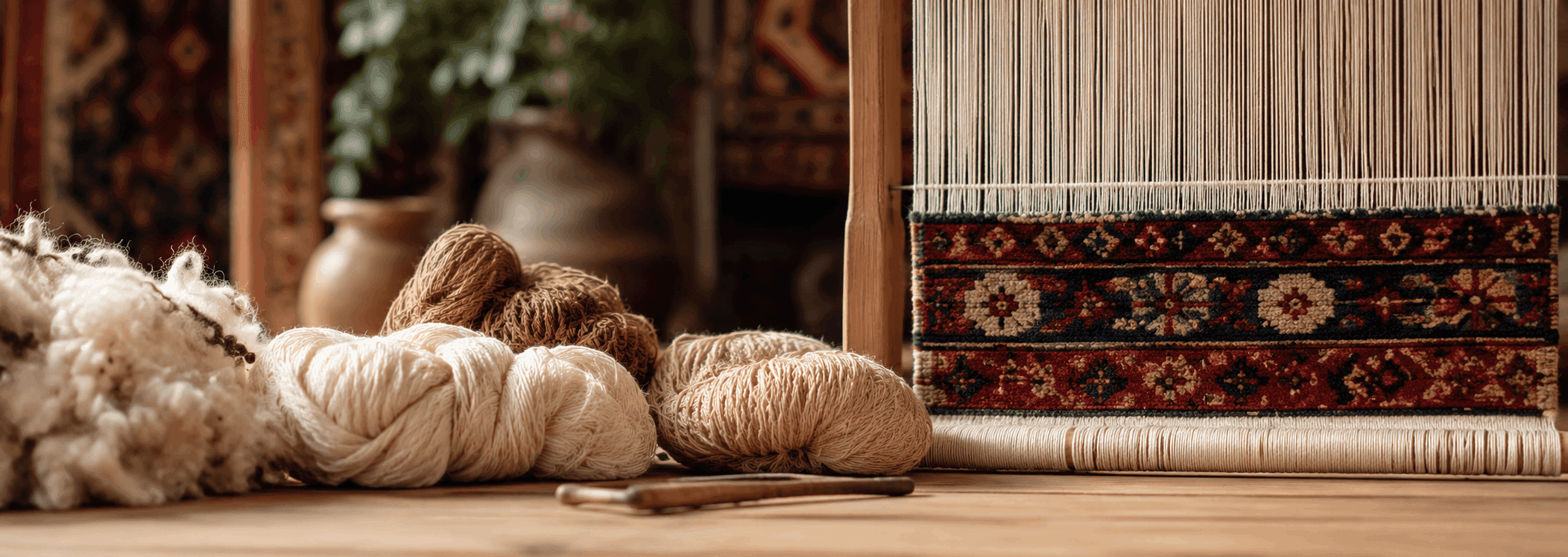
Rug fringe is not simply a decorative feature. In a traditionally woven rug, the fringe is formed from the continuation of the rug's foundation warps, also known as the warp threads.
Damage to the fringe can therefore affect more than the appearance of the rug. It may:
- Weaken the foundation of the rug
- Cause the woven structure to begin loosening
- Reduce the rug's aesthetic and financial value
- Lead to the need for professional restoration
- Allow further damage to develop at the ends of the rug
For valuable handmade and Persian rugs, protecting the fringe is an important part of long-term rug care.
Why Is Using Adhesive Tape on Rug Fringe a Mistake?
1. Adhesive Residue Can Damage the Fibers
Over time, adhesive tape can leave residue on natural fibers such as cotton and wool. Depending on the type of adhesive, prolonged contact may make fibers dry, brittle or discolored.
This can lead to:
- Brittle fringe fibers
- Weakening of the foundation threads
- Sticky or difficult-to-remove residue
- Discoloration
- Greater risk of fiber loss during removal
The longer the tape remains attached, the more difficult professional removal may become.
2. Tape Can Trap Dirt and Moisture
Another concern is that adhesive tape can create an enclosed area around the fringe where dust, dirt and moisture may accumulate.
Excess moisture is particularly harmful to natural textile fibers and can contribute to deterioration and, under unsuitable conditions, mold growth.
This may eventually weaken the foundation of the rug and accelerate damage at the ends.
3. Removing Tape Can Pull Out Fibers
One of the most immediate risks occurs when old tape is removed.
If the adhesive has bonded strongly to the fibers, pulling the tape away can:
- Pull out individual fibers
- Break or shorten fringe threads
- Remove weakened fibers along with the adhesive
- Damage the edge or foundation of the rug
For this reason, old adhesive tape should not simply be ripped off a valuable handmade rug.
4. Damaged Fringe Can Reduce Rug Value
A handmade rug with severely damaged or missing fringe may have a lower market value, even when the main field of the rug remains in excellent condition.
Depending on the extent of the damage, professional restoration may be required to stabilize and repair the rug.
A Common Misconception About Rug Fringe
Some rug owners use tape because they believe it will:
- Keep the fringe neat
- Prevent the fringe from becoming dirty
- Keep loose fringe together
- Extend the life of the fringe
Unfortunately, adhesive tape is not a proper long-term solution for protecting handmade rug fringe.
It may improve the appearance temporarily, but the adhesive can create additional problems that become more difficult and expensive to correct later.
How to Properly Protect Handmade Rug Fringe
✔ Use Breathable Fabric Fringe Protectors
If the fringe needs to be protected or kept organized, a lightweight, breathable fabric covering is generally a better option than adhesive tape.
The material should allow airflow and should not place excessive tension on the fringe.
✔ Clean the Fringe Carefully
Fringe should be cleaned gently and regularly. Avoid aggressive brushing, harsh chemicals and excessive friction, especially on old or fragile rugs.
✔ Keep the Rug Away From Excess Moisture
Moisture is one of the major risks for natural textile fibers.
Keep handmade rugs in a dry environment and address spills or moisture problems as soon as possible.
✔ Repair Damage Early
If you notice:
- Broken fringe
- Thinning or weakened threads
- Significant discoloration
- Missing fringe
- Damage to the rug's foundation
it is better to have the rug examined by a professional rug restoration specialist before the damage spreads.
Professional Rug Fringe Restoration
Professional rug restoration services can help address problems such as:
- Handmade rug fringe repair
- Replacement of damaged fringe
- Restoration of weakened rug edges
- Repair of damaged foundation threads
- Treatment of deterioration and fiber loss
- Reinforcement of the rug's ends
For valuable Persian and handmade rugs, restoration should be performed using methods appropriate for the rug's construction, age, materials and original weaving technique.
The goal is not simply to make the fringe look better, but to preserve the rug's structural integrity, authenticity and long-term value.
One Simple Decision Can Make a Big Difference
Using adhesive tape on rug fringe may look like a quick and convenient solution, but it can become one of the most damaging mistakes in handmade rug care.
If you want to preserve the beauty, structure and value of a Persian or handmade rug, avoid adhesive tape and choose proper, breathable protection instead.
And if tape has already been applied, avoid pulling it off aggressively. A professional should assess the condition of the fringe and foundation and determine the safest restoration method.
Frequently Asked Questions About Tape Damage to Rug Fringe
1) Does adhesive tape really damage rug fringe?
Yes, adhesive tape can damage rug fringe, particularly when it remains attached for a long period. Adhesive residue can affect natural fibers, while removing strongly bonded tape may pull out or break weakened fibers.
2) Why do some people put tape on rug fringe?
People sometimes use tape to keep fringe neat, prevent it from getting dirty or hold loose fringe together. However, this is only a temporary appearance-based solution and is not recommended as a long-term method of rug care.
3) Can tape be removed from rug fringe without causing damage?
Not always. If the adhesive has bonded strongly to the fibers, removing the tape can pull out, break or shorten the fringe. On an old, valuable or fragile handmade rug, professional assessment is recommended before attempting removal.
4) What should I do if my rug fringe has already been taped?
Do not aggressively pull the tape away. The safest approach is to have the rug inspected by a professional restoration specialist. Depending on the condition, the rug may require adhesive removal, fringe repair, re-fringing or restoration of the rug's foundation.
5) What is the best way to protect rug fringe?
Good methods include using breathable fabric protection, keeping the rug away from excessive moisture and dirt, cleaning it carefully and repairing damaged fringe before the problem becomes more serious.
6) Can damaged rug fringe be repaired?
Yes. In many cases, damaged or missing fringe can be repaired or restored. A professional rug restorer can determine whether the existing fringe can be repaired or whether partial or complete re-fringing is necessary.
7) Does tape damage only the appearance of a rug?
No. Tape-related damage can be more than cosmetic. Adhesive residue, fiber deterioration and damage caused during removal can weaken the foundation and the edges of the rug. In severe cases, this may contribute to further structural deterioration.