
5 recommendations for machine carpet cleaning
Professional machine-made carpet cleaning depends on prompt stain treatment, compatible products, thorough prevacuuming, maintained equipment and trained staff. Correct dilution, moisture control, complete drying and regular maintenance schedules protect carpets and ensure strong, reliable results.
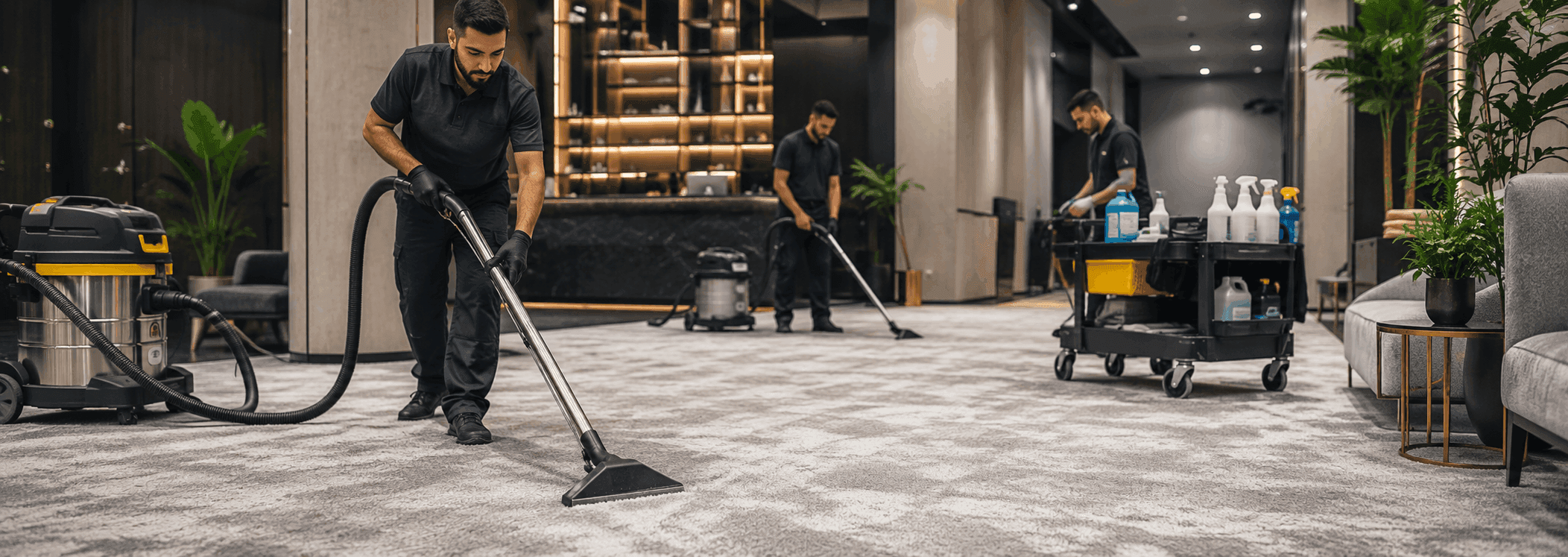
Effective carpet cleaning requires suitable equipment, properly diluted products, trained staff, and prompt stain treatment. A consistent maintenance routine can improve cleaning results, extend a carpet’s useful life, and increase customer satisfaction.
1. Treat Stains Promptly
The longer a spill remains on a carpet, the more difficult it may become to remove. Some substances can permanently discolor or chemically alter carpet fibers.
When a spill occurs:
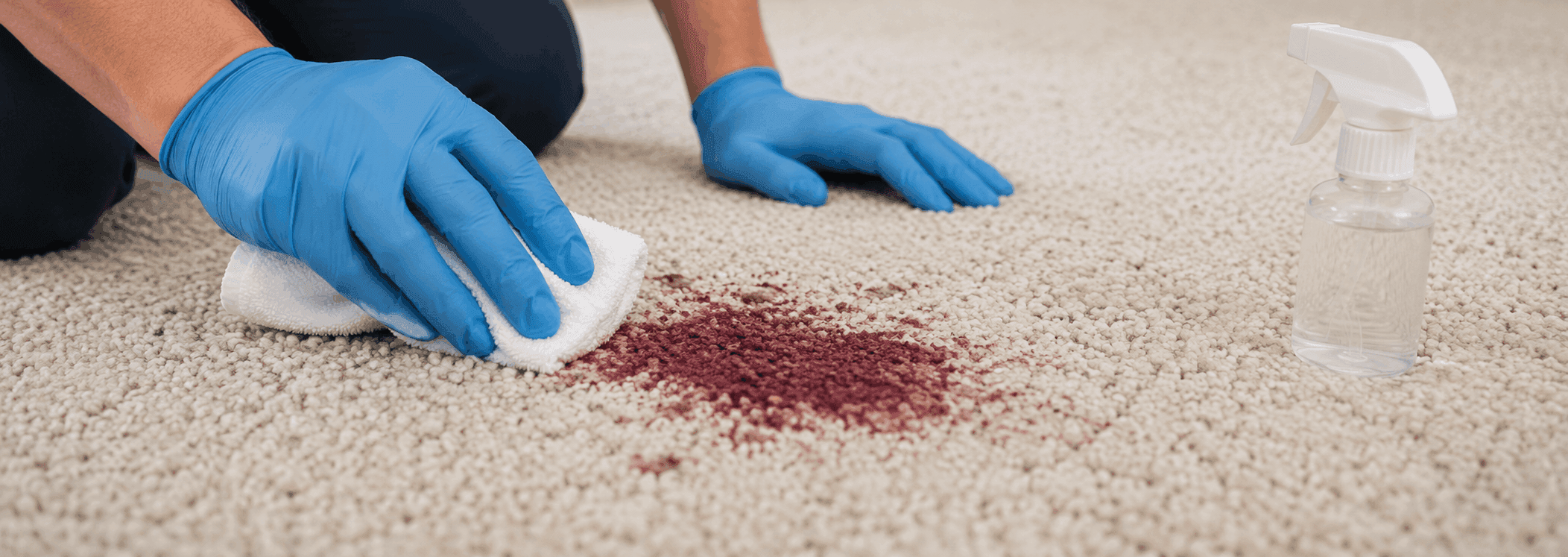
- Remove any solid material carefully.
- Blot the liquid with a clean white cloth or paper towel.
- Work from the stain’s outer edge toward its center.
- Avoid rubbing, which can spread the stain and damage the pile.
- Record what caused the stain so the cleaning team can select an appropriate treatment.
2. Pre-Treat Stains Correctly
Apply a stain-removal product compatible with the carpet’s fibers, dyes, and backing before the main cleaning process.
Follow the manufacturer’s dilution and dwell-time instructions. Excessively concentrated chemicals may leave sticky residues, cause discoloration, or damage the fibers. Insufficient rinsing can also attract new soil and make the carpet appear darker over time.
Always test an unfamiliar product on an inconspicuous area. Never mix cleaning chemicals.
3. Use Suitable, Well-Maintained Equipment
Professional results depend partly on choosing equipment appropriate for the carpet and cleaning method. This may include:
- Commercial vacuums with effective filtration
- Pile-lifting equipment
- Low-moisture cleaning machines
- Hot-water extraction equipment
- Controlled chemical-dispensing systems
- Moisture-extraction and drying equipment
Inspect filters, hoses, brushes, tanks, cords, and extraction systems regularly. Poorly maintained equipment may reduce suction, redistribute dust, leave excessive moisture, or create safety risks.
Backpack vacuums can improve mobility in suitable commercial settings, but equipment should be selected according to the floor area, carpet construction, filtration requirements, and operator safety.
4. Vacuum Before Wet Cleaning
Remove dry soil thoroughly before applying water or cleaning solution. When dust and loose dirt become wet, they can form muddy residue and penetrate more deeply into the pile.
Vacuum slowly and systematically, paying particular attention to entrances, traffic lanes, edges, and areas beneath movable furniture. Avoid aggressive rotating brushes on delicate pile, damaged edges, or fringes.
Pre-vacuuming makes wet cleaning more effective and may reduce the amount of detergent and water required.
5. Train Employees Before Independent Work
Staff should receive structured instruction before cleaning customers’ carpets independently. Training should cover:
- Identifying common carpet fibers and constructions
- Reading care labels and product instructions
- Testing dyes for colorfastness
- Selecting and diluting cleaning chemicals
- Treating different types of stains
- Operating equipment safely
- Controlling moisture
- Rinsing and extracting residues
- Drying carpets thoroughly
- Recognizing damage that requires specialist attention
- Documenting the carpet’s condition before and after cleaning
Supervised practice is essential. Incorrect chemical use, excessive scrubbing, over-wetting, or incomplete drying may cause color bleeding, shrinkage, distortion, residue buildup, odors, or mold growth.
Establish a Maintenance Schedule
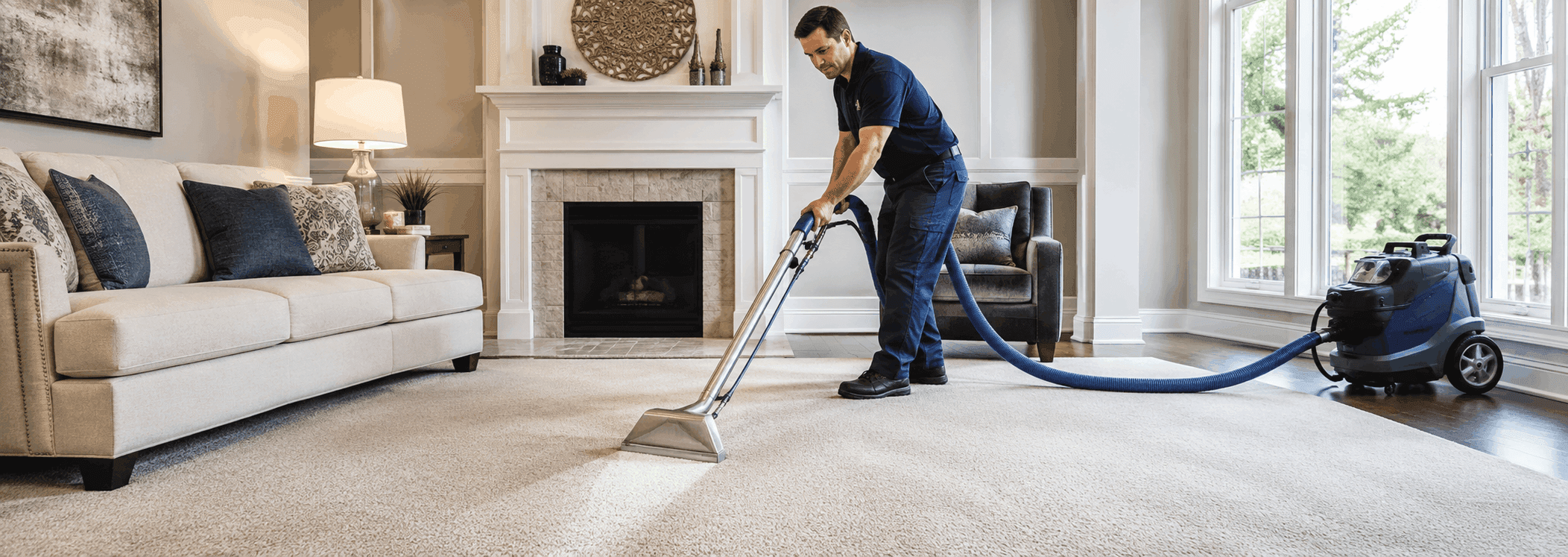
Professional carpet care should combine routine vacuuming, periodic inspection, prompt spot treatment, and deep cleaning based on actual use and soil levels. High-traffic commercial areas generally require more frequent attention than lightly used residential spaces.
A reliable cleaning company should inspect each carpet before treatment, explain the proposed method, document existing damage, and ensure that the carpet is completely dry before it is returned to service.
Conclusion
Successful machine-made carpet cleaning depends on prompt stain treatment, compatible cleaning products, thorough pre-vacuuming, reliable equipment, and properly trained staff. Following these practices helps deliver consistent results while protecting carpets from avoidable damage.
FAQs
1. Why should carpet stains be treated promptly?
Prompt treatment prevents stains from penetrating fibers, becoming harder to remove, or causing permanent discoloration.
2. Why is vacuuming necessary before wet cleaning?
Vacuuming removes dry soil that could otherwise mix with moisture, form muddy residue, and settle deeper into the carpet pile.
3. What training should professional carpet cleaners receive?
Staff should learn fiber identification, stain treatment, chemical dilution, equipment operation, moisture control, extraction, drying, and damage assessment.