
The advantage of buying a handmade carpet
Discover why handmade Iranian carpets are valued for natural fibers, intricate motifs, lasting durability, cultural meaning and timeless appeal. Learn how they differ from machine-made rugs, what may influence their future value, key health and care considerations, and what to check before buying.
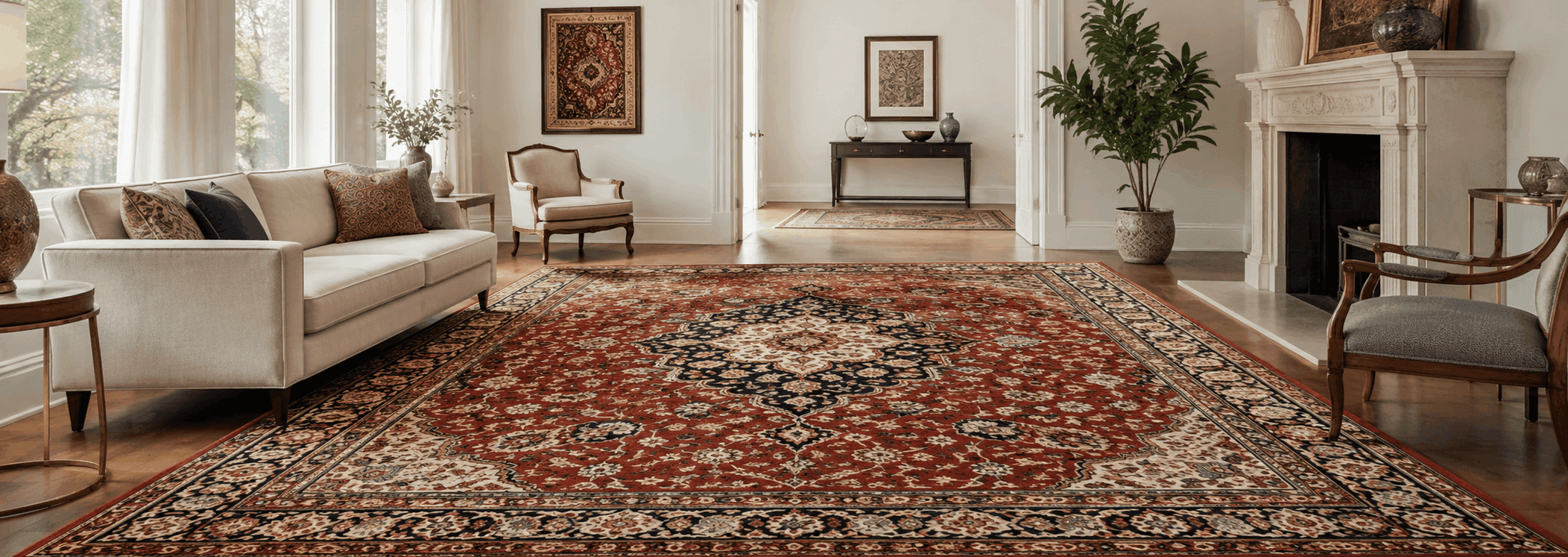
Purchasing a handmade carpet offers several advantages. Handwoven carpets are enduring symbols of Iranian art and commonly feature traditional Iranian motifs. Carpets generally fall into two categories: machine-made and handwoven. Handwoven carpets are renowned for their craftsmanship, quality, and durability, contributing to the worldwide popularity of Iranian carpets.
Machine-made carpets are produced using industrial machinery and have a texture that differs from that of handwoven carpets. This article explores the characteristics and benefits of investing in a handmade carpet.
Introduction to Handwoven Carpets
Handwoven carpets are among Iran’s most prominent traditional products. They are commonly used as floor coverings and are typically made from natural materials such as wool, cotton, and silk.
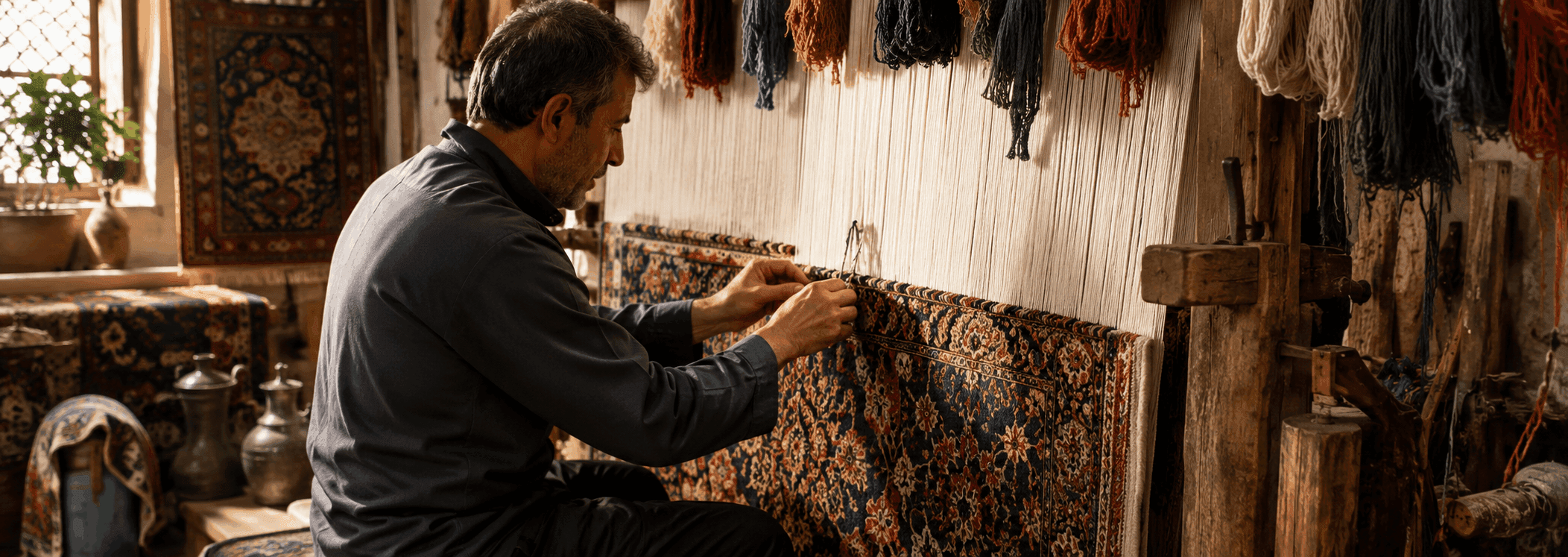
These carpets are produced on looms, with artisans tying or weaving the fibers by hand. Although they are generally more expensive than machine-made carpets, their durability and long lifespan can make them a worthwhile investment.
Handwoven carpets often feature traditional patterns incorporating Iranian cultural symbols. Depending on their dimensions, materials, knot density, and design complexity, creating one can take anywhere from six months to two years. Persian carpet weaving flourished during the late 16th century and remains an important part of Iranian culture.
Iranian handwoven carpets are available in numerous styles, including Afshan, Kheshti, and Toranj designs. Toranj carpets are especially admired for their prominent central medallions, which are frequently surrounded by decorative borders and complementary motifs.
The harmonious colors and intricate patterns of handwoven carpets can enhance a wide variety of interiors. Their timeless character allows them to complement traditional, modern, and antique furnishings.
Some handwoven carpets are made from wool, a natural fiber known for its durability, warmth, and ability to trap airborne particles. However, regular cleaning is essential to prevent accumulated dust and allergens from affecting indoor air quality.
Differences Between Handwoven and Machine-Made Carpets
Handwoven and machine-made carpets differ significantly in their materials and construction. Machine-made carpets frequently use synthetic fibers such as acrylic, polyester, or polypropylene, although some models may contain wool or other natural materials. Handwoven carpets are commonly made from natural wool, silk, cotton, or a combination of these fibers.
Another notable difference is the range and character of their colors. Handwoven carpets can incorporate numerous shades, creating rich and varied visual effects. Machine-made carpets may use a more limited color palette, depending on the manufacturing process and design.
The two types also differ in design. Machine-made carpets are produced from standardized patterns, while handmade pieces often display greater intricacy and subtle variations. Their motifs may be selected for their aesthetic, regional, cultural, or symbolic significance. Minor irregularities in handmade carpets are not necessarily defects; they can reflect the individual craftsmanship behind each piece.
Advantages of Handmade Carpets
Carpets have been used for centuries to create comfortable and inviting interiors. Their softness and texture vary according to the materials, construction methods, and density of the fibers.
Some machine-made carpets may lose their softness or fade with prolonged use. A well-made handwoven carpet, when properly maintained, can retain its texture, color, and appearance for many years.
The high-quality natural fibers commonly used in handwoven carpets contribute to their durability. Although their initial cost is often higher than that of machine-made alternatives, their longevity and beauty can make them a cost-effective long-term purchase.
Certain handmade carpets may also increase in value over time, particularly if they are rare, antique, exceptionally well crafted, or made by a recognized workshop or artisan. However, appreciation in value is not guaranteed and depends on factors such as condition, origin, age, materials, and market demand.
Many traditional carpets are colored with natural dyes derived from plants and other materials, including onion skins, madder root, and walnut shells. When prepared and applied properly, these dyes can produce rich colors that age beautifully. Some handmade carpets, however, use synthetic dyes, so buyers should confirm the materials and production methods with the seller.
Purchasing handwoven carpets can also support Iranian artisans, weaving communities, and the wider economy. Because Persian carpets are internationally recognized export products, their production and sale provide income for many weavers and related businesses.
Natural wool is relatively resistant to ignition compared with many synthetic fibers. Nevertheless, no carpet should be considered completely fireproof, and its fire resistance depends on its materials and any treatments applied during production.
Potential Health Benefits of Handwoven Carpets
Handwoven carpets made from natural fibers may offer several practical benefits. Wool, cotton, and silk generally contain fewer synthetic materials than many machine-made alternatives, although individual sensitivities can vary.
Claims that handmade carpets are automatically hypoallergenic should be treated cautiously. Any carpet can collect dust, pollen, pet dander, and other allergens if it is not cleaned regularly. The carpet’s materials, dyes, treatments, and maintenance all influence its effect on indoor air quality.
Handwoven carpets can often be cleaned effectively, but the appropriate method depends on their fibers, dyes, and construction. Valuable, antique, silk, or naturally dyed carpets should generally be cleaned by a professional with experience handling handmade carpets.
Wool fibers can trap airborne particles until they are removed through careful vacuuming or professional cleaning. Regular maintenance may therefore help reduce the amount of loose dust circulating in a room. However, poorly maintained carpets can accumulate allergens, regardless of whether they are handmade or machine-made.
Wool also provides natural thermal insulation, helping a room feel warmer and more comfortable. Although this can improve comfort underfoot, claims that a carpet directly protects bone health are not supported by established scientific evidence.
Purchasing a Handwoven Carpet
Handwoven carpets combine beauty, craftsmanship, durability, and cultural significance. They can enhance a building’s interior while expressing the traditions of Iranian art and civilization.
Before purchasing one, consider its materials, knot density, craftsmanship, dimensions, design, origin, condition, and care requirements. You should also buy from a reputable seller who can provide accurate information about the carpet’s authenticity and construction.
To explore a selection of Iranian handwoven carpets, visit Rugeast.com and choose a carpet that suits your space, preferences, and budget.
FAQs
1. Why are handmade carpets more expensive than machine-made carpets?
Their higher prices reflect the natural materials, skilled manual work, intricate designs, and months or years required to create them.
2. Do handmade carpets increase in value over time?
Some may appreciate, especially rare, antique, well-preserved, or expertly crafted pieces. However, value growth is not guaranteed.
3. What should buyers inspect before purchasing a handmade carpet?
Check its materials, knot density, craftsmanship, dimensions, design, origin, condition, authenticity, and maintenance requirements.