
The best carpet model for the salon
Choose the best living room carpet by comparing fibers, quality, maintenance, warranties, colors, and styles. Explore modern, Oriental, handmade, and machine-made options, learn what affects durability and value, and shop from a reputable retailer offering clear product details and terms up front.
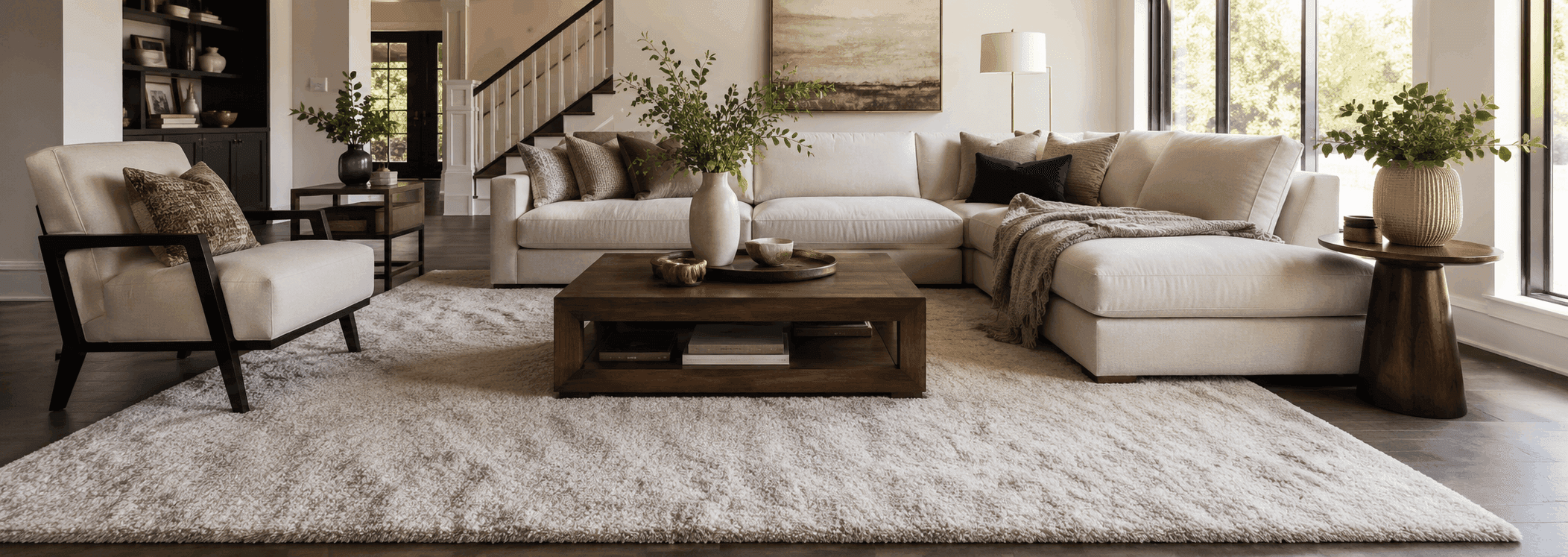
Few things feel as comfortable as walking on a soft, luxurious carpet. Carpets also provide children with a warm, cushioned surface for playing and may reduce the severity of injuries caused by falls.
With so many colors, materials, and designs available, choosing the right carpet can be challenging. This guide will help you select a durable, attractive, and practical carpet for your living room.
Five Tips for Choosing a Carpet
1. Select the Right Carpet Fiber
Each carpet fiber offers different advantages.
Nylon is durable, resilient, and relatively easy to clean. It is a practical choice for high-traffic areas and households with children or pets.
Triexta provides excellent stain resistance and resilience. It is particularly suitable for busy homes where spills are common.
Polyester, sometimes labeled PET, feels soft underfoot and is available in vibrant colors. However, it is generally less durable and resilient than nylon, making it more appropriate for low-traffic rooms.
Polypropylene, also known as olefin, is affordable and resistant to moisture, stains, static electricity, and mildew. However, it may flatten more easily than nylon and can retain oily stains. It is commonly used in casual living spaces and play areas.
Wool is a durable, naturally resilient fiber with a luxurious texture. It can last for many years when properly maintained, although it is usually more expensive and may require professional cleaning.
2. Consider Environmentally Conscious Options
Carpet materials, adhesives, backing, and finishes can affect indoor air quality. Consider carpets made from natural or recycled materials, such as wool, jute, recycled polyester, or other responsibly sourced fibers.
Look for products with low chemical emissions and ask the retailer about the dyes, backing, adhesives, and treatments used. Keep in mind that “natural” does not automatically mean allergen-free or environmentally sustainable.
3. Assess the Carpet’s Quality
Do not rely solely on a salesperson’s description. Read the product label, examine the texture, and ask about the carpet’s fiber, pile density, construction, backing, and expected performance.
A carpet’s weight alone does not determine its quality. Its durability depends on several factors, including fiber type, density, twist, construction, and suitability for the intended room.
4. Understand the Maintenance Requirements
Choose a carpet that suits your lifestyle and the amount of maintenance you can provide. Households with children, pets, or heavy foot traffic may benefit from stain-resistant, easy-to-clean carpets in medium or darker shades.
Before purchasing, check the recommended vacuuming and cleaning methods. Some handmade, wool, silk, and naturally dyed carpets require specialized care.
5. Review the Warranty
Quality carpets often include warranties covering issues such as manufacturing defects, wear, fading, texture retention, or staining. Read the conditions carefully, as coverage may depend on professional installation, regular cleaning, and the use of approved maintenance products.
Best Carpet Colors for Living Rooms
The color and pattern of a carpet can influence the atmosphere and perceived size of a room.
Light blue and green can create a calm, relaxing environment, while warm red, rust, and gold tones can make a large space feel more inviting. Light neutrals, such as cream, beige, and pale brown, may make a small room appear brighter and more spacious.
Before choosing a neutral carpet, decide whether you want it to blend into the background or become a focal point. A neutral carpet works particularly well when the walls, furniture, or artwork provide visual interest.
Dark colors, multicolored patterns, and textured designs can help conceal minor stains and everyday dirt. If the room already contains several patterns, choose a carpet with coordinating colors and a design that does not overwhelm the space.
Modern Carpet Styles for Living Rooms
Modern carpets are available in minimalist, geometric, abstract, distressed, and transitional designs. Belgian, Turkish, Iranian, and other international carpet-making traditions have also influenced contemporary interiors.
When choosing a modern carpet, consider the size of the room, furniture arrangement, existing colors, and overall decorative style. The carpet should visually connect the main pieces of furniture without making the room appear crowded.
Oriental Carpets for Living Rooms
The term “Oriental carpet” traditionally refers to carpets produced across a broad geographical area extending from North Africa and the Middle East to Central, South, and East Asia.
These carpets are commonly made from natural materials such as wool, cotton, and silk. Some traditional examples may also contain goat or camel hair, depending on their place and method of production.
Important carpet-producing regions and styles include:
- Tabriz
- Heriz
- Bukhara
- Afghan
- Nain
- Sarouk
- Qashqai
- Isfahan
- Kashan
Each style has its own characteristic materials, colors, patterns, and weaving techniques. Kashan, for example, is particularly well known for finely detailed classical Persian designs.
Handwoven Carpet Styles
Handwoven carpets are created by skilled artisans using techniques developed over many generations. Their detailed construction, traditional craftsmanship, and potential longevity make them culturally and artistically significant.
Handmade Persian carpets are generally more expensive than machine-made carpets because of the time, skill, and materials required to produce them. Their value varies according to factors such as origin, age, dimensions, materials, knot density, condition, and artistic quality.
Traditional Handwoven Carpets
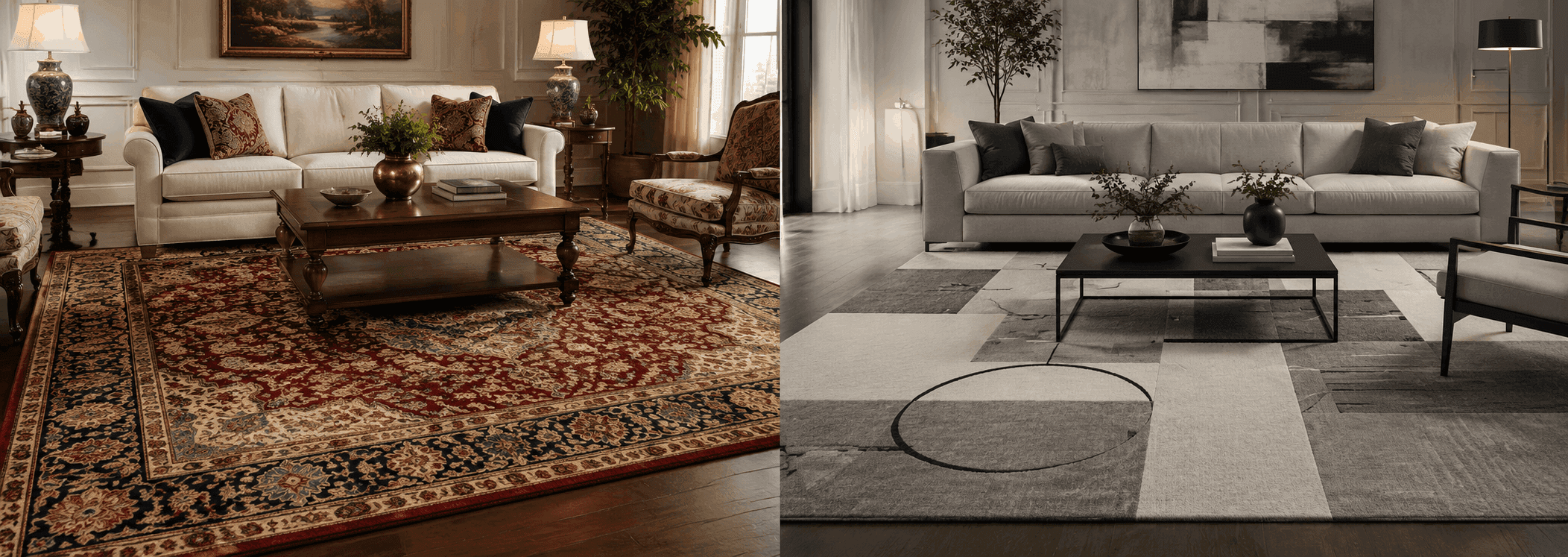
Traditional handwoven carpets commonly feature medallions, floral motifs, borders, and other regional designs. They often use complex color palettes, although the precise shades and patterns vary considerably by weaving region.
Modern Handwoven Carpets
Modern handwoven carpets use many of the same traditional materials and techniques but feature updated designs. They may incorporate abstract patterns, asymmetrical compositions, neutral palettes, or simpler geometric forms.
Both handwoven and machine-made carpets can be produced in traditional, transitional, or modern styles.
Purchase from a Reputable Carpet Retailer
Choose your carpet retailer carefully. Carpets are available from flooring specialists, furniture stores, department stores, wholesalers, and online retailers. A reputable seller should provide clear information about the carpet’s origin, materials, construction, maintenance requirements, price, warranty, and return policy.
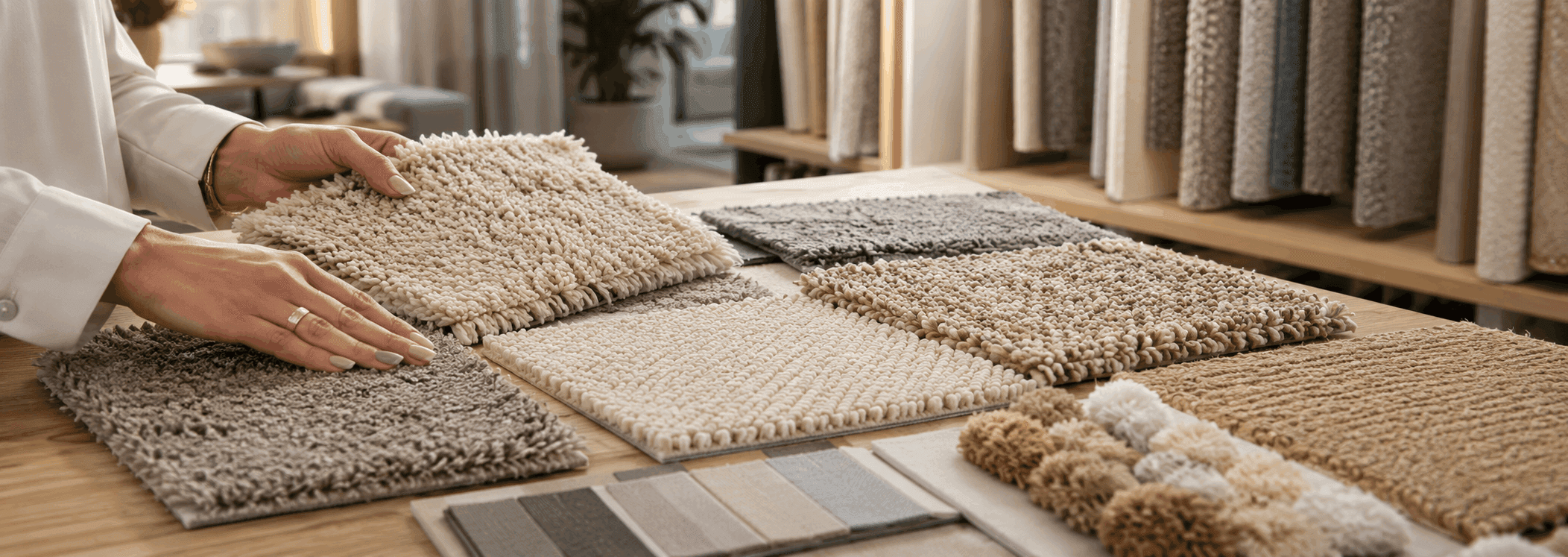
Specialist carpet retailers should also offer samples and help you compare options made from materials such as wool, synthetic fibers, blends, sisal, linen, jute, coir, and woven vinyl.
As a professional carpet manufacturer and direct importer of Oriental carpets, Rugeast offers a broad selection of traditional and modern designs at competitive prices.
Rugeast offers:
- Free shipping and returns
- A 31-day return policy
- A two-year Rugeast warranty
Before purchasing, review the complete terms and conditions associated with shipping, returns, and warranty coverage.
FAQs
1. Which carpet fiber is best for a living room?
Nylon and triexta suit busy households, while wool offers luxury and longevity. Polyester and polypropylene are affordable options for lighter use.
2. What determines a carpet’s quality?
Quality depends on fiber type, pile density, twist, construction, backing, durability, and suitability for the room—not weight alone.
3. What should you check before buying a handmade carpet?
Check its materials, dimensions, origin, knot density, condition, craftsmanship, care requirements, authenticity, price, and return policy.