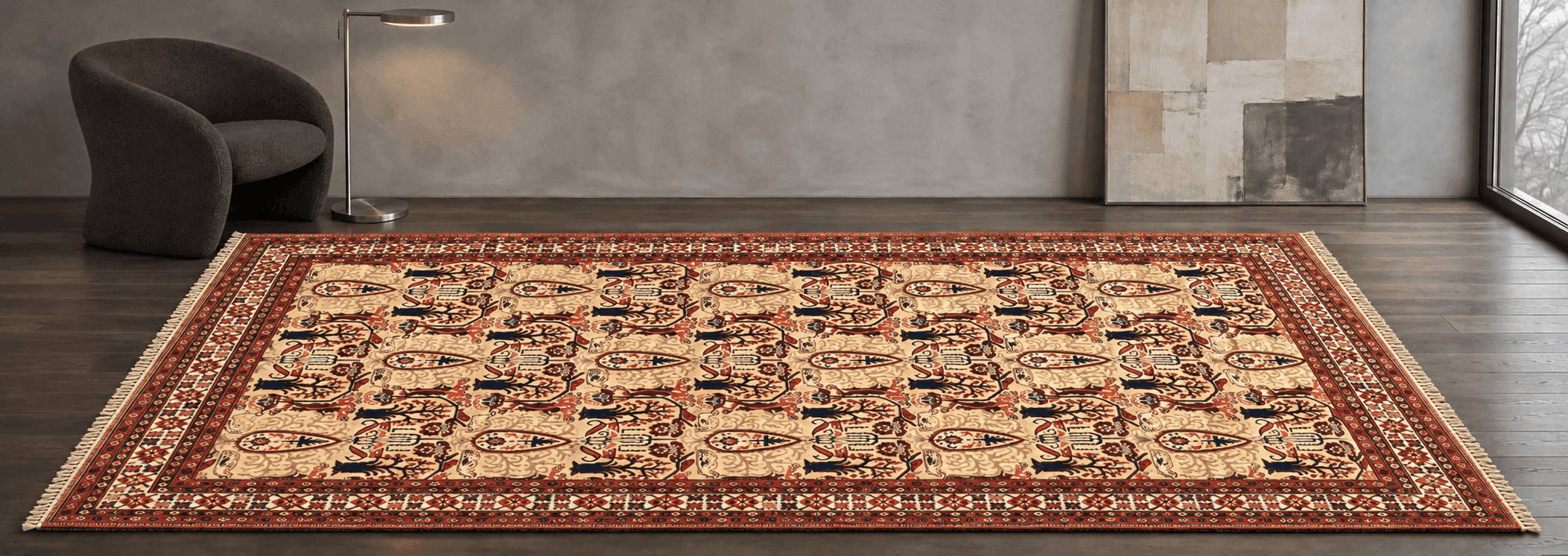
Erased Design Rugs: When Traditional Patterns Meet Contemporary Art
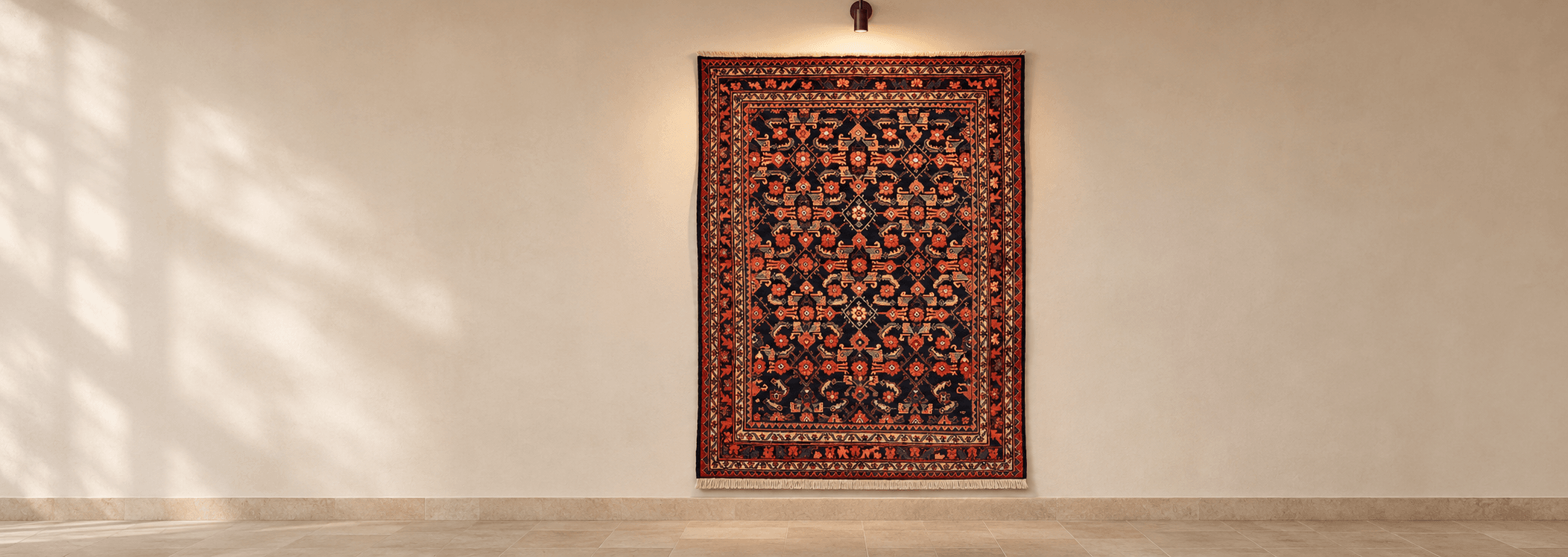
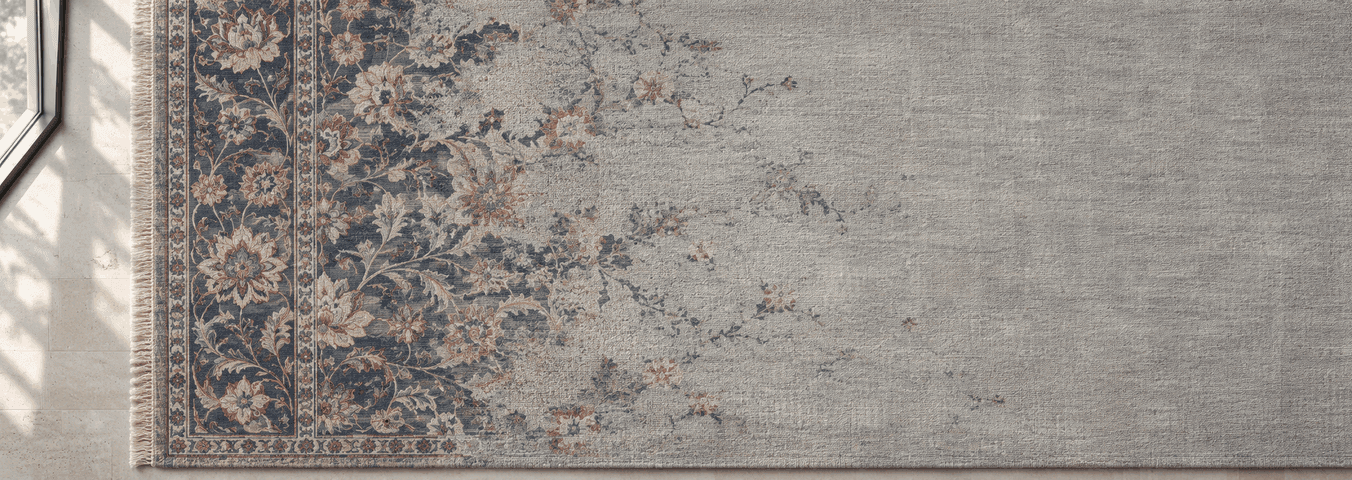
Erased Design brings together two seemingly contrasting ideas: the rich decorative traditions of Oriental rugs and the visual simplicity of contemporary art.
THE RUGEAST JOURNAL
Browse every published Rugeast Journal article, from the newest stories to our earlier guides on rugs, care and interiors.
Back to the journal100 articles
Page 1 of 9
Erased Design brings together two seemingly contrasting ideas: the rich decorative traditions of Oriental rugs and the visual simplicity of contemporary art.
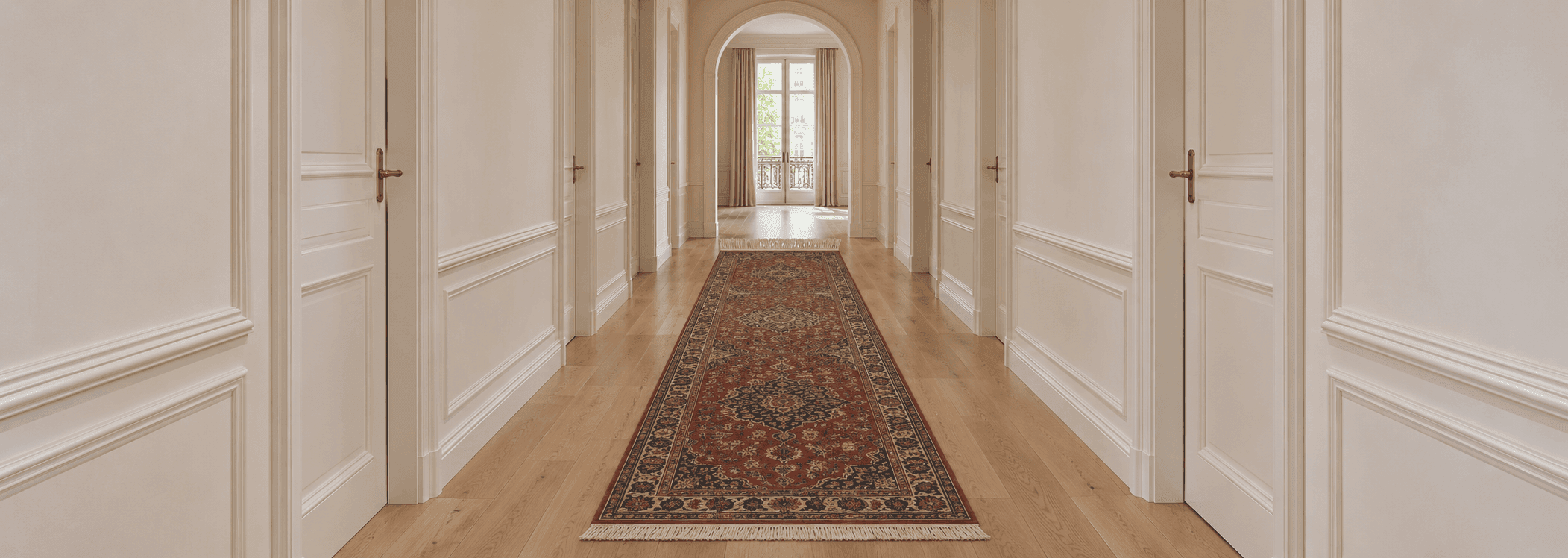
A runner rug is a long, relatively narrow carpet designed to cover a linear area of floor rather than a large square or rectangular room. It is particularly useful in hallways, corridors, entrance areas, kitchens, beside beds, dressing rooms and certain staircases.
Tuyserkan rugs are handmade carpets associated with Tuyserkan and its surrounding villages in western Iran, within Hamadan Province. They belong to the diverse family of village and regional Persian rugs, inherited design knowledge and the practical needs of everyday life.
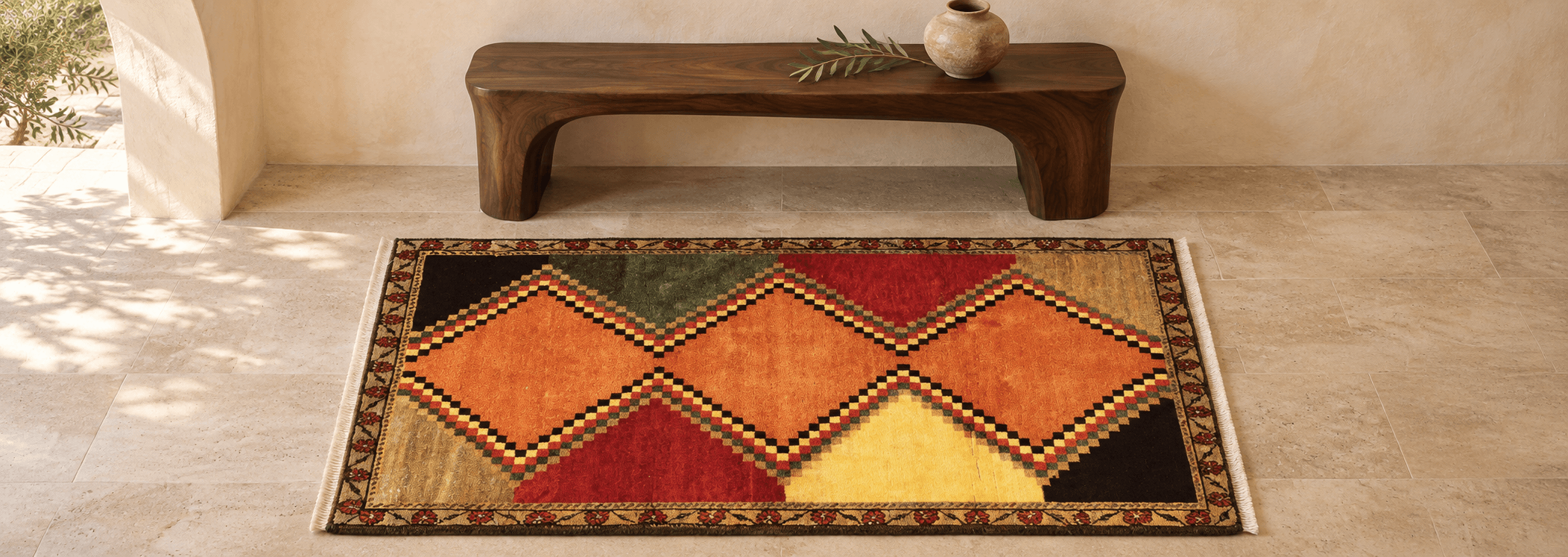
A Gabbeh is more than a simple rug with an uncluttered pattern. It is a hand-knotted piece of textile culture associated with the Iranian Zagros Mountains and neighbouring regions.
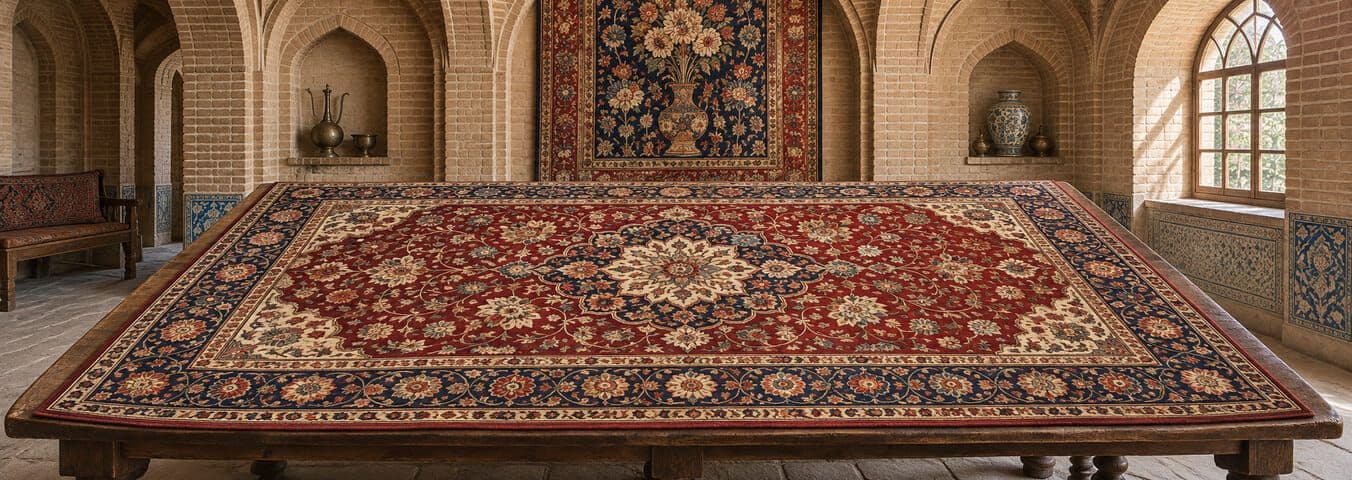
Among the many traditions of Persian carpet weaving, Kashan holds a particularly distinguished position. Known for its refined floral designs, the city has been one of Iran's most important centres of textile and carpet production for centuries.
In northwestern Iran, where mountain landscapes meet broad grasslands and long-established rural communities, carpet weaving has developed as part of everyday life.
Discover why Persian and handwoven rugs are gaining attention in modern European interiors in 2026. Explore the growing appreciation for traditional craftsmanship, timeless patterns and the combination of Persian heritage with contemporary design.
It is one of the most recognisable designs in the history of Persian textiles. You can find it in carpets, handwoven shawls, luxury fabrics and decorative objects. It has also travelled far beyond Iran, becoming a familiar pattern in European fashion, interior design and textile production.
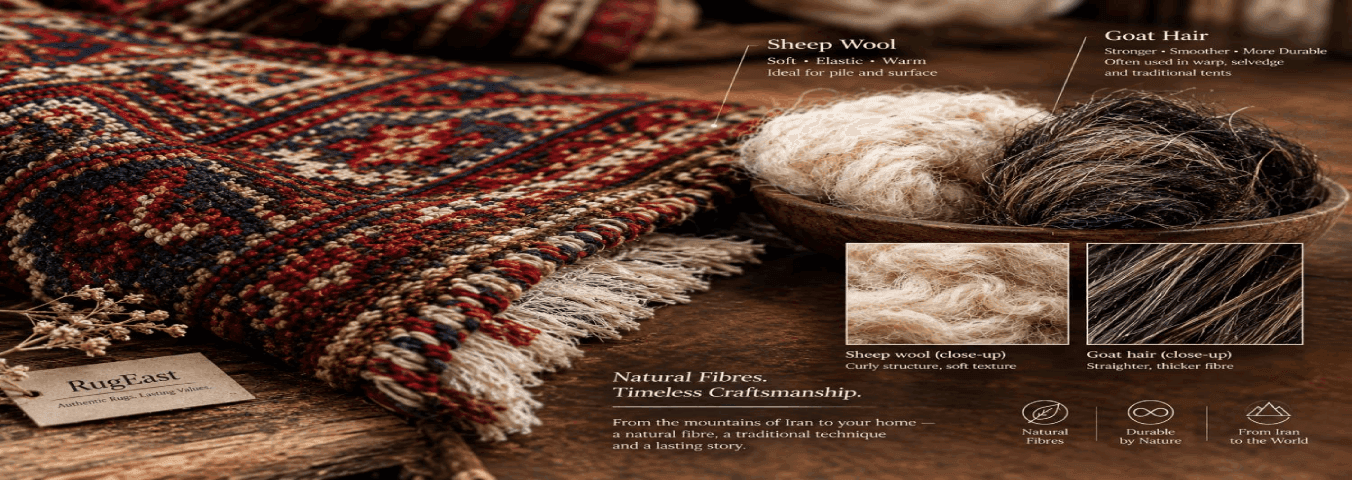
When people think of traditional Persian rugs, sheep’s wool and silk usually come to mind. Yet the history of Iranian weaving includes another, less familiar natural material: goat hair.
Nahavand belongs to the diverse weaving heritage of western Iran. Rugs attributed to the region can feature floral patterns, vase-like motifs, central medallions and varied colour combinations.
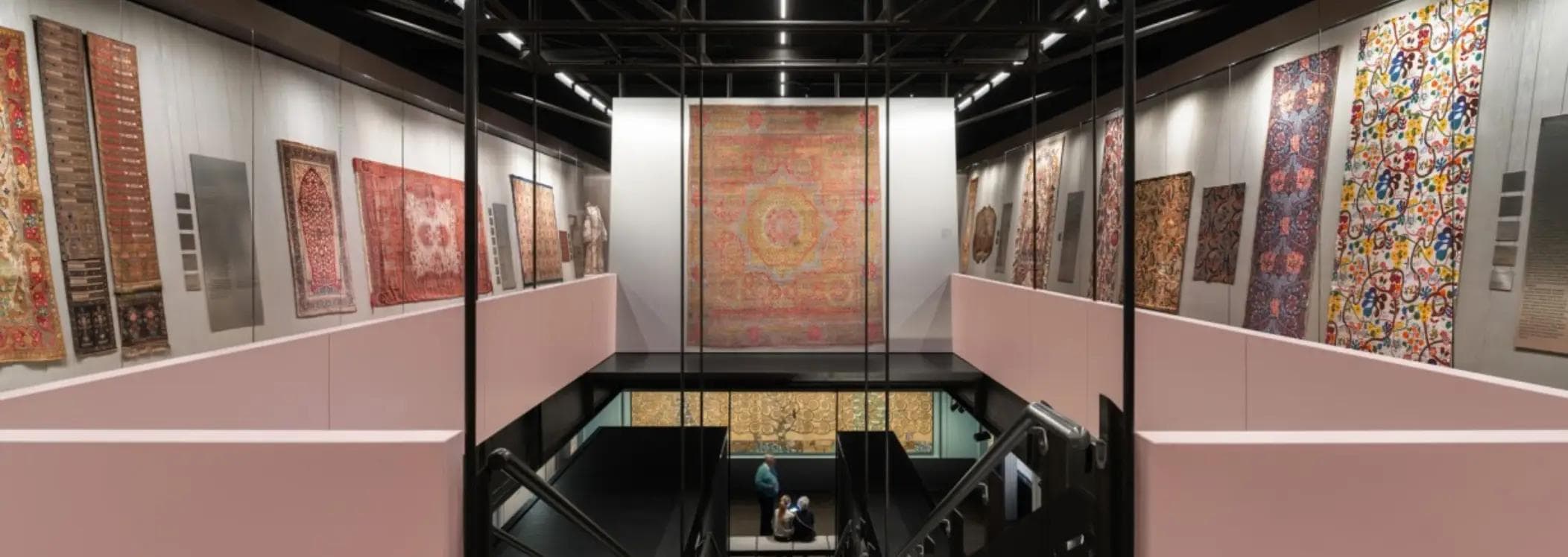
The MAK – Museum of Applied Arts in Vienna invites visitors to explore these questions through its new presentation of the permanent textile and carpet collection.
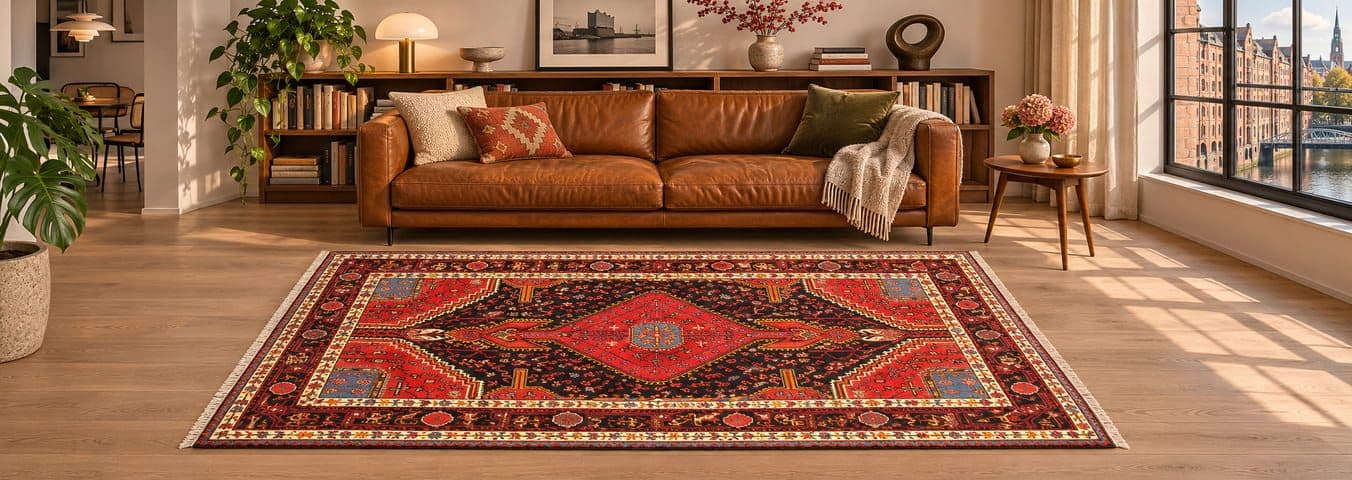
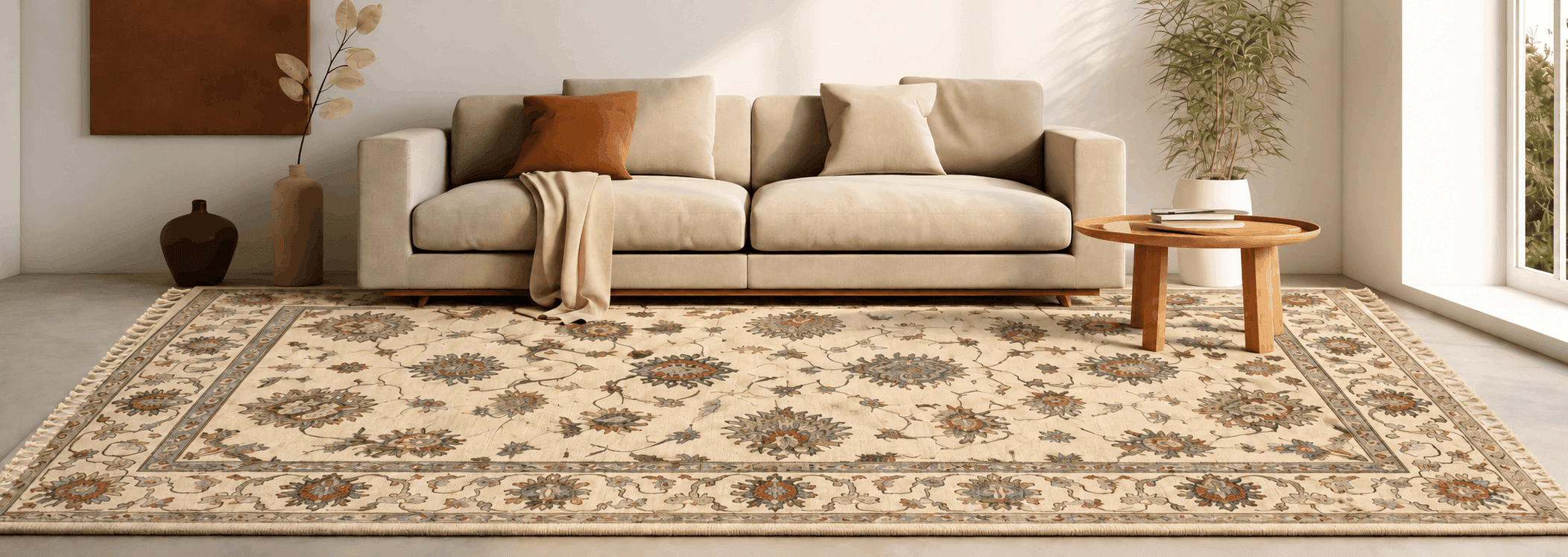
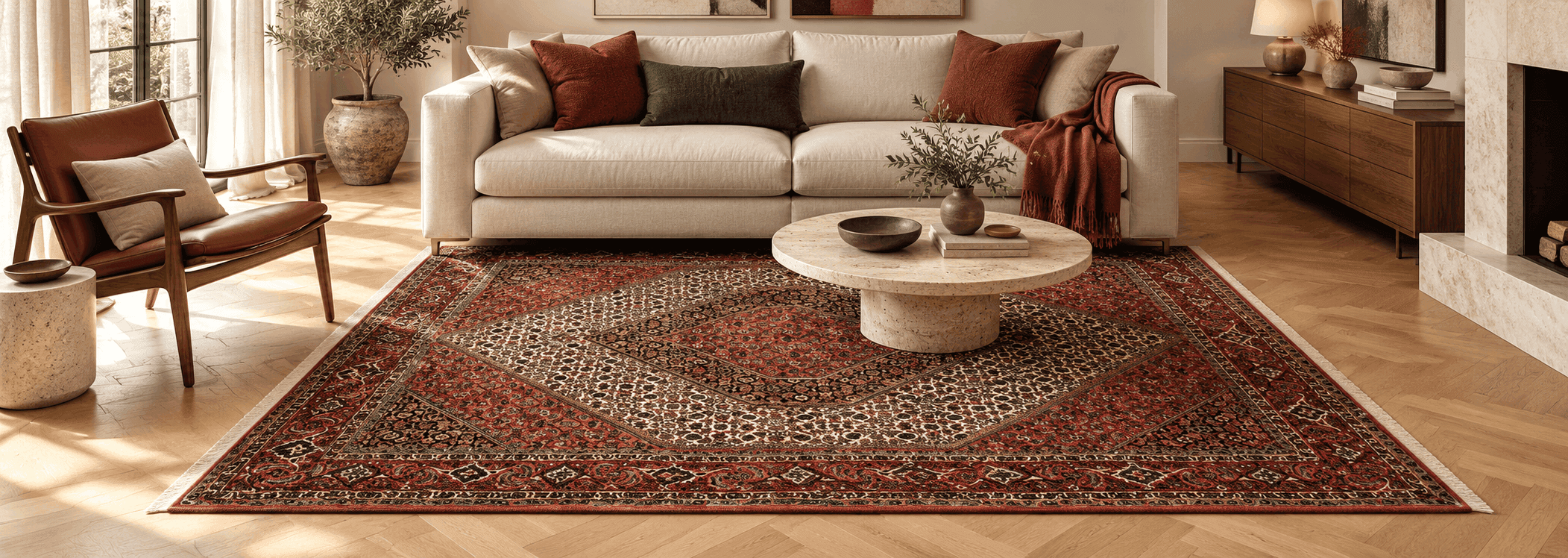
A Persian rug can transform a modern European home without making it feel traditional. The secret is understanding how colour, proportion, pattern, materials and furniture interact.