
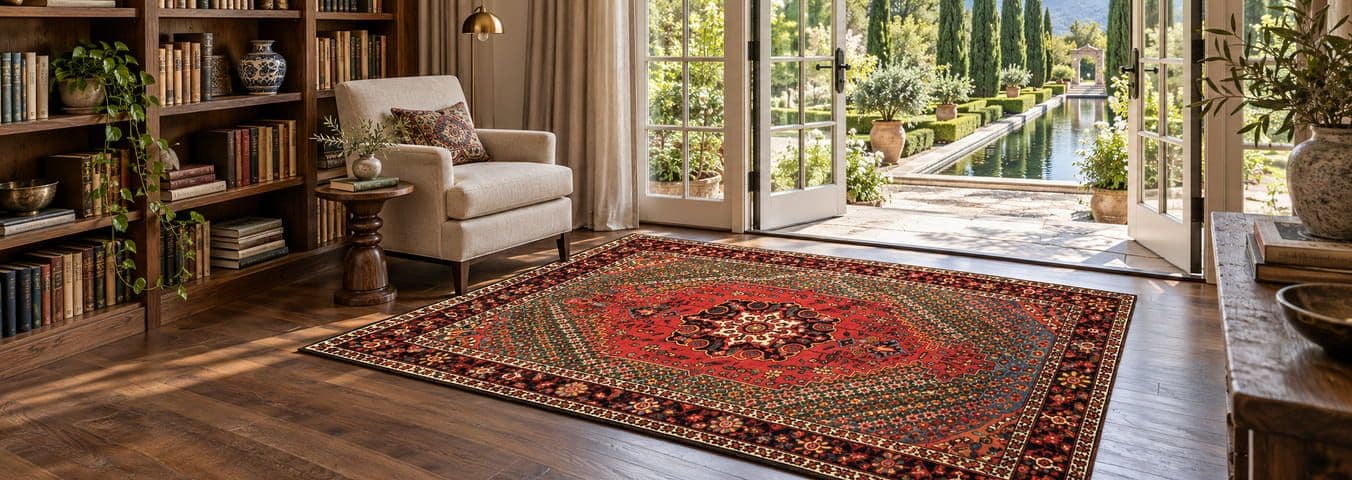
Rug Encyclopedia & Designs
Expert articles, care knowledge, and buying guidance collected under Rug Encyclopedia & Designs.
Discover editorial guidance on handmade rugs, Persian and Oriental designs, materials, care, room styling, and thoughtful buying decisions.
A curated editorial selection from the latest Rugeast publishing flow.
Garden Designs in Persian Rugs: From Persian Gardens to Carpet Patterns
Browse the Rugeast editorial desk by category, with direct paths into archives and specialist themes.
Expert articles, care knowledge, and buying guidance collected under Rug Encyclopedia & Designs.
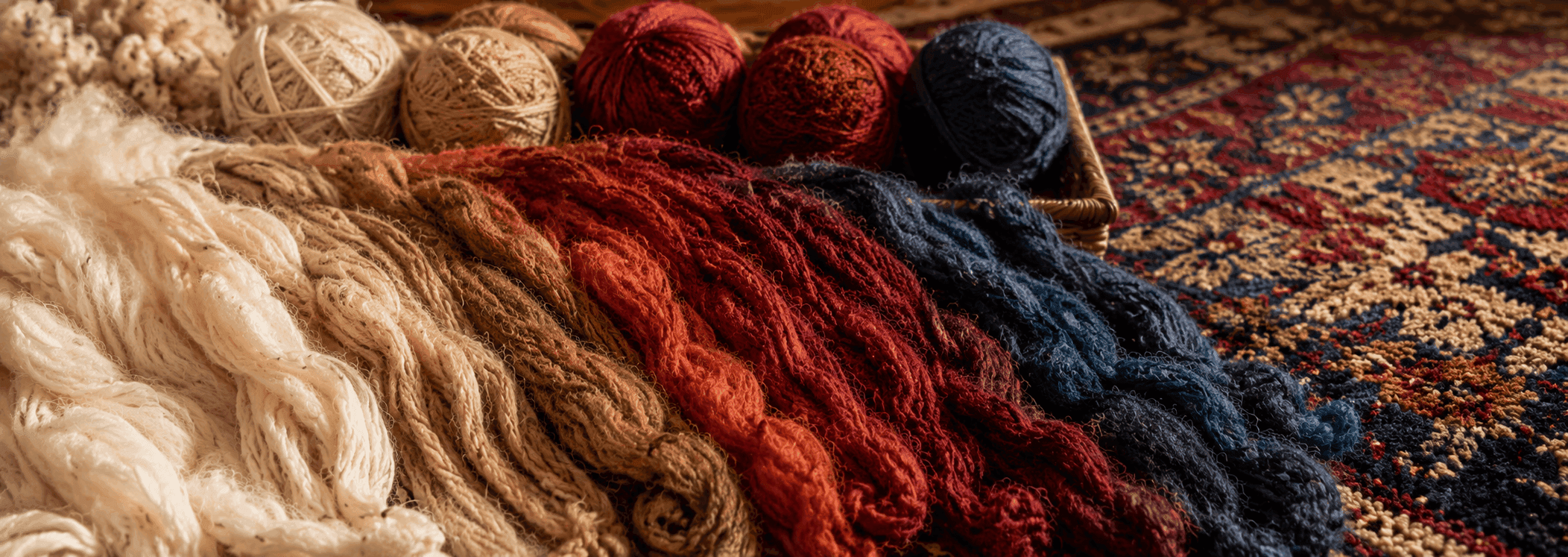
Expert articles, care knowledge, and buying guidance collected under Care & Maintenance.

Expert articles, care knowledge, and buying guidance collected under Buyer's Guide & Authenticity.
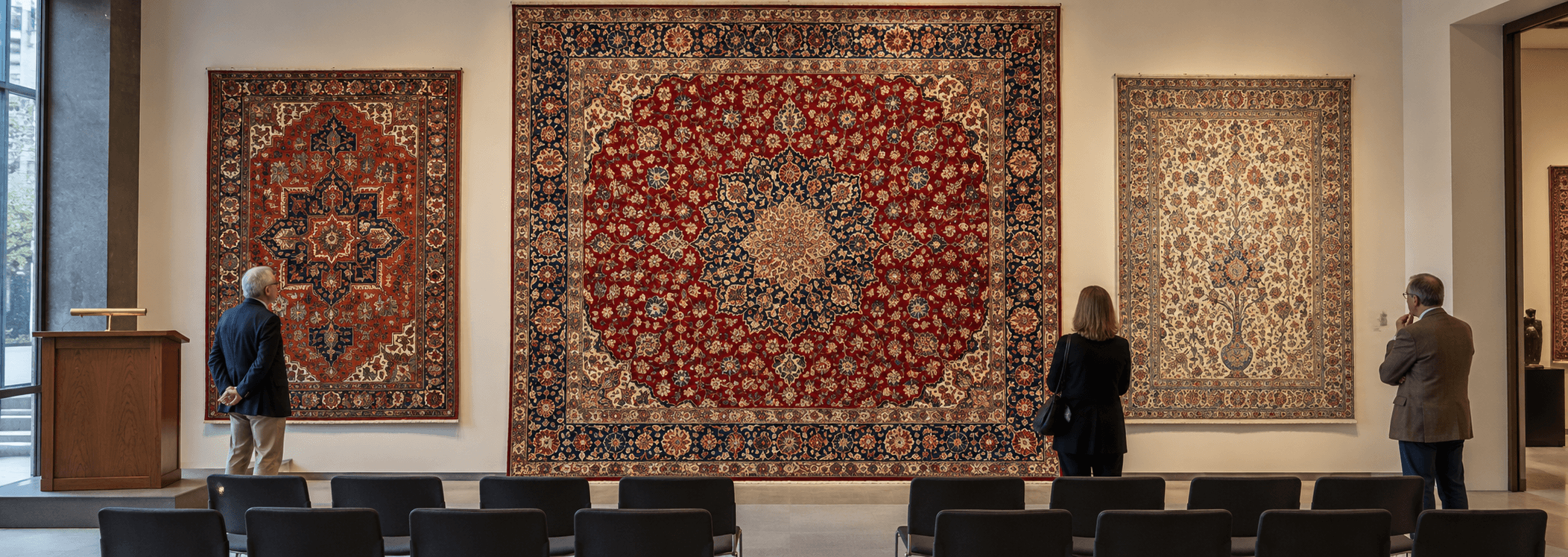
Expert articles, care knowledge, and buying guidance collected under news.
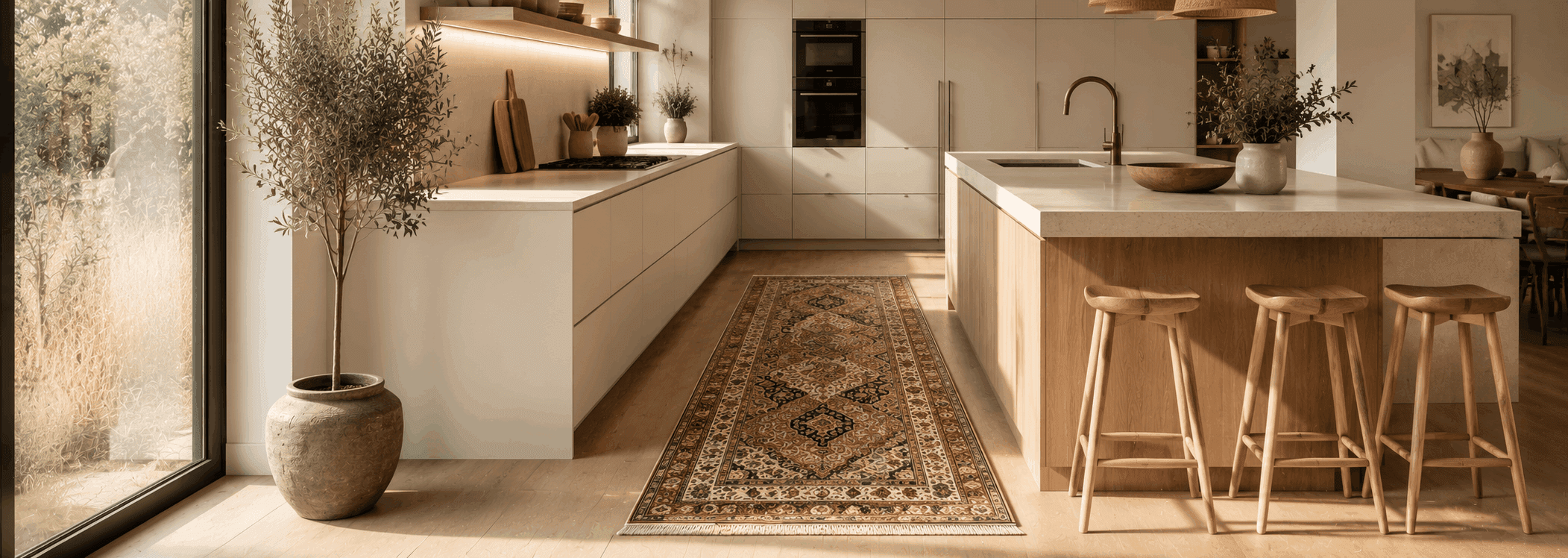
Expert articles, care knowledge, and buying guidance collected under Interior Design & Styling.
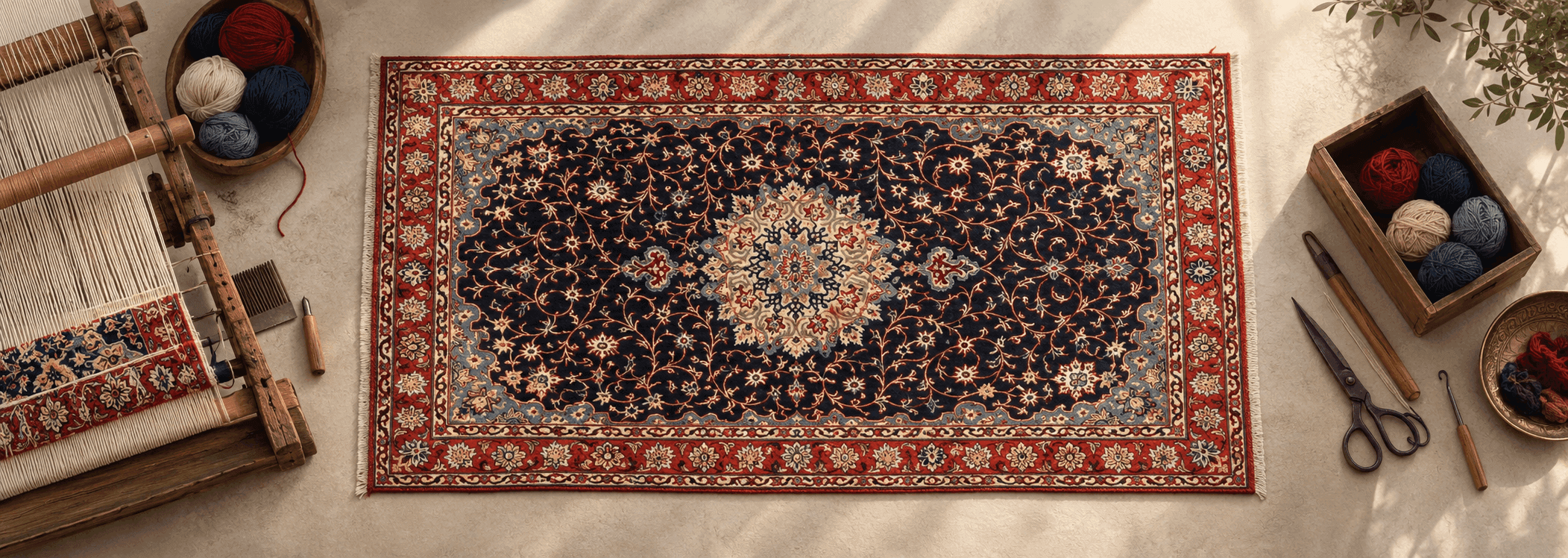
A Persian rug is more than its visible pattern and colours. Its true character is shaped by the interaction of wool, yarn, warp, weft, knots and pileand by the craftsmanship that brings them together.
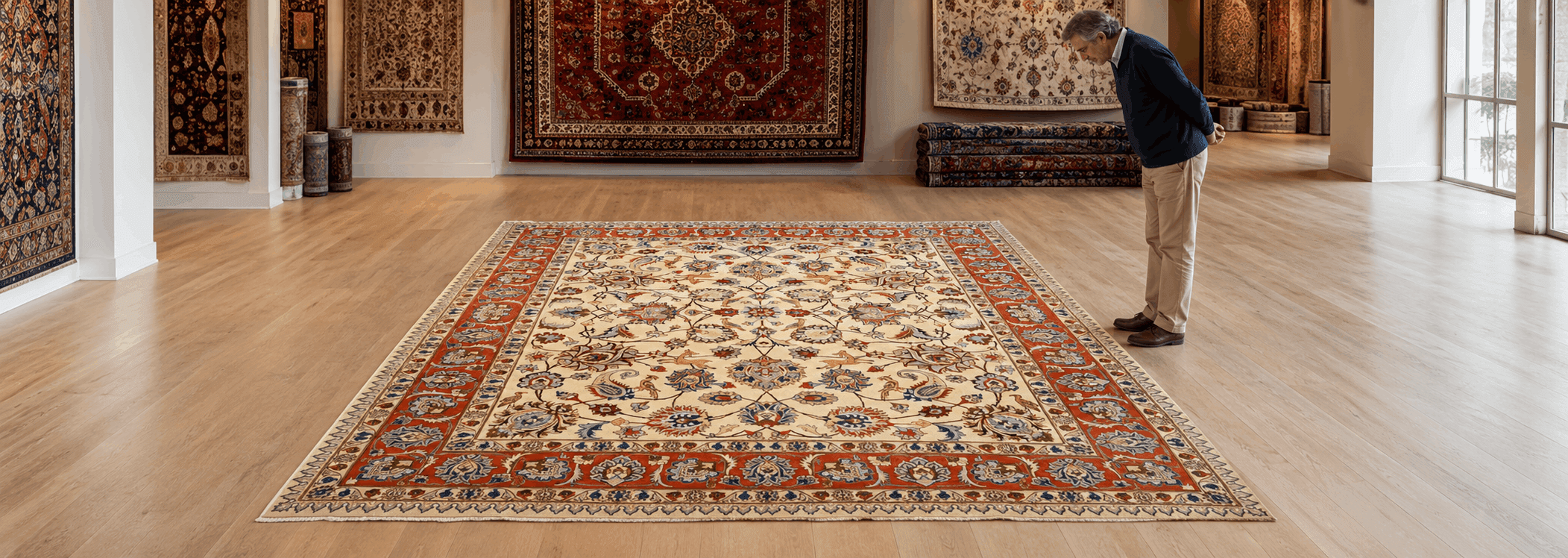
For experienced rug experts, the absence of a label is not necessarily a problem. A Persian rug can often reveal its origin through its construction, knotting technique, materials, colors, design, and weaving style.
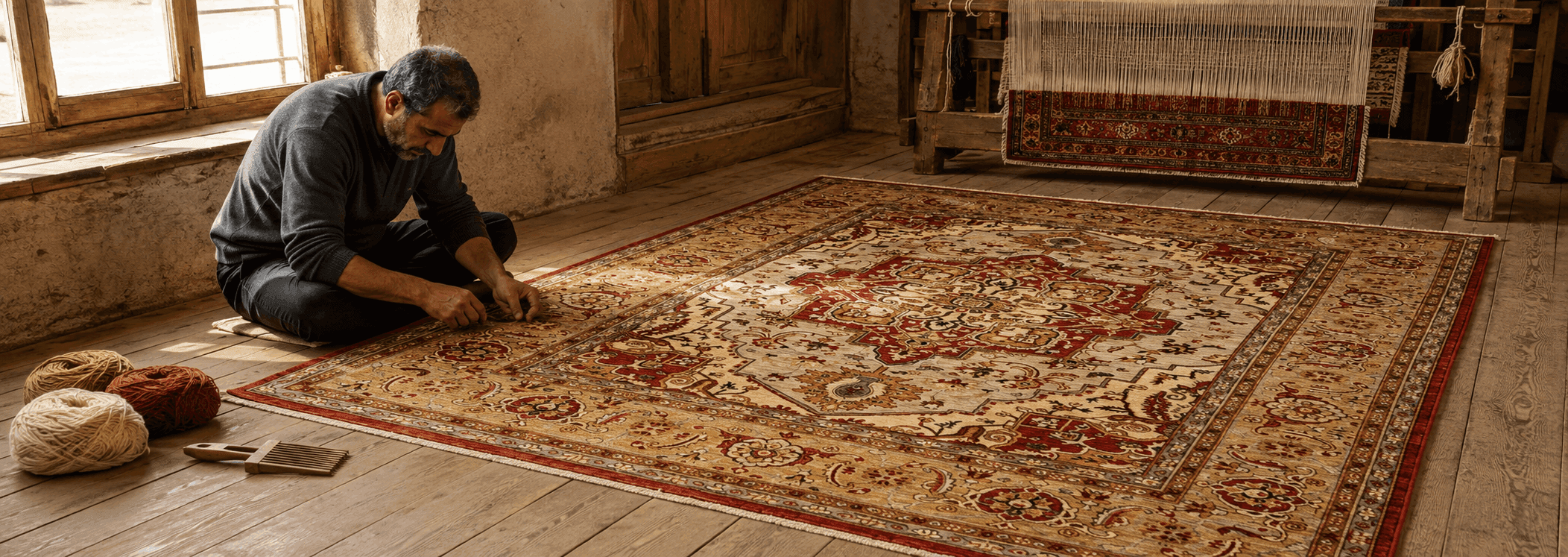
When looking closely at the back of a Persian rug, you may notice something surprising: the knots do not always appear perfectly uniform. Some may look smaller and tighter, while others seem slightly larger or more widely spaced.
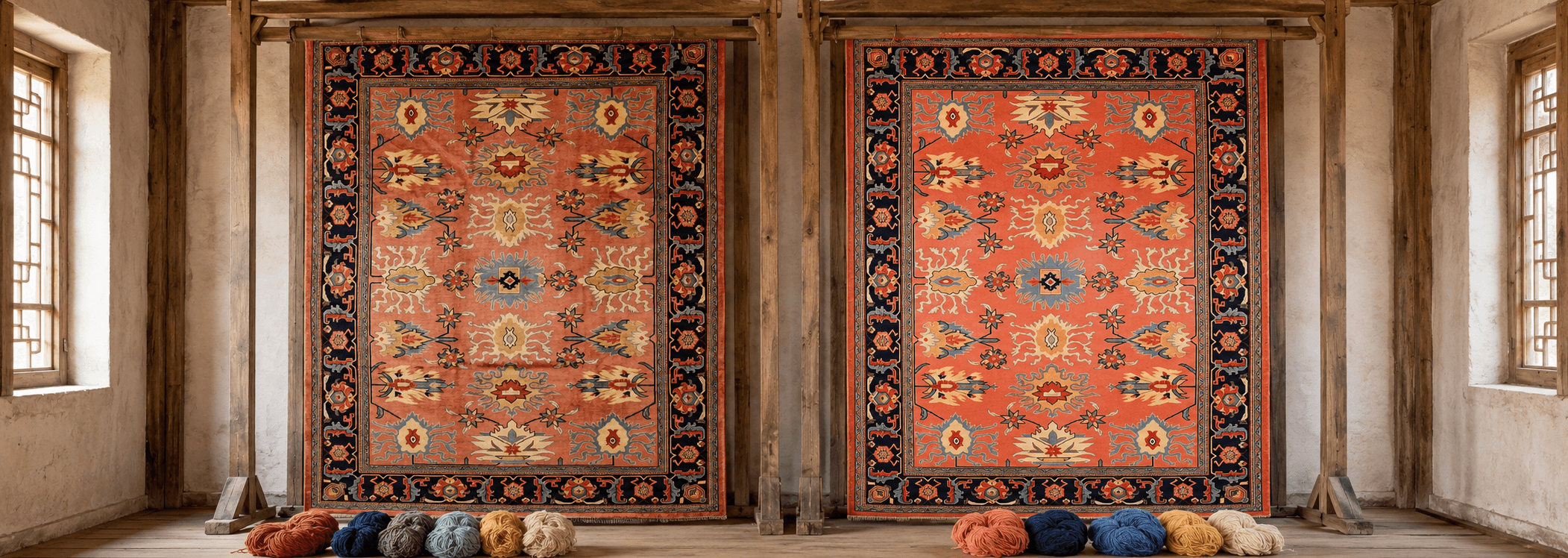
Color is one of the first things we notice when we look at a Persian rug. A deep red field, a rich blue border, warm earth tones, or subtle shades of green can completely change the character of a rug. But behind every color is a story about how the wool was prepared and dyed.
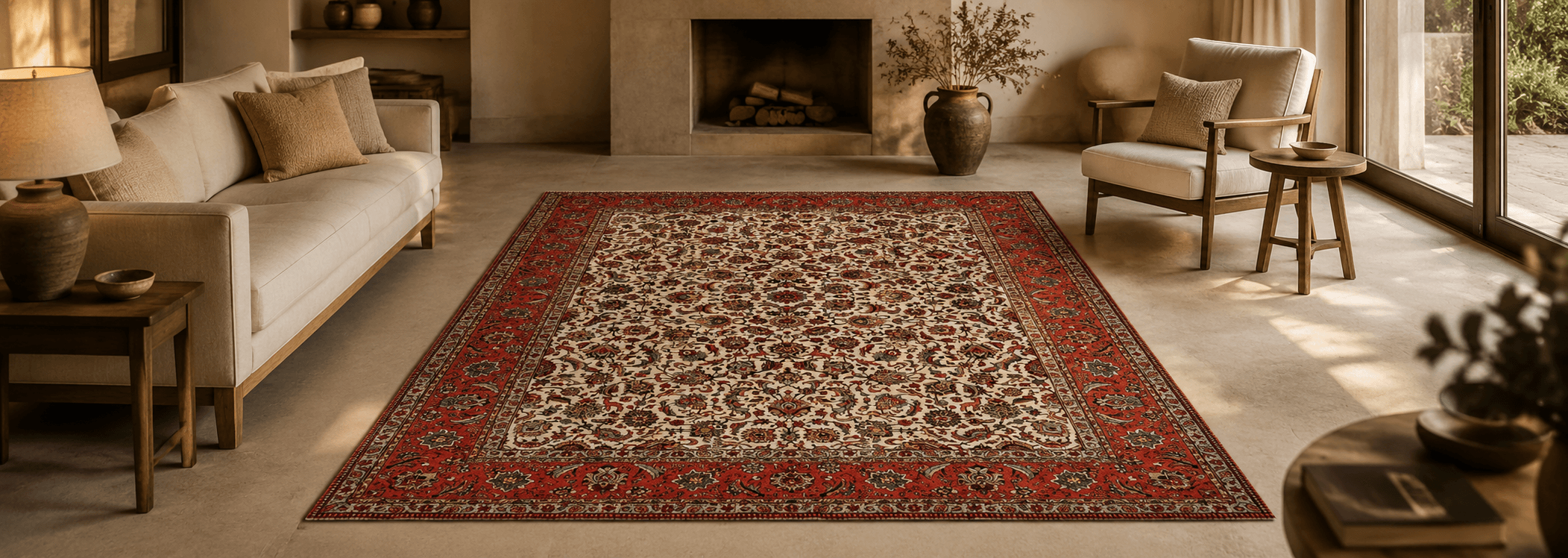
Discover the hidden journey behind every woolen Persian rug—from shearing and sorting the fleece to spinning, dyeing, and weaving. Learn how each stage of wool preparation shapes the rug’s texture, durability, colour, and character.
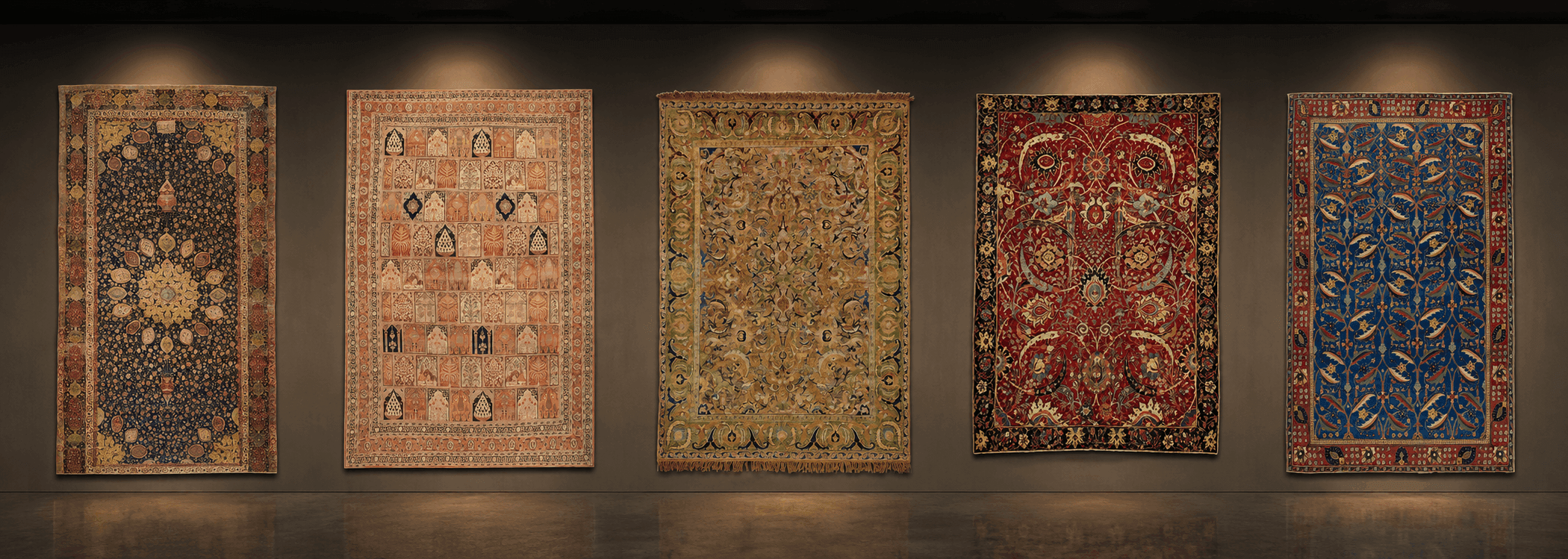
Persian rugs have been admired for centuries for their craftsmanship, intricate designs, rich colors, and cultural history. While many Persian rugs are purchased as beautiful additions to the home, some rare antique carpets have reached extraordinary prices at international auctions.
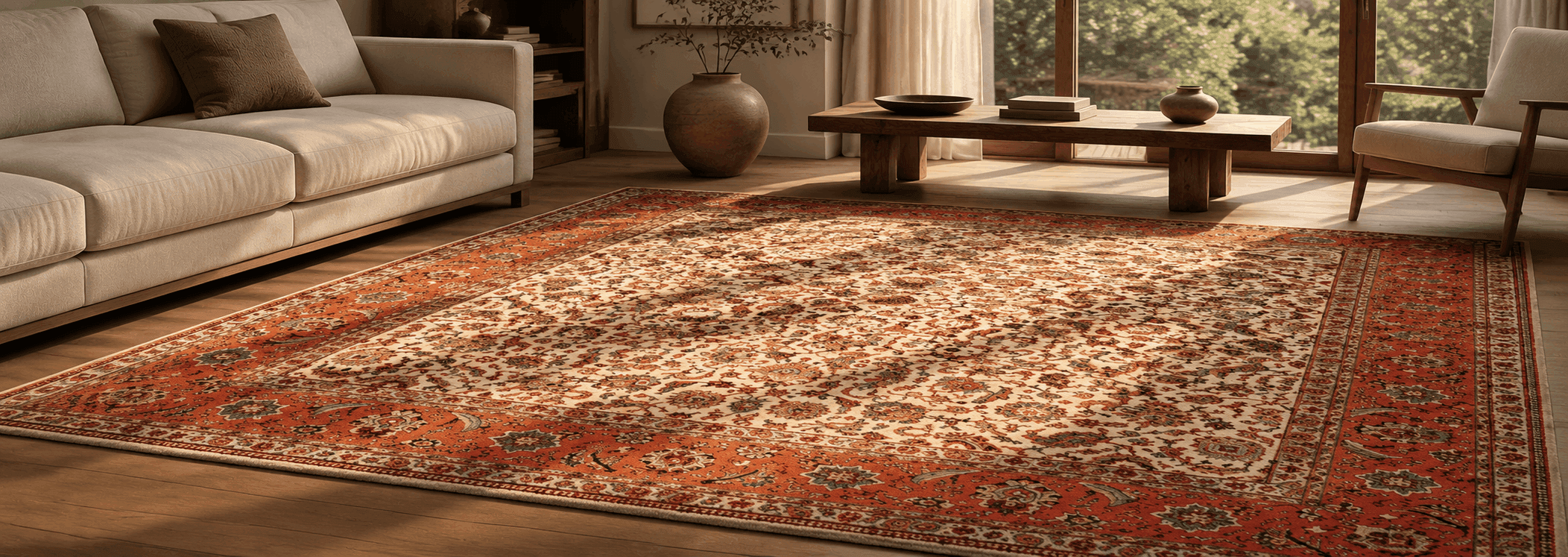
For thousands of years, humans have searched for materials that combine beauty, comfort and durability. In the world of handmade carpets, few natural materials have achieved the importance and respect of wool.
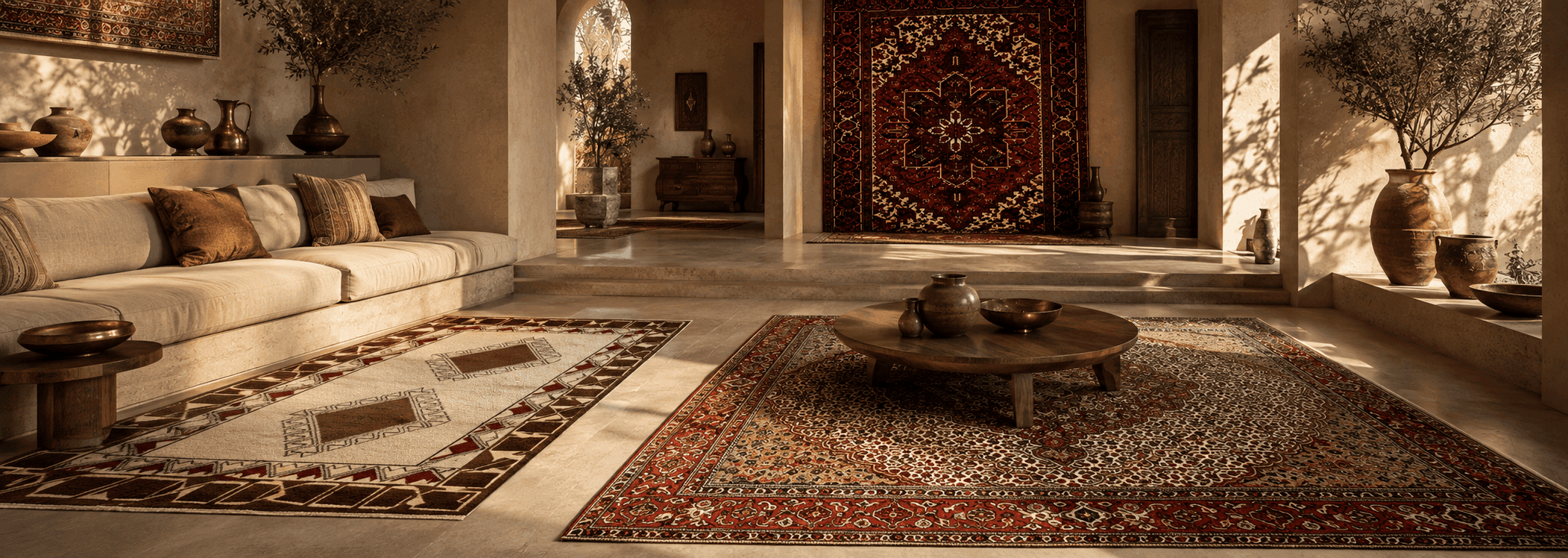
Persian rugs are among the most recognizable and highly regarded handmade rugs in the world. Known for their intricate designs, rich colors, natural materials, and traditional craftsmanship, Persian rugs are much more than floor coverings.
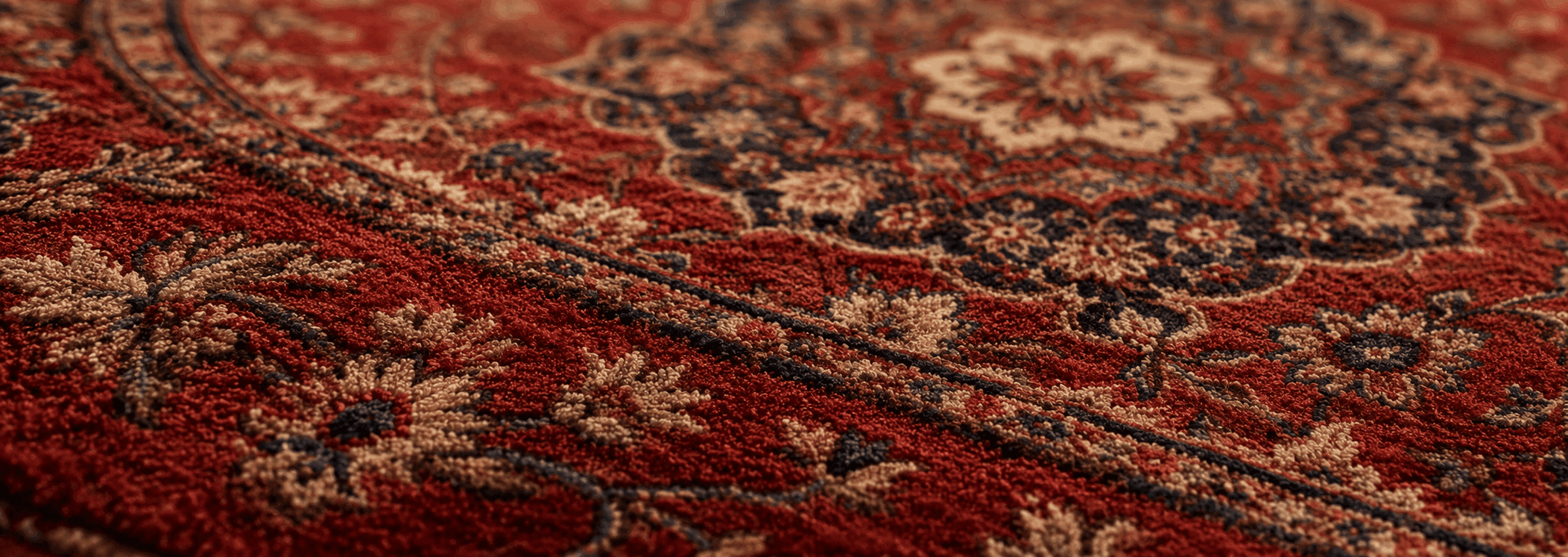
When shopping for a handmade rug, you may come across terms such as hand-knotted, hand-tufted, and handmade. Although these rugs may look similar at first glance, the way they are made is very different.
Wool belongs to a special group of natural fibres known as protein fibres. Its primary structural protein is keratin, the same broad family of proteins found in materials such as human hair and nails.
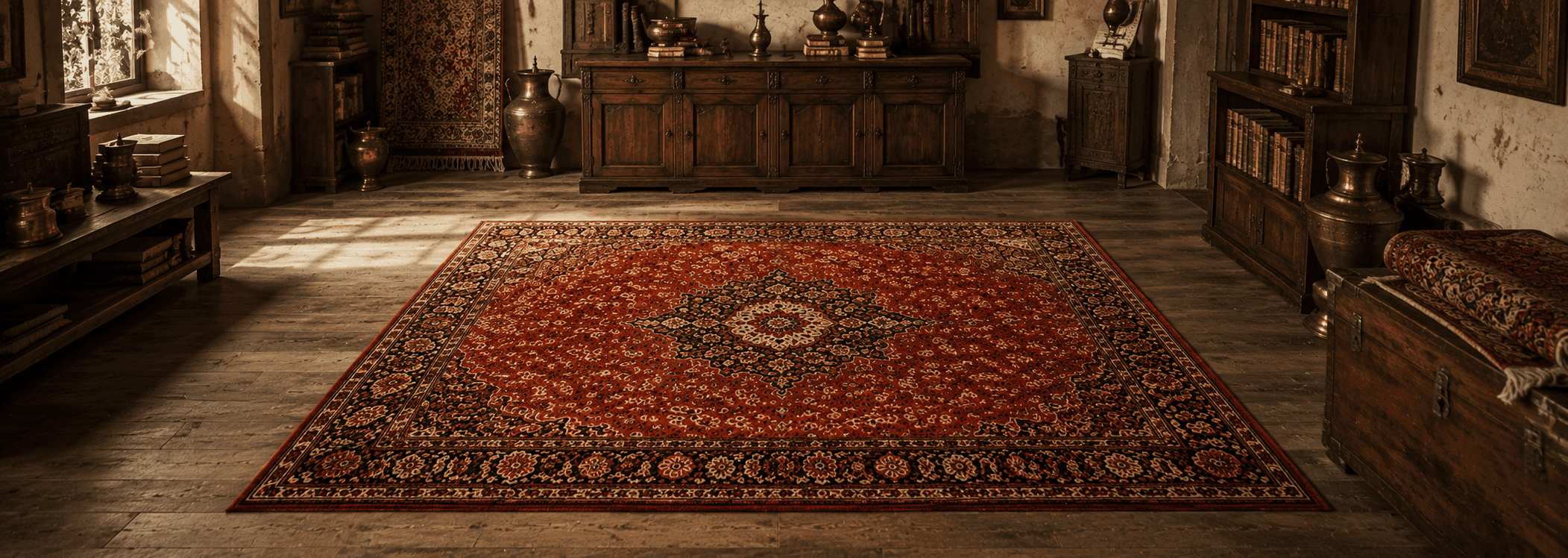
How old is your Persian rug? It is one of the first questions collectors, interior designers, and rug enthusiasts ask when they discover a beautiful handmade carpet.
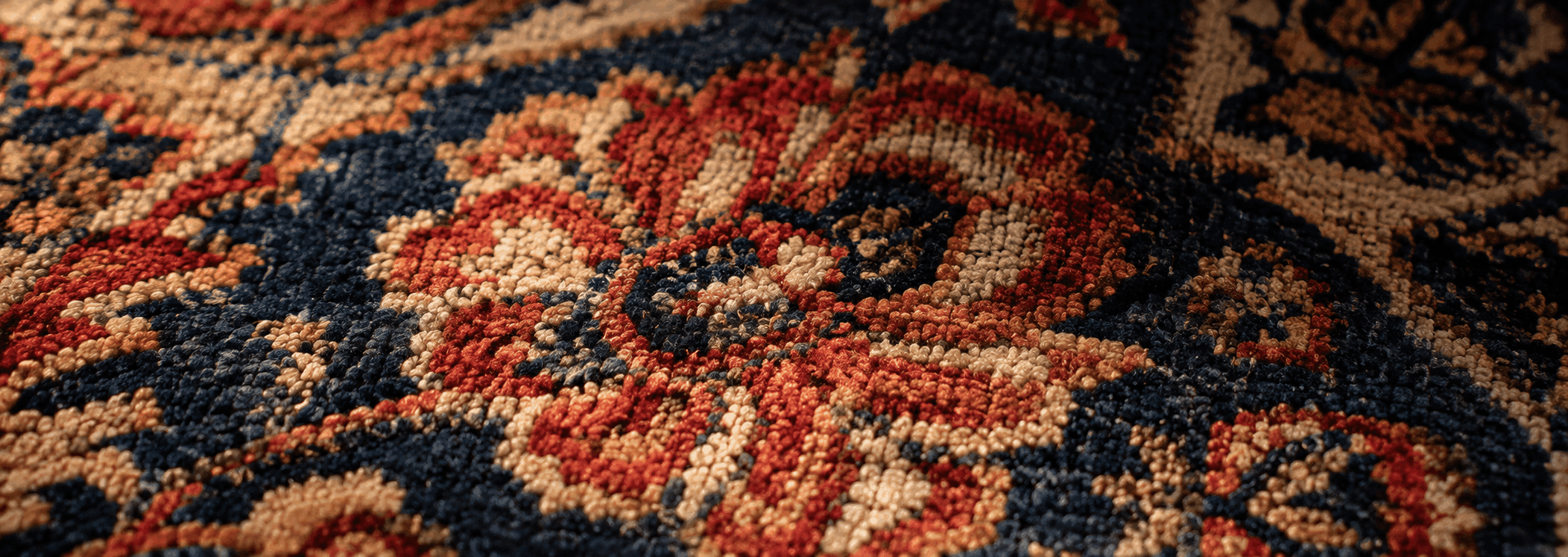
A handmade rug is much more than a decorative piece for your home. It is a valuable work of art and a piece of cultural heritage. Many fine Persian rugs are the result of years of craftsmanship, traditional techniques and countless hours of work by skilled weavers.
Expert articles, care knowledge, and buying guidance collected under Rug Encyclopedia & Designs.
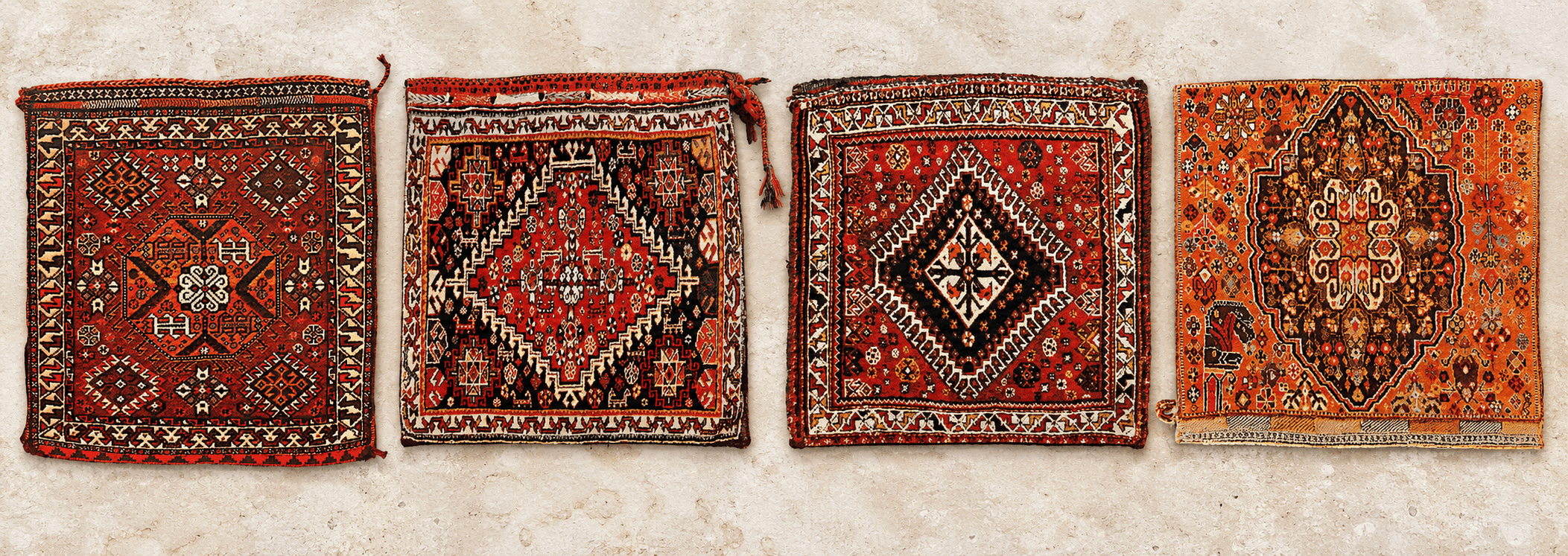
Khurjeen rugs are a lesser-known category within the diverse world of Persian weaving. They are particularly interesting for collectors and rug enthusiasts who want to explore traditions beyond the better-known names such as Tabriz, Kashan, Isfahan and Heriz.
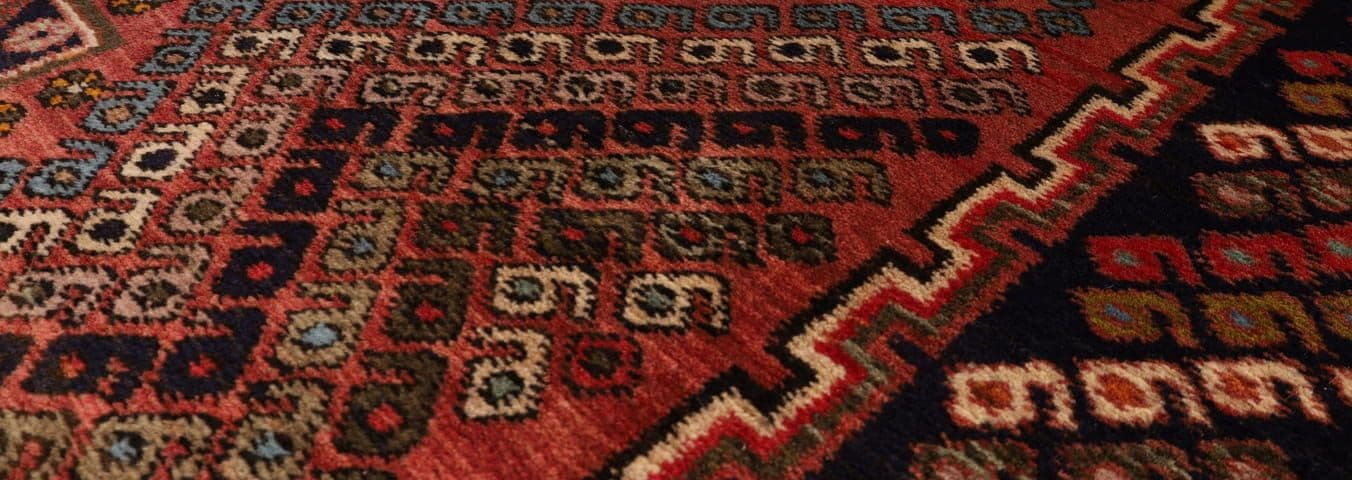
Afshar rugs are a distinctive part of Iran’s rich carpet-weaving heritage. Known for their geometric patterns, expressive colours and traditional craftsmanship, these handmade rugs reflect the artistic traditions of the Afshar people.
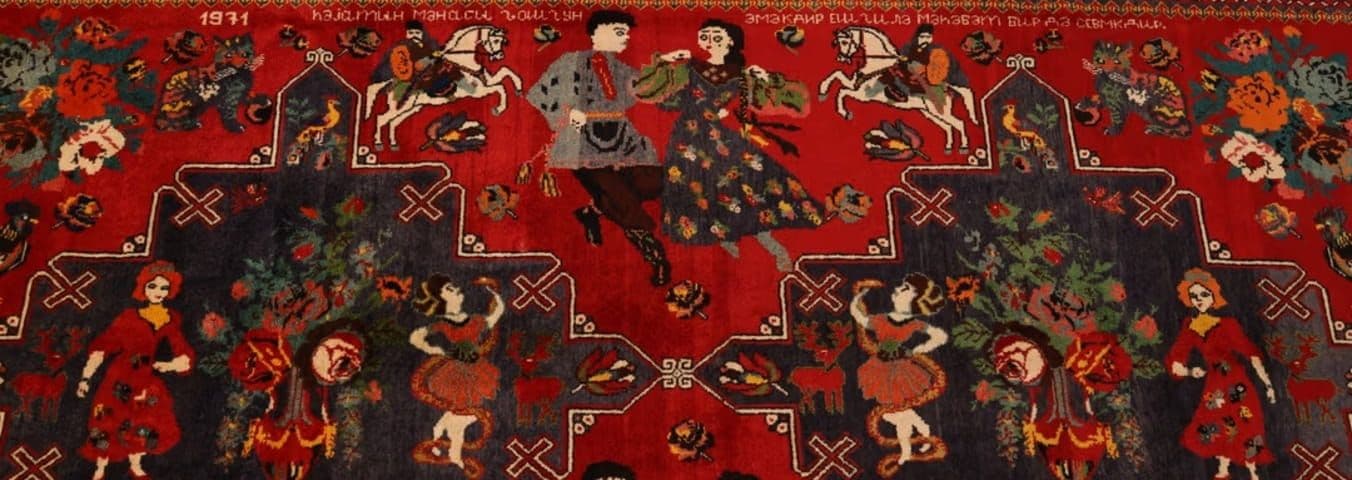
A practical guide to origin, design, weaving structure, craftsmanship and documentation for today’s rug buyer When you see a beautiful hand-knotted rug described as a “Persian rug,” what does that actually mean?
Expert articles, care knowledge, and buying guidance collected under Care & Maintenance.
Wool belongs to a special group of natural fibres known as protein fibres. Its primary structural protein is keratin, the same broad family of proteins found in materials such as human hair and nails.
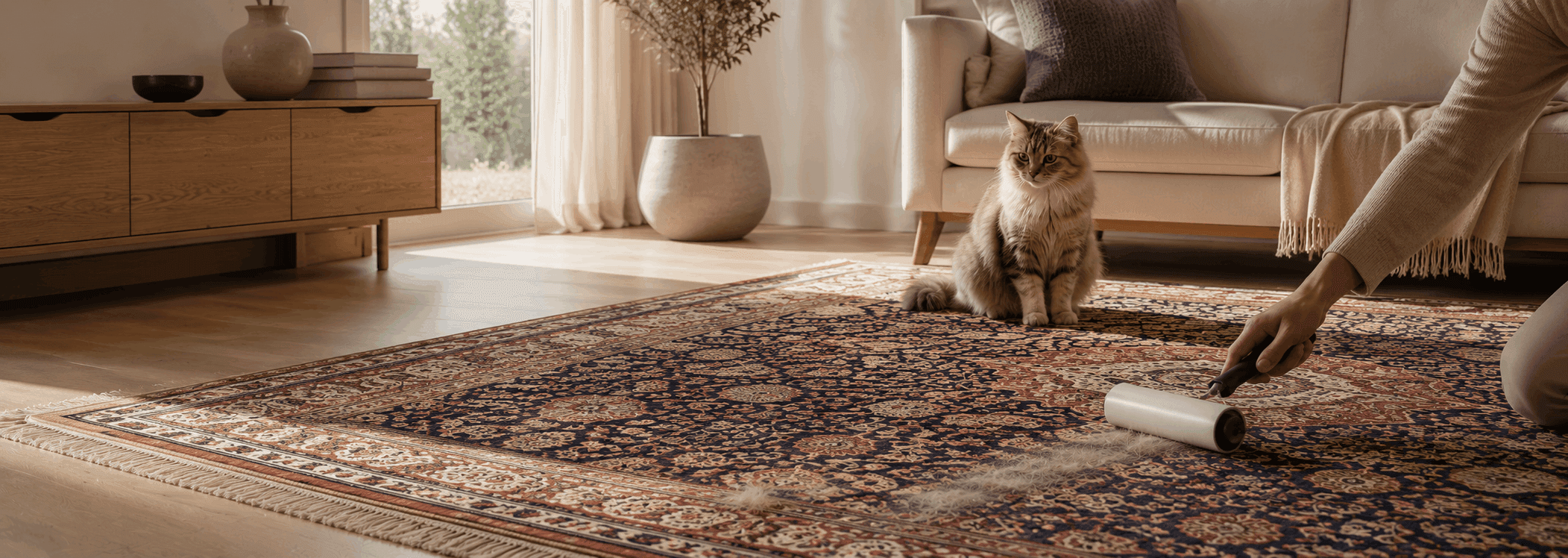
Removing pet hair from a Persian rug requires a delicate balance. You need a method tough enough to lift stubborn hair, but gentle enough to preserve the natural wool, silk, and cotton foundation.
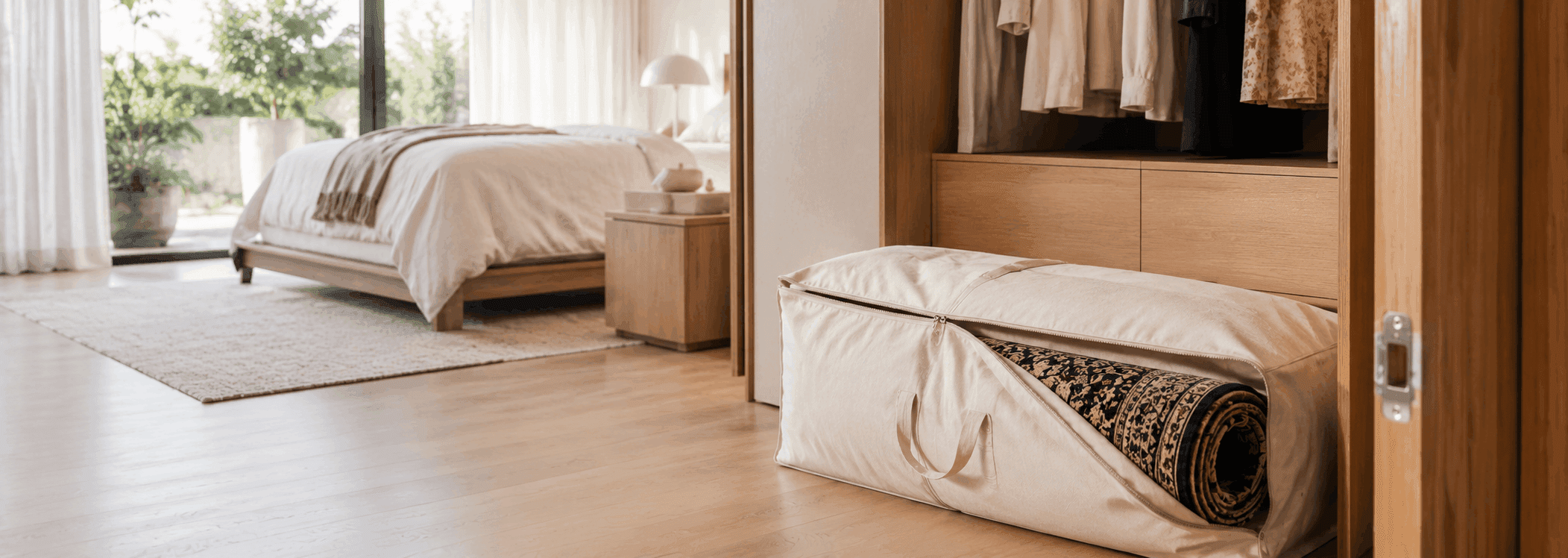
You might think that rolling up a rug and tossing it into the attic or basement is sufficient. Unfortunately, natural fibers like wool, silk, and cotton are highly sensitive to their environment.
Expert articles, care knowledge, and buying guidance collected under Buyer's Guide & Authenticity.
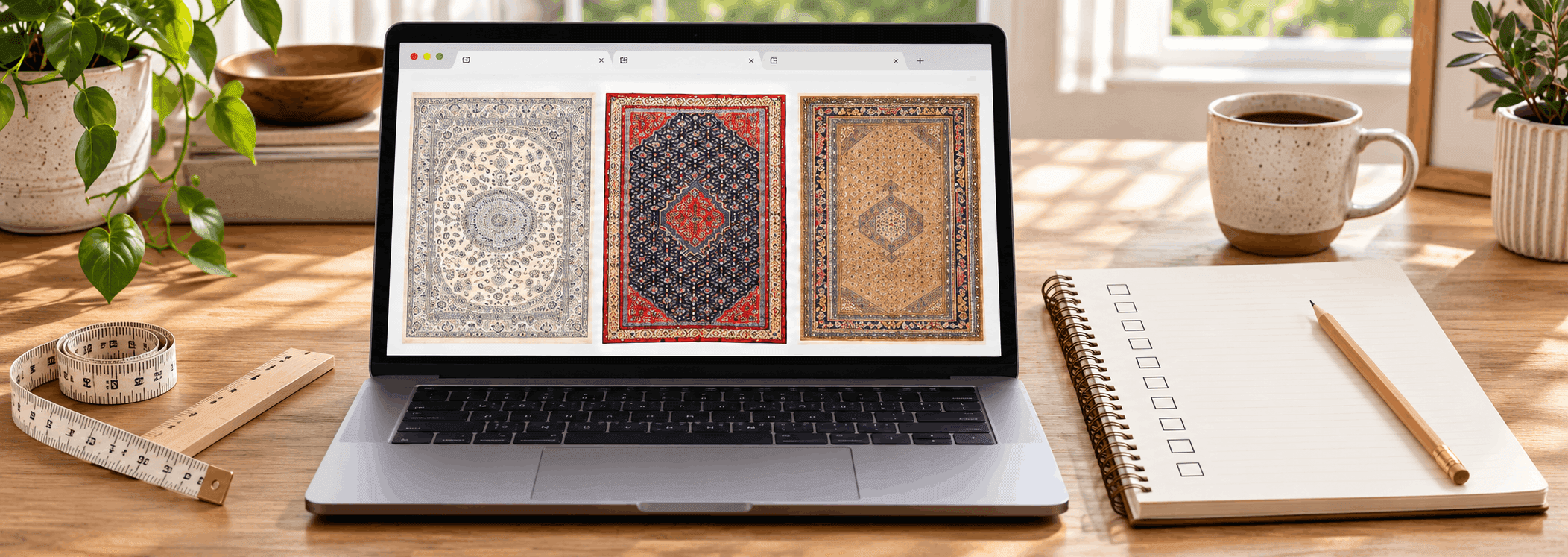
Whether you are looking for an authentic Persian rug for your living room, a characterful Afghan rug for a relaxed interior or a handwoven kilim with a simpler, more contemporary feel, buying online gives you access to an enormous variety of designs and styles.
When shopping for a handmade rug, you may come across terms such as hand-knotted, hand-tufted, and handmade. Although these rugs may look similar at first glance, the way they are made is very different.
How old is your Persian rug? It is one of the first questions collectors, interior designers, and rug enthusiasts ask when they discover a beautiful handmade carpet.
Expert articles, care knowledge, and buying guidance collected under news.

The Antique Rug & Textile Show 2026 returns to San Francisco from October 23–25, bringing together antique rugs, historic textiles and traditional weaving traditions. The event also features a special talk on textiles from the Levant and Syria.
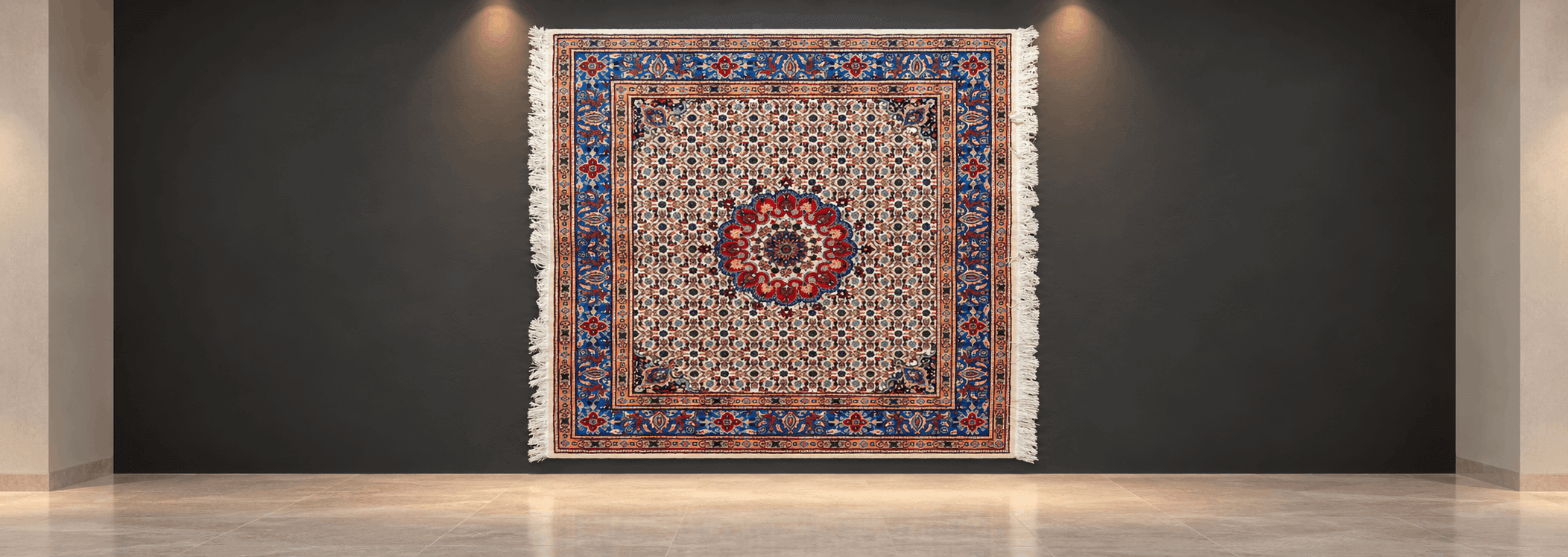
A hand-knotted Persian Dorokhsh rug measuring 200 × 205 cm is scheduled for auction at Jordaens in Belgium, with an estimated price of €120–€160. The listing offers an interesting snapshot of how Persian rugs are presented in the European secondary market.
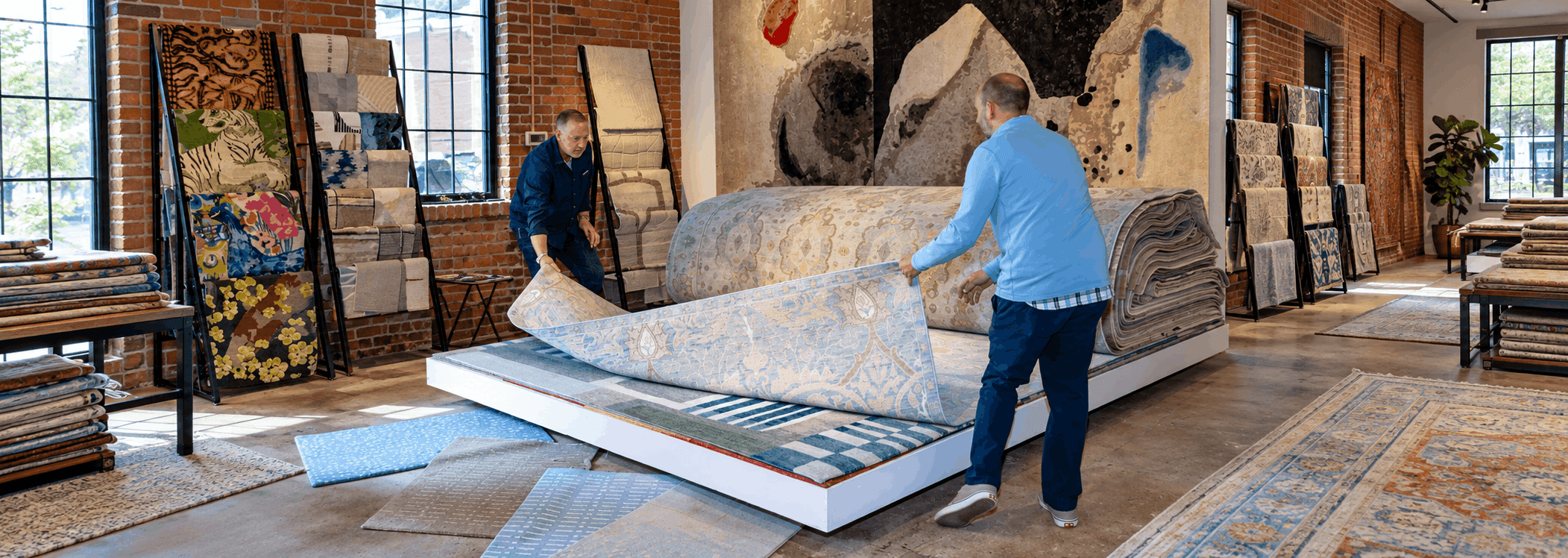
COVER Connect New York 2026 brought international rug brands together in Manhattan, highlighting new directions in handmade rug design.
Browse Persian and Oriental rugs that connect naturally to our editorial guides.
Continue from interior ideas to curated rugs for lounges and open-plan rooms.
Move from care and buying advice into the full Rugeast handmade collection.
Find hall and entryway formats that fit practical sizing questions from the journal.
Receive fresh editorial stories, care advice, and selected collection highlights from Rugeast.
The journal explains what distinguishes handmade rugs, how Persian and Oriental traditions differ, and how wool, silk, kilim, and mixed constructions behave in everyday interiors.
We publish practical guidance for routine care, stain response, professional cleaning decisions, and protecting delicate fibers, colors, and fringes over time.
Readers can explore room-by-room inspiration, proportion and sizing advice, color selection, layout ideas, and thoughtful routes from editorial knowledge into the right rug collection.