
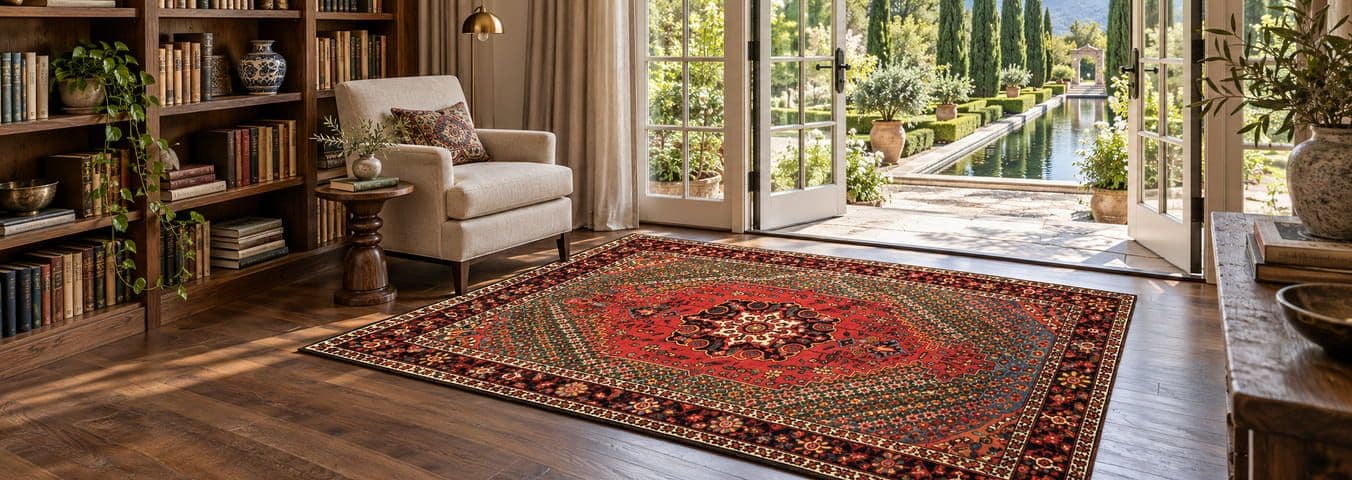
Rug Encyclopedia & Designs
Expert articles, care knowledge, and buying guidance collected under Rug Encyclopedia & Designs.
Discover editorial guidance on handmade rugs, Persian and Oriental designs, materials, care, room styling, and thoughtful buying decisions.
A curated editorial selection from the latest Rugeast publishing flow.
Garden Designs in Persian Rugs: From Persian Gardens to Carpet Patterns
Browse the Rugeast editorial desk by category, with direct paths into archives and specialist themes.
Expert articles, care knowledge, and buying guidance collected under Rug Encyclopedia & Designs.
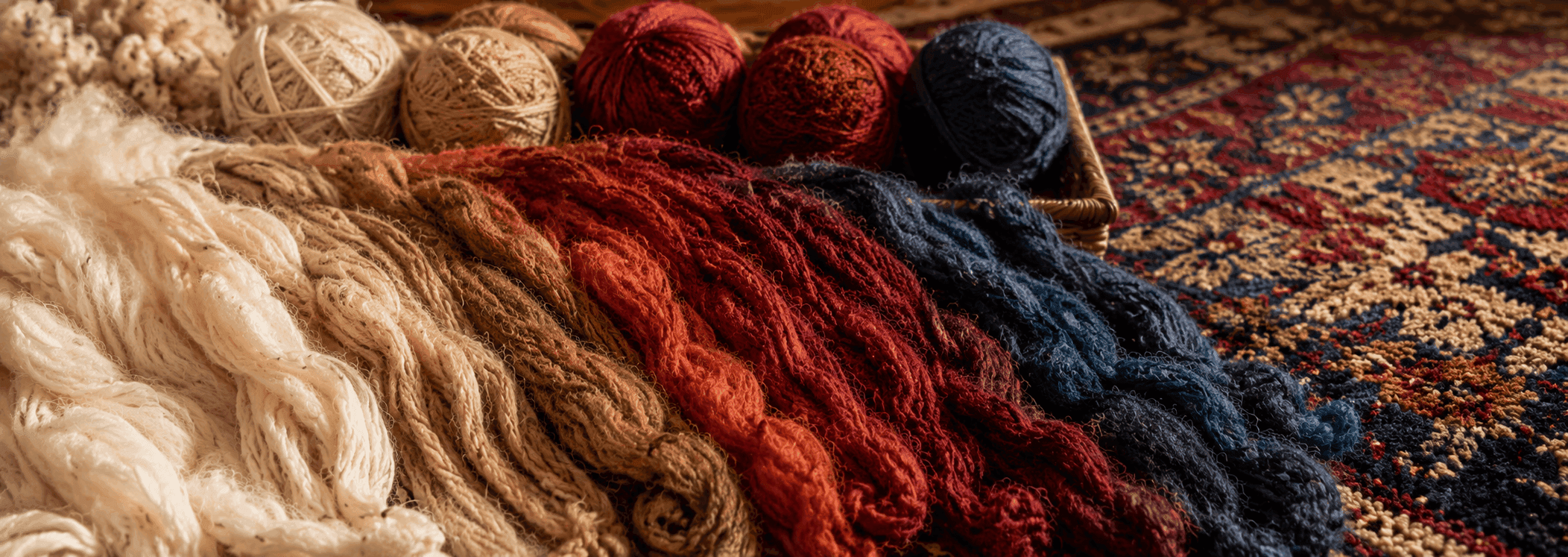
Expert articles, care knowledge, and buying guidance collected under Care & Maintenance.

Expert articles, care knowledge, and buying guidance collected under Buyer's Guide & Authenticity.
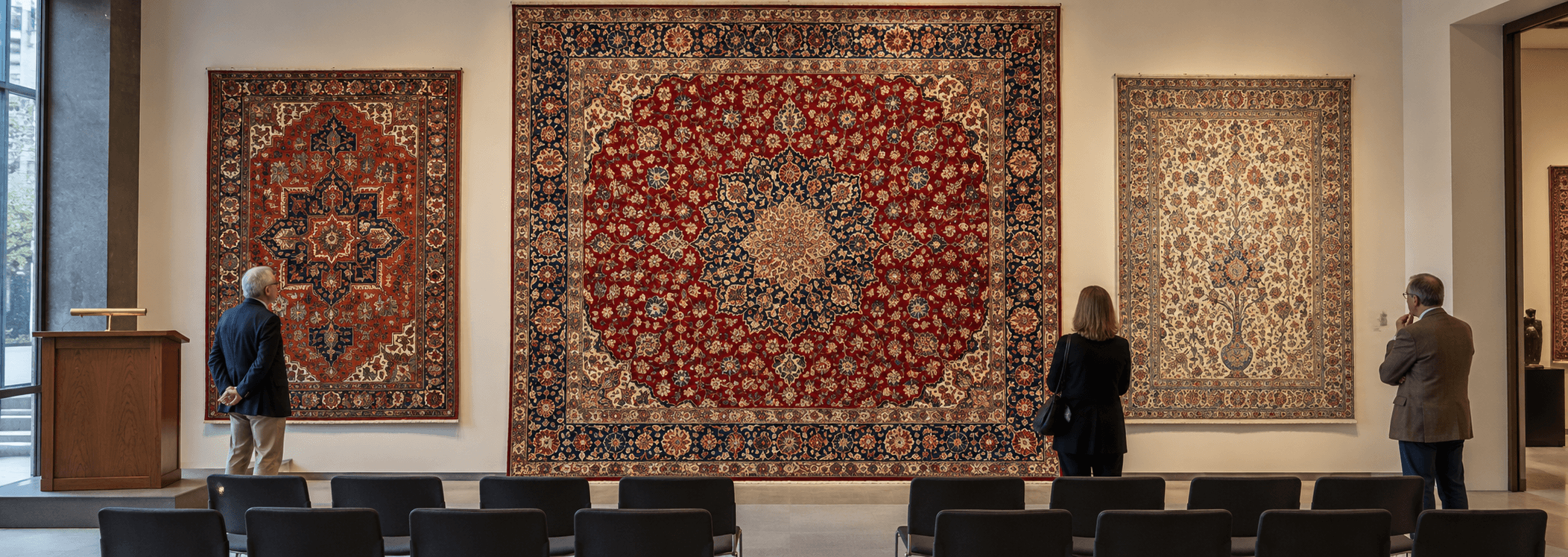
Expert articles, care knowledge, and buying guidance collected under news.
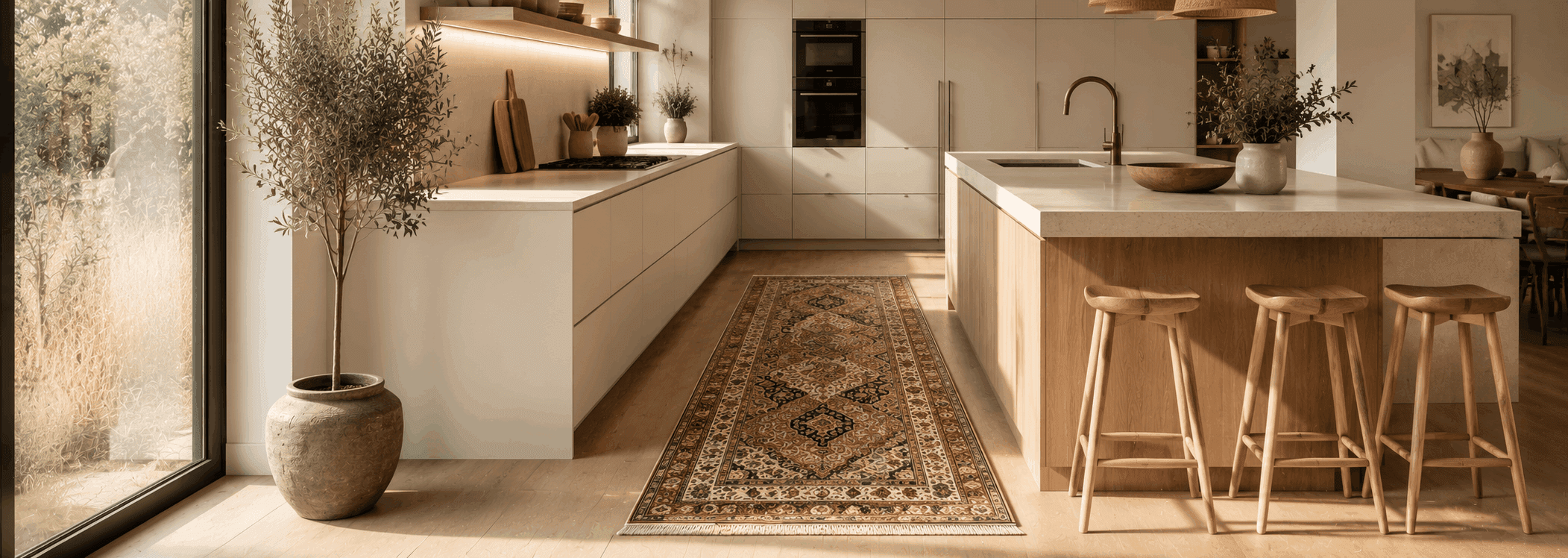
Expert articles, care knowledge, and buying guidance collected under Interior Design & Styling.
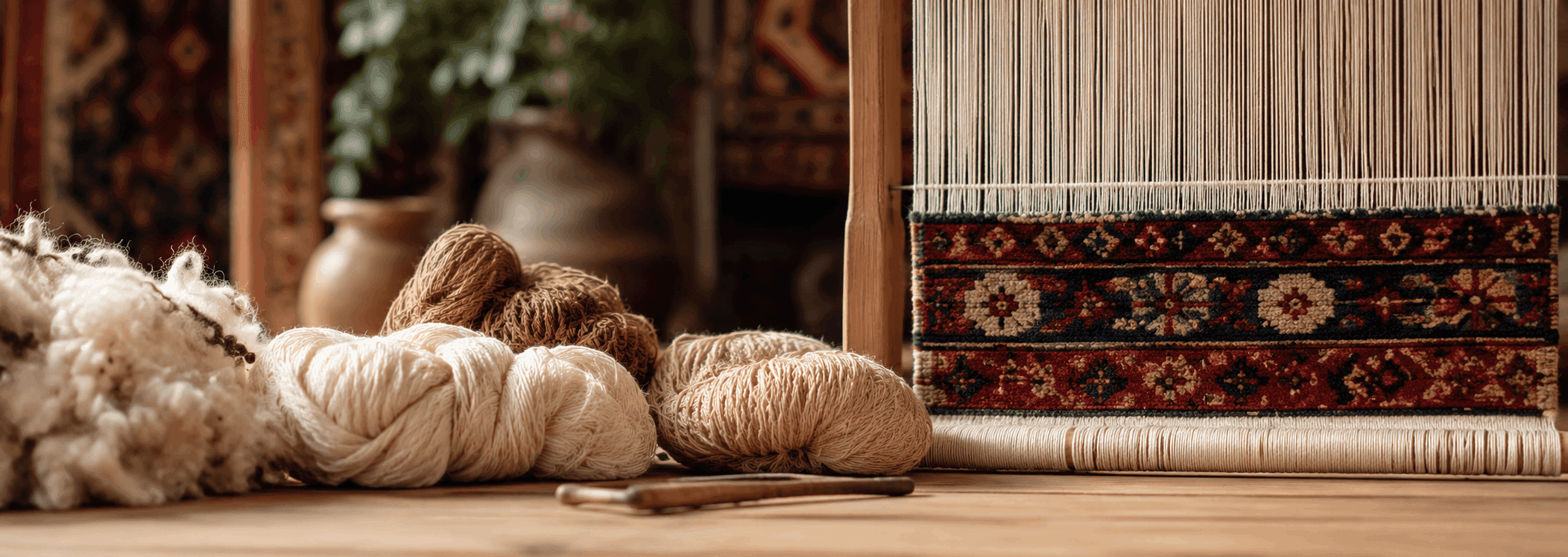
Wool has been the preferred material for Persian rugs for centuries because it combines a unique group of natural characteristics. Unlike many synthetic fibres, wool is a living biological material with complex internal structures.
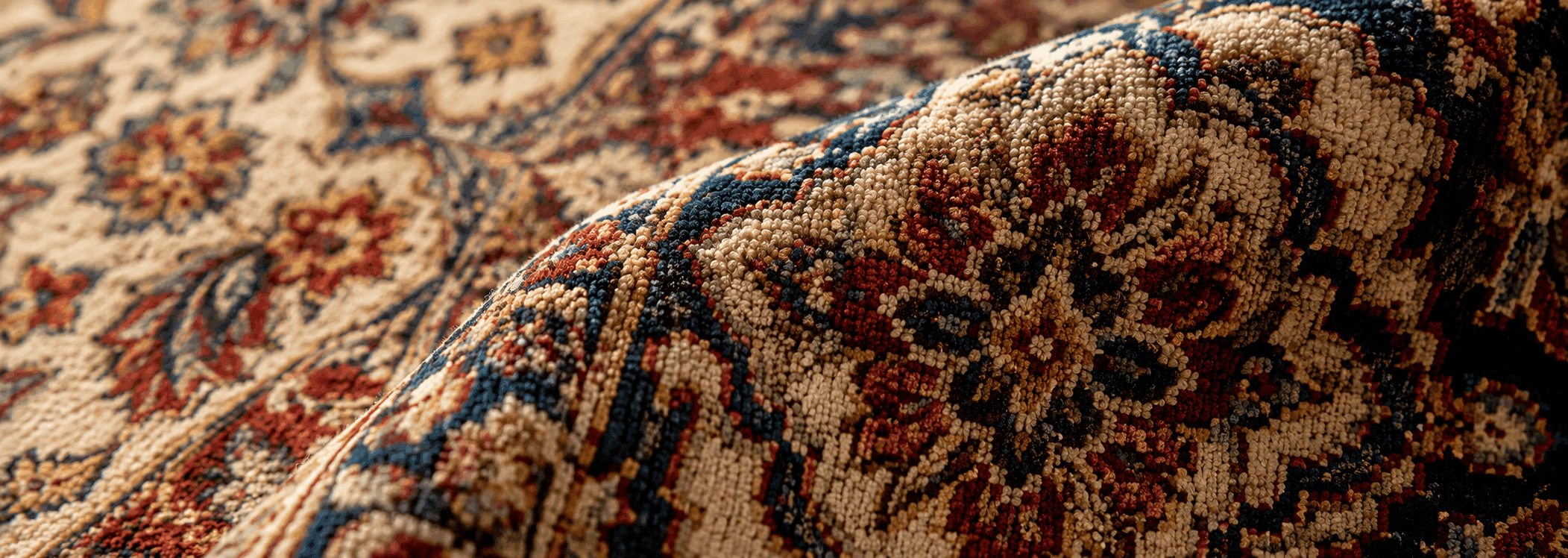
Persian rugs require special care because their natural fibres, traditional dyes and handmade construction can be easily damaged by improper cleaning. Learn how professional Persian rug cleaning and preservation methods help protect their beauty, quality and heritage for generations.
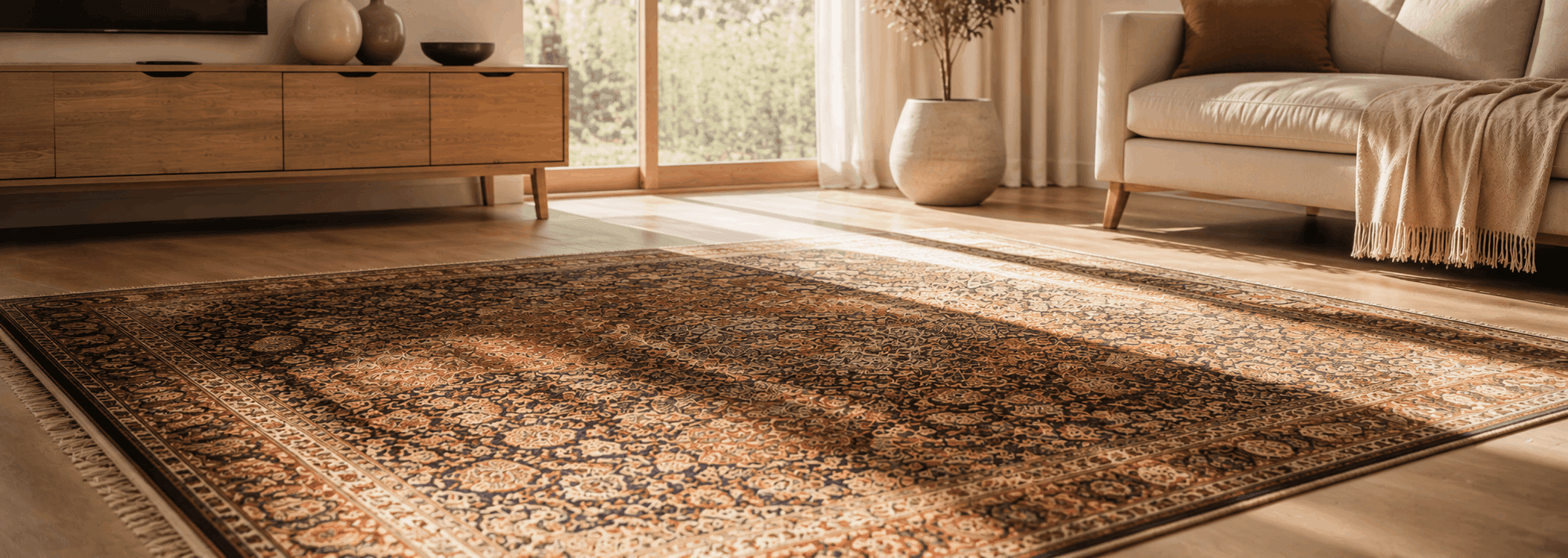
When you invest in a hand-knotted Persian rug, you are not just buying a static piece of decor; you are acquiring a living textile that will evolve alongside your home.
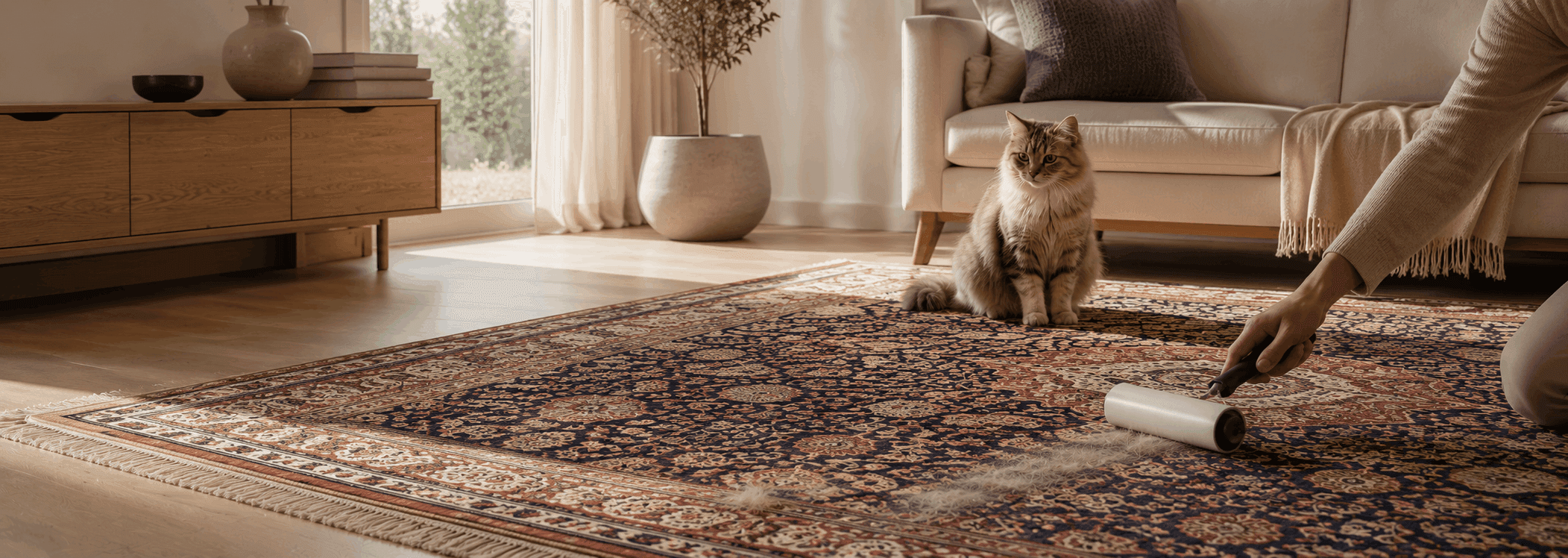
Removing pet hair from a Persian rug requires a delicate balance. You need a method tough enough to lift stubborn hair, but gentle enough to preserve the natural wool, silk, and cotton foundation.
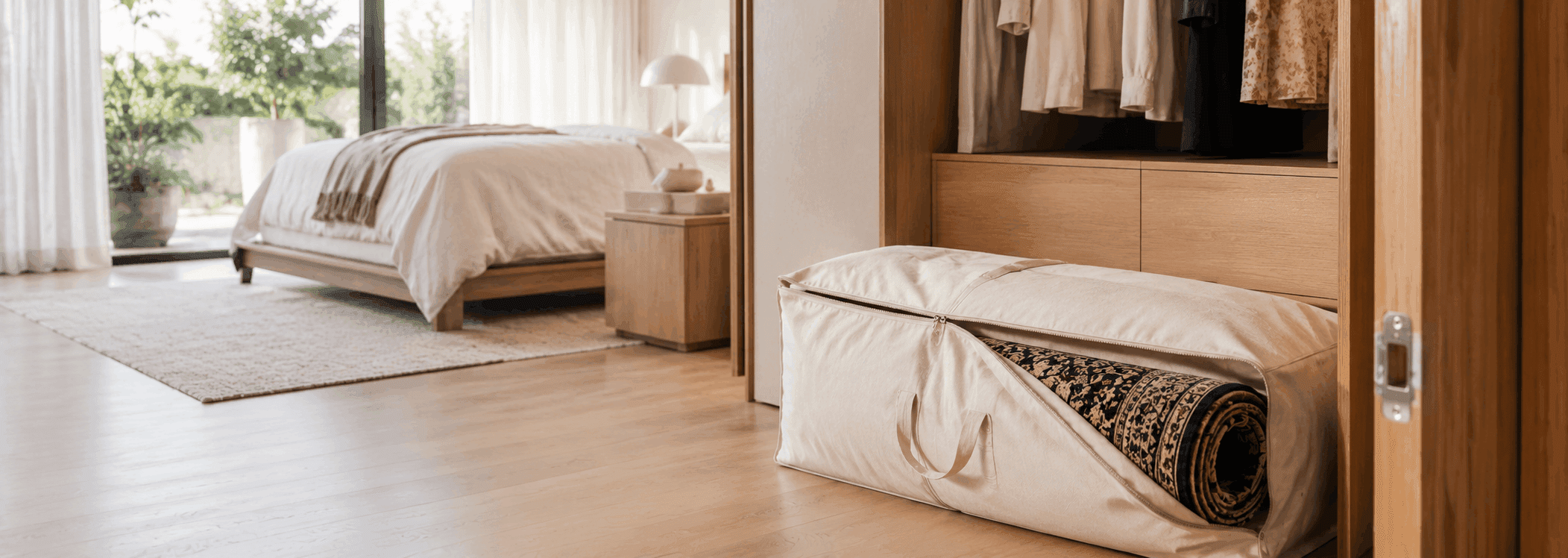
You might think that rolling up a rug and tossing it into the attic or basement is sufficient. Unfortunately, natural fibers like wool, silk, and cotton are highly sensitive to their environment.
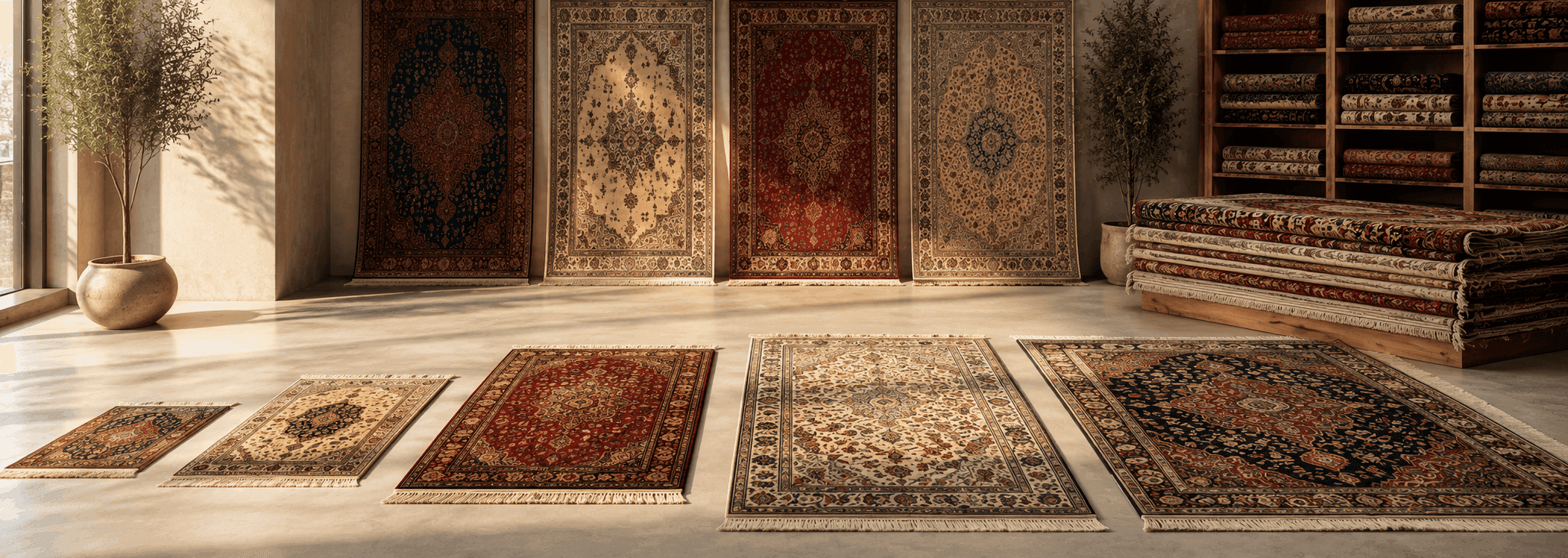
Iranian handmade rugs represent one of the world’s most treasured art forms. Many people assume these rugs are only for the wealthy. In reality, there are many affordable handmade rugs available, making them accessible to everyone.
Handmade rug for kitchen is not only a decorative element but also a practical choice that enhances comfort, safety, and aesthetics. Many homeowners underestimate the importance of selecting the right rug for the kitchen.
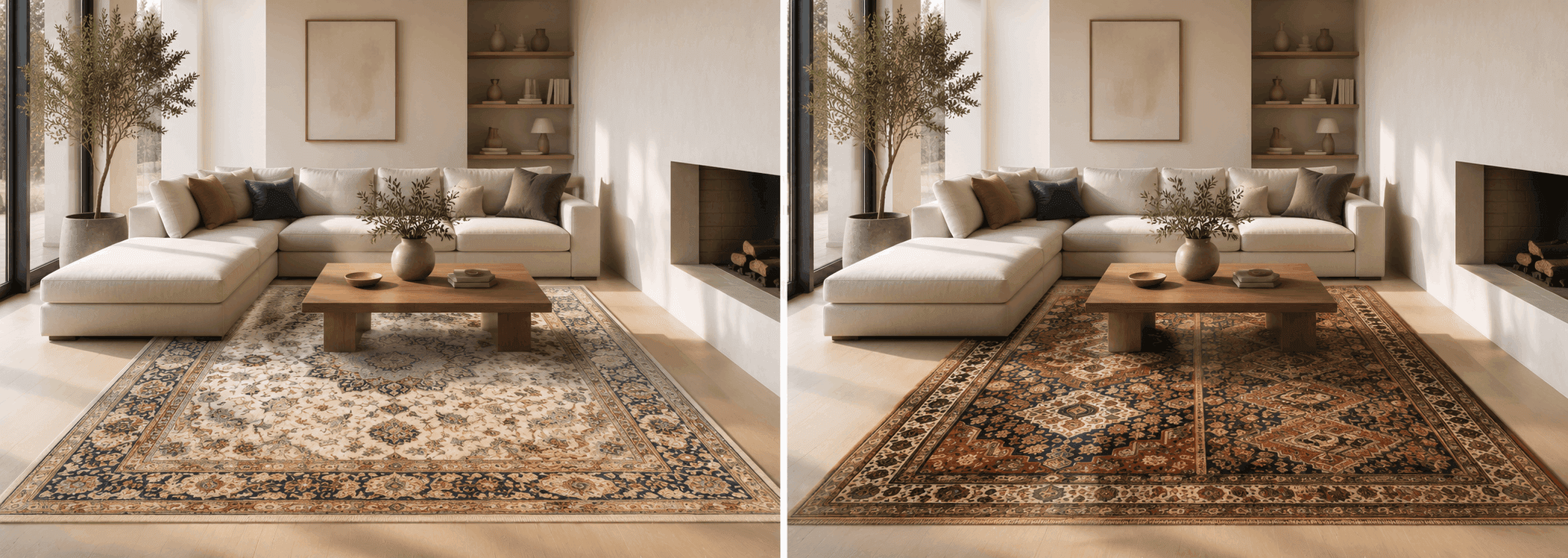
Iranian vs Pakistani hand-knotted carpets are two of the most recognized traditions in the global rug industry. Both represent high craftsmanship, but their differences in history, design, materials, durability, and investment value set them apart.
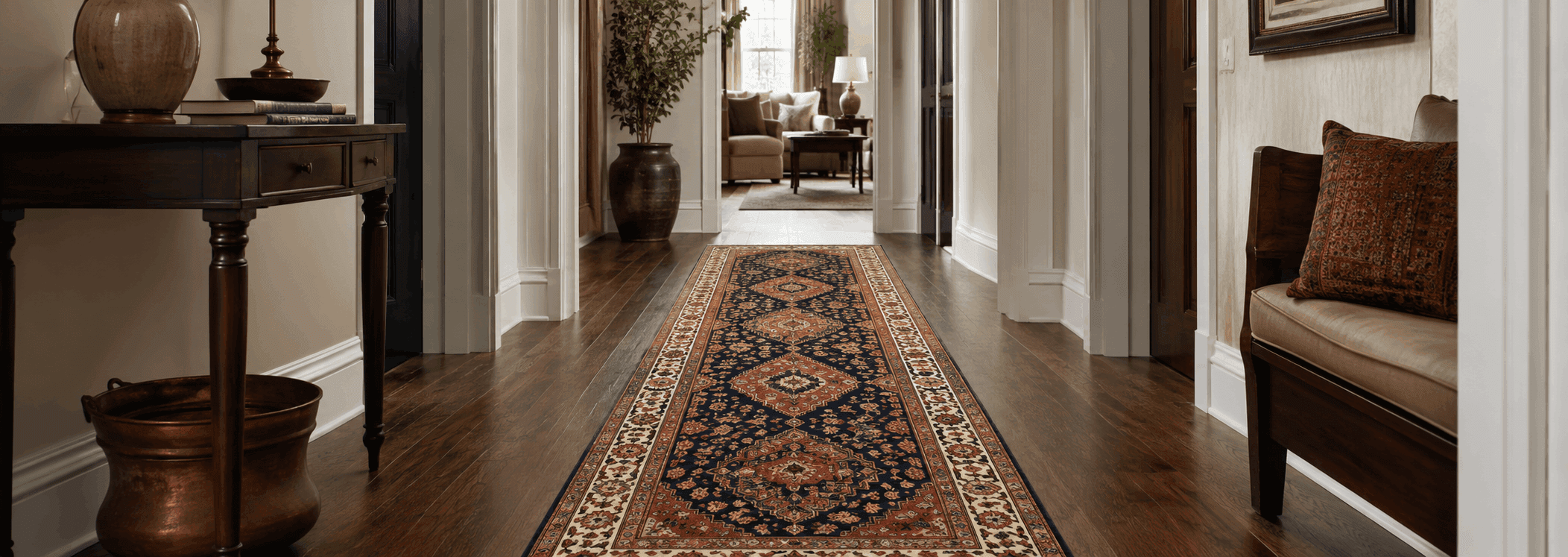
Hallway and stair runners protect floors, soften noise and add visual continuity, but sizing, construction and installation are essential. Choose a durable manageable pile, use a compatible non-slip pad in halls, confirm stair suitability, and arrange secure professional fitting where appropriate.
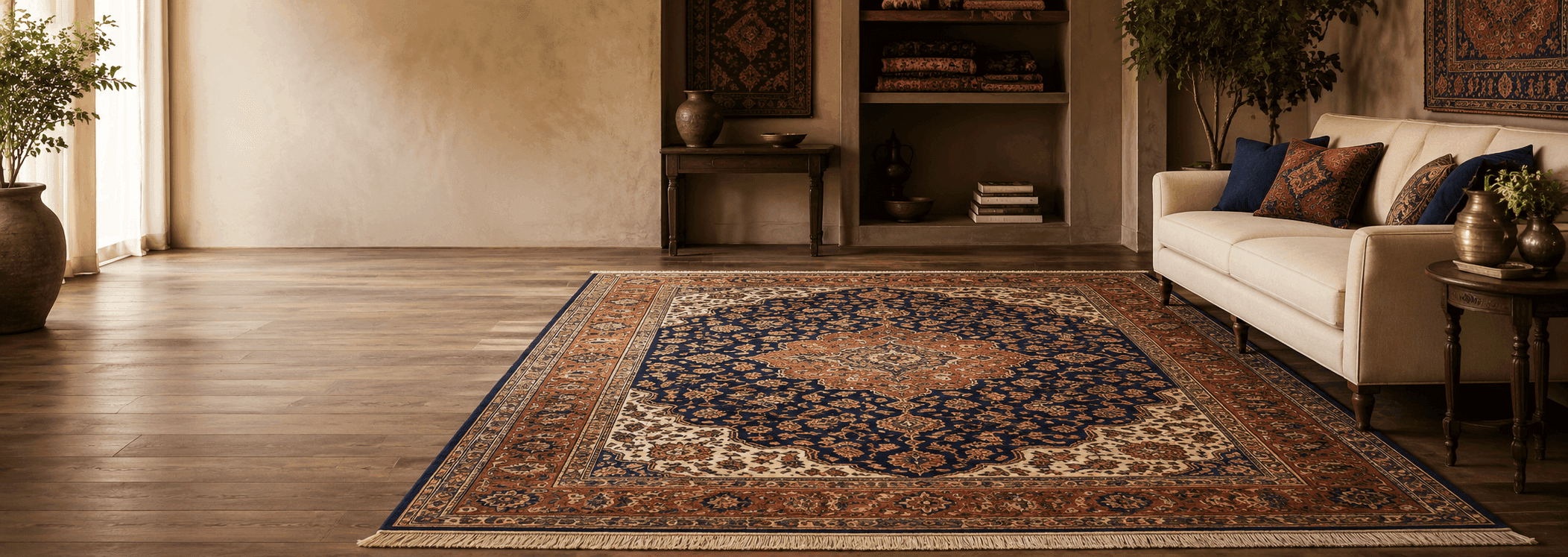
Authentic hand-knotted rugs can be identified through visible knots, woven foundation, and structural construction. Fringe, materials, design variations and abrash offer supporting clues, but no single test is decisive. For valuable rugs, request documentation and an independent expert assessment.
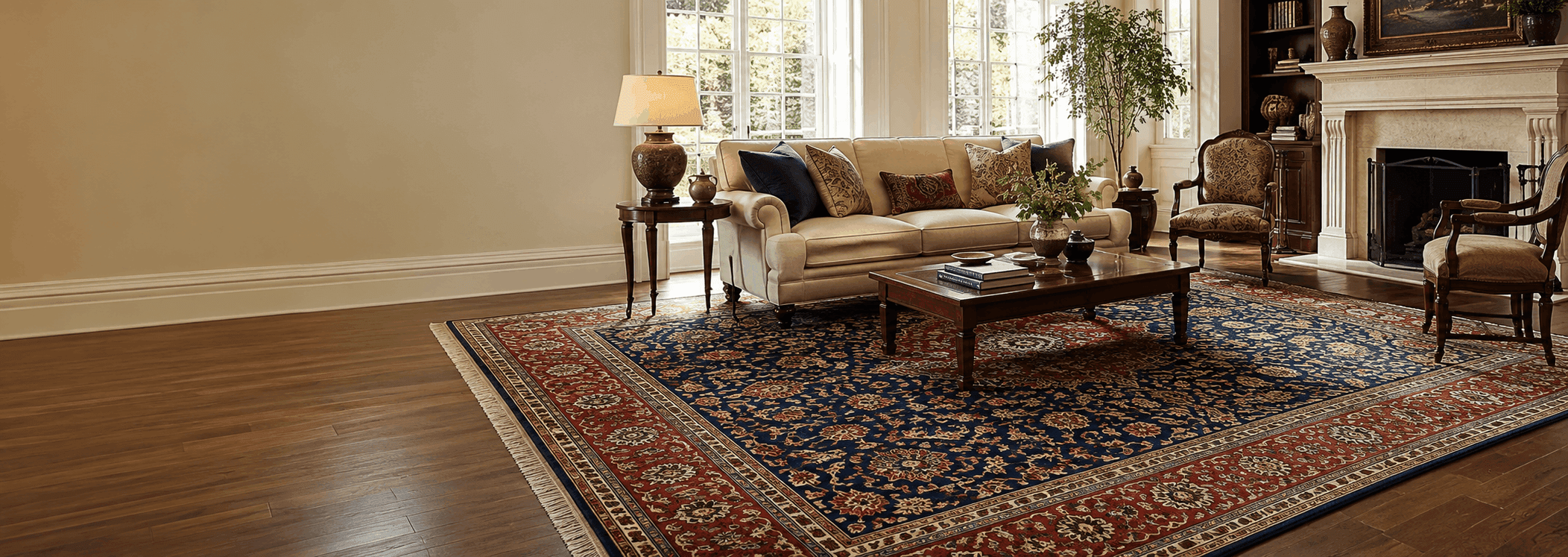
Handwoven rugs can offer lasting beauty, durability, repairability and potential resale value. Their worth depends on craftsmanship, materials, origin, rarity, condition and demand, so appreciation is never guaranteed. Buyers should prioritize quality, suitability, documentation and proper upkeep.
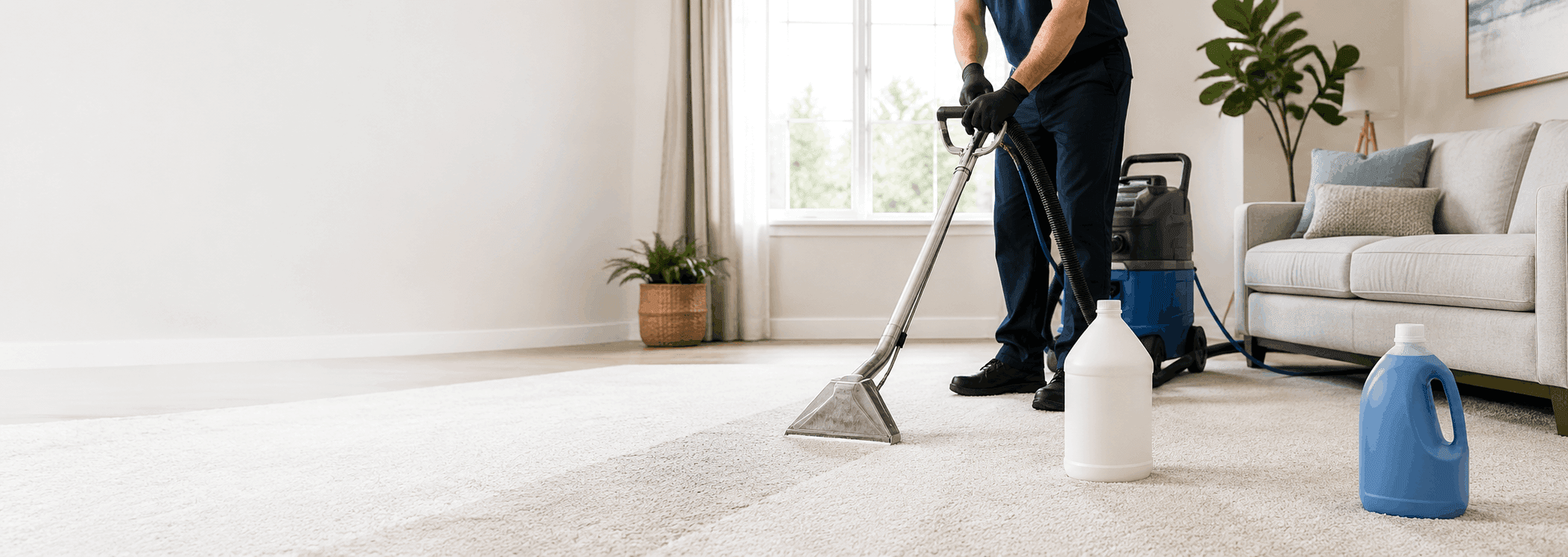
Laundry detergent should not be used in carpet-cleaning machines because it can create foam, leave residue, attract dirt and harm carpets or equipment. Use an approved low-foaming formula, limit moisture and dry fully. Reserve tested mild solutions for spot care on suitable synthetic carpets only.
Expert articles, care knowledge, and buying guidance collected under Rug Encyclopedia & Designs.
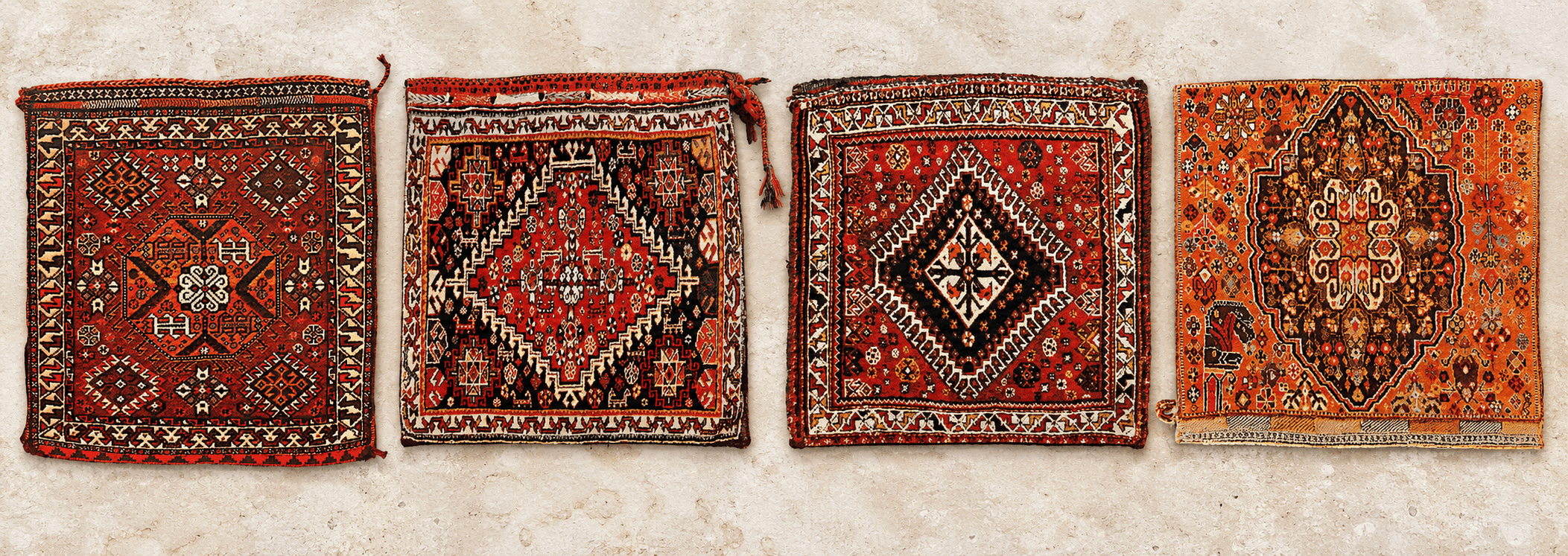
Khurjeen rugs are a lesser-known category within the diverse world of Persian weaving. They are particularly interesting for collectors and rug enthusiasts who want to explore traditions beyond the better-known names such as Tabriz, Kashan, Isfahan and Heriz.
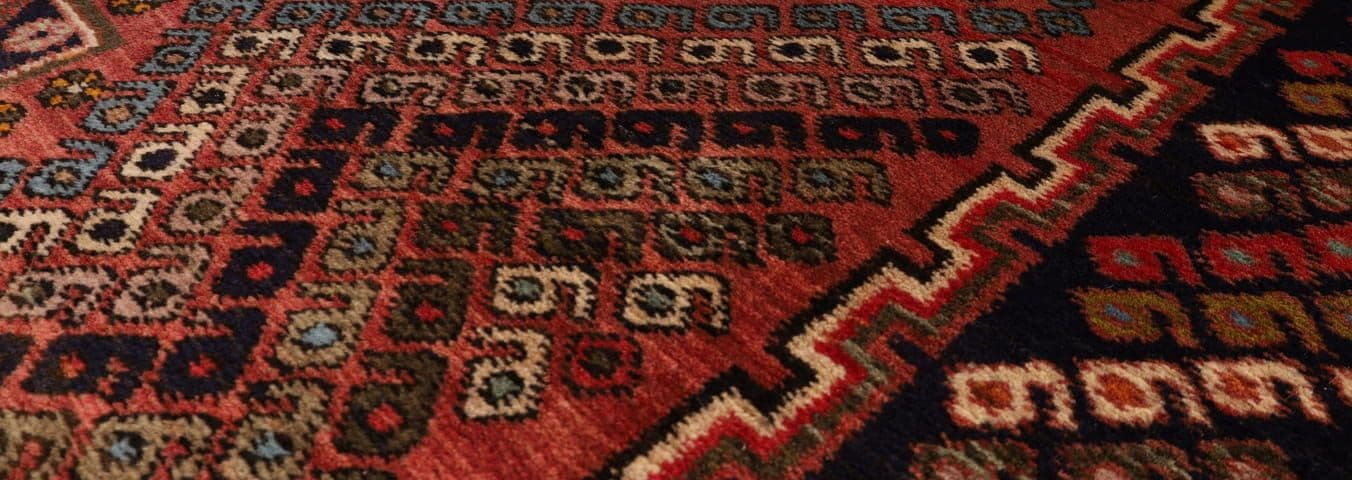
Afshar rugs are a distinctive part of Iran’s rich carpet-weaving heritage. Known for their geometric patterns, expressive colours and traditional craftsmanship, these handmade rugs reflect the artistic traditions of the Afshar people.
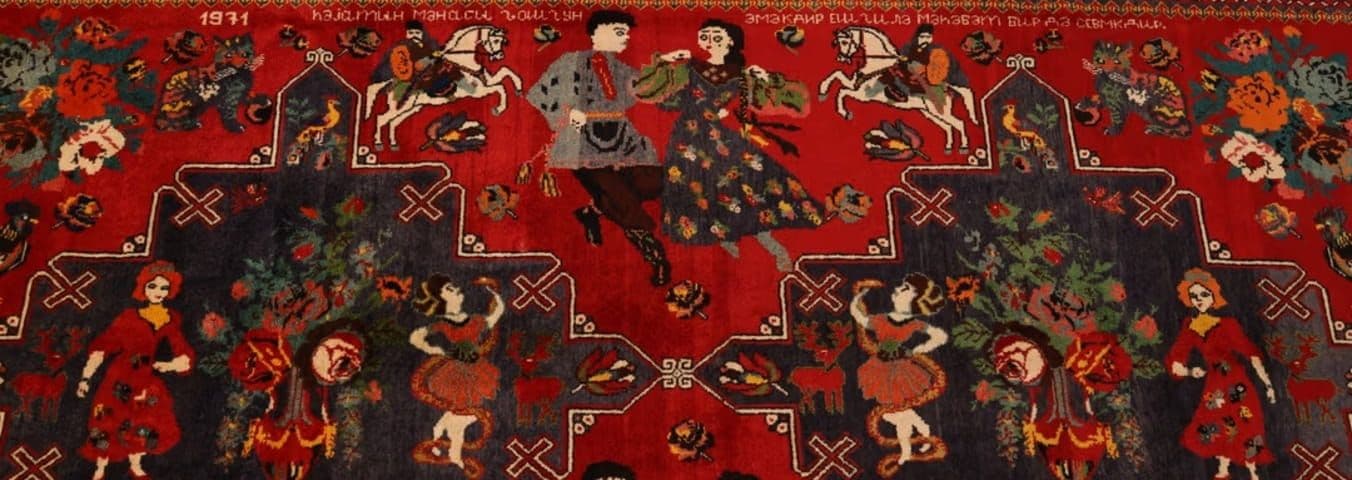
A practical guide to origin, design, weaving structure, craftsmanship and documentation for today’s rug buyer When you see a beautiful hand-knotted rug described as a “Persian rug,” what does that actually mean?
Expert articles, care knowledge, and buying guidance collected under Care & Maintenance.
Wool belongs to a special group of natural fibres known as protein fibres. Its primary structural protein is keratin, the same broad family of proteins found in materials such as human hair and nails.
Removing pet hair from a Persian rug requires a delicate balance. You need a method tough enough to lift stubborn hair, but gentle enough to preserve the natural wool, silk, and cotton foundation.
You might think that rolling up a rug and tossing it into the attic or basement is sufficient. Unfortunately, natural fibers like wool, silk, and cotton are highly sensitive to their environment.
Expert articles, care knowledge, and buying guidance collected under Buyer's Guide & Authenticity.
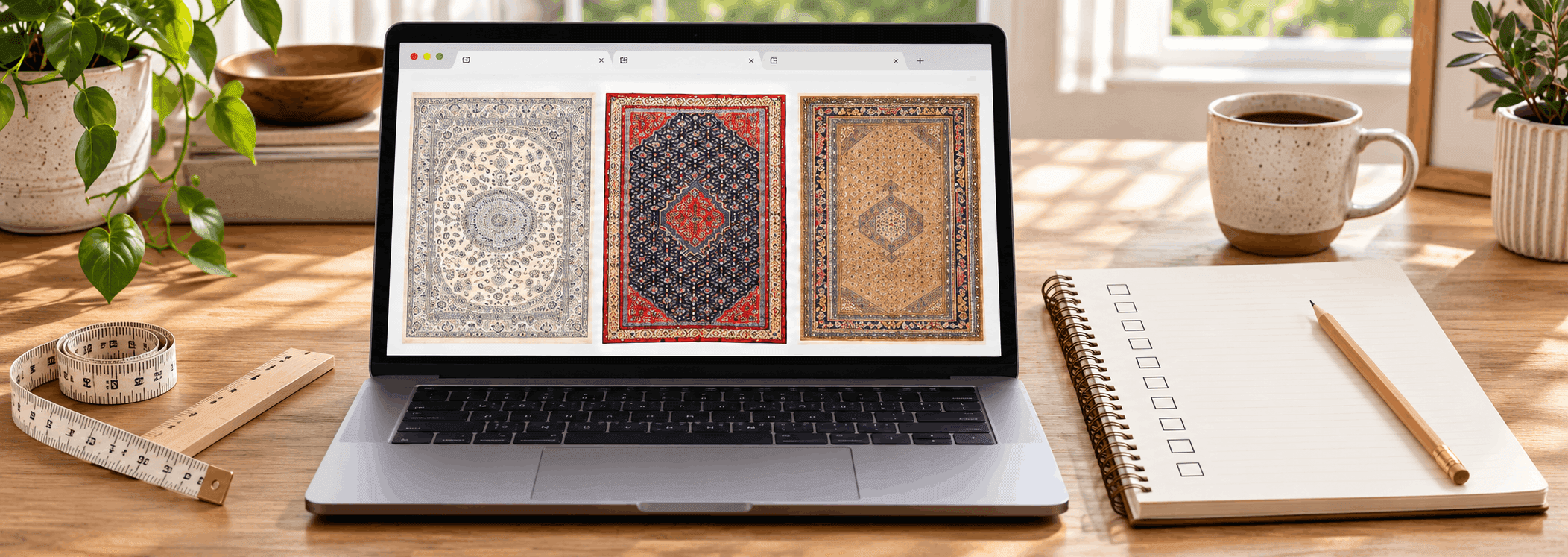
Whether you are looking for an authentic Persian rug for your living room, a characterful Afghan rug for a relaxed interior or a handwoven kilim with a simpler, more contemporary feel, buying online gives you access to an enormous variety of designs and styles.
When shopping for a handmade rug, you may come across terms such as hand-knotted, hand-tufted, and handmade. Although these rugs may look similar at first glance, the way they are made is very different.
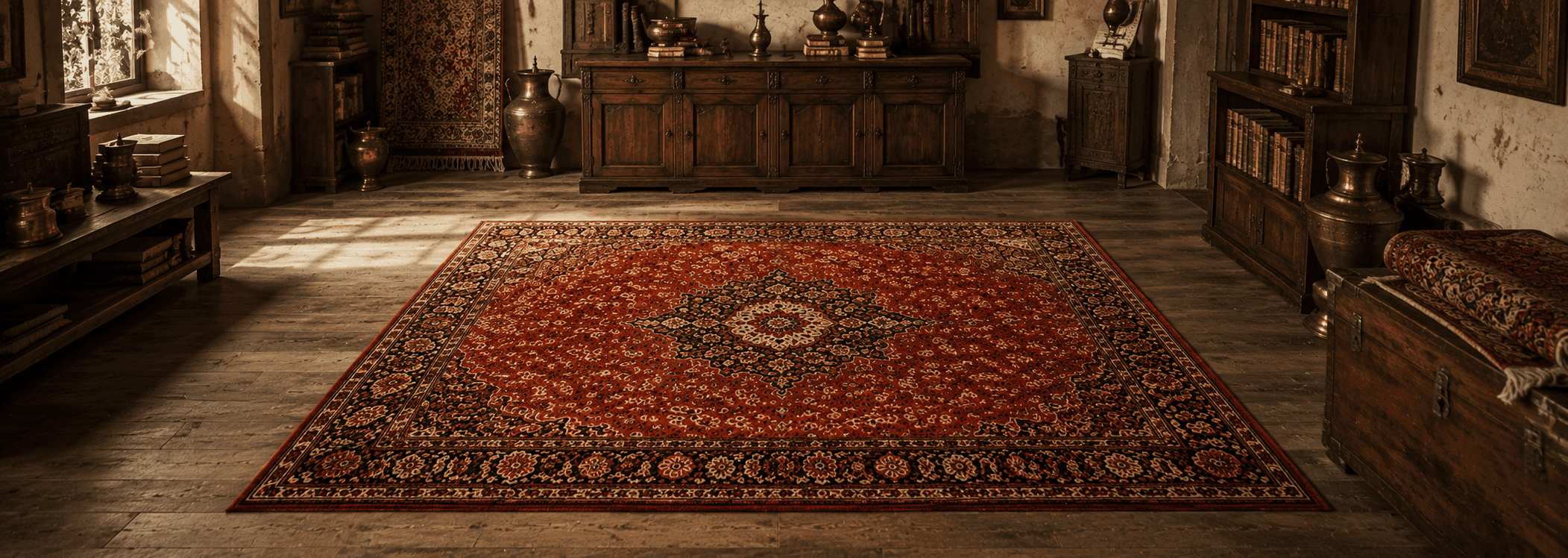
How old is your Persian rug? It is one of the first questions collectors, interior designers, and rug enthusiasts ask when they discover a beautiful handmade carpet.
Expert articles, care knowledge, and buying guidance collected under news.

The Antique Rug & Textile Show 2026 returns to San Francisco from October 23–25, bringing together antique rugs, historic textiles and traditional weaving traditions. The event also features a special talk on textiles from the Levant and Syria.
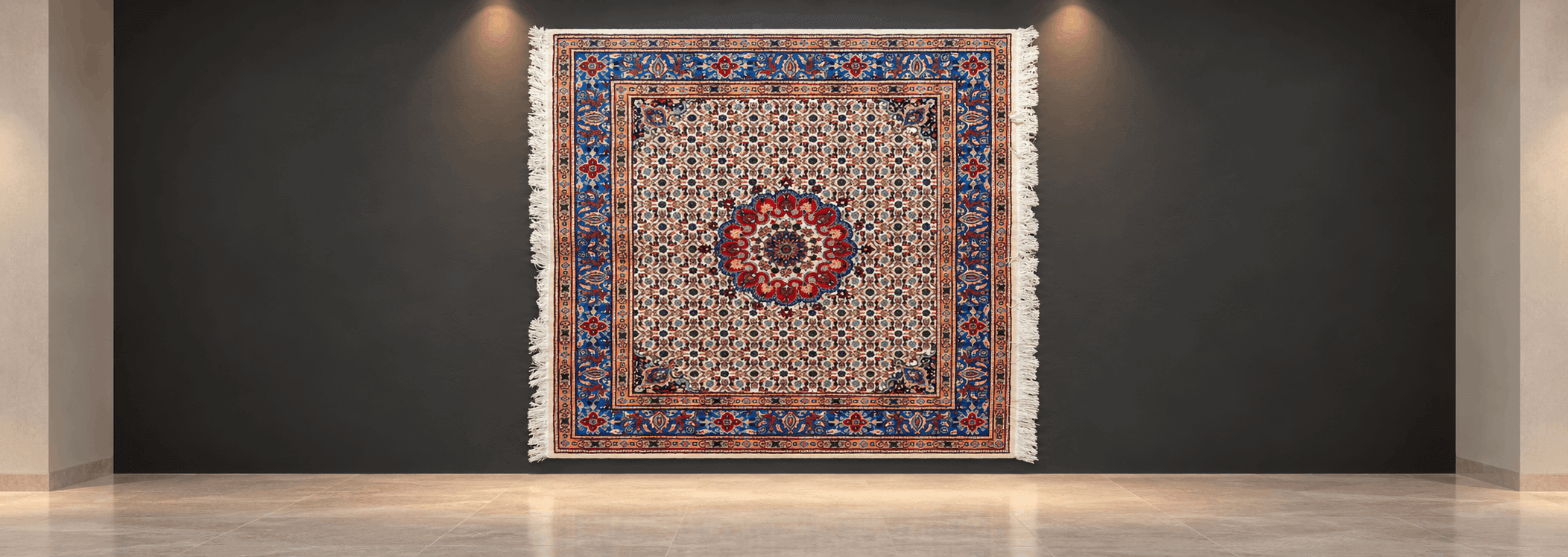
A hand-knotted Persian Dorokhsh rug measuring 200 × 205 cm is scheduled for auction at Jordaens in Belgium, with an estimated price of €120–€160. The listing offers an interesting snapshot of how Persian rugs are presented in the European secondary market.
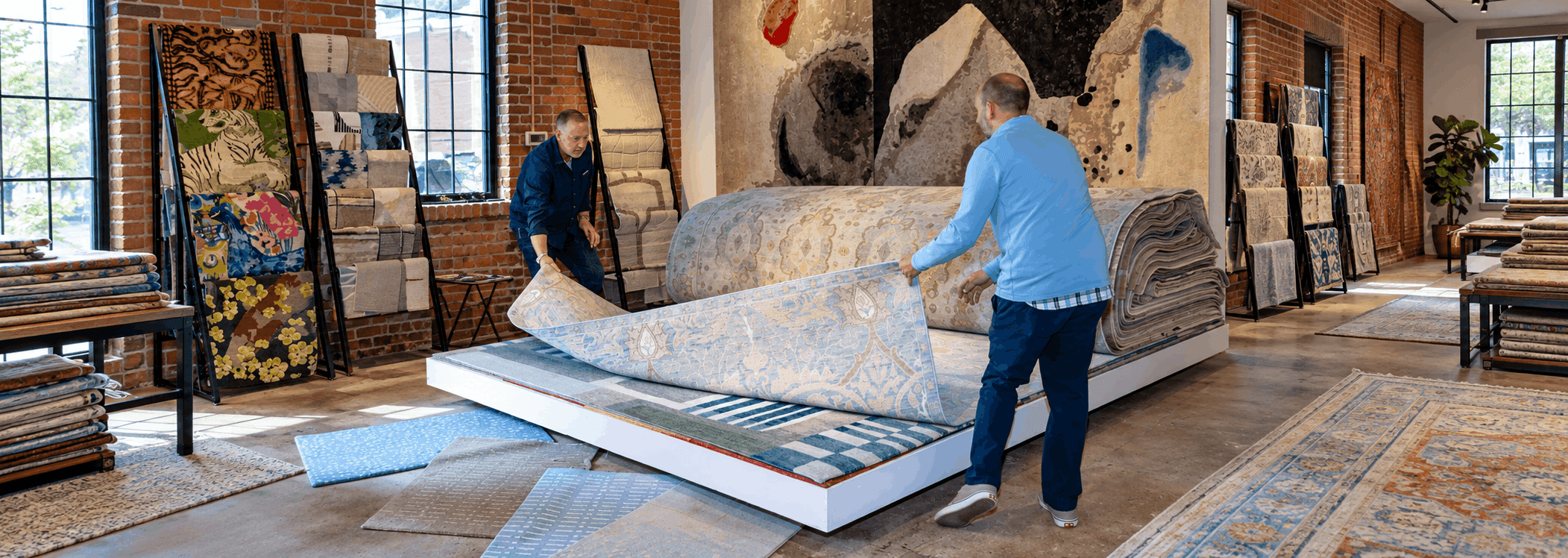
COVER Connect New York 2026 brought international rug brands together in Manhattan, highlighting new directions in handmade rug design.
Browse Persian and Oriental rugs that connect naturally to our editorial guides.
Continue from interior ideas to curated rugs for lounges and open-plan rooms.
Move from care and buying advice into the full Rugeast handmade collection.
Find hall and entryway formats that fit practical sizing questions from the journal.
Receive fresh editorial stories, care advice, and selected collection highlights from Rugeast.
The journal explains what distinguishes handmade rugs, how Persian and Oriental traditions differ, and how wool, silk, kilim, and mixed constructions behave in everyday interiors.
We publish practical guidance for routine care, stain response, professional cleaning decisions, and protecting delicate fibers, colors, and fringes over time.
Readers can explore room-by-room inspiration, proportion and sizing advice, color selection, layout ideas, and thoughtful routes from editorial knowledge into the right rug collection.