
Rug Encyclopedia & Designs
Expert articles, care knowledge, and buying guidance collected under Rug Encyclopedia & Designs.
Discover editorial guidance on handmade rugs, Persian and Oriental designs, materials, care, room styling, and thoughtful buying decisions.
A curated editorial selection from the latest Rugeast publishing flow.
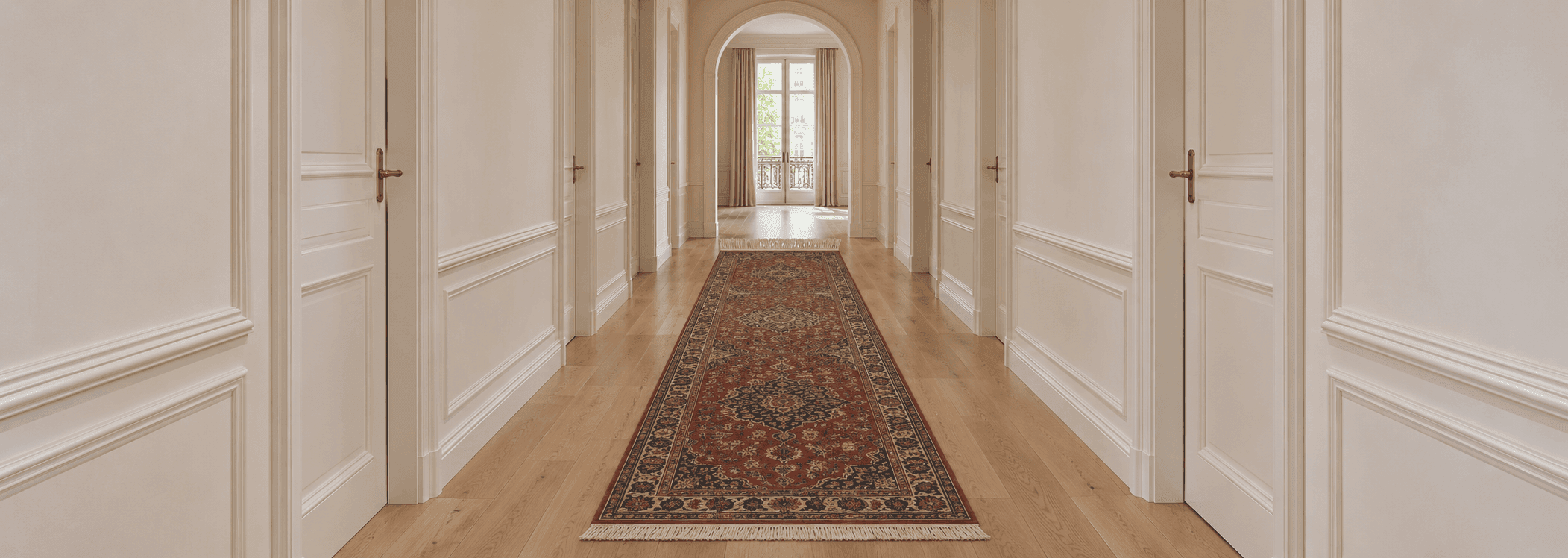
Handmade Runner Rugs: A Complete Guide to Choosing, Styling and Using Narrow Persian Rugs
Browse the Rugeast editorial desk by category, with direct paths into archives and specialist themes.
Expert articles, care knowledge, and buying guidance collected under Rug Encyclopedia & Designs.
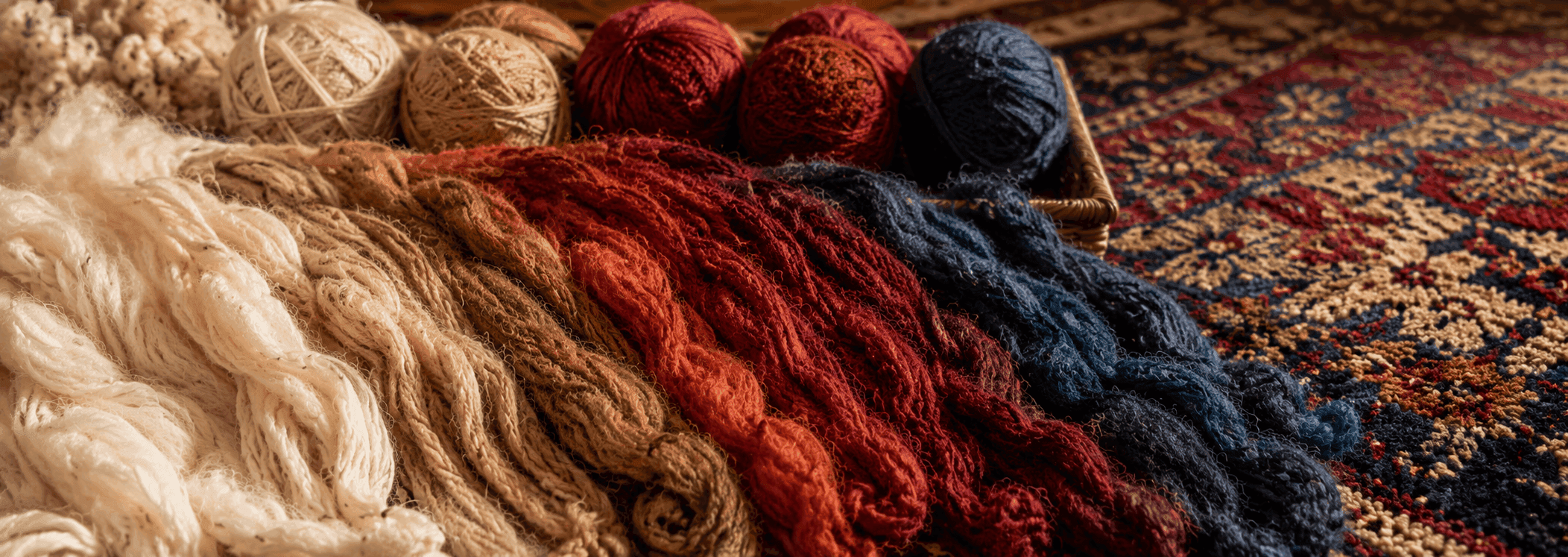
Expert articles, care knowledge, and buying guidance collected under Care & Maintenance.
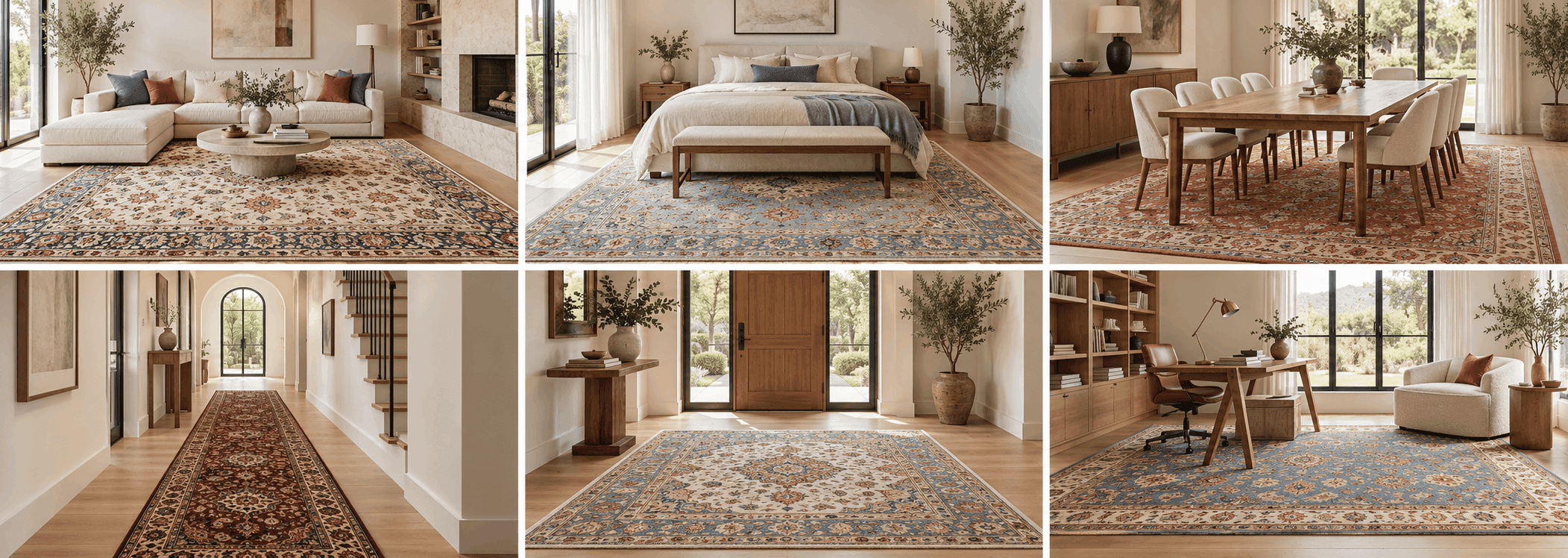
Expert articles, care knowledge, and buying guidance collected under Buyer's Guide & Authenticity.
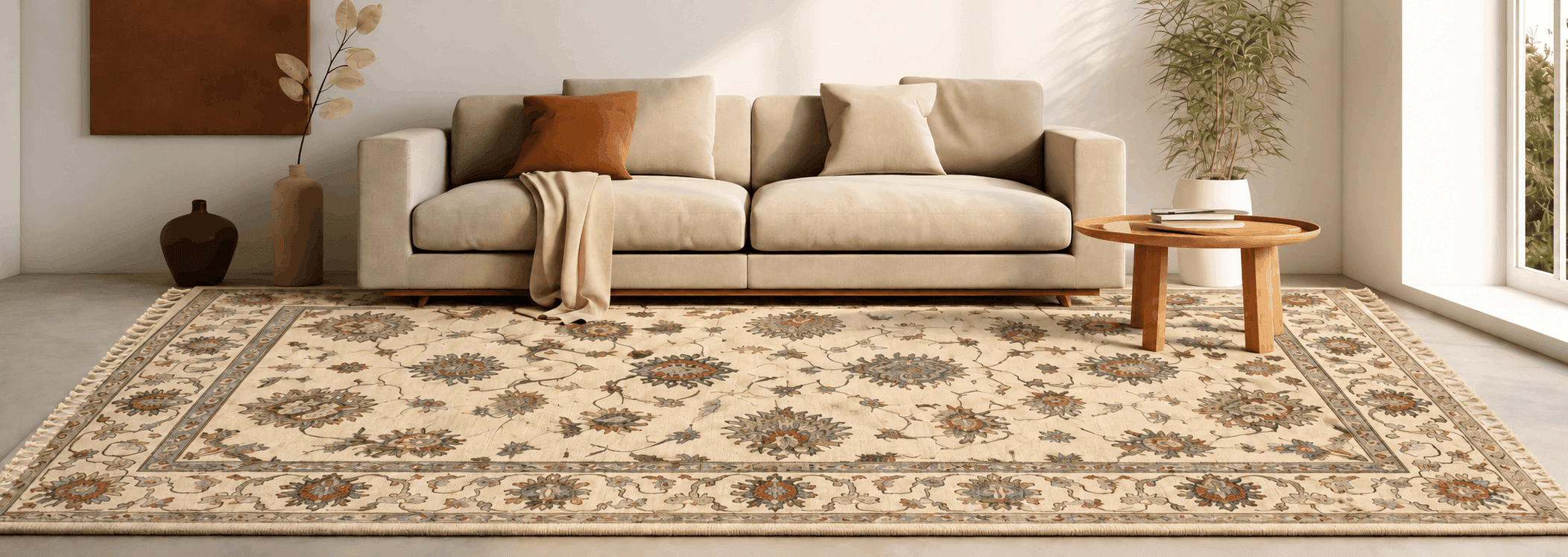
Expert articles, care knowledge, and buying guidance collected under news.
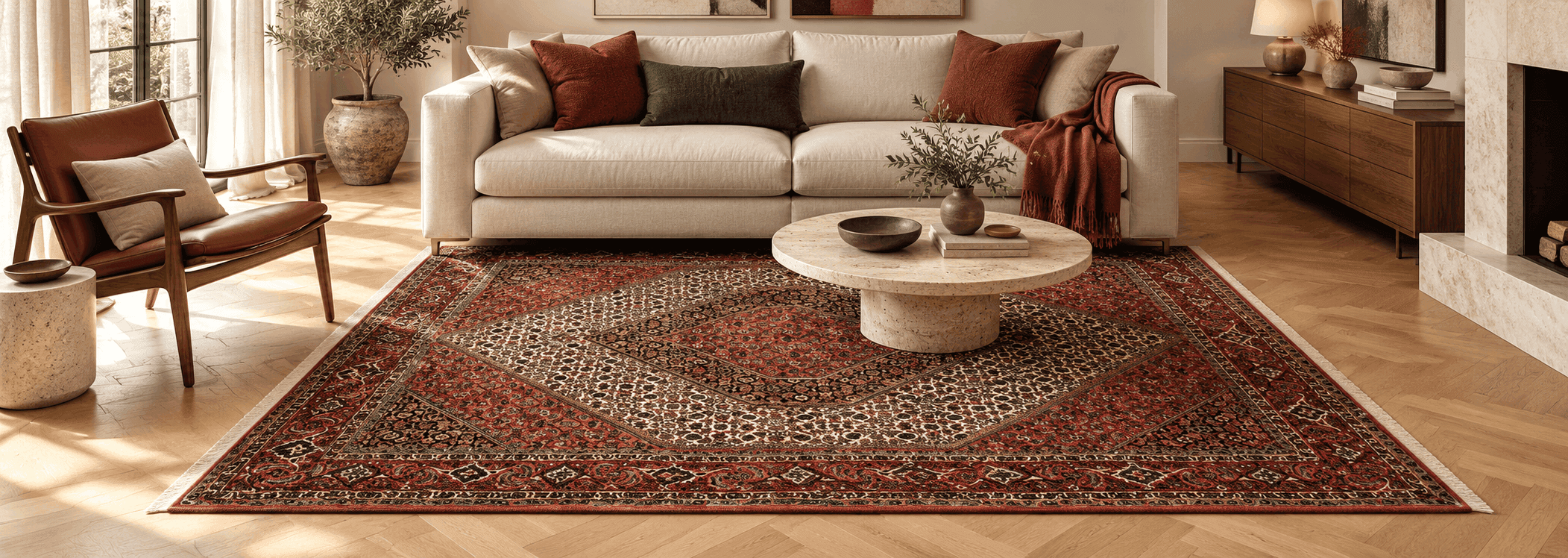
Expert articles, care knowledge, and buying guidance collected under Interior Design & Styling.
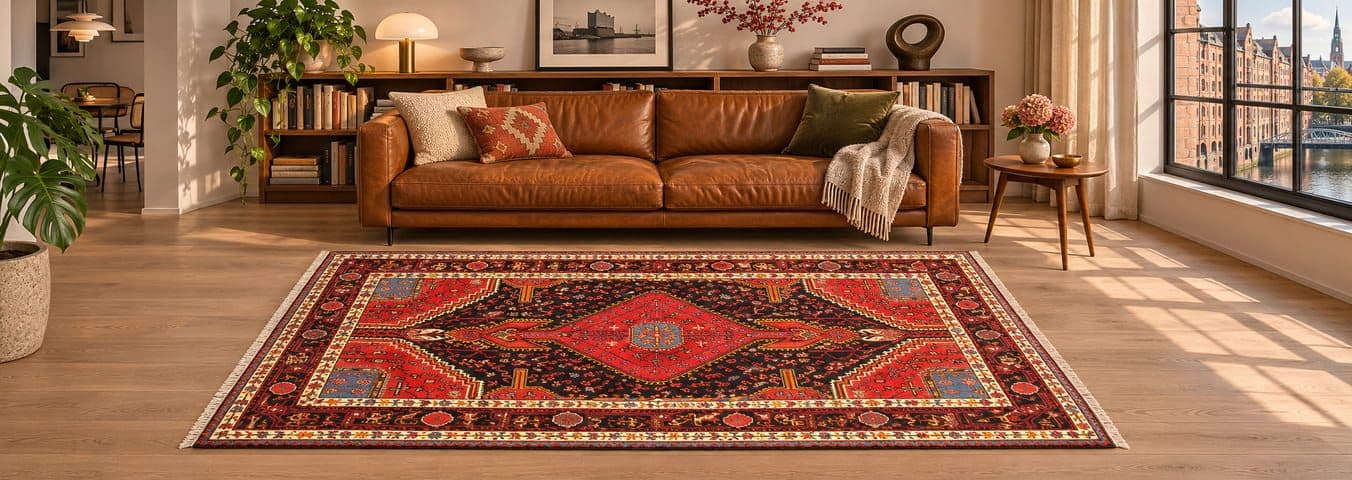
Expert articles, care knowledge, and buying guidance collected under Persian Rug Regions.
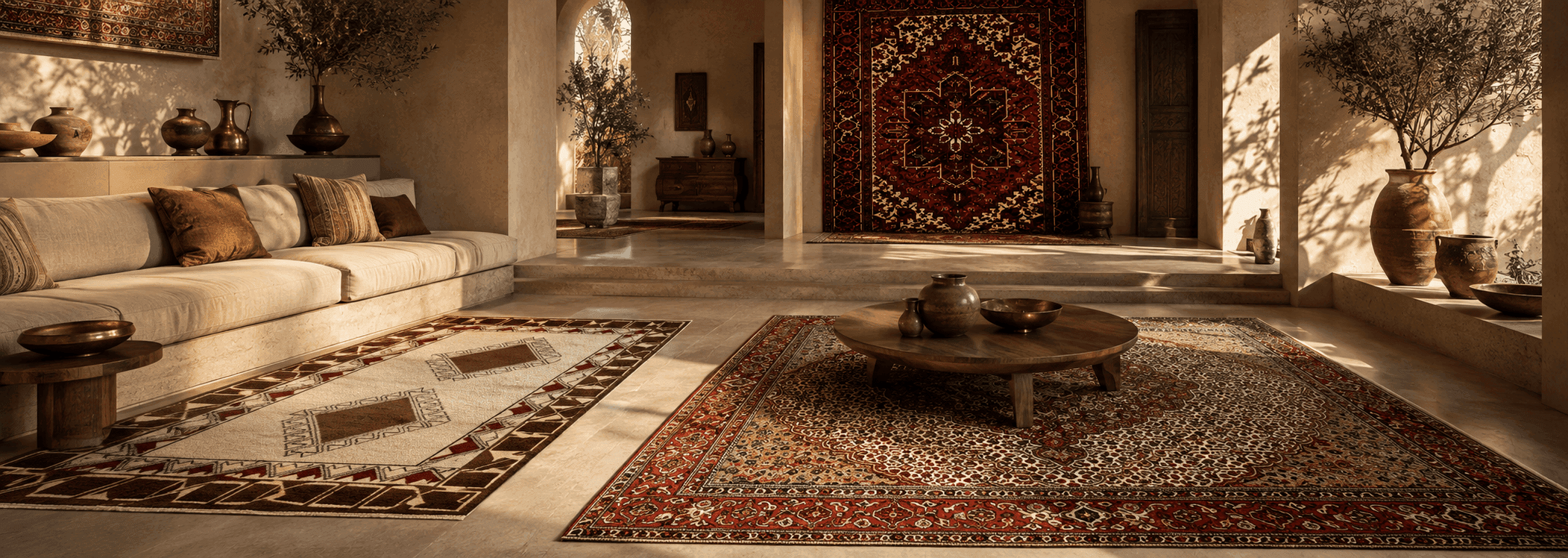
Persian rugs are among the most recognizable and highly regarded handmade rugs in the world. Known for their intricate designs, rich colors, natural materials, and traditional craftsmanship, Persian rugs are much more than floor coverings.
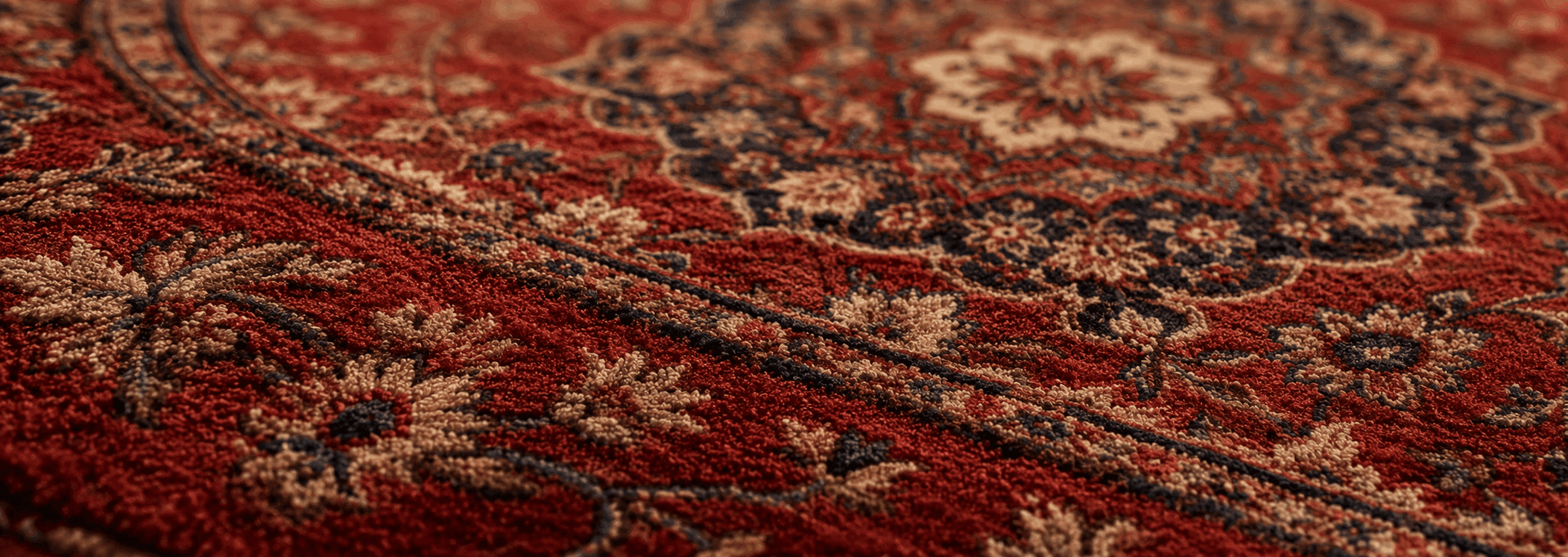
When shopping for a handmade rug, you may come across terms such as hand-knotted, hand-tufted, and handmade. Although these rugs may look similar at first glance, the way they are made is very different.
Wool belongs to a special group of natural fibres known as protein fibres. Its primary structural protein is keratin, the same broad family of proteins found in materials such as human hair and nails.
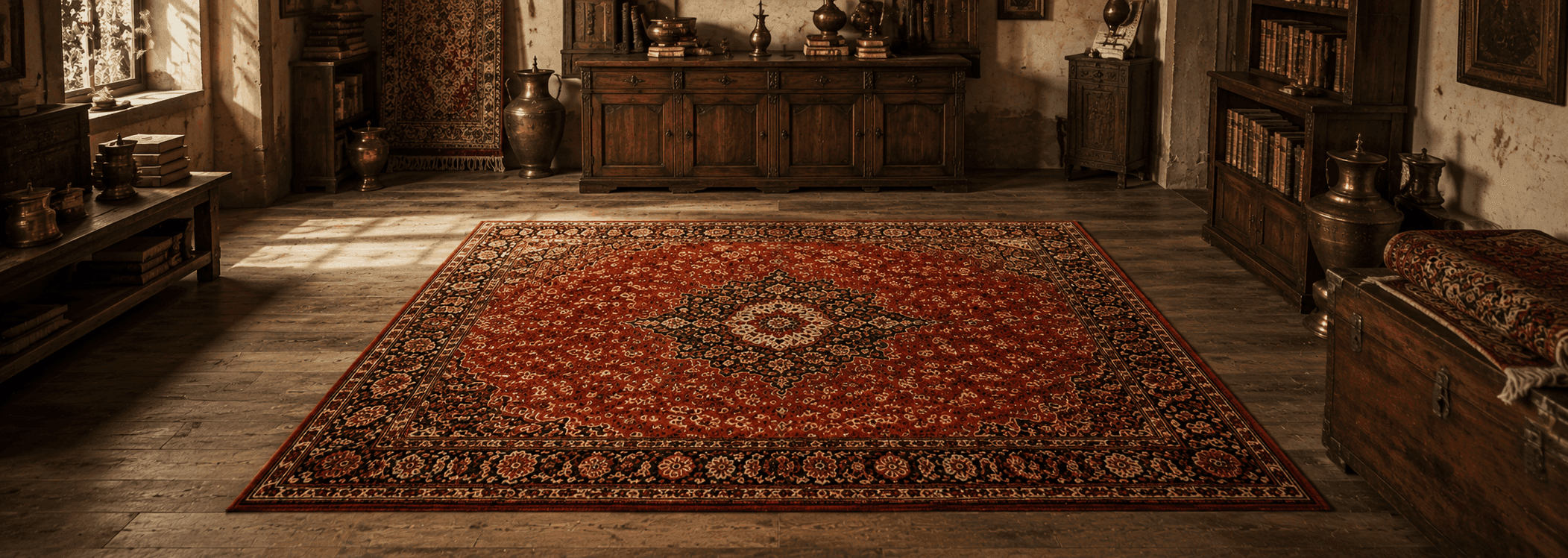
How old is your Persian rug? It is one of the first questions collectors, interior designers, and rug enthusiasts ask when they discover a beautiful handmade carpet.
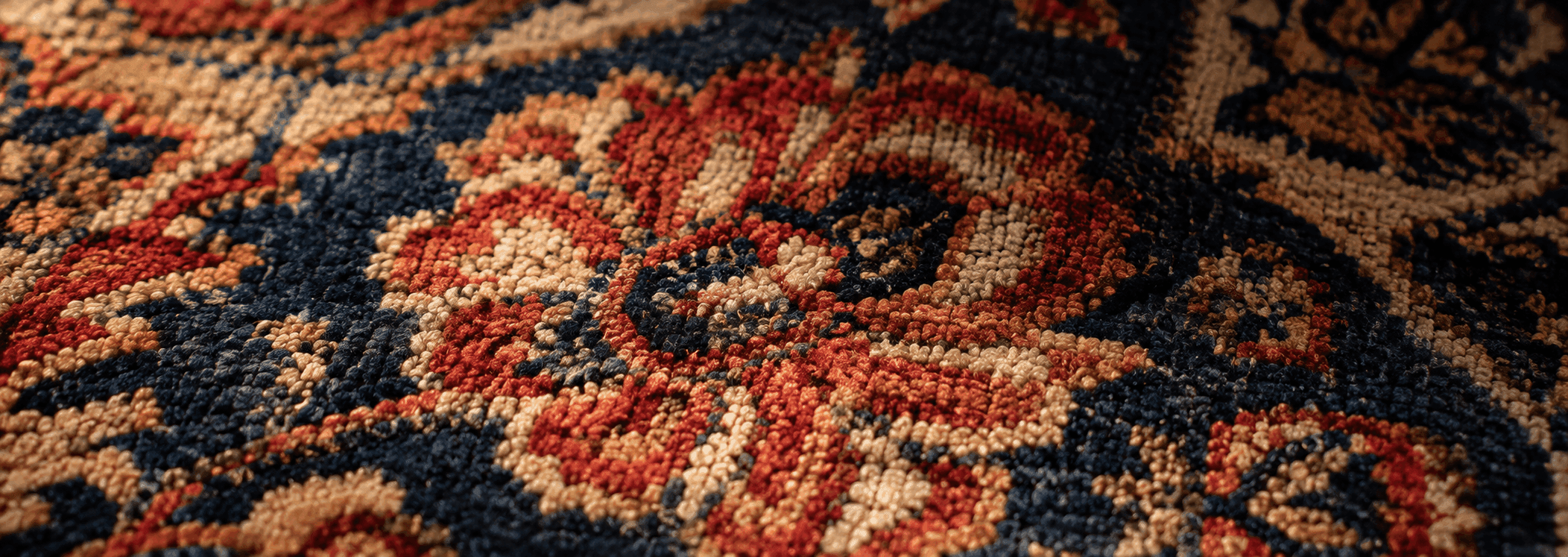
A handmade rug is much more than a decorative piece for your home. It is a valuable work of art and a piece of cultural heritage. Many fine Persian rugs are the result of years of craftsmanship, traditional techniques and countless hours of work by skilled weavers.
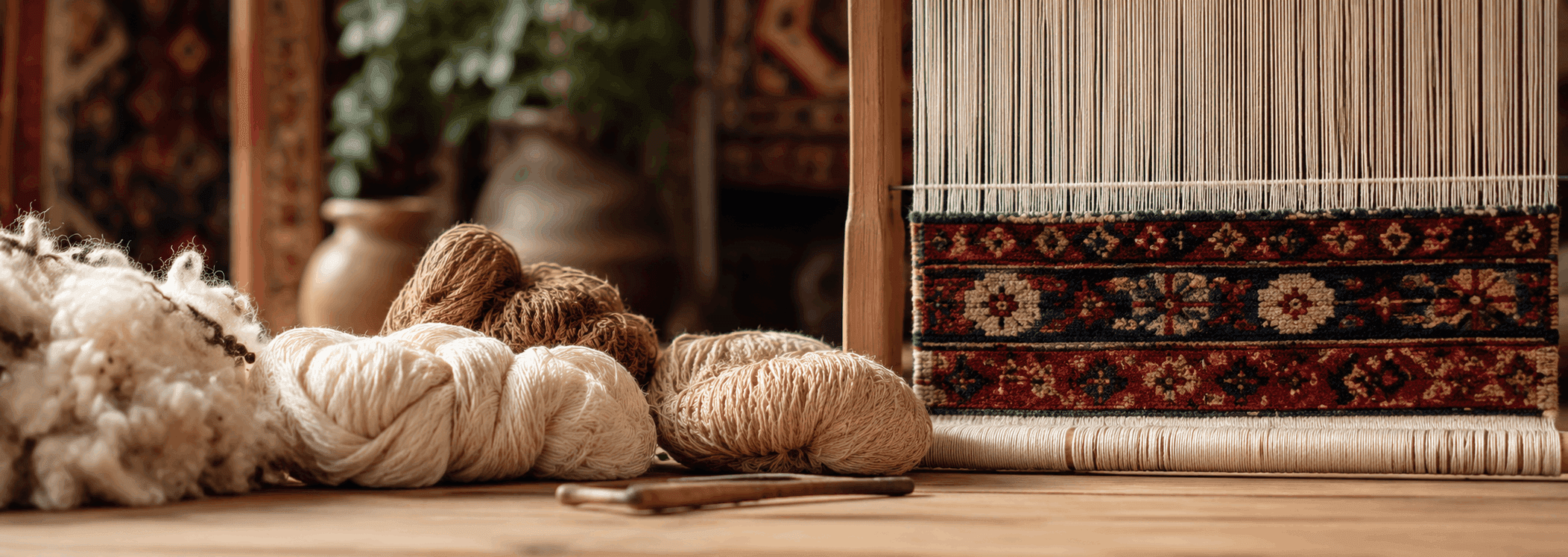
Wool has been the preferred material for Persian rugs for centuries because it combines a unique group of natural characteristics. Unlike many synthetic fibres, wool is a living biological material with complex internal structures.
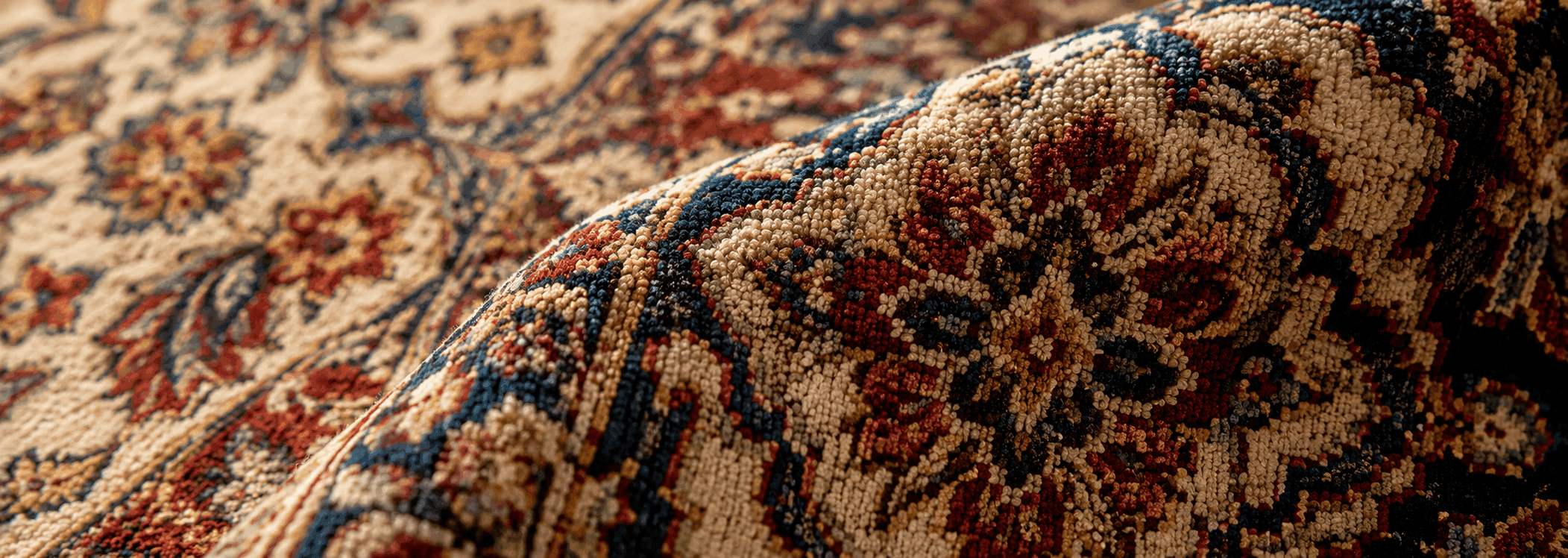
Persian rugs require special care because their natural fibres, traditional dyes and handmade construction can be easily damaged by improper cleaning. Learn how professional Persian rug cleaning and preservation methods help protect their beauty, quality and heritage for generations.
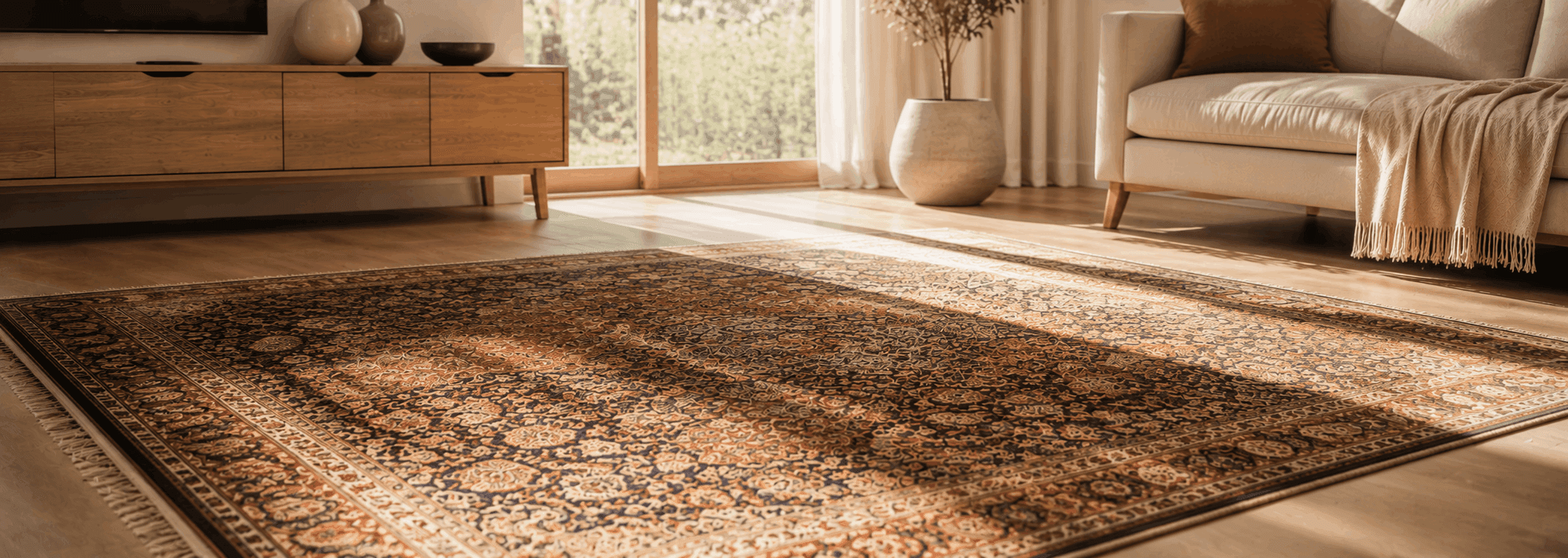
When you invest in a hand-knotted Persian rug, you are not just buying a static piece of decor; you are acquiring a living textile that will evolve alongside your home.
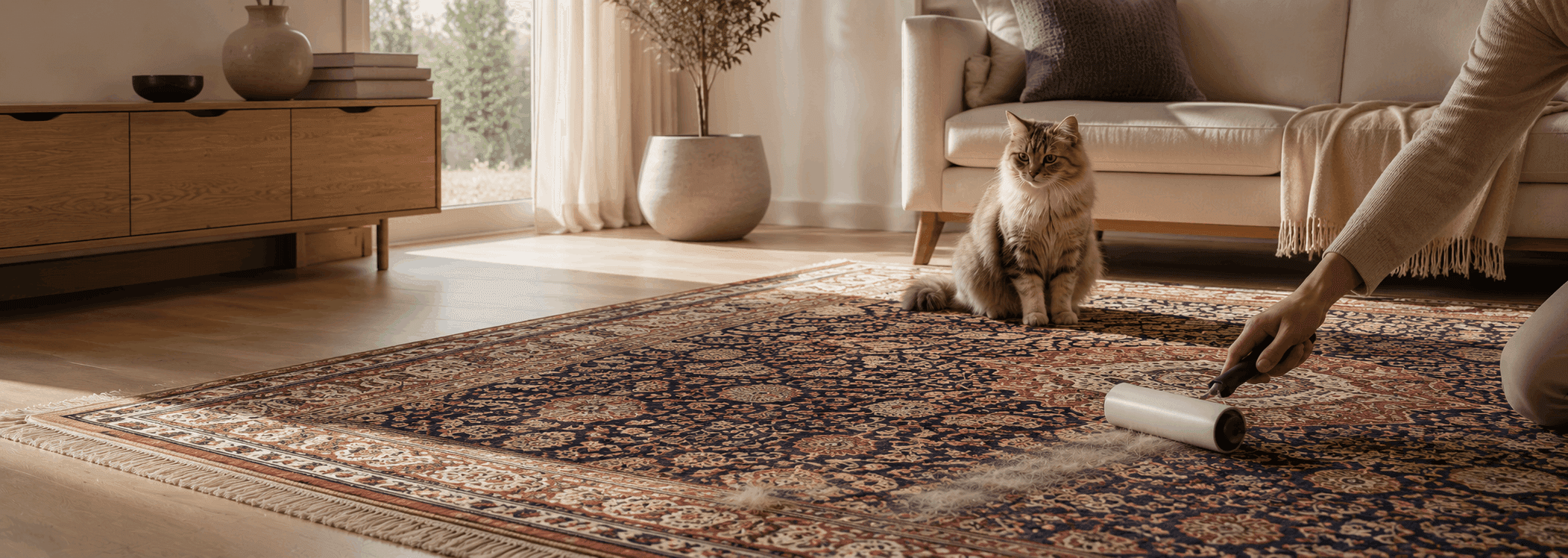
Removing pet hair from a Persian rug requires a delicate balance. You need a method tough enough to lift stubborn hair, but gentle enough to preserve the natural wool, silk, and cotton foundation.
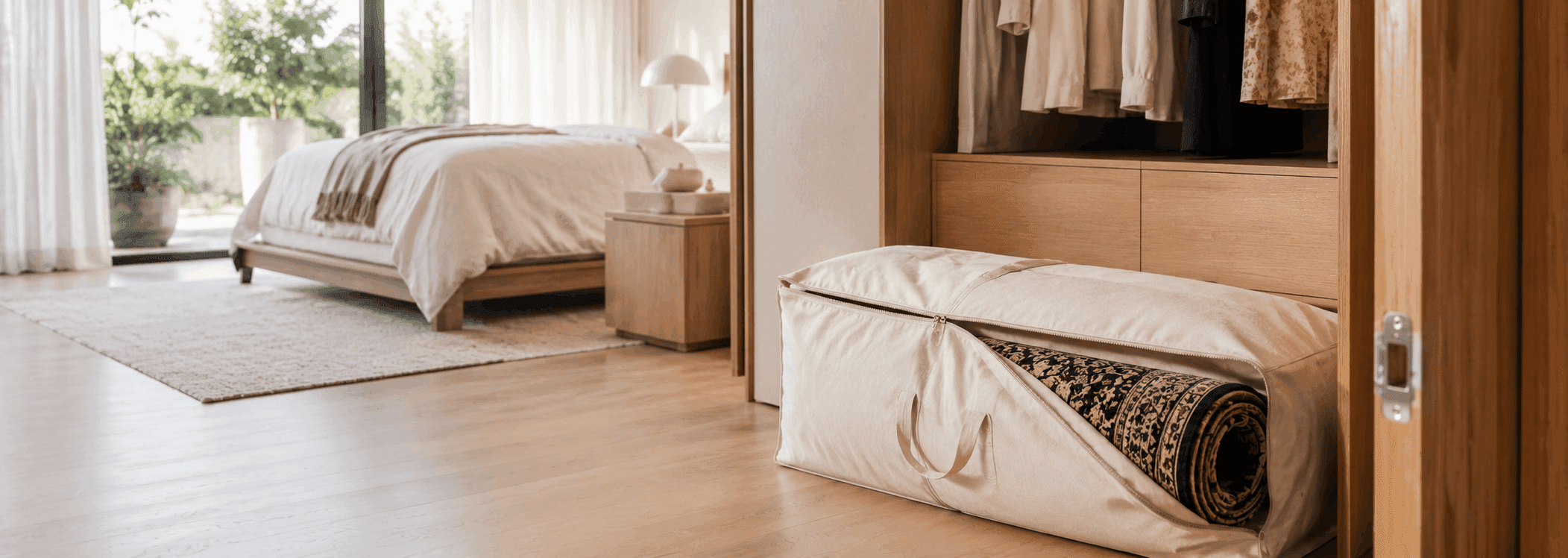
You might think that rolling up a rug and tossing it into the attic or basement is sufficient. Unfortunately, natural fibers like wool, silk, and cotton are highly sensitive to their environment.
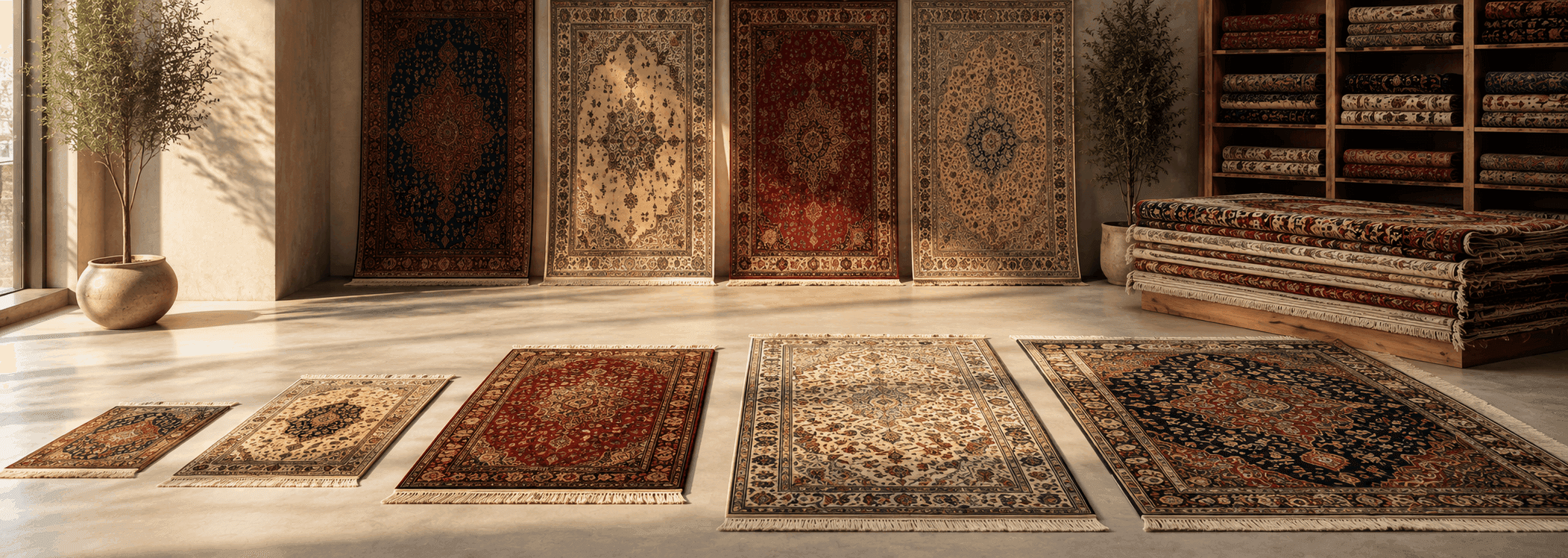
Iranian handmade rugs represent one of the world’s most treasured art forms. Many people assume these rugs are only for the wealthy. In reality, there are many affordable handmade rugs available, making them accessible to everyone.
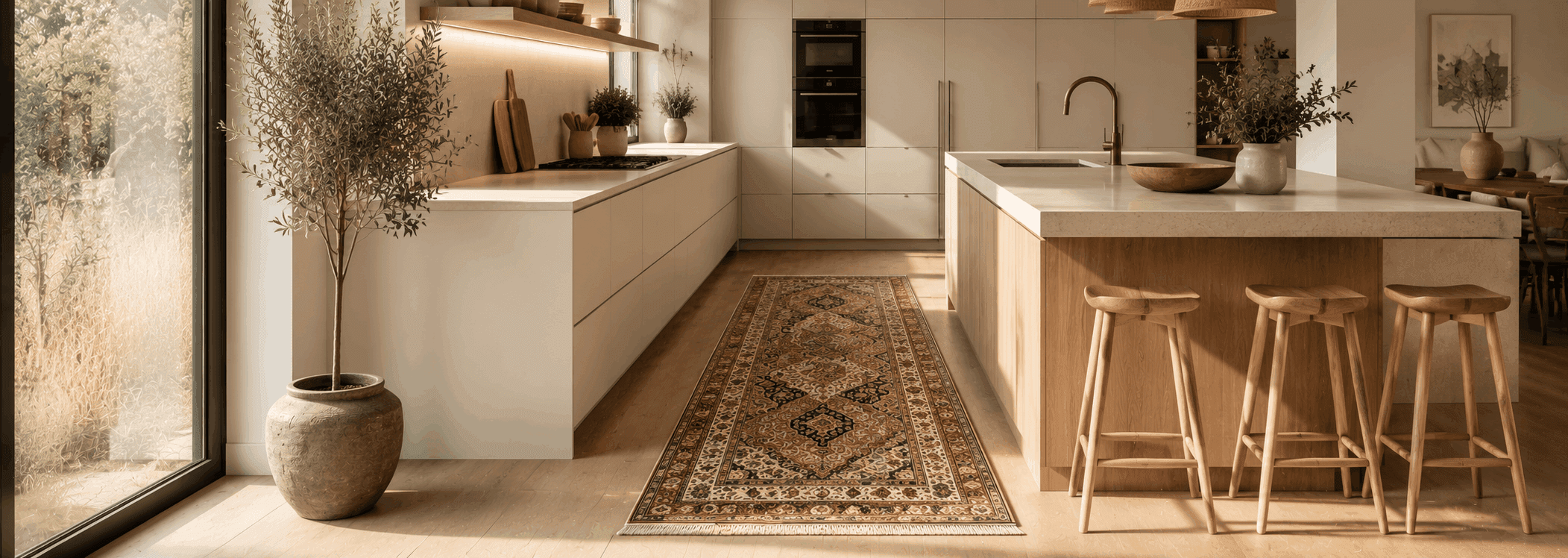
Handmade rug for kitchen is not only a decorative element but also a practical choice that enhances comfort, safety, and aesthetics. Many homeowners underestimate the importance of selecting the right rug for the kitchen.
Expert articles, care knowledge, and buying guidance collected under Rug Encyclopedia & Designs.
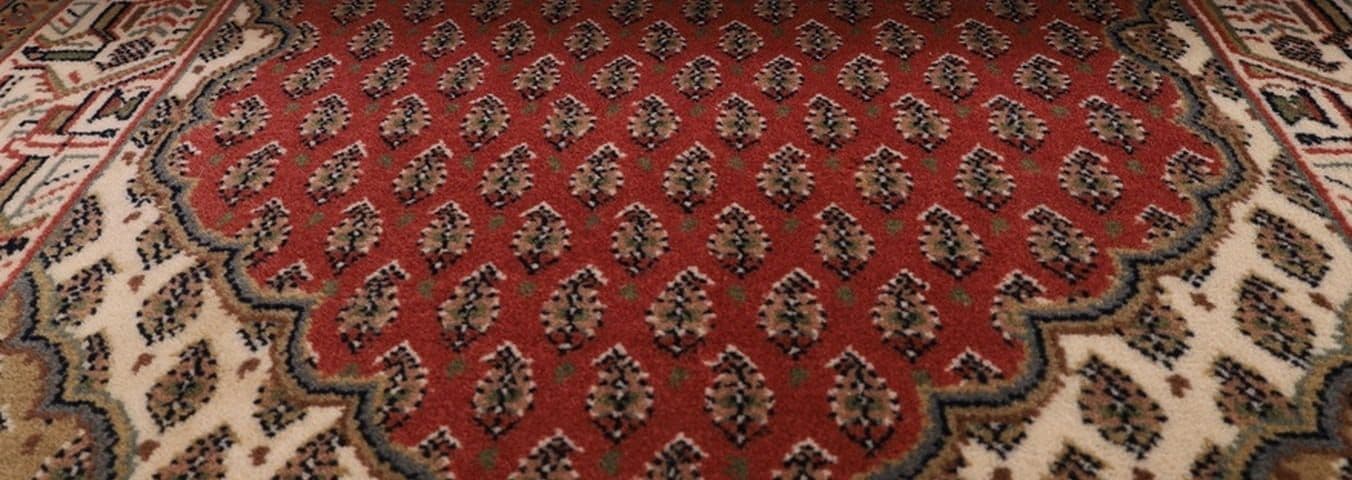
It is one of the most recognisable designs in the history of Persian textiles. You can find it in carpets, handwoven shawls, luxury fabrics and decorative objects. It has also travelled far beyond Iran, becoming a familiar pattern in European fashion, interior design and textile production.
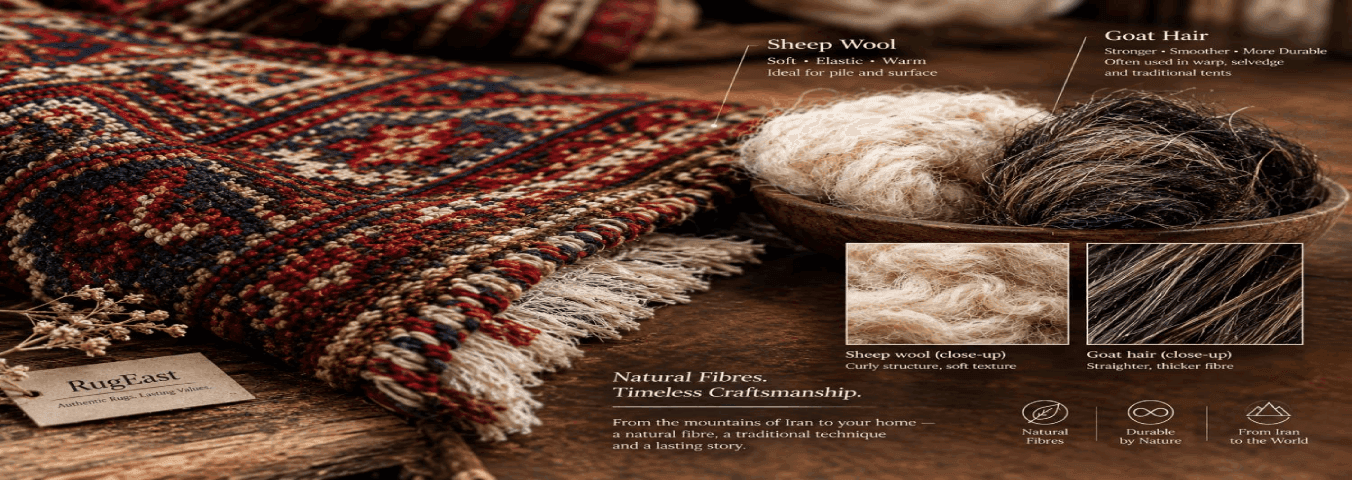
When people think of traditional Persian rugs, sheep’s wool and silk usually come to mind. Yet the history of Iranian weaving includes another, less familiar natural material: goat hair.
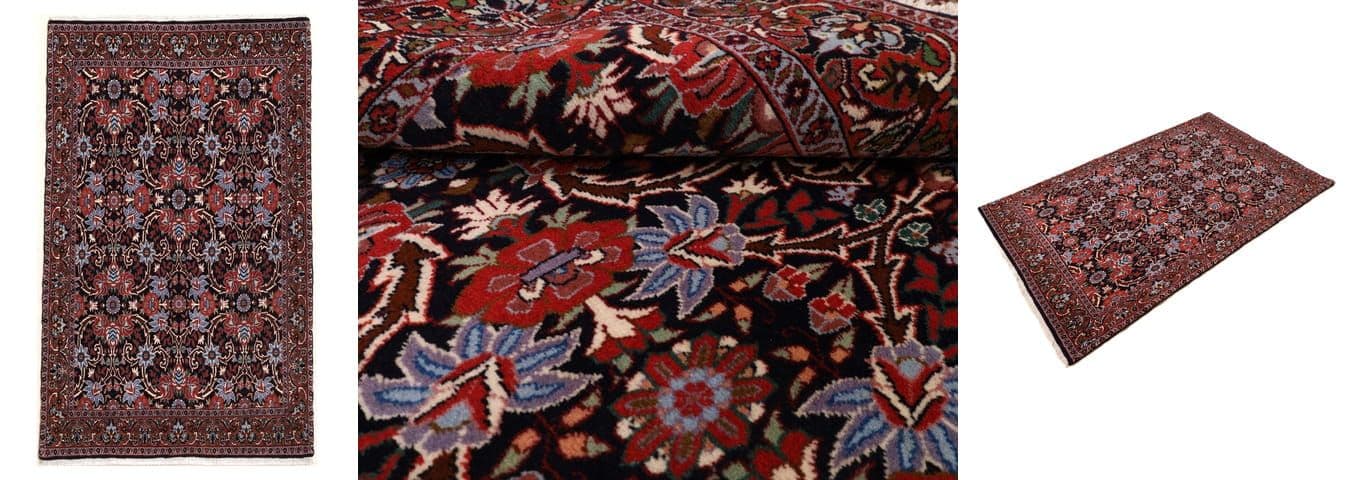
Wool is one of the defining materials of traditional Persian rugs. It influences how a carpet feels underfoot, how its colours appear, how well it responds to everyday use and how its surface changes over time.
Expert articles, care knowledge, and buying guidance collected under Care & Maintenance.
Wool belongs to a special group of natural fibres known as protein fibres. Its primary structural protein is keratin, the same broad family of proteins found in materials such as human hair and nails.
Removing pet hair from a Persian rug requires a delicate balance. You need a method tough enough to lift stubborn hair, but gentle enough to preserve the natural wool, silk, and cotton foundation.
You might think that rolling up a rug and tossing it into the attic or basement is sufficient. Unfortunately, natural fibers like wool, silk, and cotton are highly sensitive to their environment.
Expert articles, care knowledge, and buying guidance collected under Buyer's Guide & Authenticity.
In this guide, we explain how to choose Persian rugs for every important area of your home, with practical advice on sizing, design, materials and everyday use.
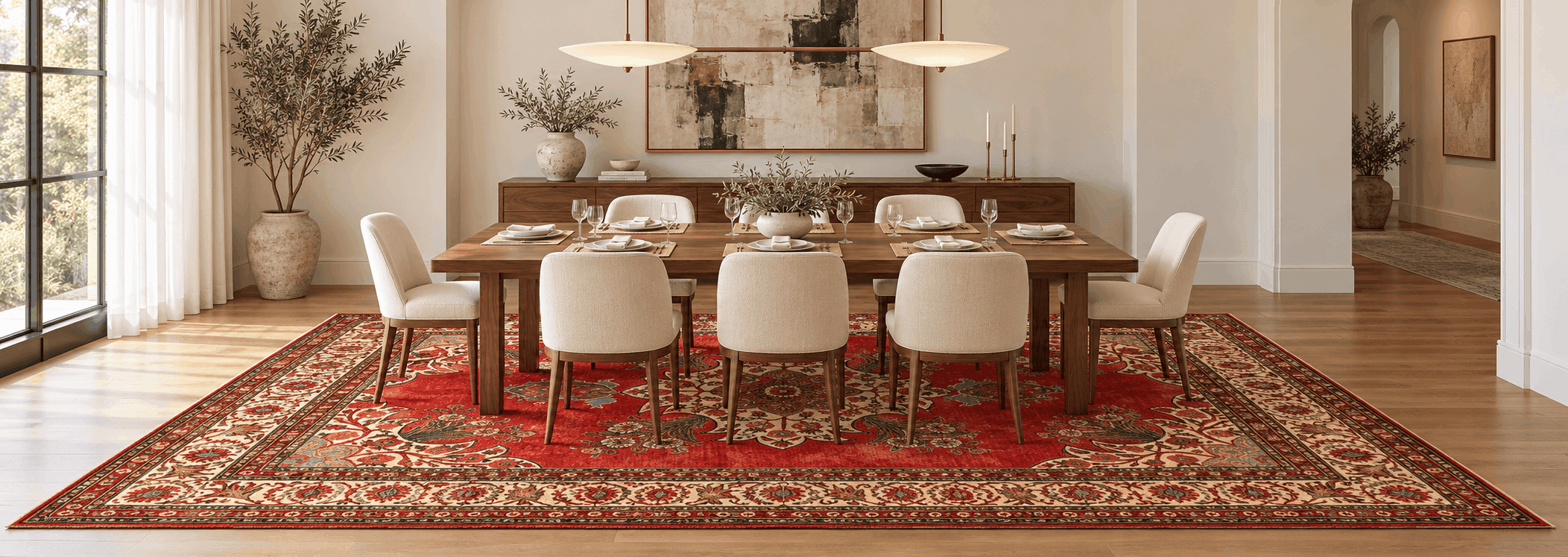
A handmade rug can bring warmth, colour and character to a dining room. It can help define the dining area, soften the appearance of hard flooring and connect the table, chairs, lighting and surrounding furniture into a more coherent interior.
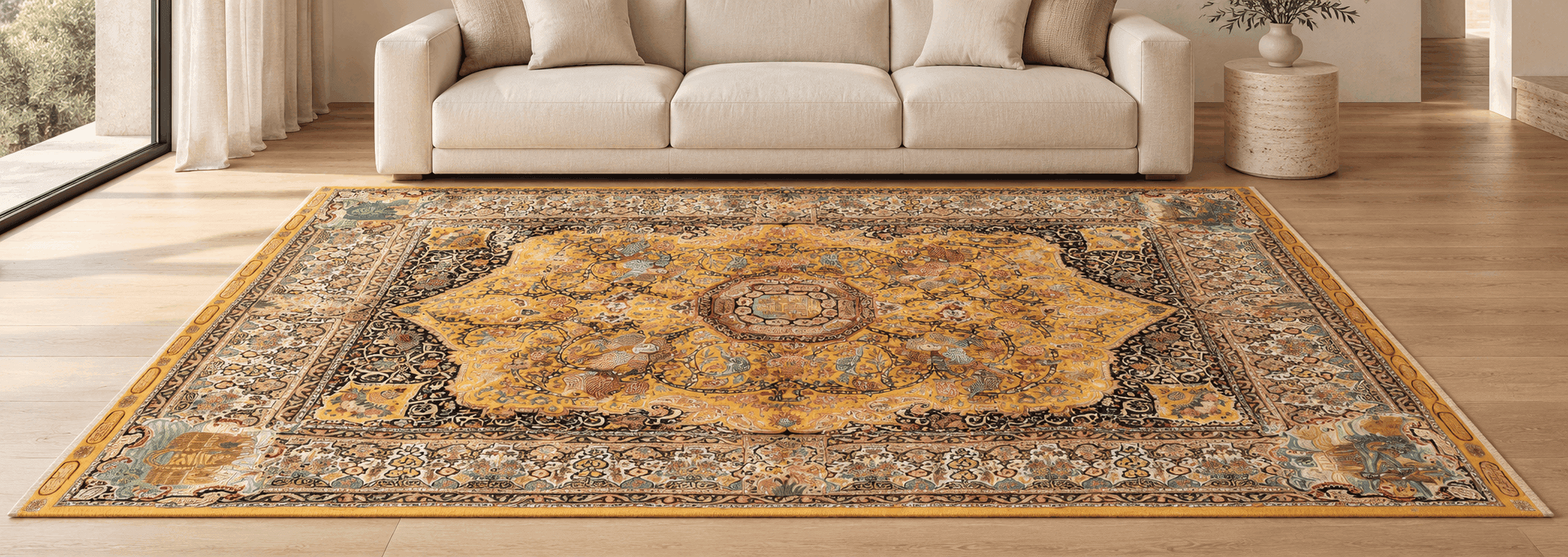
Buying a vintage or antique Persian rug is not simply a matter of choosing an attractive pattern or an appealing colour palette. It means assessing a handmade textile that may have experienced decades of use, previous repairs, changes in colour, and varying degrees of structural deterioration.
Expert articles, care knowledge, and buying guidance collected under news.
Discover why Persian and handwoven rugs are gaining attention in modern European interiors in 2026. Explore the growing appreciation for traditional craftsmanship, timeless patterns and the combination of Persian heritage with contemporary design.
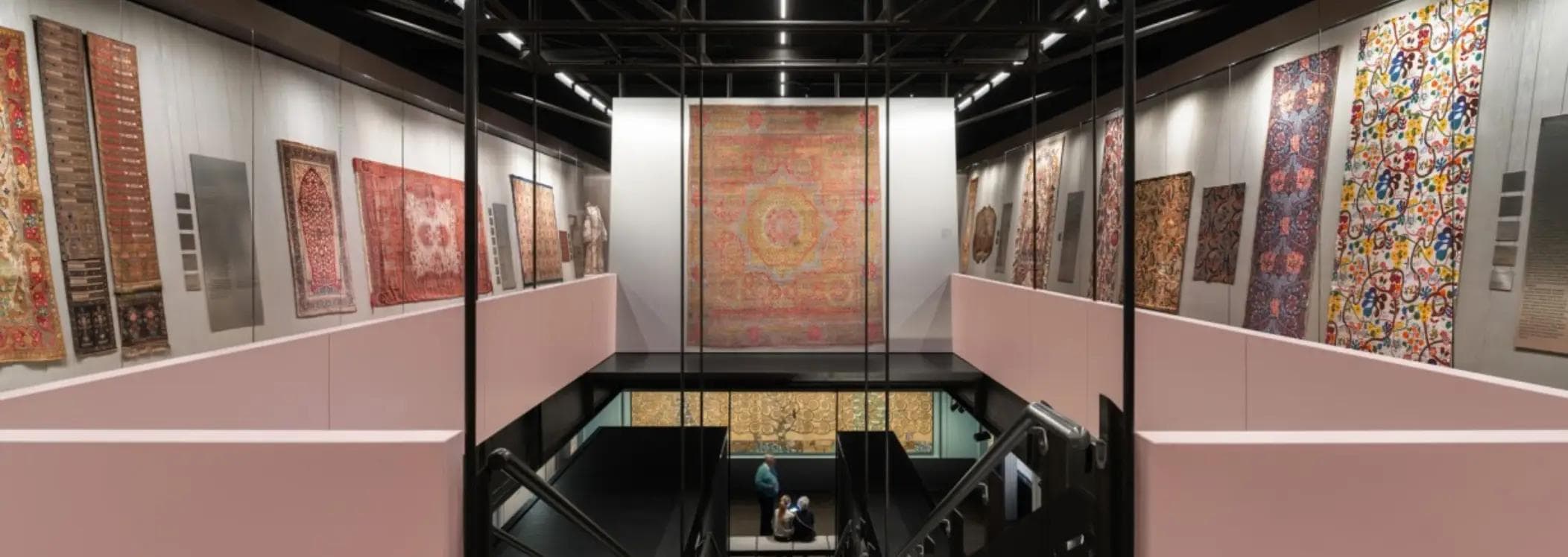
The MAK – Museum of Applied Arts in Vienna invites visitors to explore these questions through its new presentation of the permanent textile and carpet collection.
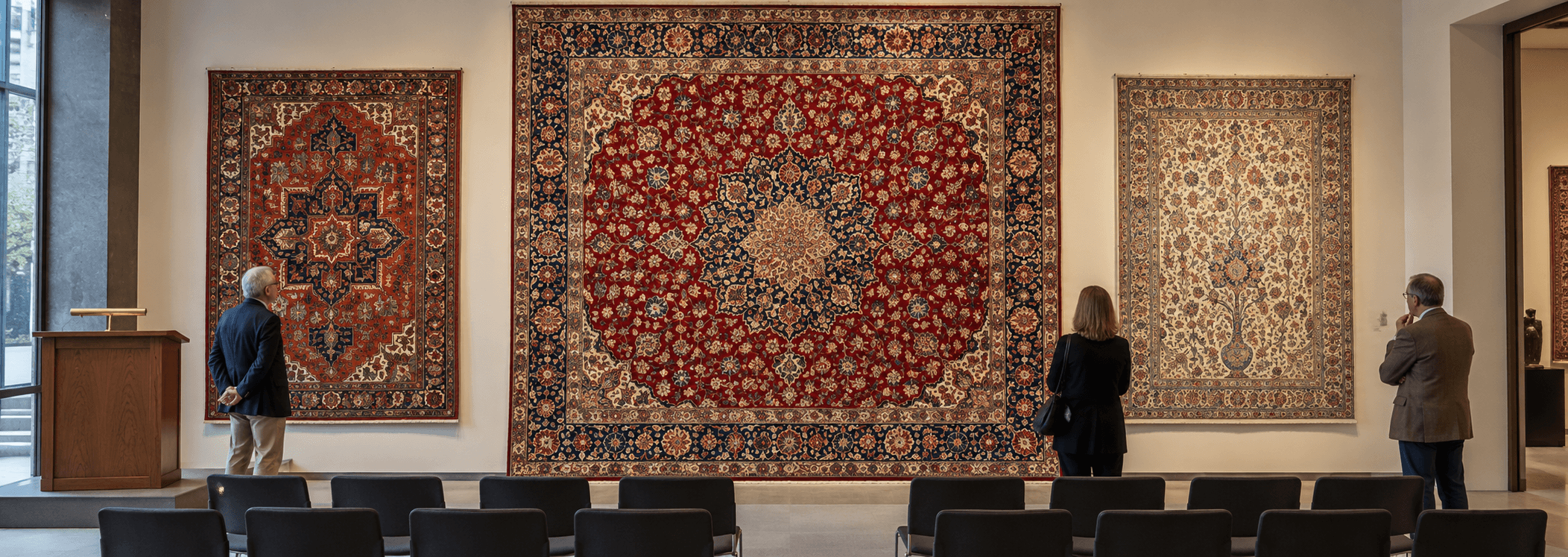
Nagel Auktionen will hold its 851st auction, Six Continents, on 15 October 2026 at its premises in Stuttgart. The auction begins at 10:00 a.m. and offers both advance bidding and participation in the live auction.
Browse Persian and Oriental rugs that connect naturally to our editorial guides.
Continue from interior ideas to curated rugs for lounges and open-plan rooms.
Move from care and buying advice into the full Rugeast handmade collection.
Find hall and entryway formats that fit practical sizing questions from the journal.
Receive fresh editorial stories, care advice, and selected collection highlights from Rugeast.
The journal explains what distinguishes handmade rugs, how Persian and Oriental traditions differ, and how wool, silk, kilim, and mixed constructions behave in everyday interiors.
We publish practical guidance for routine care, stain response, professional cleaning decisions, and protecting delicate fibers, colors, and fringes over time.
Readers can explore room-by-room inspiration, proportion and sizing advice, color selection, layout ideas, and thoughtful routes from editorial knowledge into the right rug collection.