
Rug Encyclopedia & Designs
Expert articles, care knowledge, and buying guidance collected under Rug Encyclopedia & Designs.
Discover editorial guidance on handmade rugs, Persian and Oriental designs, materials, care, room styling, and thoughtful buying decisions.
A curated editorial selection from the latest Rugeast publishing flow.
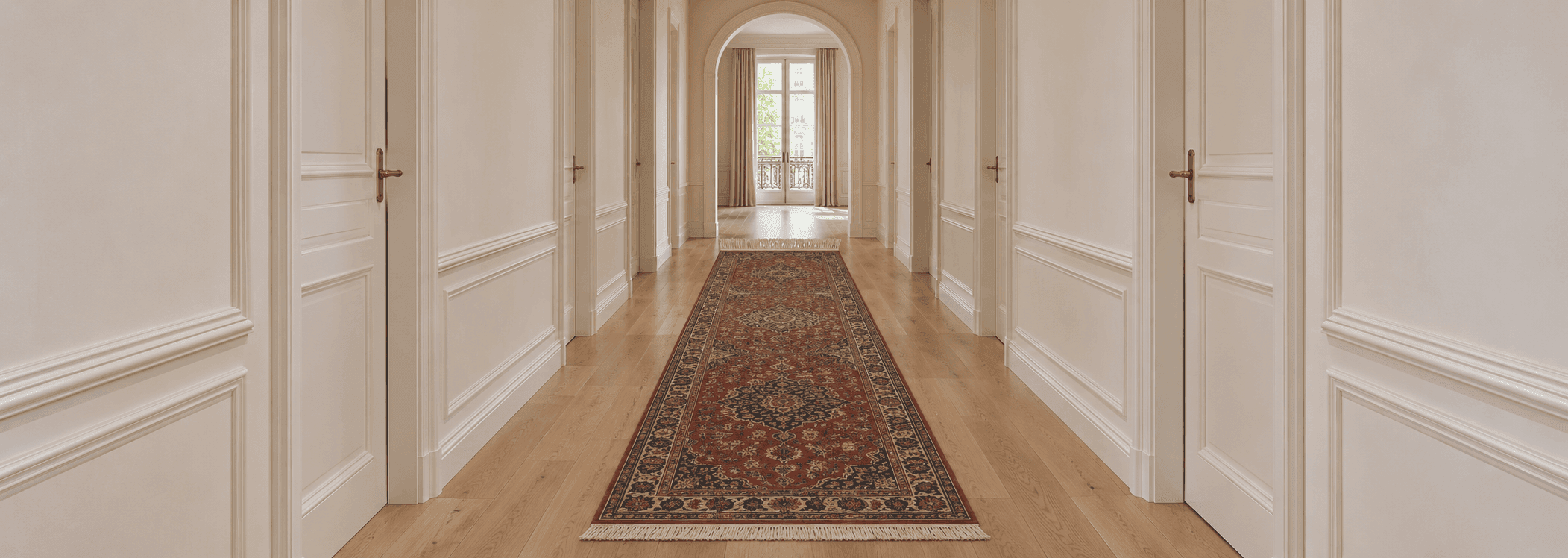
Handmade Runner Rugs: A Complete Guide to Choosing, Styling and Using Narrow Persian Rugs
Browse the Rugeast editorial desk by category, with direct paths into archives and specialist themes.
Expert articles, care knowledge, and buying guidance collected under Rug Encyclopedia & Designs.
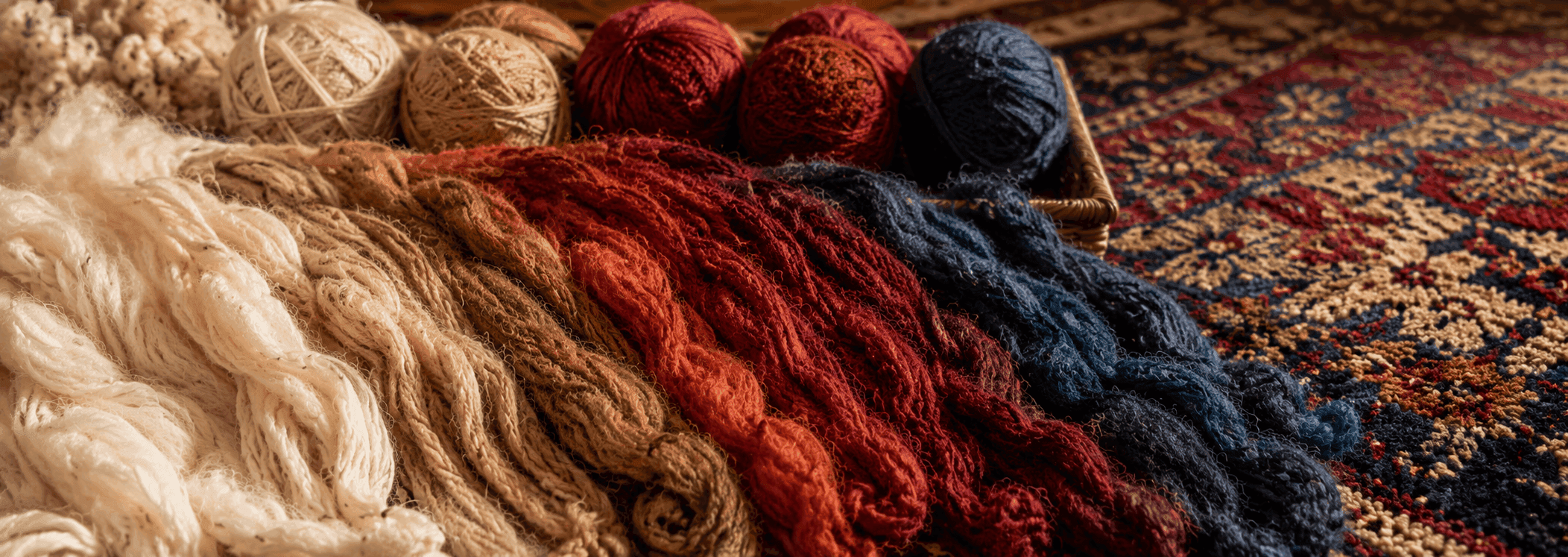
Expert articles, care knowledge, and buying guidance collected under Care & Maintenance.
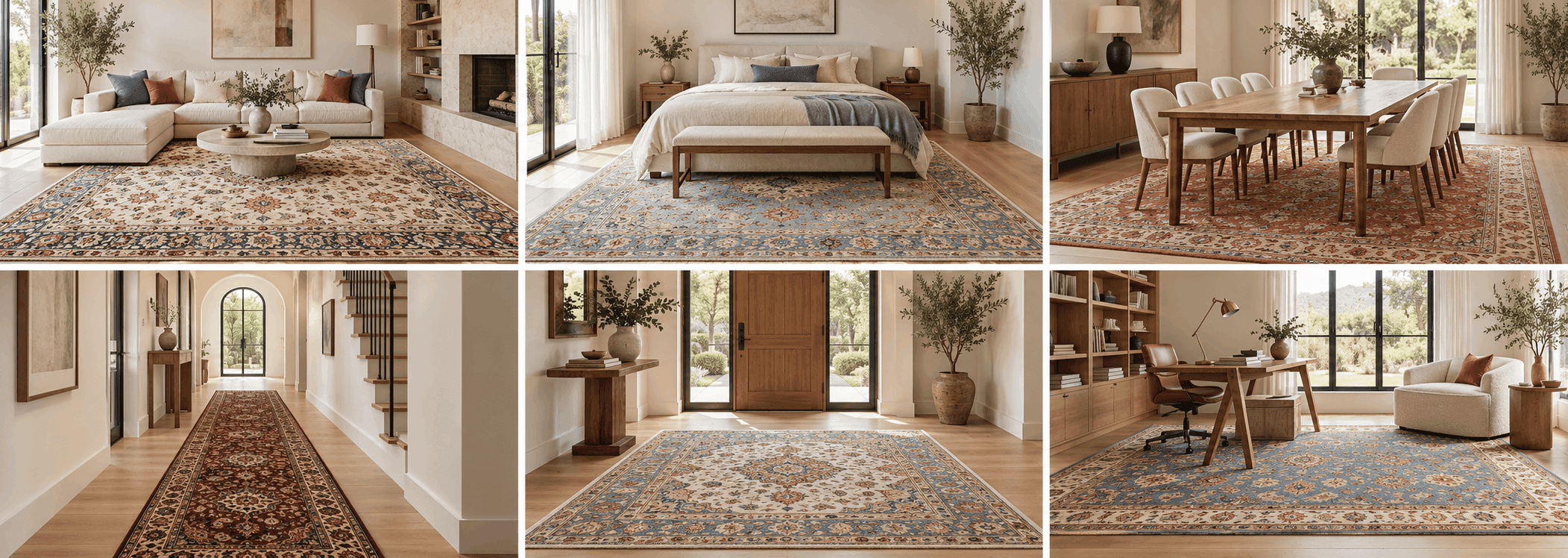
Expert articles, care knowledge, and buying guidance collected under Buyer's Guide & Authenticity.
Expert articles, care knowledge, and buying guidance collected under news.
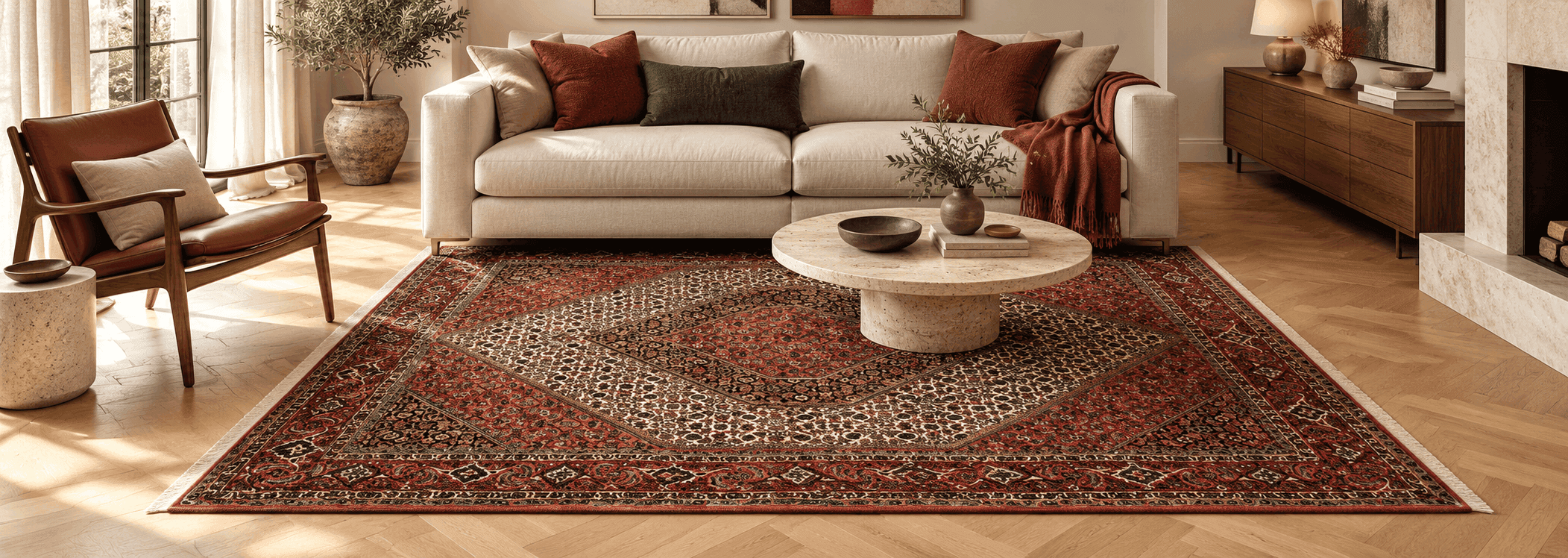
Expert articles, care knowledge, and buying guidance collected under Interior Design & Styling.
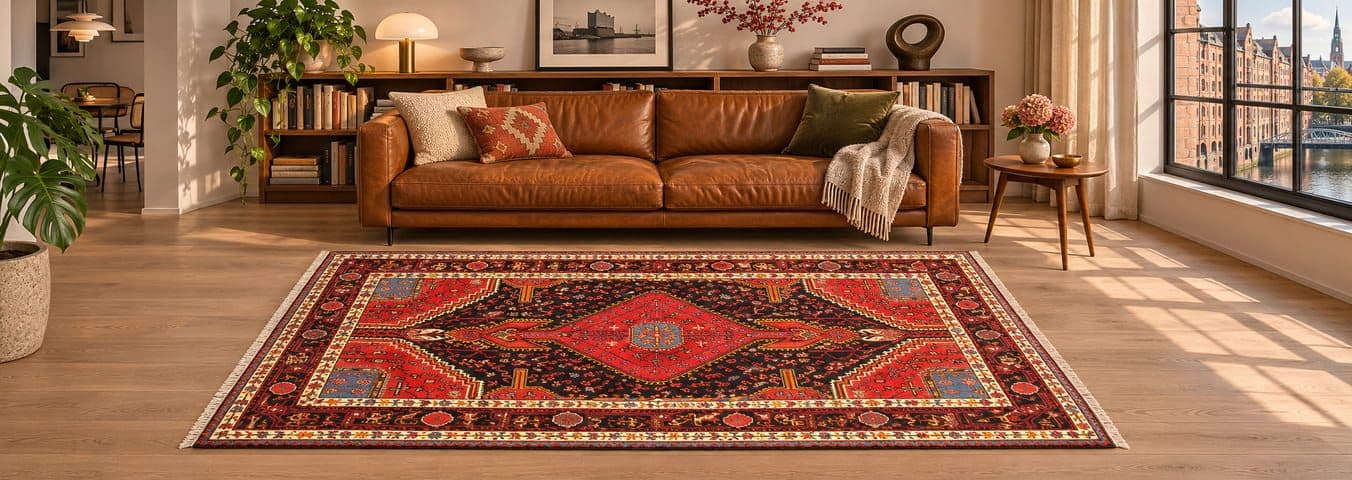
Expert articles, care knowledge, and buying guidance collected under Persian Rug Regions.
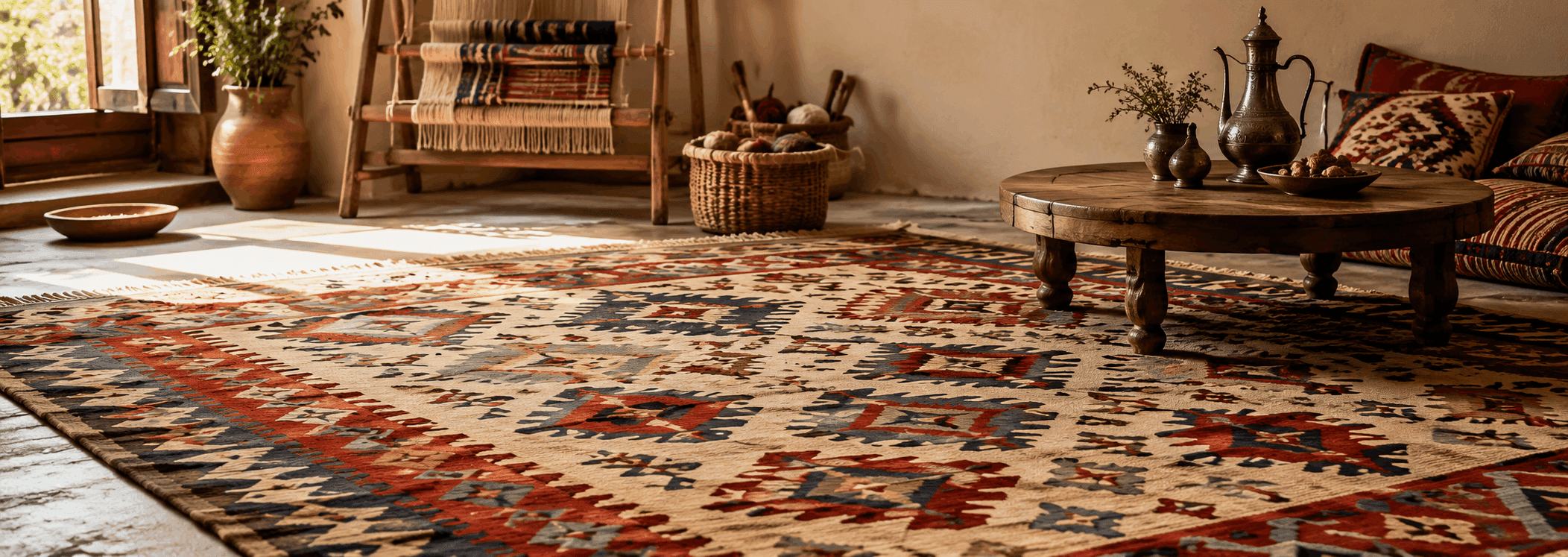
Kilim weaving is a flatweaving craft with uncertain origins across Central Asia, Iran, the Caucasus and Anatolia. Archaeology confirms early textile production but not one inventor or an unbroken 8,000-year tradition. Its geometric motifs reflect technique, regional culture and changing symbolism.
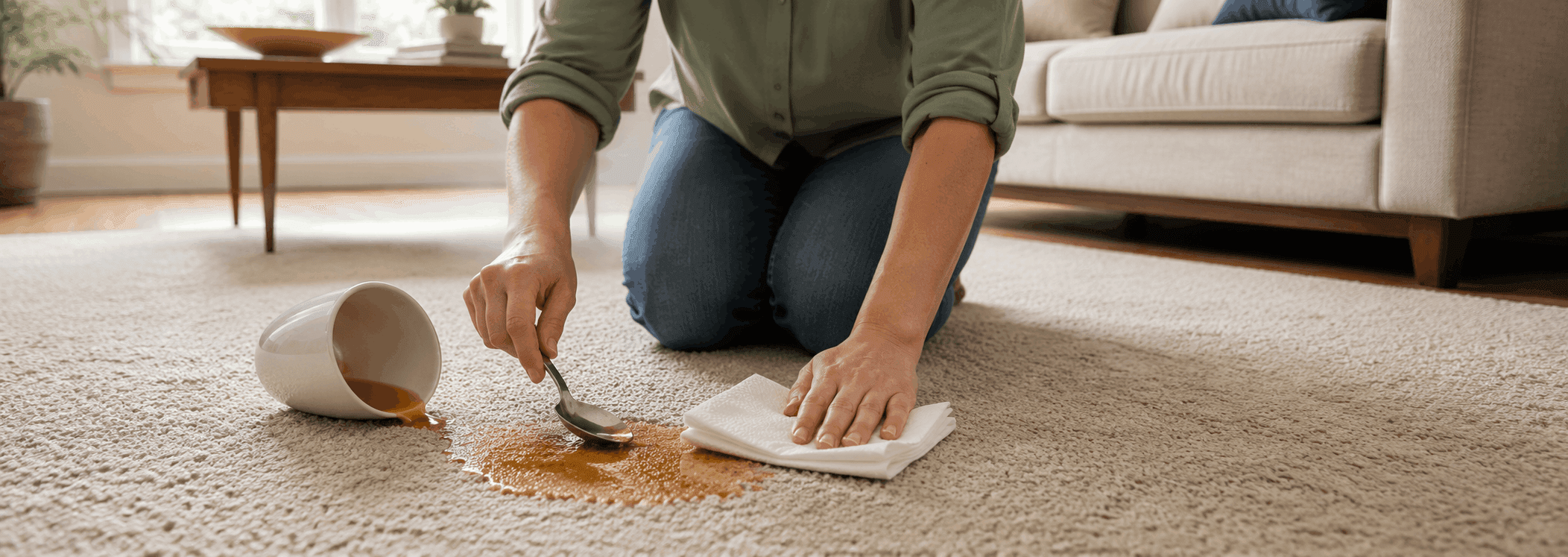
Learn how to remove tea stains from carpets safely, using blotting, cool water, and mild detergent. Compare methods for fresh and dried stains, understand limits of vinegar and baking soda, avoid damaging products, and discover when silk, handmade, antique, or delicate rugs need professional care!
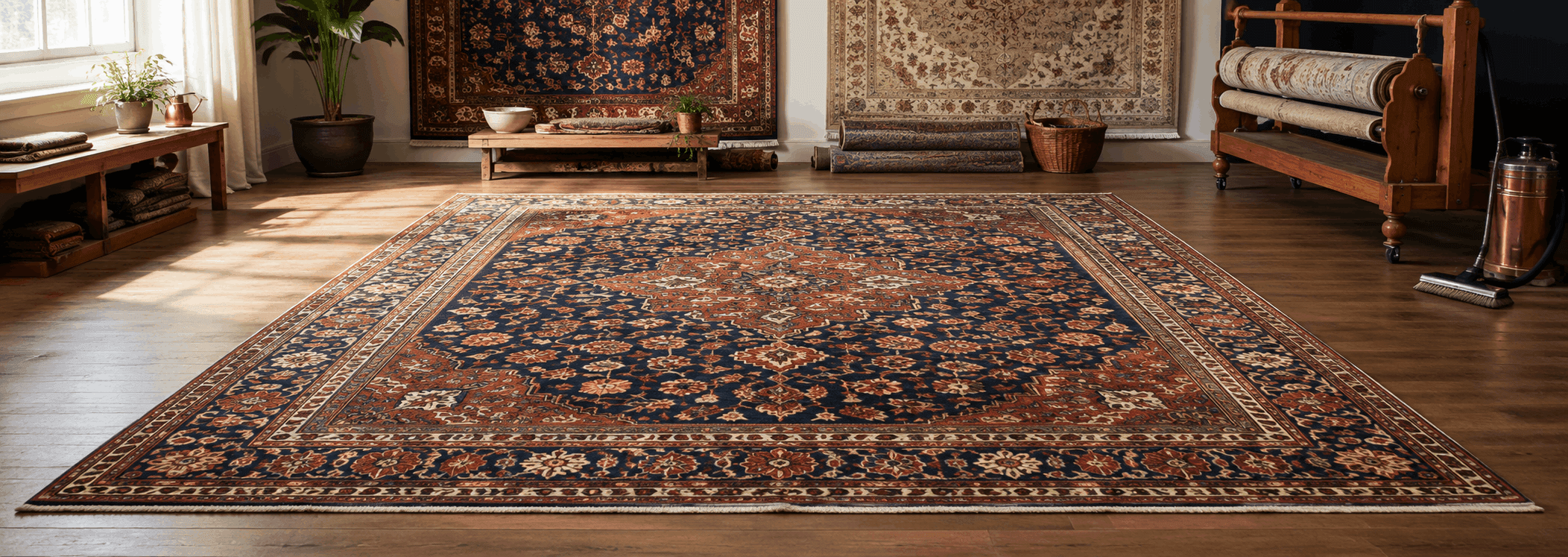
Learn how handwoven carpet straightening uses controlled tension to reduce waviness, skewing, bulges, and uneven edges. Explore main causes, workshop methods, measurement, washing considerations, treatment limits, and why fragile, antique, or structurally damaged rugs require an expert assessment.
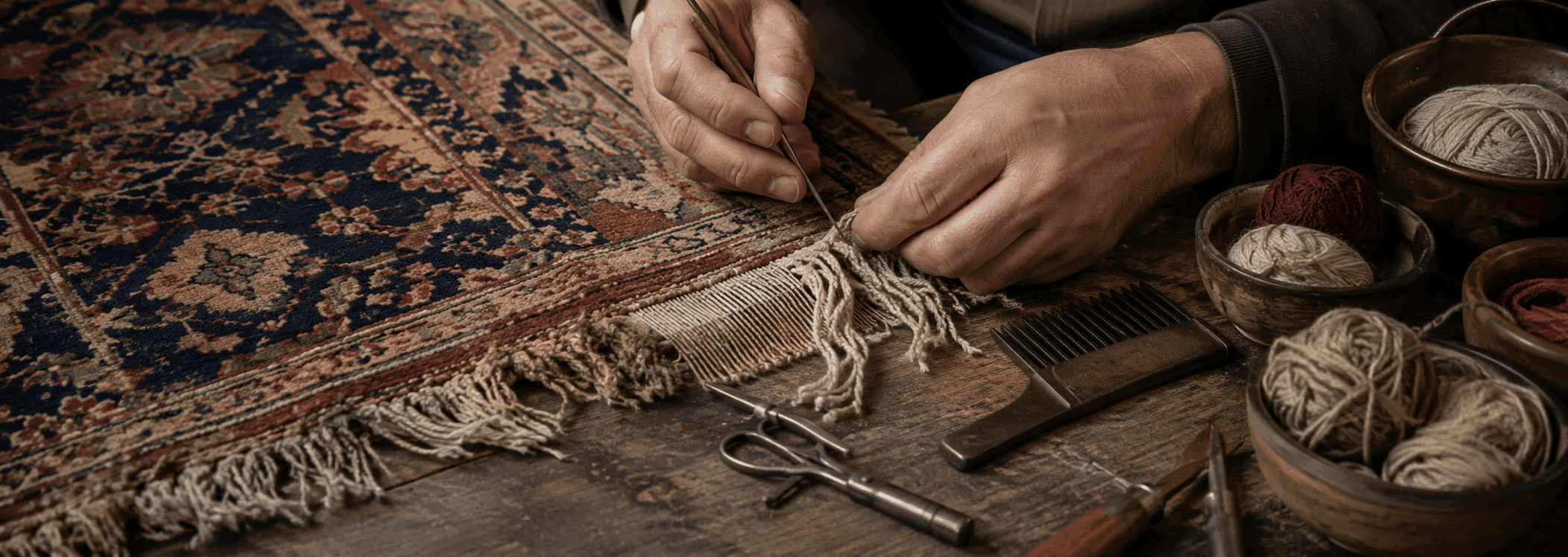
Learn how carpet fringe repair protects handmade and machine-made rugs from unraveling. Explore repair methods, cost factors, professional tooling, preparation, common causes of damage, preventive care, specialist selection, and the structural differences that determine suitable treatment options.
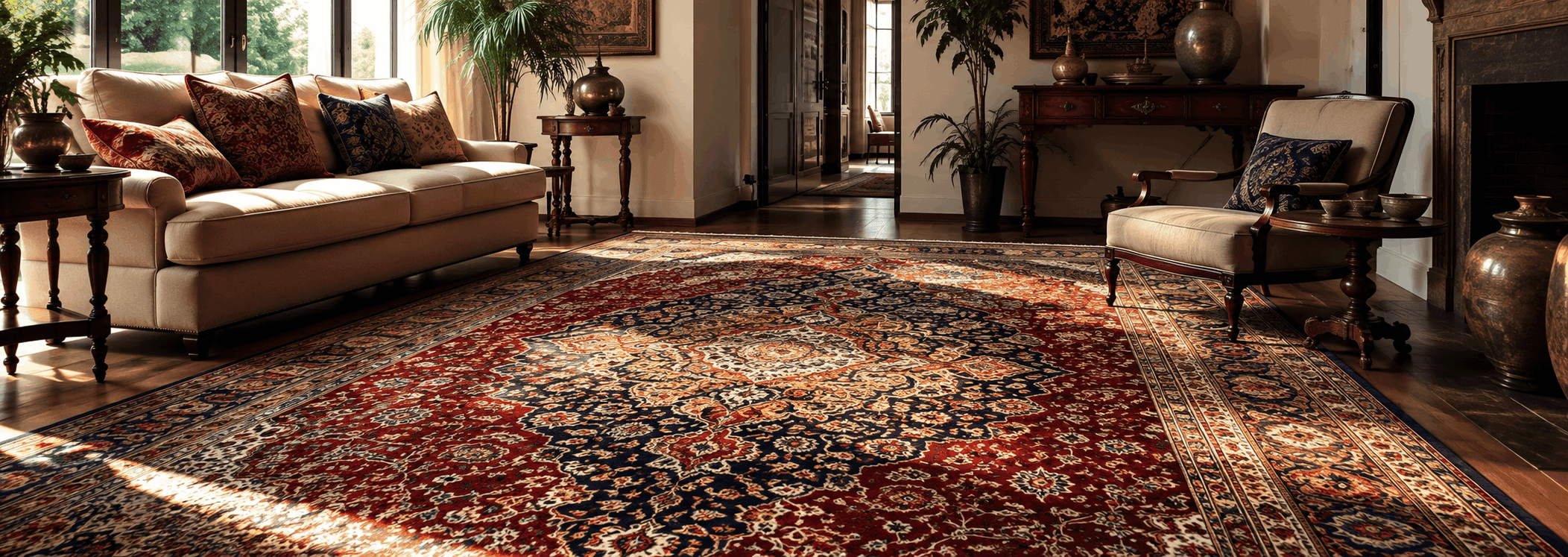
Explore the colors of Iranian carpets, from traditional madder and indigo dyes to modern synthetic options. Learn how regional palettes, room lighting, color combinations, dye quality, and symbolic meanings shape a rug’s true beauty, atmosphere, character, and value without relying on rigid rules.
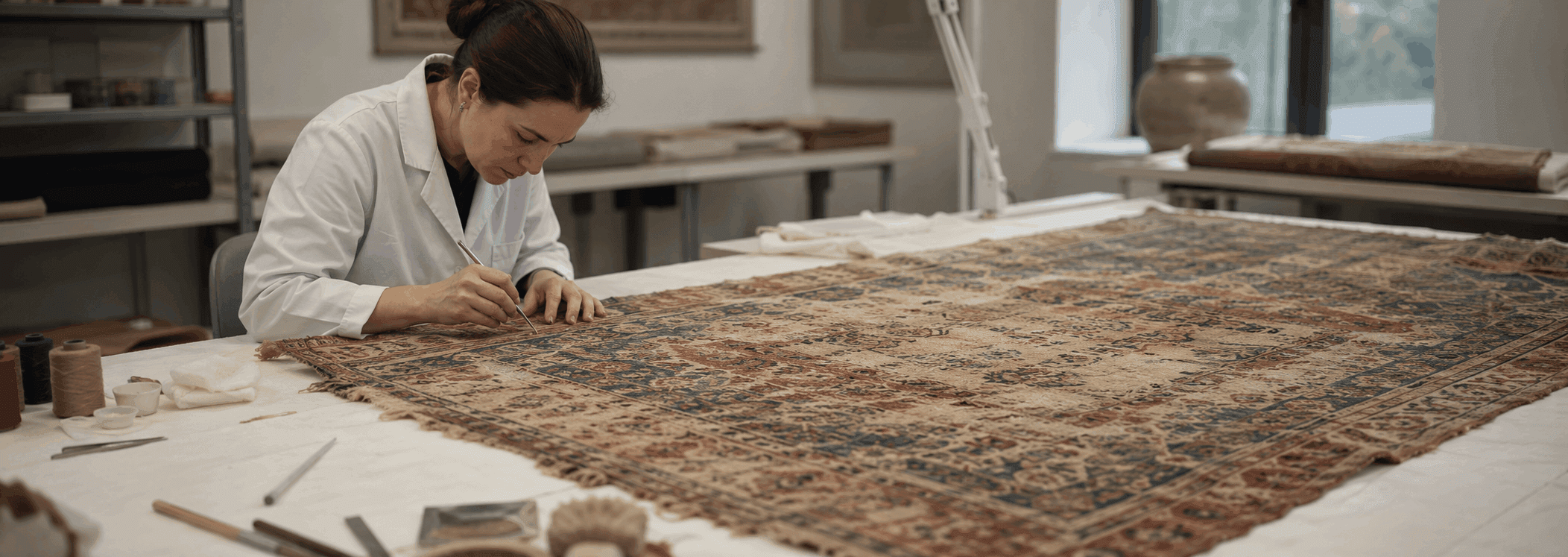
Learn whether an antique carpet is worth restoring by assessing its age, origin, condition, craftsmanship, rarity, value, and sentimental importance. Explore restoration versus conservation, how repairs affect authenticity, why expert work matters, and how preventive care limits future damage too.
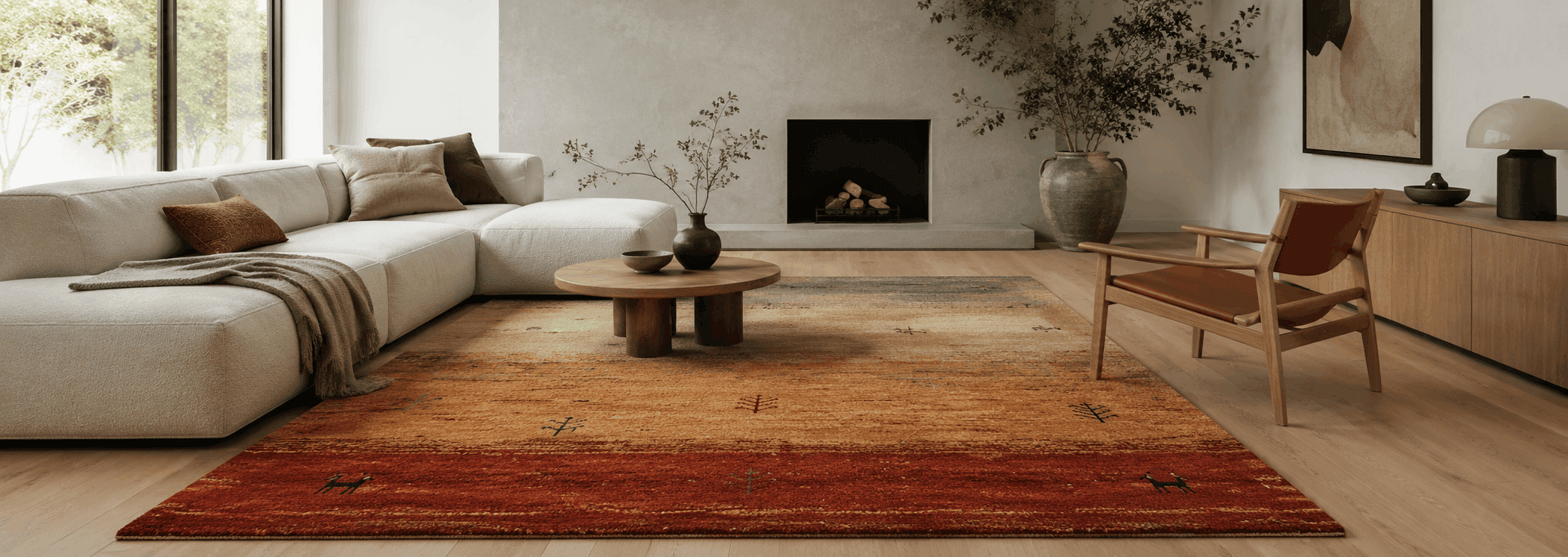
Discover Gabbeh rugs, from their nomadic Iranian origins and symbolic motifs to their use in modern interiors. Compare handmade and machine-made types, materials, benefits, care needs, durability, and value, and learn what makes traditional Gabbehs warm, distinctive, and versatile floor coverings.
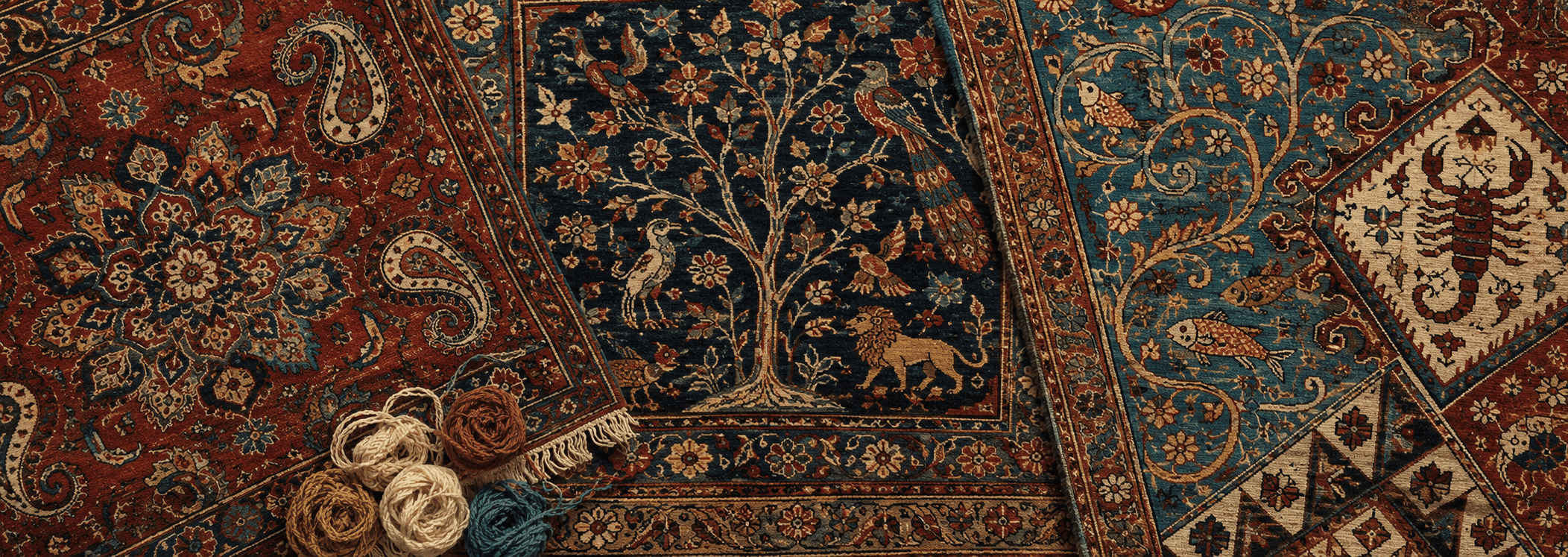
Explore the history, meanings, and symbolism of carpet patterns in German and Iranian traditions. Learn how artistic movements and cultural exchange shaped designs, and discover the diverse interpretations of Eslimi, boteh, Herati, floral, tree, animal, geometric, and human motifs across cultures.
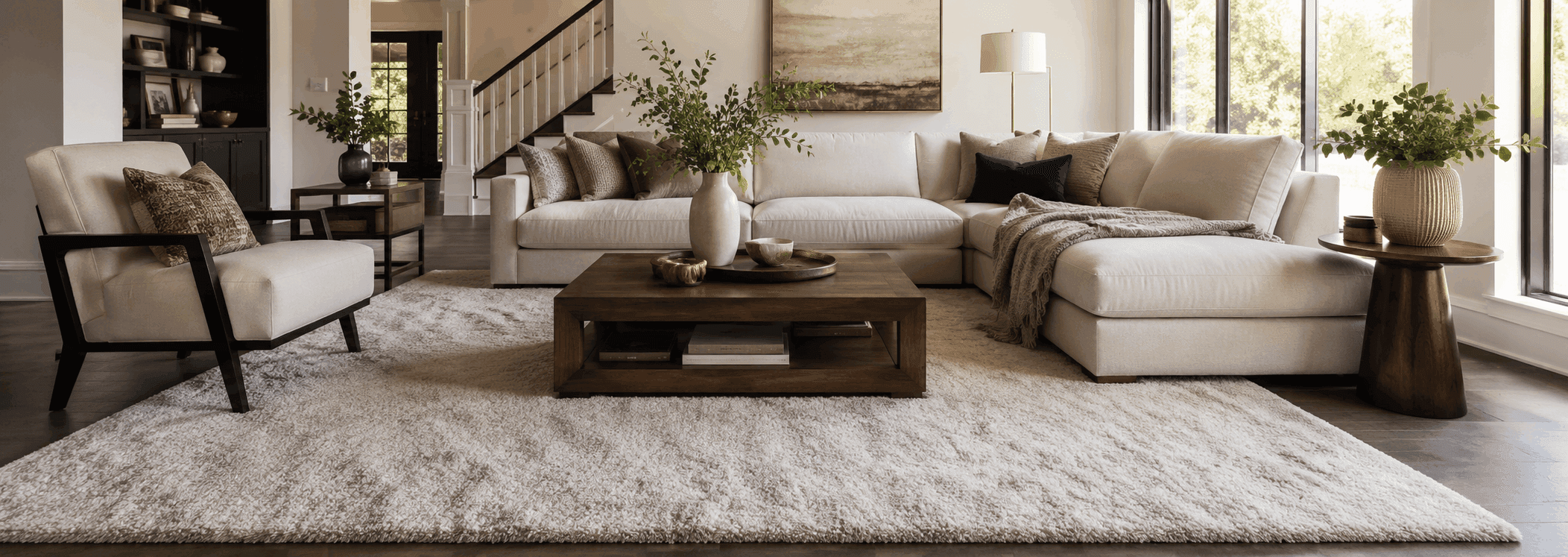
Choose the best living room carpet by comparing fibers, quality, maintenance, warranties, colors, and styles. Explore modern, Oriental, handmade, and machine-made options, learn what affects durability and value, and shop from a reputable retailer offering clear product details and terms up front.
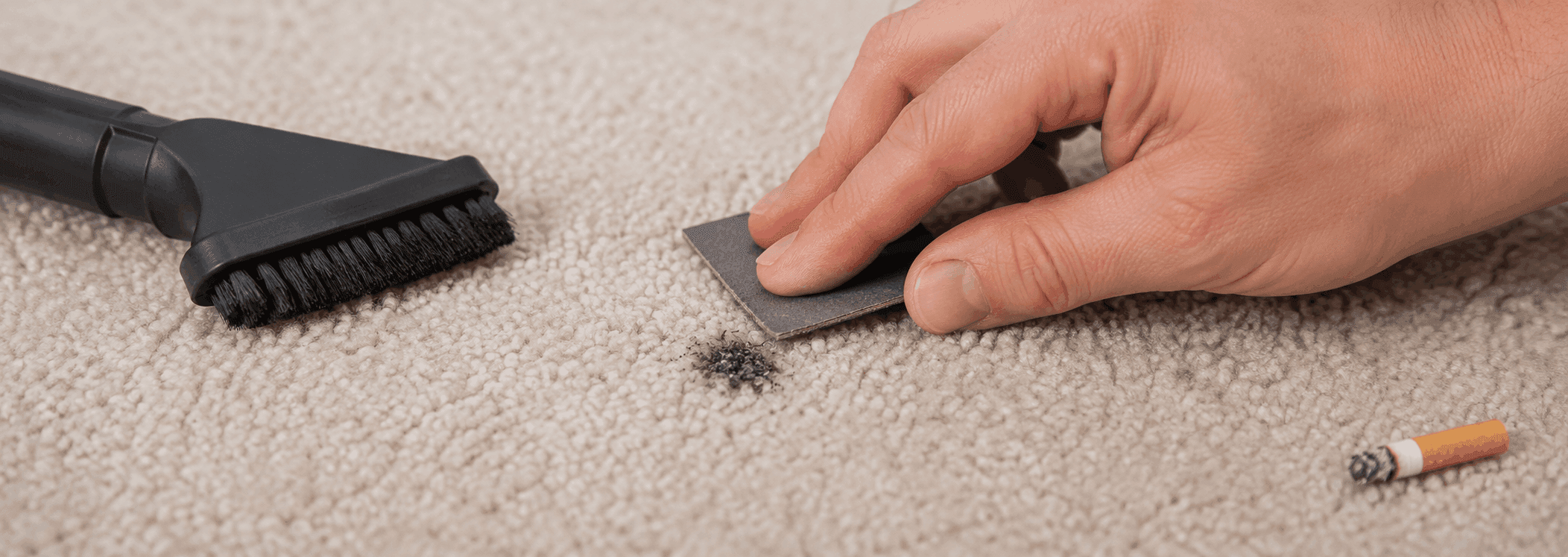
Learn five ways to repair carpet burns from cigarettes, candles, charcoal, and hot objects. Light scorch marks may be sanded or trimmed, while wax needs careful low heat and deep burns require a matching patch. Use carpet-safe products, avoid excess heat, and hire an expert for most valuable rugs.
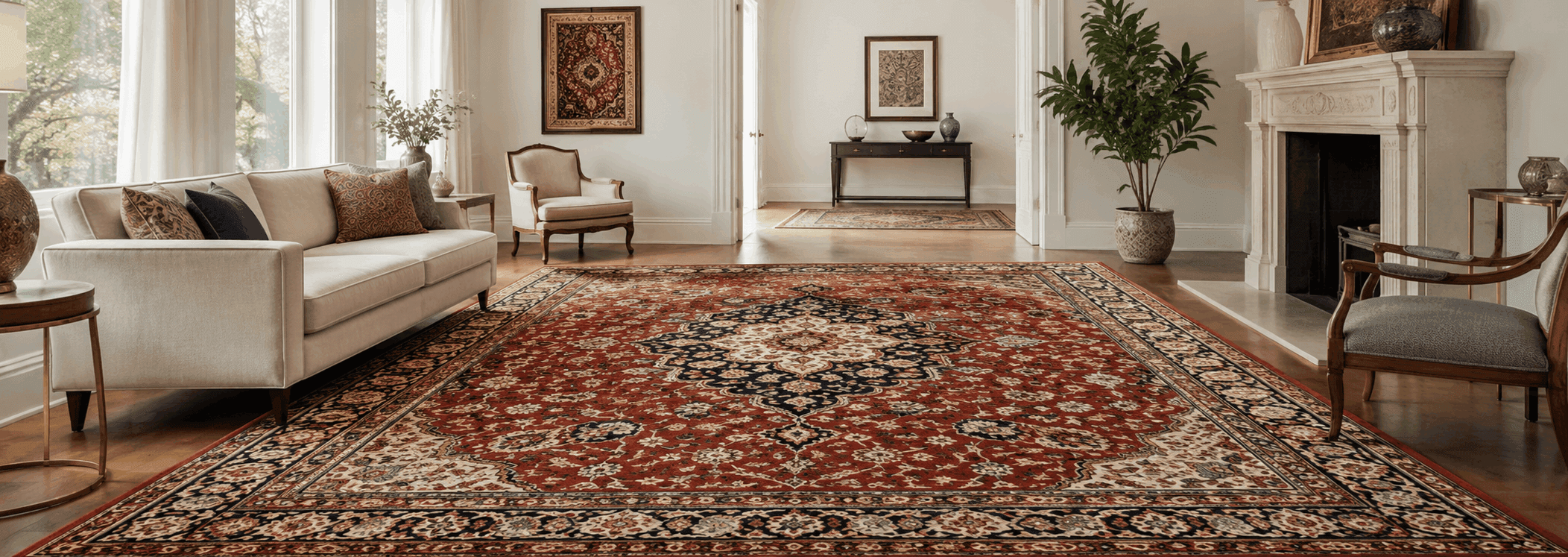
Discover why handmade Iranian carpets are valued for natural fibers, intricate motifs, lasting durability, cultural meaning and timeless appeal. Learn how they differ from machine-made rugs, what may influence their future value, key health and care considerations, and what to check before buying.
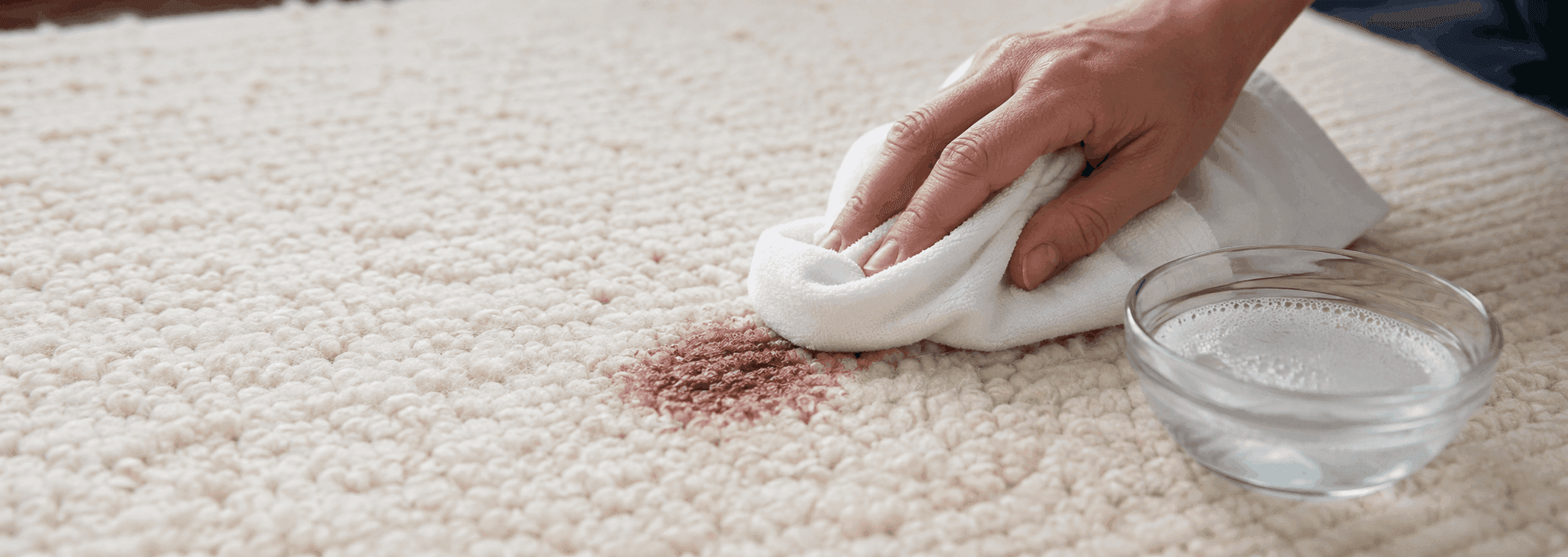
Learn how to clean wool carpets safely by vacuuming gently, blotting spills, using wool-safe products, limiting moisture, rinsing carefully, and drying flat. Discover ways reduce dirt and shedding, suitable cleaning schedules, and when valuable, handmade, antique, or stained rugs need expert care.
Expert articles, care knowledge, and buying guidance collected under Rug Encyclopedia & Designs.
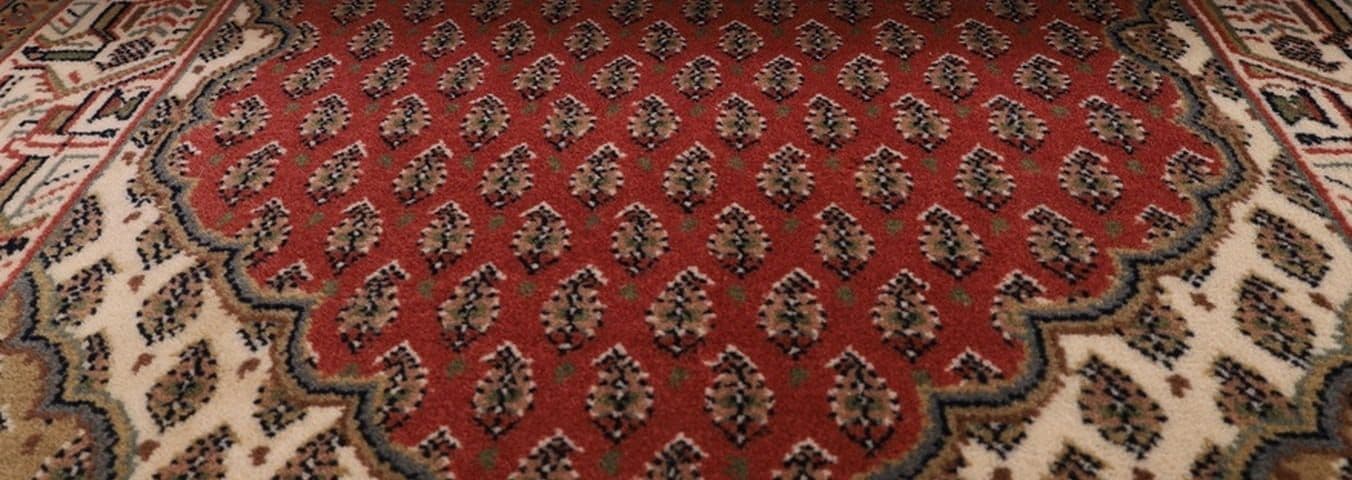
It is one of the most recognisable designs in the history of Persian textiles. You can find it in carpets, handwoven shawls, luxury fabrics and decorative objects. It has also travelled far beyond Iran, becoming a familiar pattern in European fashion, interior design and textile production.
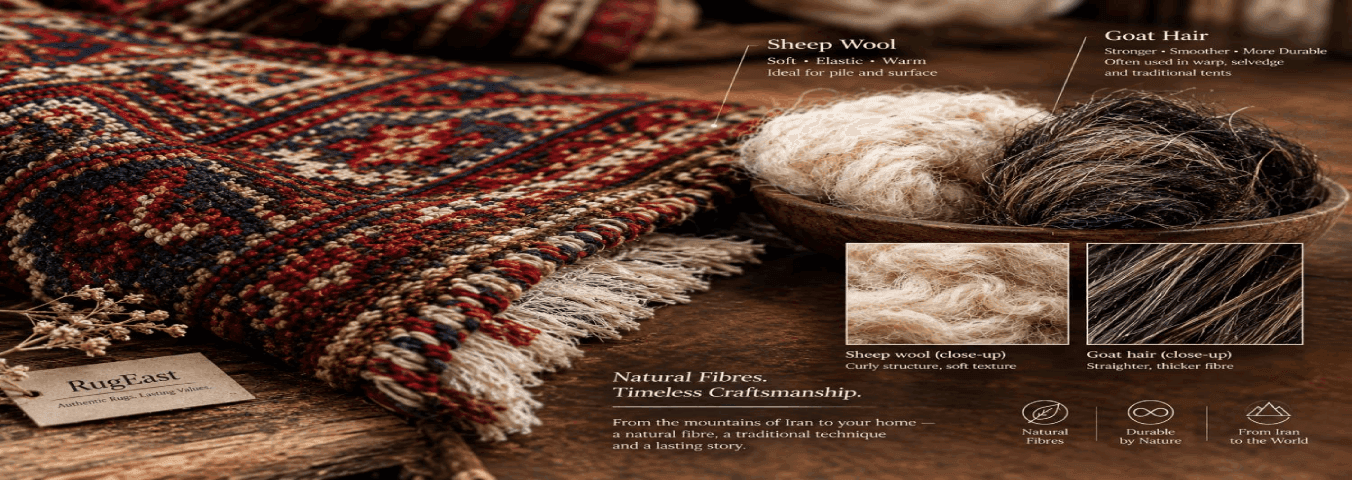
When people think of traditional Persian rugs, sheep’s wool and silk usually come to mind. Yet the history of Iranian weaving includes another, less familiar natural material: goat hair.
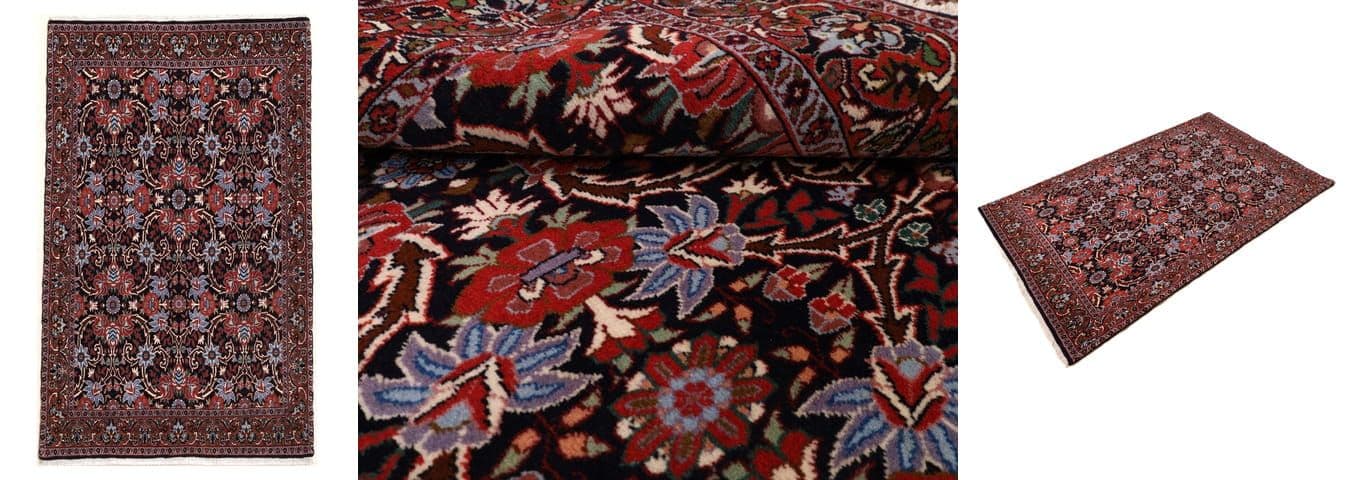
Wool is one of the defining materials of traditional Persian rugs. It influences how a carpet feels underfoot, how its colours appear, how well it responds to everyday use and how its surface changes over time.
Expert articles, care knowledge, and buying guidance collected under Care & Maintenance.
Wool belongs to a special group of natural fibres known as protein fibres. Its primary structural protein is keratin, the same broad family of proteins found in materials such as human hair and nails.
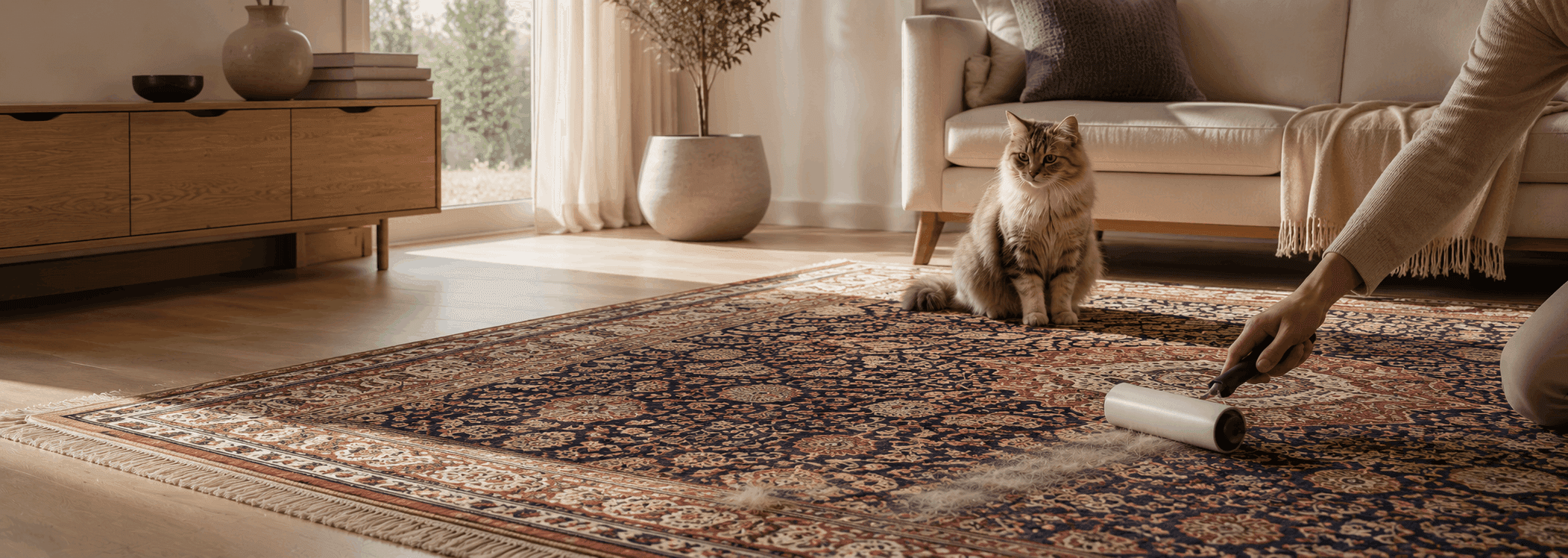
Removing pet hair from a Persian rug requires a delicate balance. You need a method tough enough to lift stubborn hair, but gentle enough to preserve the natural wool, silk, and cotton foundation.
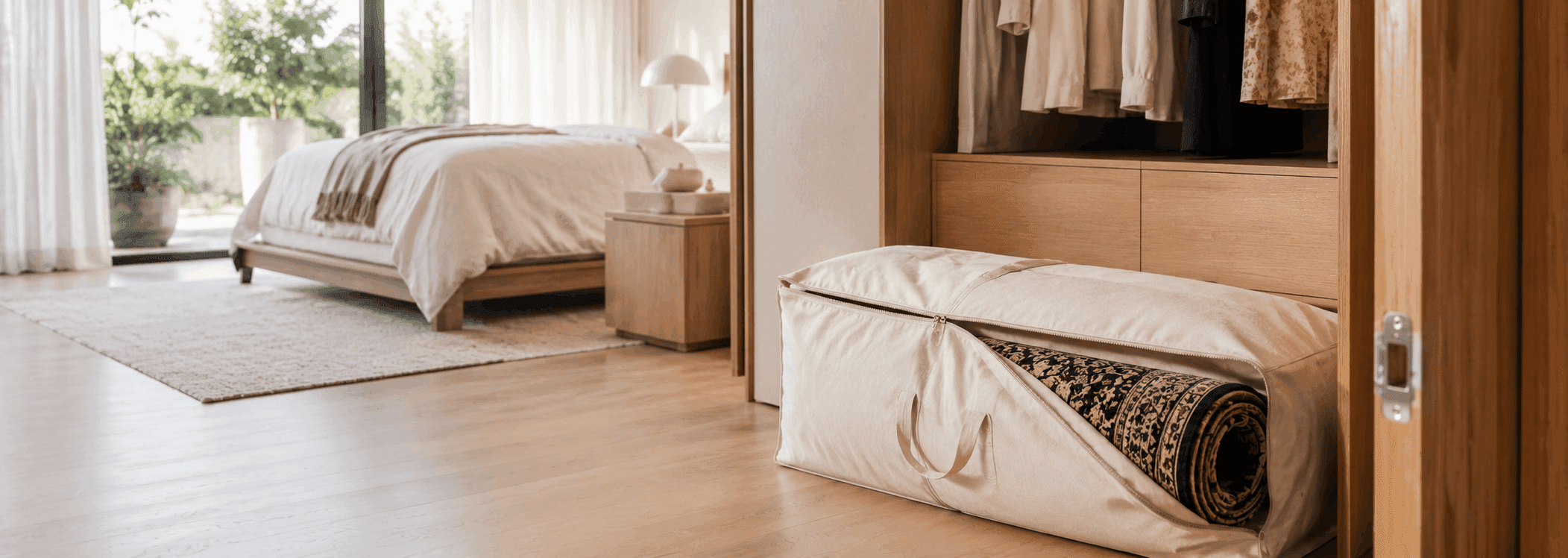
You might think that rolling up a rug and tossing it into the attic or basement is sufficient. Unfortunately, natural fibers like wool, silk, and cotton are highly sensitive to their environment.
Expert articles, care knowledge, and buying guidance collected under Buyer's Guide & Authenticity.
In this guide, we explain how to choose Persian rugs for every important area of your home, with practical advice on sizing, design, materials and everyday use.
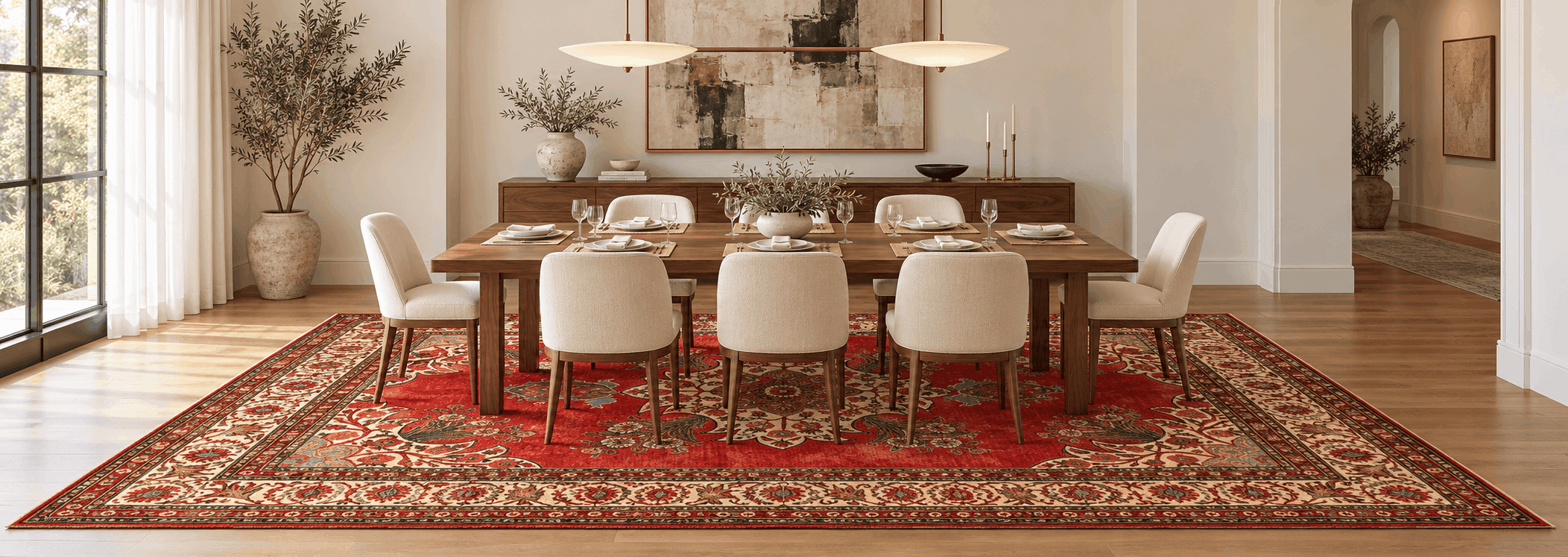
A handmade rug can bring warmth, colour and character to a dining room. It can help define the dining area, soften the appearance of hard flooring and connect the table, chairs, lighting and surrounding furniture into a more coherent interior.
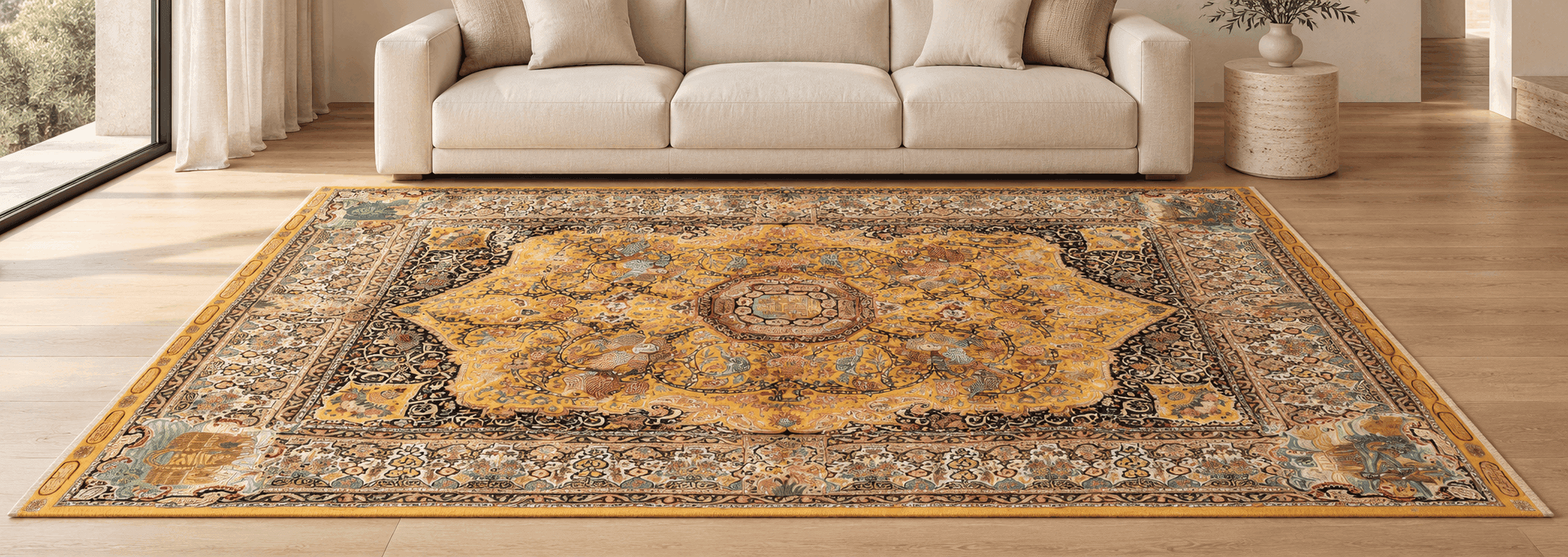
Buying a vintage or antique Persian rug is not simply a matter of choosing an attractive pattern or an appealing colour palette. It means assessing a handmade textile that may have experienced decades of use, previous repairs, changes in colour, and varying degrees of structural deterioration.
Expert articles, care knowledge, and buying guidance collected under news.
Discover why Persian and handwoven rugs are gaining attention in modern European interiors in 2026. Explore the growing appreciation for traditional craftsmanship, timeless patterns and the combination of Persian heritage with contemporary design.
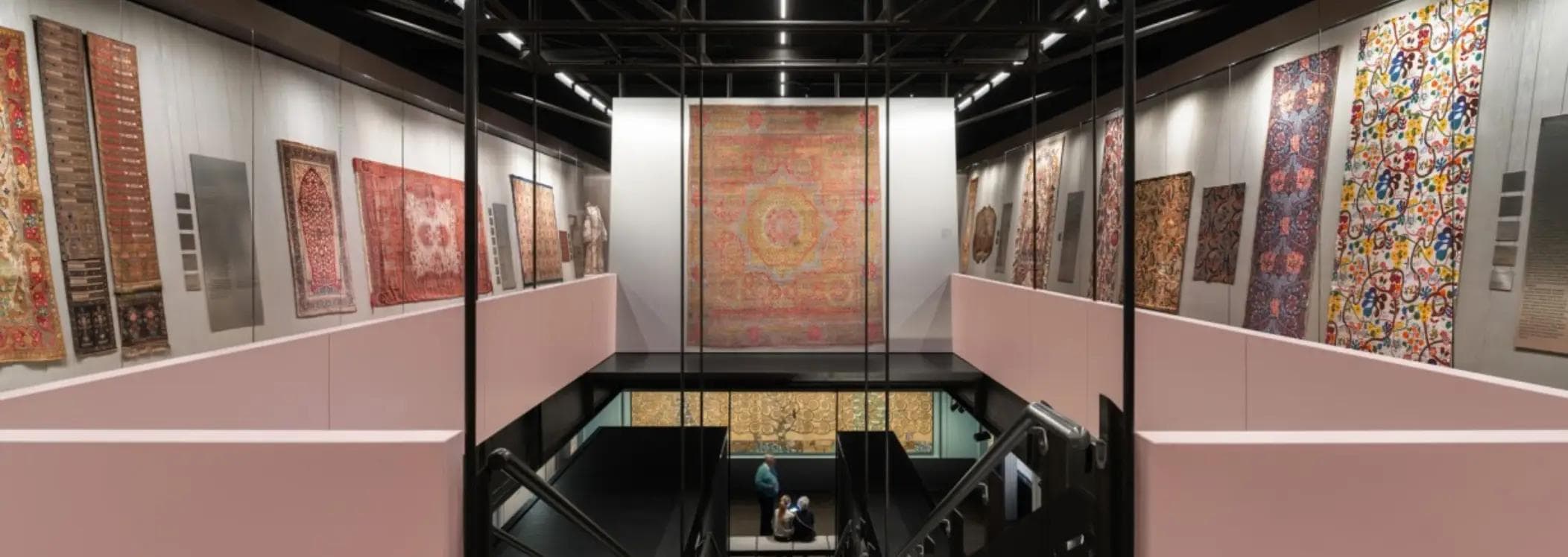
The MAK – Museum of Applied Arts in Vienna invites visitors to explore these questions through its new presentation of the permanent textile and carpet collection.
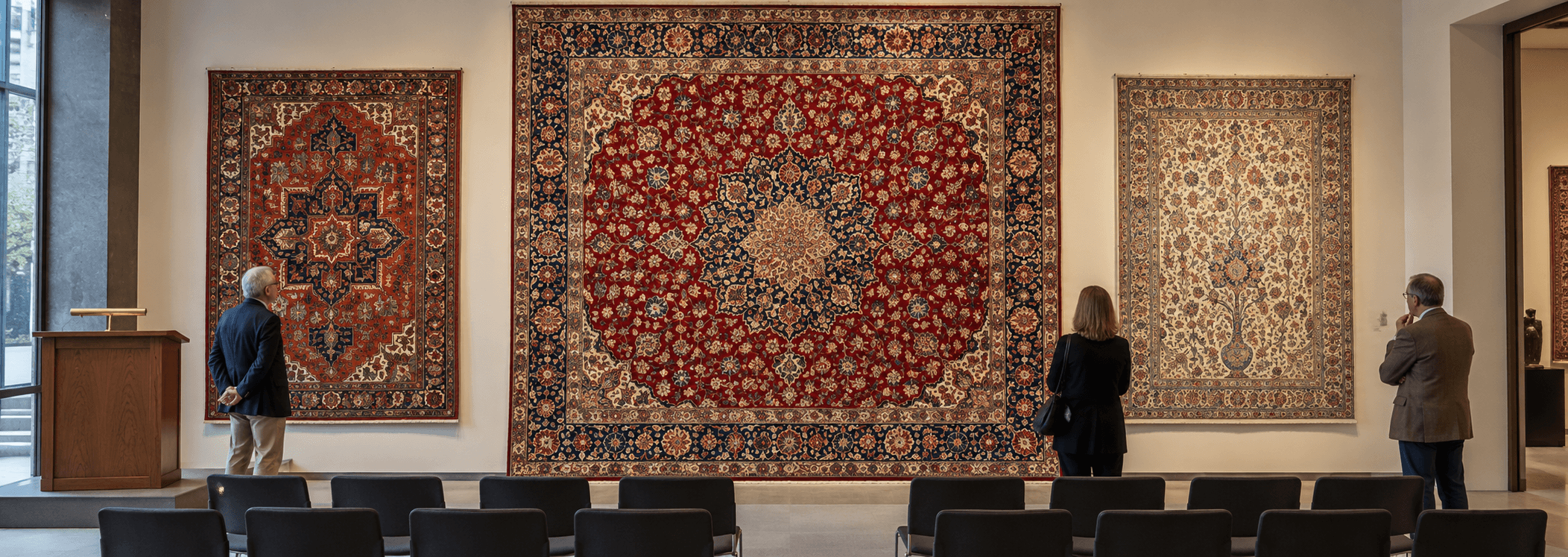
Nagel Auktionen will hold its 851st auction, Six Continents, on 15 October 2026 at its premises in Stuttgart. The auction begins at 10:00 a.m. and offers both advance bidding and participation in the live auction.
Browse Persian and Oriental rugs that connect naturally to our editorial guides.
Continue from interior ideas to curated rugs for lounges and open-plan rooms.
Move from care and buying advice into the full Rugeast handmade collection.
Find hall and entryway formats that fit practical sizing questions from the journal.
Receive fresh editorial stories, care advice, and selected collection highlights from Rugeast.
The journal explains what distinguishes handmade rugs, how Persian and Oriental traditions differ, and how wool, silk, kilim, and mixed constructions behave in everyday interiors.
We publish practical guidance for routine care, stain response, professional cleaning decisions, and protecting delicate fibers, colors, and fringes over time.
Readers can explore room-by-room inspiration, proportion and sizing advice, color selection, layout ideas, and thoughtful routes from editorial knowledge into the right rug collection.